The Story
Why it exists.
The beginning
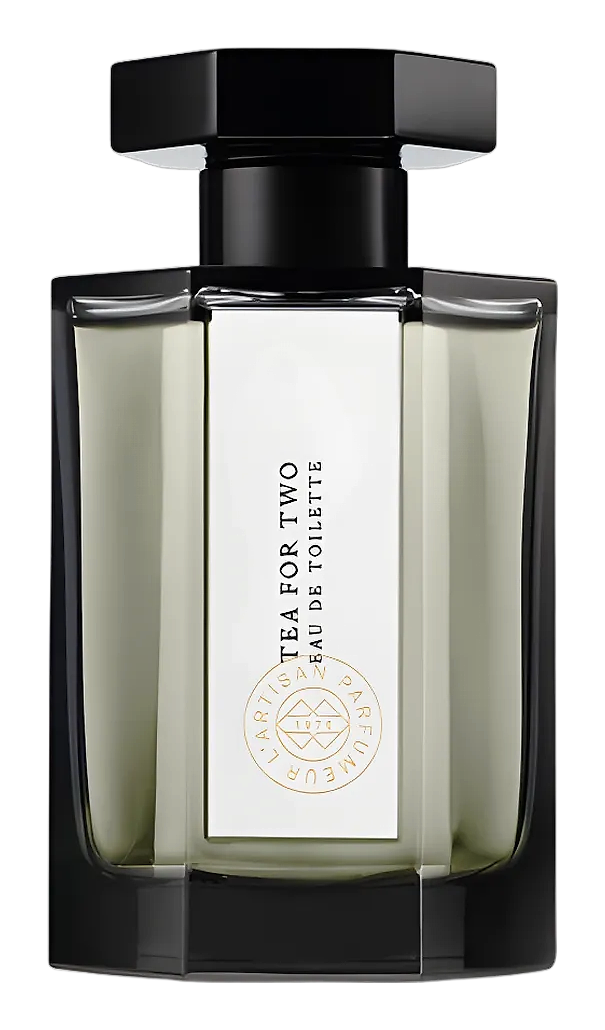
L'Artisan Parfumeur arrived in 1976 with a quietly radical idea: perfume should feel personal, not mass-produced. Founded by Jean Laporte in Paris, the house became one of the first true niche fragrance houses, championing natural ingredients and artistic vision over commercial appeal. Tea for Two arrived in 2000 from Olivia Giacobetti, the nose behind L'Artisan Parfumeur's beloved Premier Figuier. Where her earlier work captured the Mediterranean fig in its entirety, green fruit, leaf, wood, this commission asked for something narrower: the ritual of tea. Not a botanical study of the plant itself, but the act of drinking it, the room it fills, the hour it occupies.
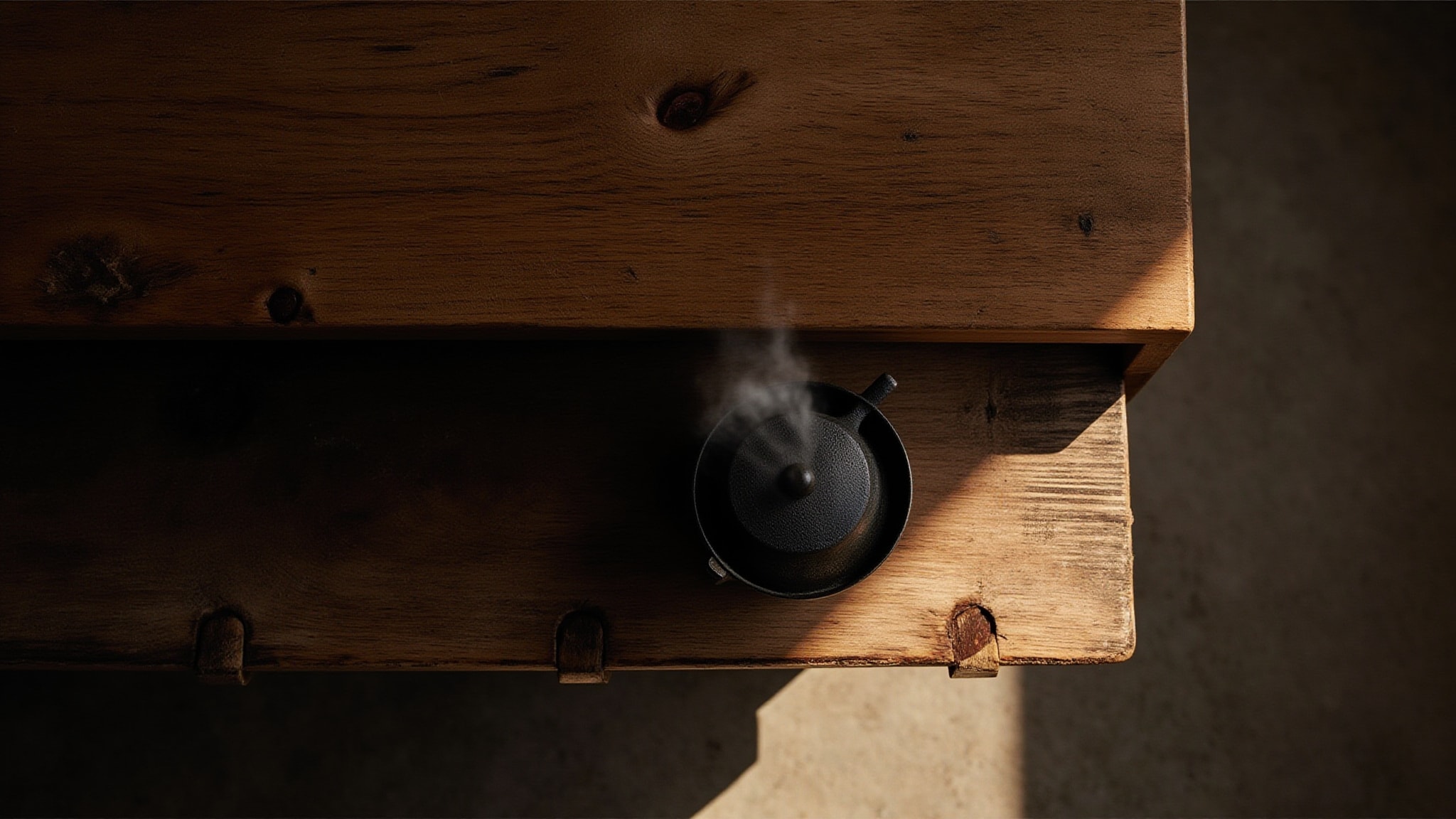
The note progression mirrors the ritual of preparing and drinking tea. The opening mimics the first burst of steam and fragrance from a kettle. The heart represents the tea itself, smoked and spiced in this case, fully present and demanding attention. The drydown reflects the quiet aftermath, the dregs cooling in the cup, sweetness and smoke mingling as the room settles. Star anise and gentian are unusual choices for a tea fragrance, but they work here to prevent the composition from becoming too soft or linear. They give the fragrance an edge that matches the smoky intensity of the lapsang souchong. Honey and vanilla in the base provide contrast, ensuring the drydown never becomes harsh or one-dimensional.
The evolution
The fragrance opens with a bright, slightly bitter sparkle. Star anise provides the first impression, sharp and licorice-like, while gentian adds depth and bergamot offers citrus clarity. Orange blossom appears quietly in the background, preventing the top from becoming too austere. As the opening settles, the heart reveals its true character. Lapsang souchong arrives with the weight of a smoldering fire, its smoked, resinous quality dominating while cinnamon and ginger introduce warmth and a faint prickle of spice. This is not a delicate oolong or a bracing green tea. It is dark, almost savory, and entirely committed to its concept. The drydown softens into something unexpectedly gentle. Honey sweetens the smoke, vanilla adds cream, and tobacco leaf introduces an organic, slightly dry complexity. Guaiac wood keeps the base grounded with its characteristic ashy, slightly medicinal character.
Cultural impact
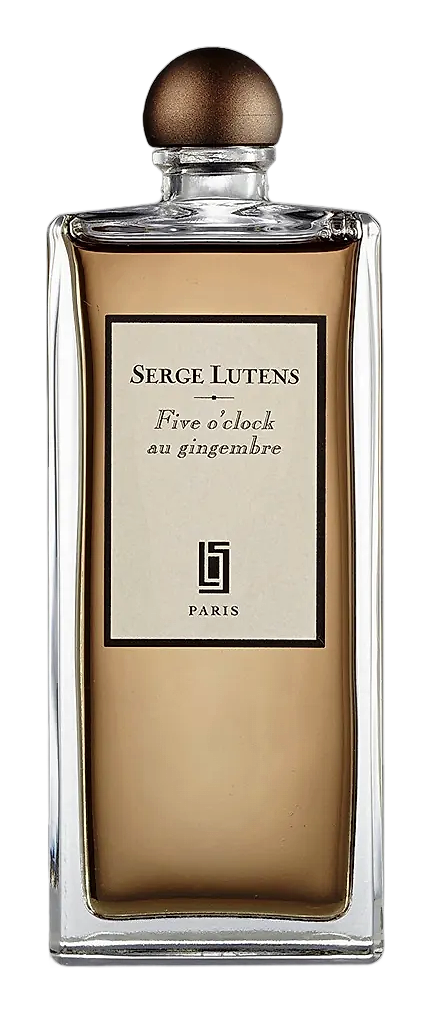
Tea for Two has accumulated a dedicated following over its twenty-plus years, buoyed by its unusual combination of smoky tea, warm spice, and tobacco sweetness. Wearers describe it as the scent of evenings that go long, the kind where the tea has gone lukewarm and no one minds. Compared to peers like Five o'clock au gingembre (Serge Lutens, 2004) and Tobacco Vanille (Tom Ford, 2007), it occupies a more restrained register: present but not loud, warm but not heavy. The 2014 reformulation prompted discussion, some felt the Lapsang Souchong smokiness was reduced in favor of a warmer, sweeter finish, but the fragrance's core character has held. It's the kind of scent people return to after sampling dozens of others.