Lapsang Souchong Tea
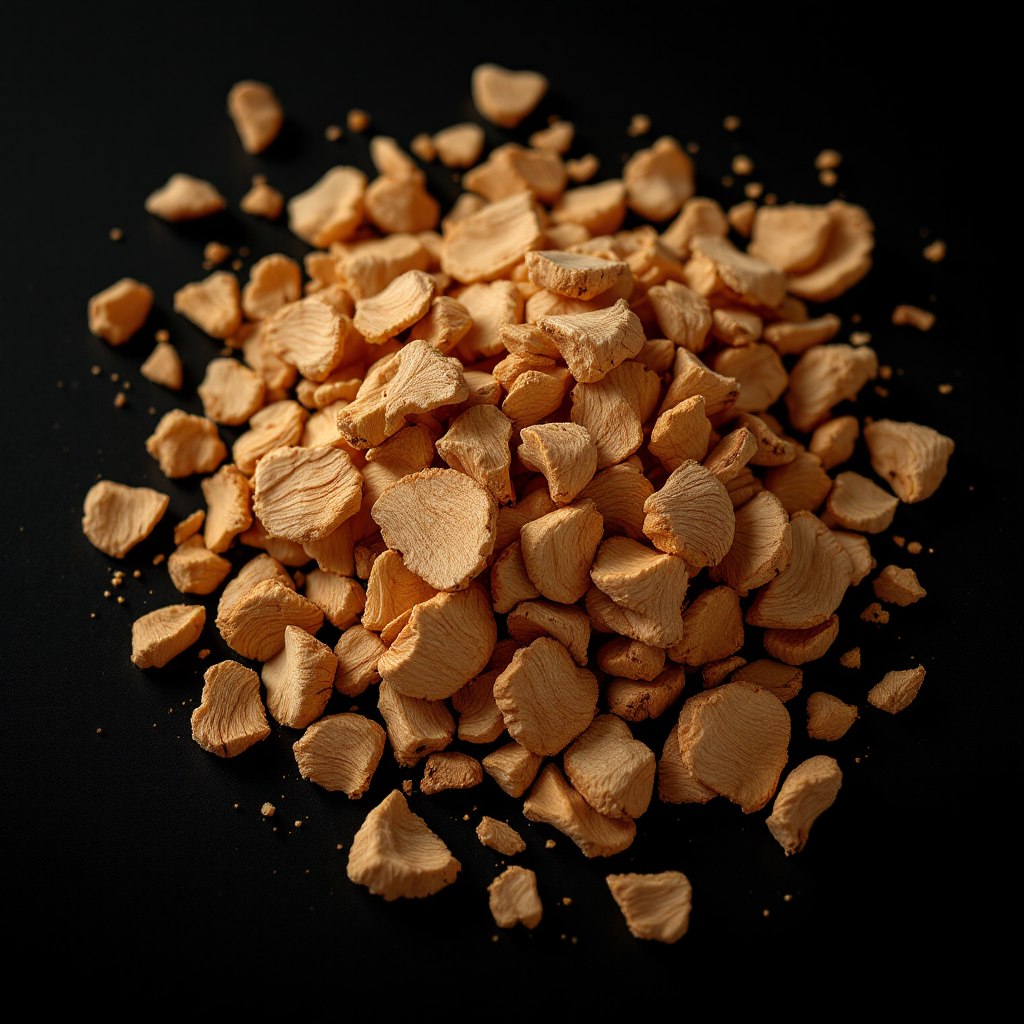
The world's first black tea carries 400 years of pine-smoke tradition from China's misty Wuyi Mountains. Its brooding, smoky depth has become a sought-after note in modern perfumery.
Character
How it smells
First black tea. Four centuries of pine smoke.
The Wuyi Mountains, where this tea originates, hold UNESCO World Heritage status for their exceptional biodiversity.







Origin
China
Lapsang Souchong holds the distinguished title of the world's first black tea, born in China's late Ming Dynasty more than 400 years ago. Legend tells of soldiers who camped inside a tea factory during the 1560s, forcing workers to dry their withering leaves quickly over open fires.
The pine smoke that infused the leaves produced an unexpected, captivating flavor that producers decided to preserve. This happy accident became a technique, tied intimately to the dense Fujian red pine forests surrounding the Wuyi Mountains.
By the 18th century, Lapsang Souchong traveled European trade routes, earning particular popularity in Russia where it became the backbone of the famous Russian Caravan blend. Today, the tea remains a cultural touchstone, its smoky identity inseparable from the landscape that creates it.
Wears it best
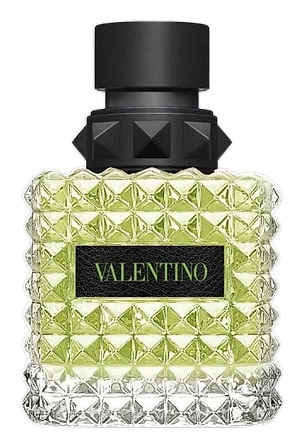
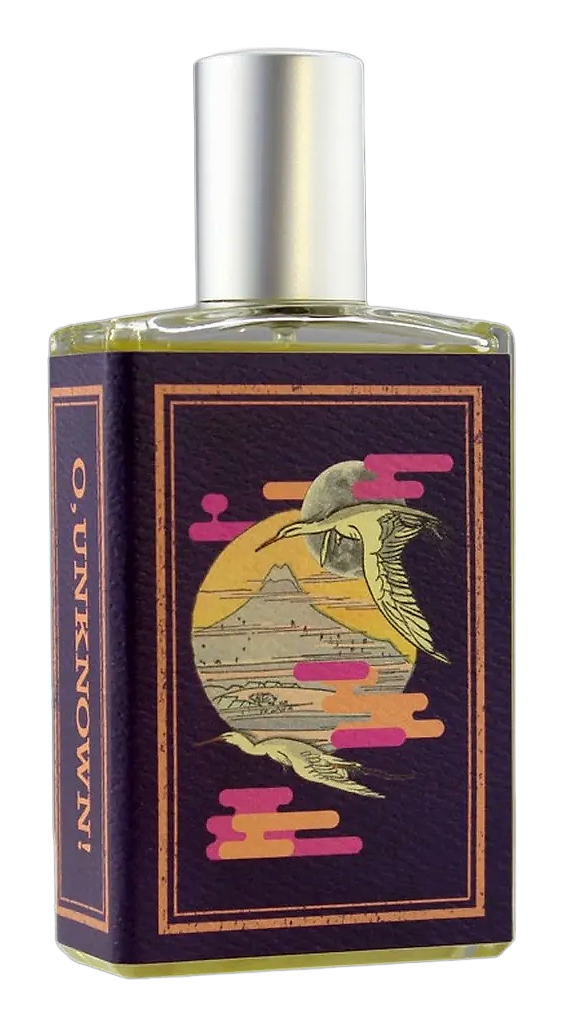
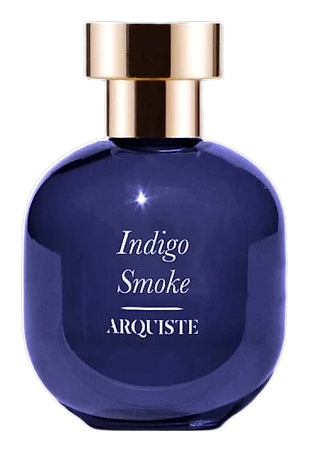
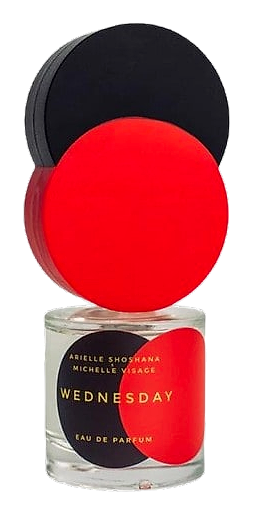
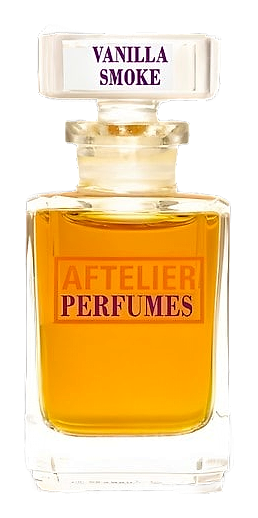
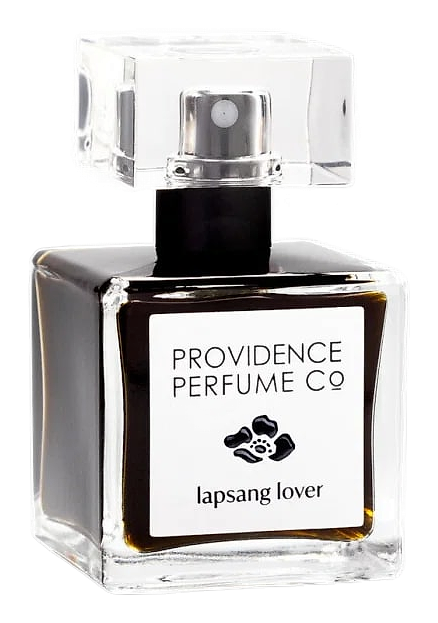
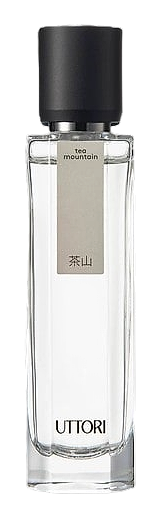
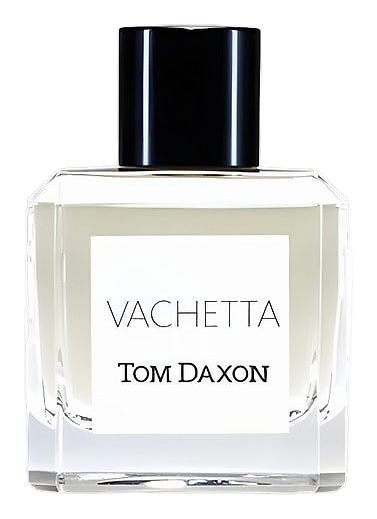
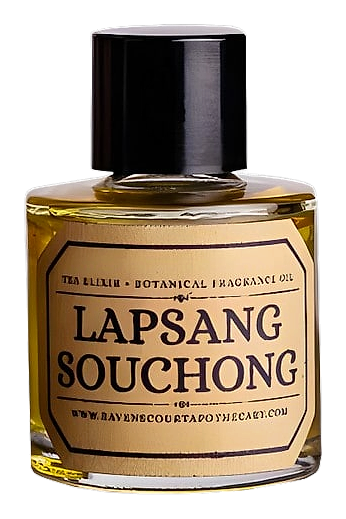
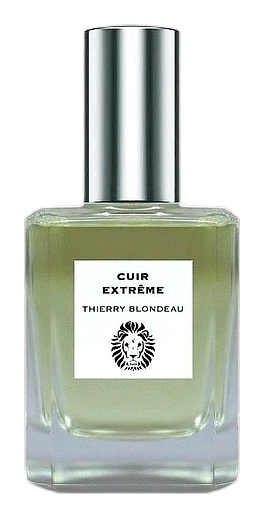
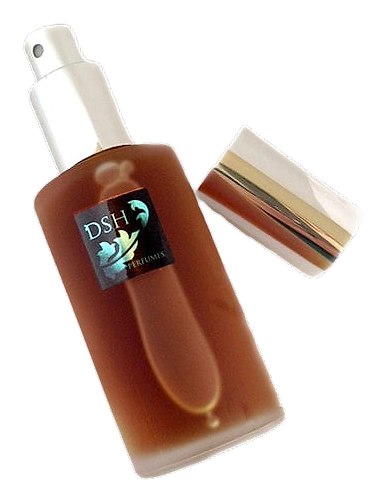
Fragrances featuring Lapsang Souchong Tea

Brands
Brands known for Lapsang Souchong Tea
Good to know
Questions, answered
The essentials on Lapsang Souchong Tea in perfumery: how it smells, where it comes from, and how it behaves on skin.
What makes Lapsang Souchong historically significant?
Lapsang Souchong is the world's first black tea, dating to the 16th century Ming Dynasty. Its creation in the Wuyi Mountains marked a pivotal shift from green to oxidized tea processing that would reshape global tea culture.
Why does Lapsang Souchong taste smoky?
Traditional production smokes the leaves over Chinese red pine fires for hours. This process infuses the leaves with pine resin compounds, creating the distinctive smoky flavor that sets this tea apart from all others.
What aroma compounds define Lapsang Souchong?
Scientific analysis identified longifolene and alpha-terpineol as the most abundant compounds in the aroma. Longifolene contributes resinous, woody notes that form the backbone of the smoky character.
How does Lapsang Souchong differ from regular black tea?
Standard black teas develop their flavor through fermentation. Lapsang Souchong adds a deliberate smoking step over pine wood, creating a distinctive smoky profile that no other tea achieves.
Where does authentic Lapsang Souchong come from?
The original grows in the Wuyi Mountains of Fujian Province, China. Altitude, humidity, and the region's red pine forests combine to create the ideal conditions for this tea's signature character.
How is Lapsang Souchong used in perfumery?
The absolute or CO2 extract appears in masculine and unisex fragrances. Its warm, smoky, slightly sweet profile pairs well with woody, leather, and incense accords.
Is Lapsang Souchong a natural or synthetic fragrance ingredient?
Both exist. Natural extracts deliver authentic smoky depth with complex nuance. Synthetic versions offer consistency and cost efficiency for broader fragrance applications.
Does Lapsang Souchong appear outside perfumery?
Chefs use it in Chinese cuisine for tea-smoked dishes. The tea also defines Russian Caravan blends and appears in some cocktail and dessert preparations.