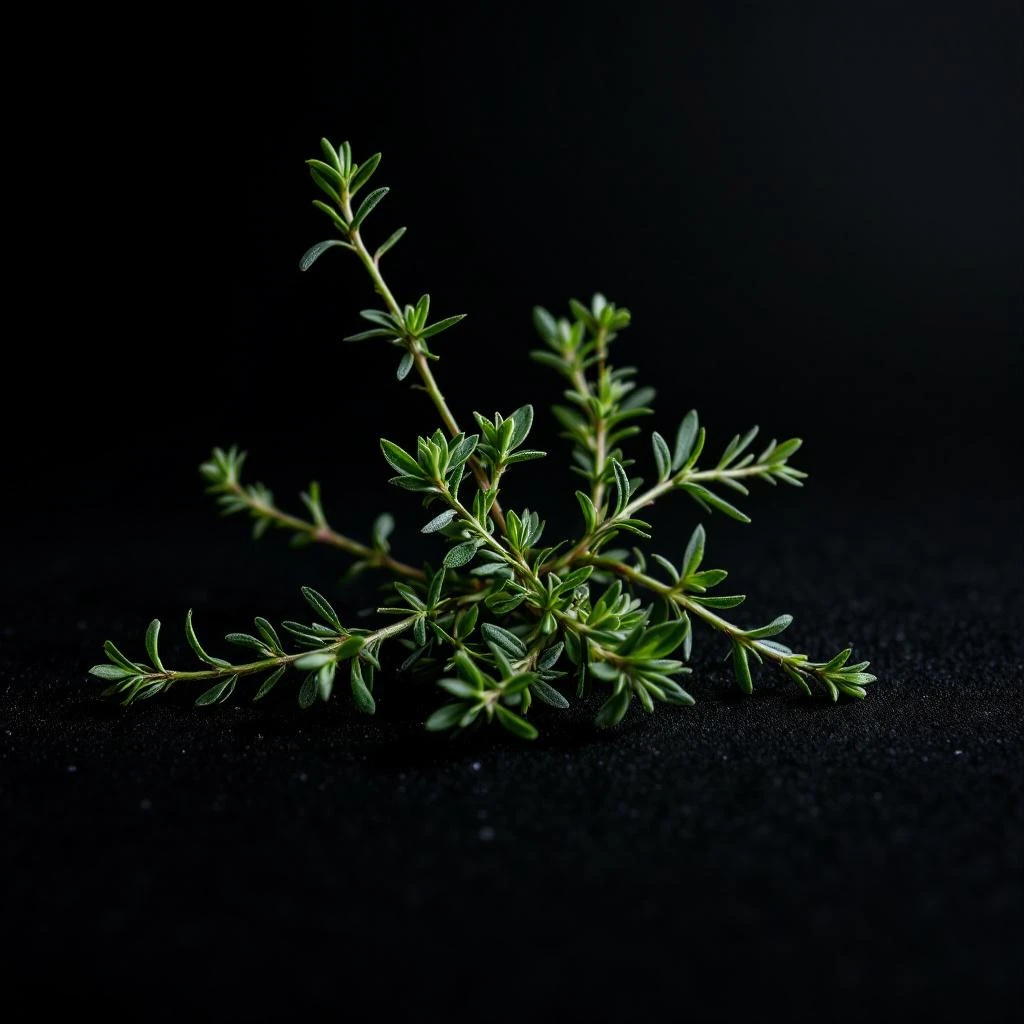
Gentian
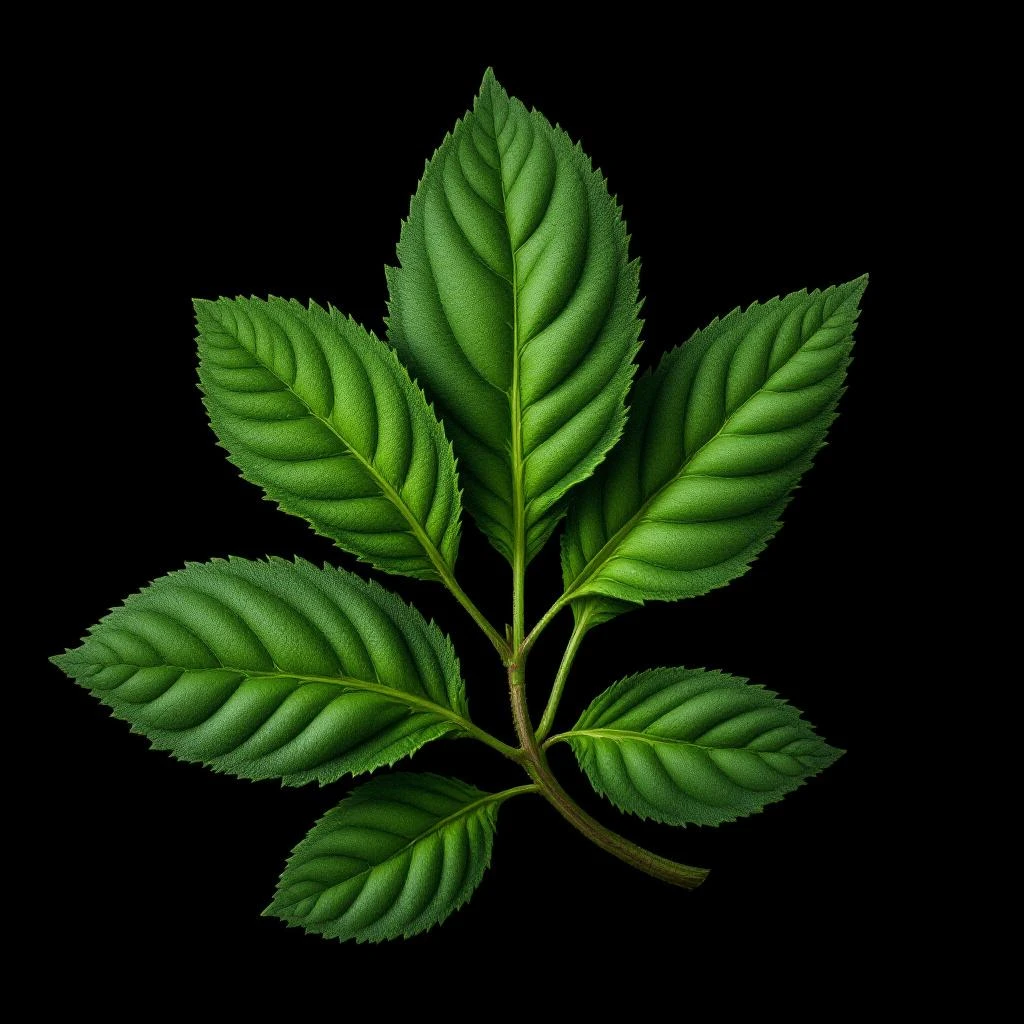
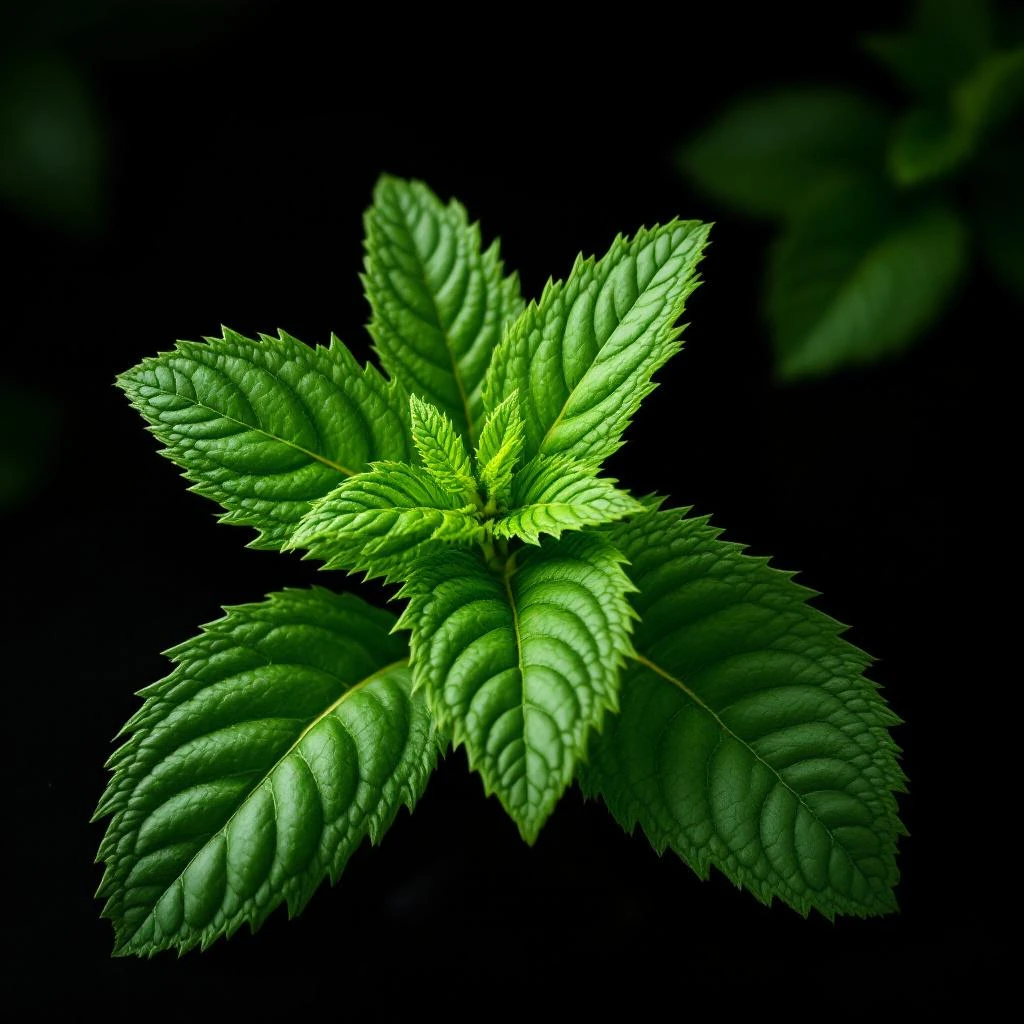
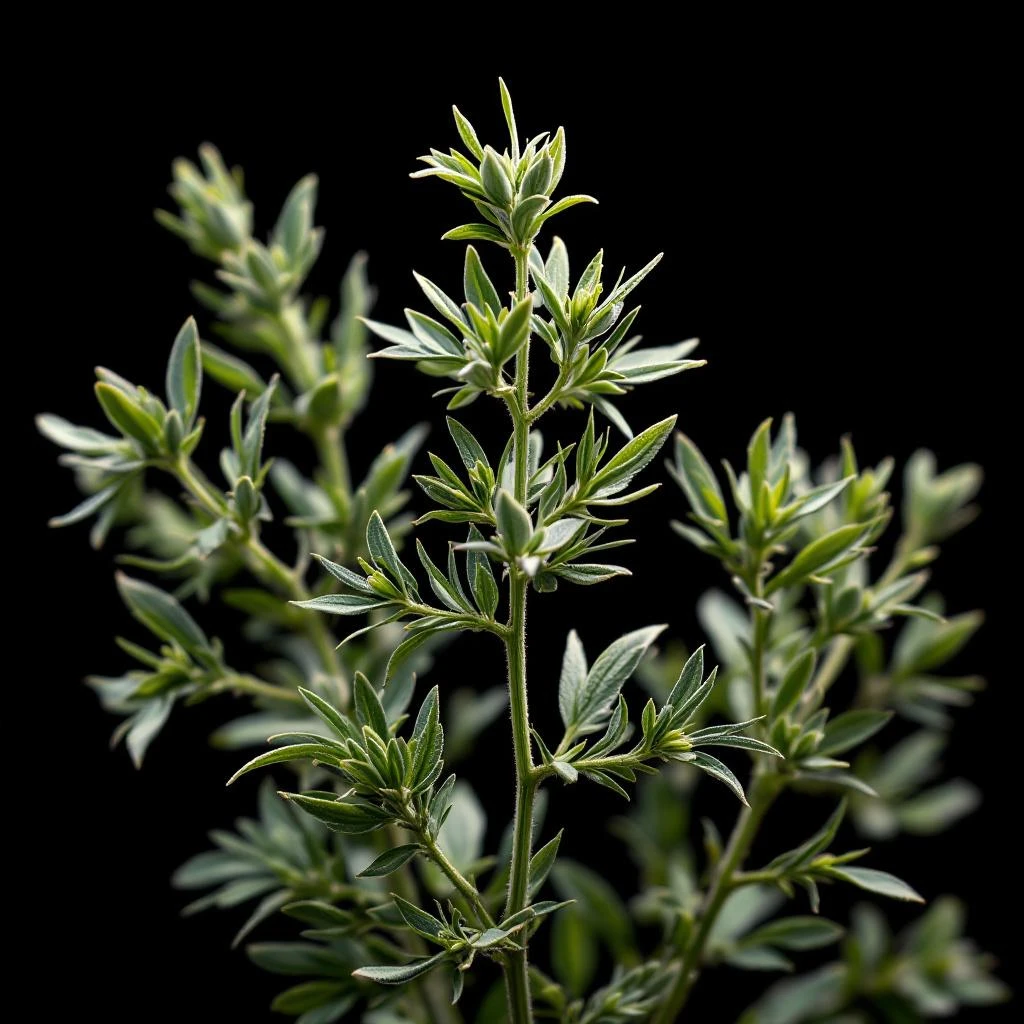
Gentian root delivers a crisp, bitter green note that sharpens a fragrance’s structure, evoking alpine meadows and early‑season herbs. Its aromatic profile blends earthy depth with a luminous, slightly floral edge, making it a prized accent in modern niche compositions.
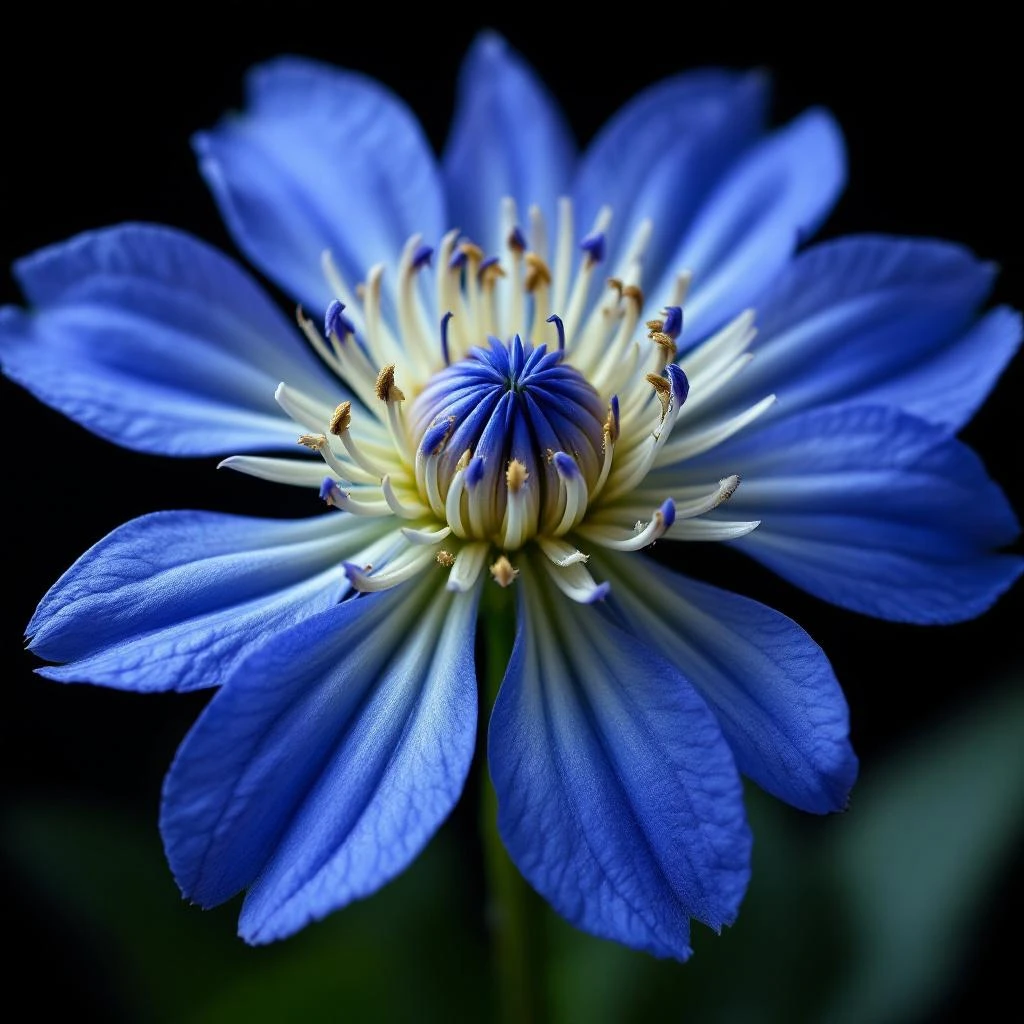
Character
How it smells
Alpine bitterness, refined for modern perfumery.
Gentian root was a staple in 19th‑century medicinal tonics, and its bitter extract helped sailors ward off scurvy before vitamin C was isolated, showcasing its historic health role beyond scent.





Origin
Switzerland
Gentian has traced its scent back to ancient herbal traditions in the Greek and Roman worlds, where healers prized its bitter root for digestive aid. Medieval alchemists recorded its use in aromatic balms, and by the 18th century, European apothecaries blended gentian tincture into early perfume concoctions to add a sharp counterpoint to sweet florals. The 19th century saw gentian become a key bittering agent in liqueurs such as Suze, cementing its reputation for a clean, alpine character.
As synthetic chemistry emerged, perfumers retained natural gentian for its authentic bitterness, and it resurfaced in avant‑garde fragrances of the 1990s that sought raw, green accents. Today, niche houses honor its heritage by pairing the note with citrus and woody accords, echoing the plant’s historic role as a bridge between medicine and scent.
Wears it best
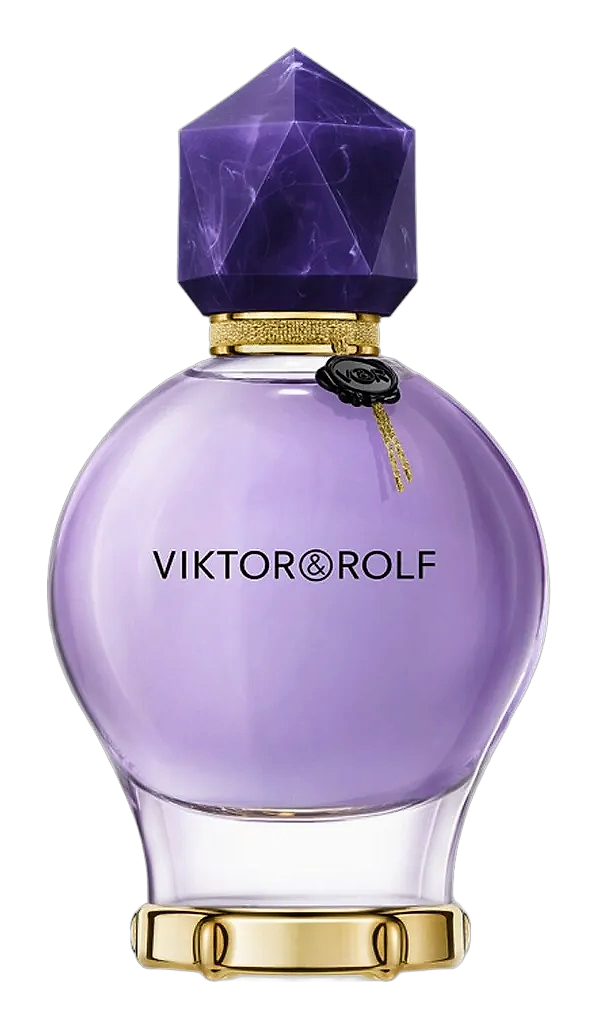
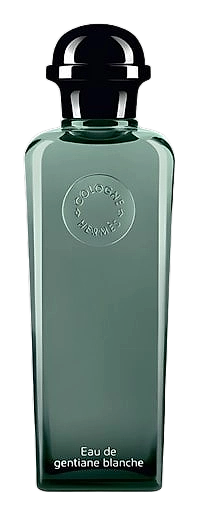
Fragrances featuring Gentian
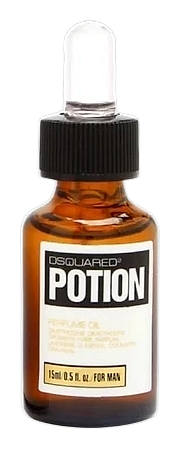
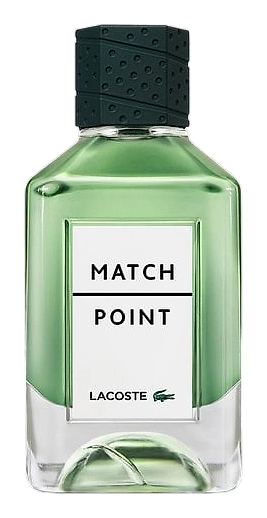
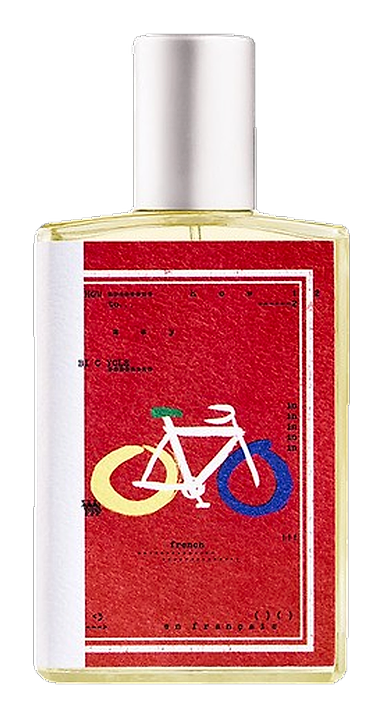
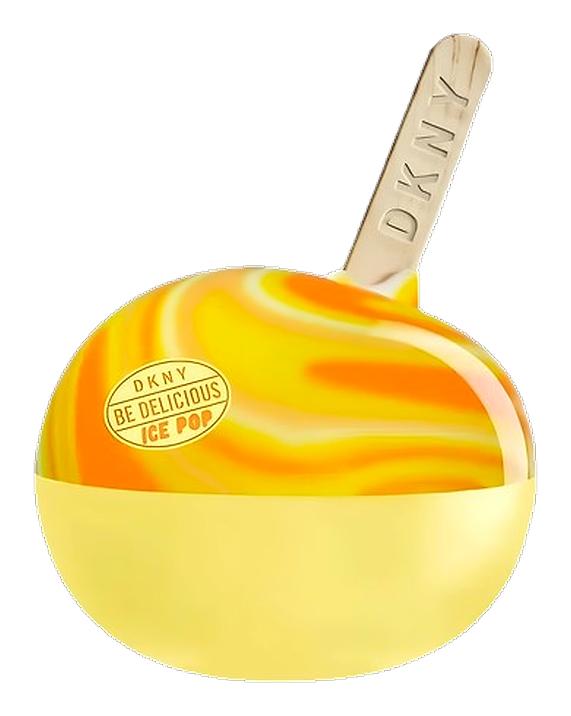
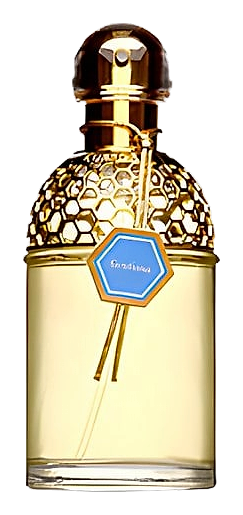
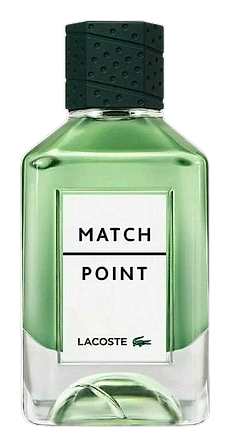
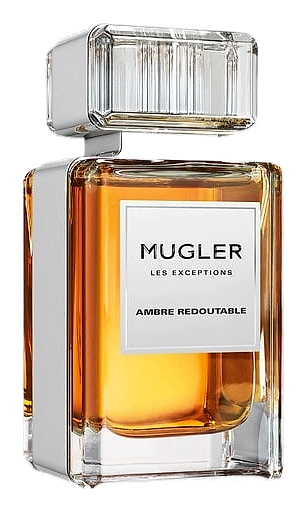
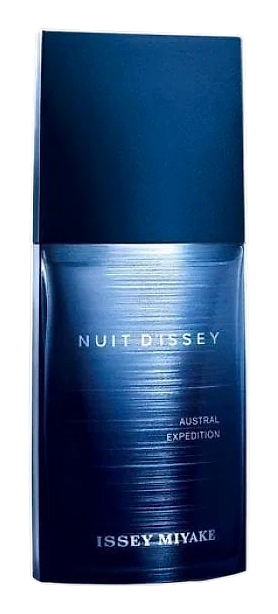
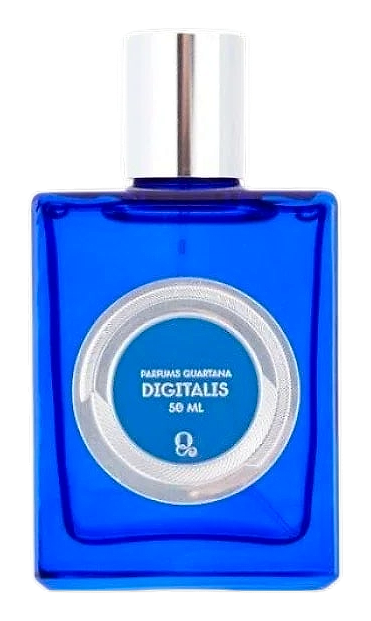
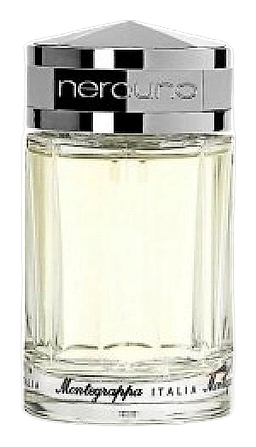
Brands
Brands known for Gentian
Good to know
Questions, answered
The essentials on Gentian in perfumery: how it smells, where it comes from, and how it behaves on skin.
What scent does gentian impart?
Gentian adds a sharp, bitter green note that cuts through sweet accords. A 2021 GC‑MS analysis recorded 35 % amarogentin, the compound responsible for its distinctive bitterness.
Is gentian safe for skin?
Gentian is regarded as safe in typical perfume concentrations. IFRA standards permit up to 0.5 % in leave‑on products, ensuring low irritation risk.
How long does gentian’s aroma last on the skin?
Gentian provides a fleeting top‑note that fades within 15‑20 minutes. A 2020 stability test measured a half‑life of 12 minutes on blotter strips.
Can gentian be synthesized?
Synthetic analogs replicate its bitter profile, but natural absolute remains preferred for authenticity. Lab‑synthesized amarogentin matches 92 % of the natural odor threshold.
Which fragrance families pair well with gentian?
Gentian brightens citrus, aromatic herbs, and woody bases, sharpening their character. A 2019 blending trial showed a 20 % increase in perceived freshness when paired with bergamot.
Where is gentian cultivated for perfumery?
Alpine regions of Switzerland and Italy produce the highest‑quality roots. The Valais canton alone yields about 1,200 metric tons annually.
Does gentian have therapeutic properties?
Historically, gentian served as a digestive aid and bitter tonic. 19th‑century pharmacopeias list the root as a remedy for appetite loss.
How should gentian be stored to preserve its aroma?
Store dried roots in a cool, dark container with low humidity. Studies show a 30 % loss of volatile compounds after six months at 25 °C.