Balsamic Notes
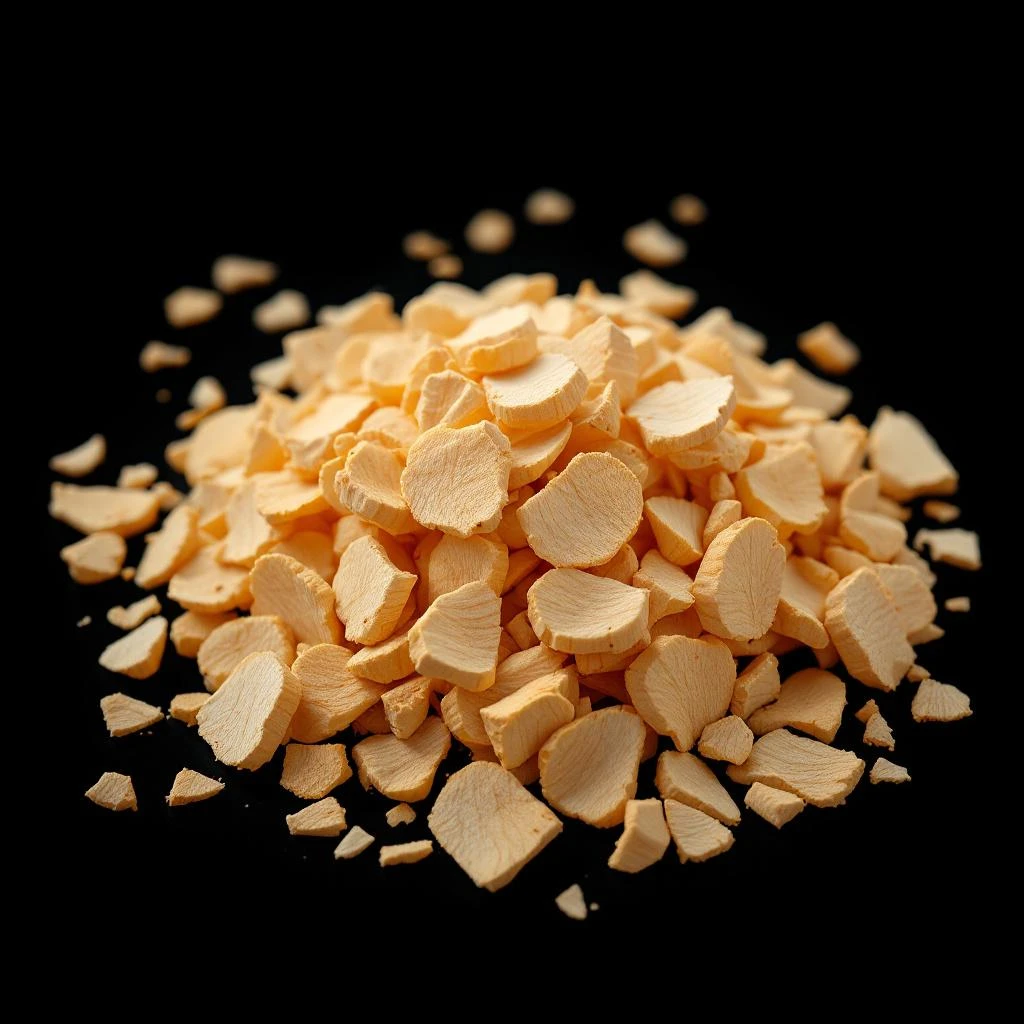
Balsamic notes capture the healing essence of wounded trees — warm, sweet, and resinous exudates that perfumers have prized since antiquity. Think benzoin's chocolate-vanilla warmth, Peru balsam's dark burnt-sugar depth, and the incense-laden quiet of ancient temples. These base-note anchors transform fragrance from transient scent into lasting memory.
Character
How it smells
The healing tears of ancient trees, captured in scent.
Peru balsam has nothing to do with Peru. European traders named it at Peruvian ports, but the trees grow exclusively in El Salvador and Honduras.








Origin
Thailand
The word 'balsam' descends from the Latin balsamum, meaning fragrant balm — materials so prized in antiquity that Egyptian pharaohs stockpiled myrrh and frankincense for funerary rites. By 1500 BCE, Benzoin and similar resins had become central to sacred unguents and temple offerings. Global trade routes between the 16th and 19th centuries introduced Peru and Tolu balsam to European perfumers, dramatically expanding the aromatic palette.
These materials shaped the Oriental fragrance family and remain indispensable fixatives in modern fine perfumery. Tolu balsam, tapped from Myroxylon trees in Colombia, became especially prized in 19th-century European perfumery for its warm, cinnamic sweetness.
Wears it best
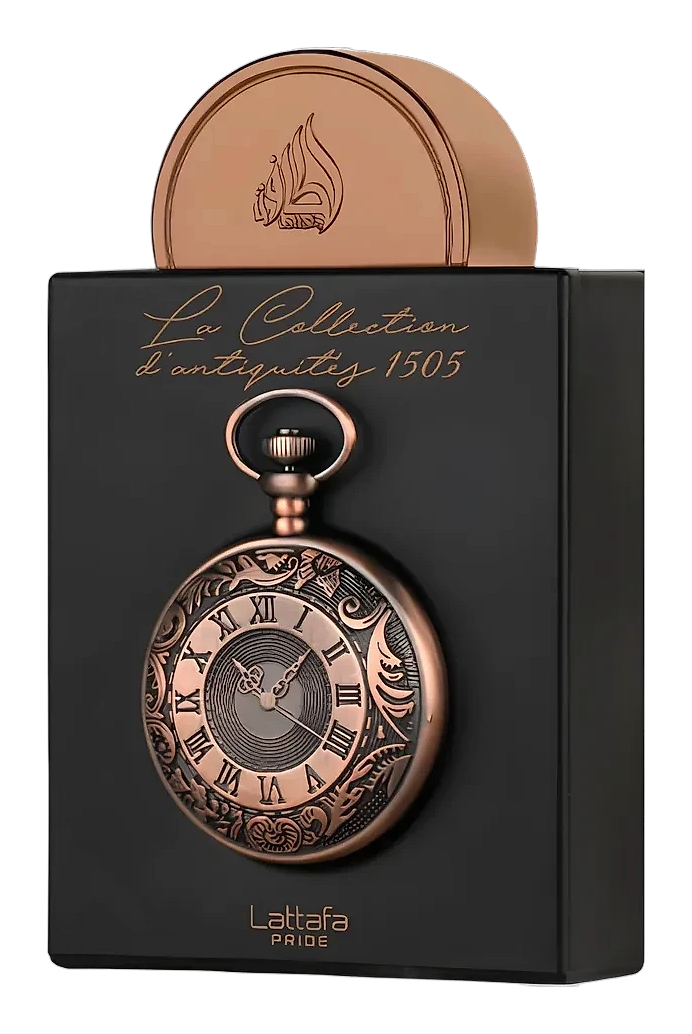
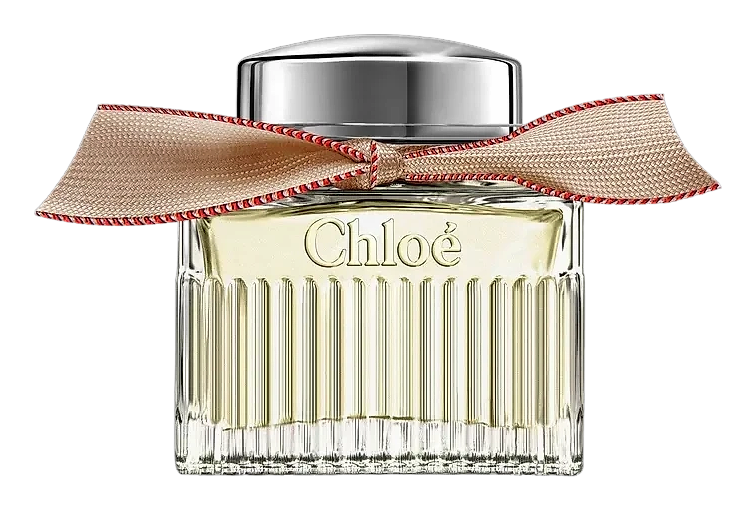
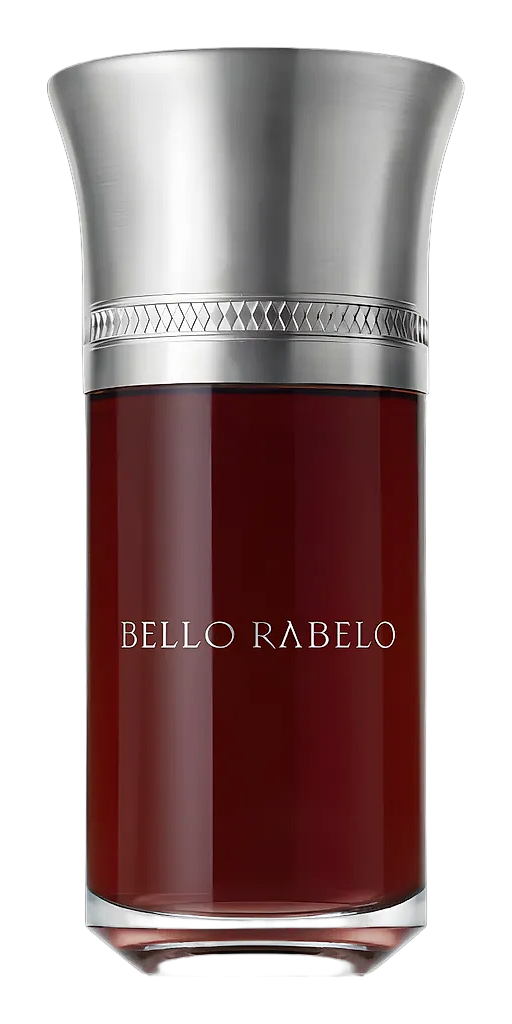
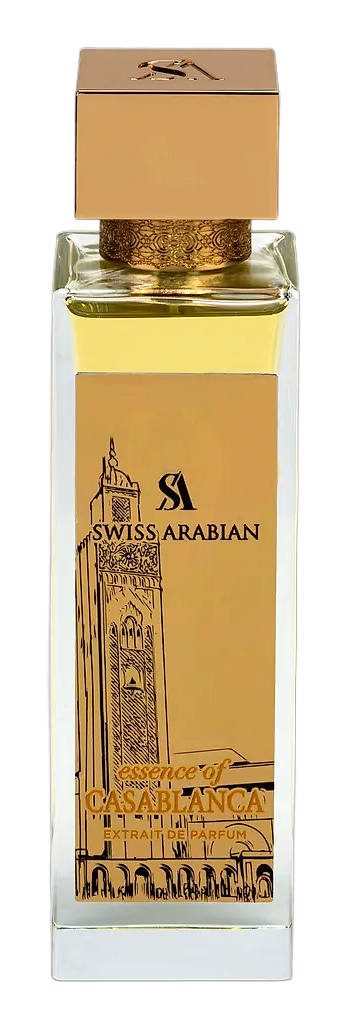
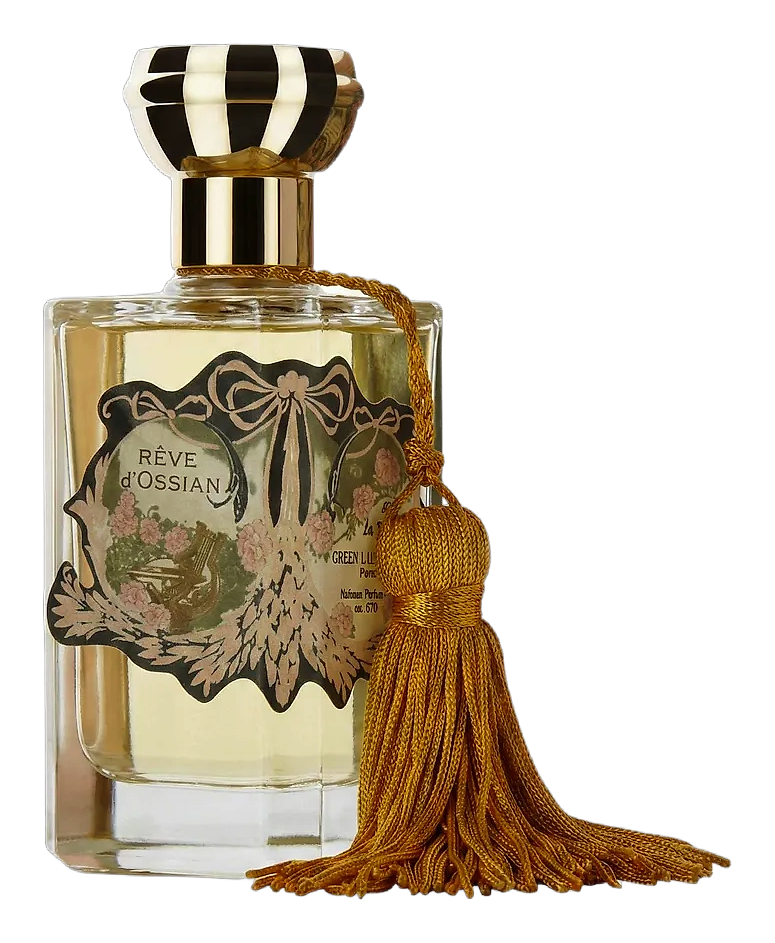
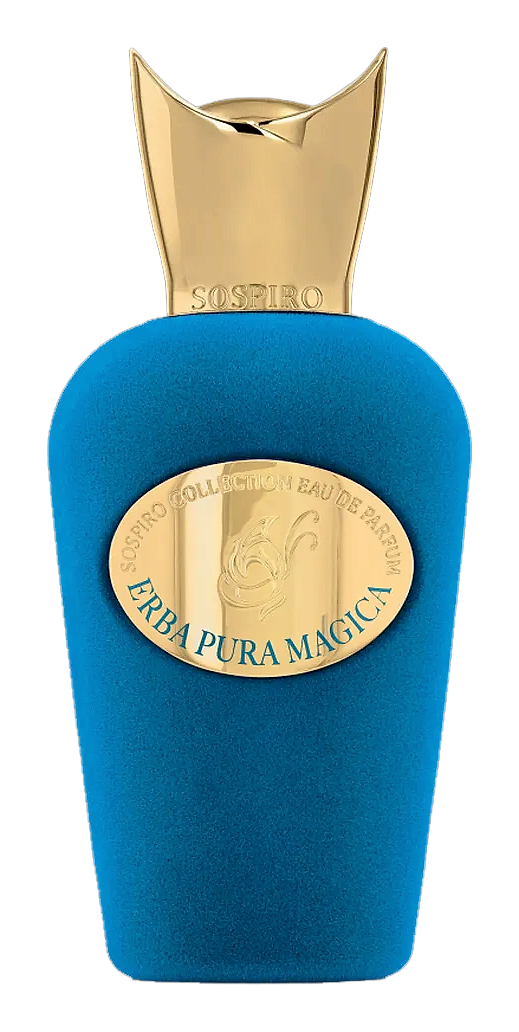
Fragrances featuring Balsamic Notes

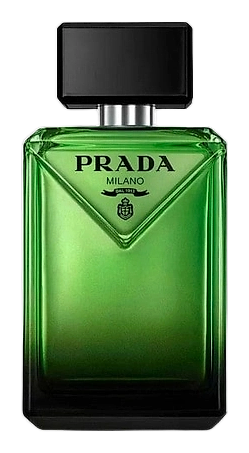

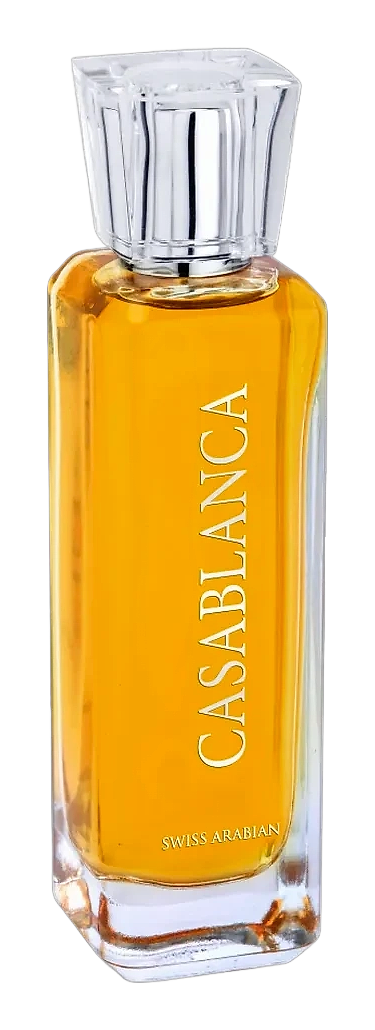
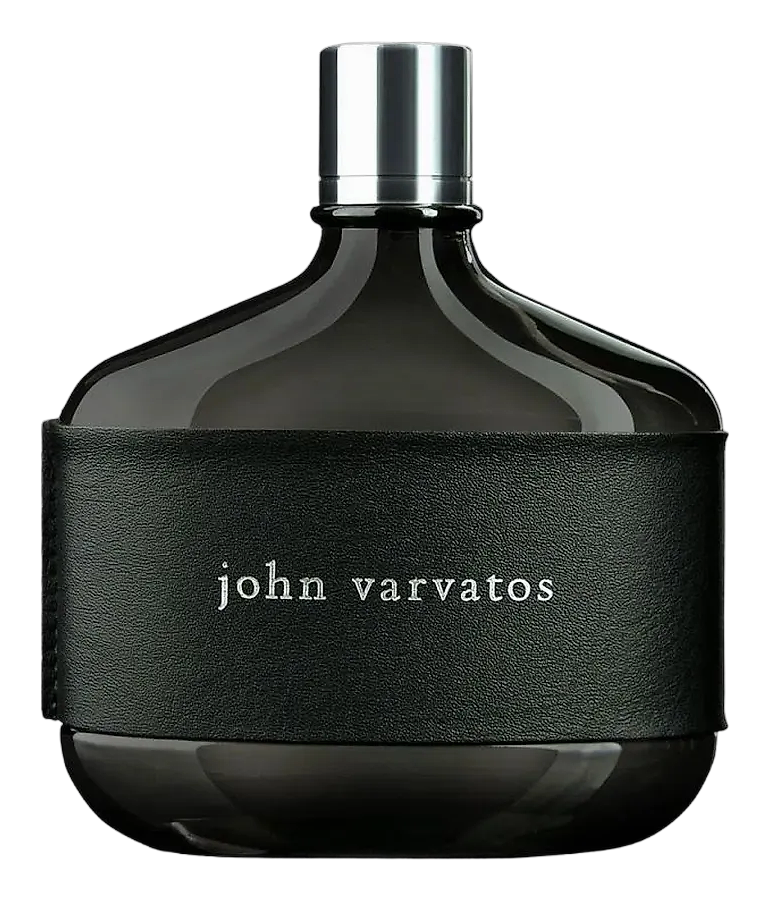
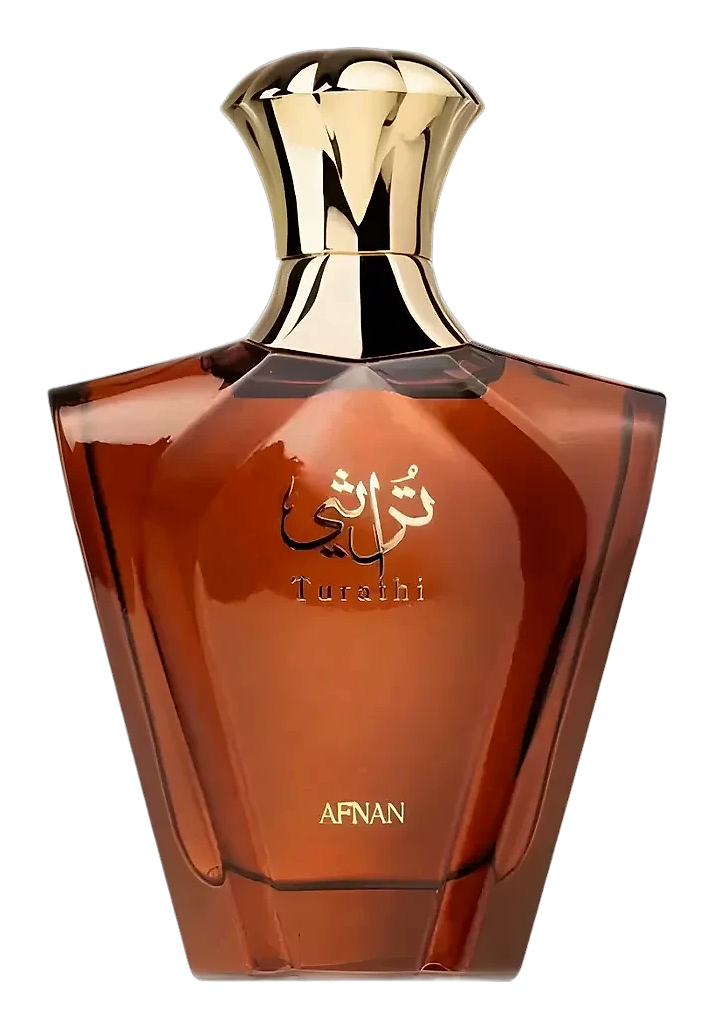
Brands
Brands known for Balsamic Notes
Good to know
Questions, answered
The essentials on Balsamic Notes in perfumery: how it smells, where it comes from, and how it behaves on skin.
What makes balsamic notes different from other fragrance families?
Balsamic notes combine warmth, sweetness, and resinous depth in a way distinct from florals or citruses. They contain natural vanillin and cinnamic compounds that create a warm, almost edible quality. Unlike pure vanillin, balsams retain a medicinal, syrupy edge that adds complexity.
Which ingredients produce balsamic notes?
The primary balsamic materials are benzoin, Peru balsam, Tolu balsam, styrax, myrrh, and olibanum. Each contributes a slightly different facet — benzoin leans vanillic and warm, Peru balsam adds dark smoky sweetness, while myrrh brings bitter-spicy resin with incense undertones.
Why are balsamic notes used as fixatives?
Balsams contain compounds like benzoic and cinnamic acid that slow evaporation of more volatile top notes. This extending fragrance longevity by several hours, allowing heart and top notes to unfold gradually rather than dissipating within minutes.
What fragrance families commonly use balsamic notes?
Oriental fragrances depend most heavily on balsamic notes — they create the warm, enveloping base characteristic of classics like Shalimar and Opium. Woody and amber compositions also rely on balsamic fixatives to achieve their characteristic depth and staying power.
How do balsamic notes age during wear?
Balsamic notes are base notes, meaning they emerge 30 minutes to several hours after application. The scent evolves slowly, deepening from initial warm sweetness into richer resinous territory, often developing more medicinal, syrup-like facets as the fragrance dries down.
Can balsamic notes trigger allergic reactions?
Peru balsam ranks among the most reported fragrance allergens under EU regulations, alongside cinnamic alcohol and benzyl benzoate. Sensitive individuals should test fragrances containing these materials before full application. Most materials remain safe when properly diluted in finished products.
Are balsamic notes natural or synthetic?
Both exist. Natural balsamic materials come from tree resins harvested globally — benzoin from Southeast Asia, myrrh from the Horn of Africa. Synthetic alternatives like benzyl salicylate can mimic certain warm, balsamic qualities, though complete replication of natural resin complexity remains challenging.
What gives balsamic notes their characteristic sweetness?
Vanillin, present naturally in benzoin and Peru balsam, creates the vanilla-adjacent sweetness. Cinnamic acid adds warm, spicy depth, while benzoic acid contributes the subtle medicinal or syrup-like quality that distinguishes true balsams from单纯 vanilla materials.