
The Story
Why it exists.
The beginning
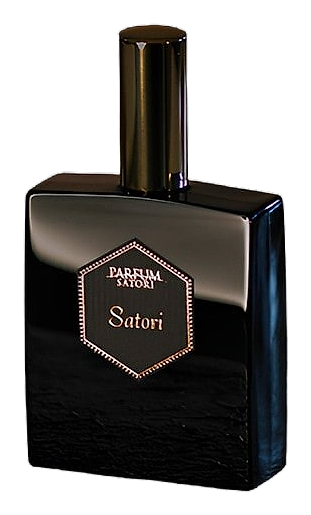
Satori takes its name from the Japanese concept of satori, a moment of sudden enlightenment, the flash of clarity that arrives unbidden. Ōsawa Satori named this 2006 fragrance for that instant. Not the wisdom that accumulates. The instant itself. The fragrance is built around that idea: the opening arrives quickly, the heart develops with intention, and the drydown is where everything settles into place. This is the self-titled work that gave the house its identity. A Japanese perfumer working from Tokyo, creating fragrances that translate cultural memory into something wearable. Satori is the proof of concept, proof that a fragrance can be both specific and still.
The note structure is unusual for its era. Warm spices and cacao in the heart are common enough, but the base layers kyara-quality agarwood beneath sandalwood and oakmoss, creating a drydown that rewards patience rather than announcing itself. The oud doesn't arrive at the opening. It arrives at the end, after the warm spices have done their work. That's the architectural decision: build anticipation, then deliver the thing worth waiting for. The combination of coriander in the top with clove and cinnamon in the heart creates a green, slightly bitter counterpoint to the gourmand sweetness. It's the difference between smelling like chocolate and smelling like someone who eats chocolate.
The evolution
The opening arrives crisp and intentional. Bergamot and coriander sit together, bright, clean, with a green edge that keeps the citrus from being obvious. There's a clarity here that feels almost medicinal, a sharp green quality that lifts the composition and prevents it from settling into something too familiar. Then the spices arrive. Cinnamon first, then clove. The vanilla and cacao pod sweeten the transition without overwhelming it. They work as gentle mediators, rounding the sharper spice notes while introducing a subtle warmth that feels edible without being cloying. This becomes a warm, slightly edible heart that doesn't announce itself, it breathes quietly beneath the citrus and spice, present but never dominant. The oud arrives last. Not at the opening, that's the architectural decision worth understanding.
Cultural impact
Since its 2006 launch, Satori has occupied a distinctive position in the niche fragrance landscape. The composition is built around warm oud, but it approaches the material differently than most. Rather than leaning into the animalic richness that defines so many oriental fragrances, it steps back. The result is something quieter, more contemplative. There's refinement here, a sense that every element has been considered not for impact but for balance. This is the fragrance for someone who finds beauty in impermanence and incompleteness. It doesn't announce itself or demand attention.