Cacao Pod
Beyond the familiar warmth of chocolate lies the cacao pod itself: a textured, leathery husk encasing a sweet white pulp and bitter beans that have anchored civilizations, currencies, and couture fragrances for centuries.

Character
How it smells
The bitter fruit behind humanity's most beloved indulgence.
The Aztecs used cacao beans as currency, and the tree bears the botanical name Theobroma cacao, meaning "food of the gods."









Origin
Mexico
Cacao cultivation began in Mesoamerica with the Olmec civilization around 1500 BCE, long before the Aztecs elevated it to sacred status. The Aztecs reserved chocolate beverages for nobility and warriors, brewing a bitter, often spiced preparation called xocolatl, a term that persists in the word chocolate today. The cacao tree carries the botanical name Theobroma cacao, translating to "food of the gods" in Latin, reflecting its spiritual importance.
When Spanish conquistadors encountered cacao in the sixteenth century, they exported it to Europe, where sweetened versions eventually made it a luxury commodity. French perfumers began experimenting with cocoa absolute in the nineteenth century, discovering its warm, complex qualities translated beautifully from confectionery to fragrance, particularly in oriental and gourmand compositions where it functions as a base note with surprising versatility beyond its culinary associations.
Wears it best
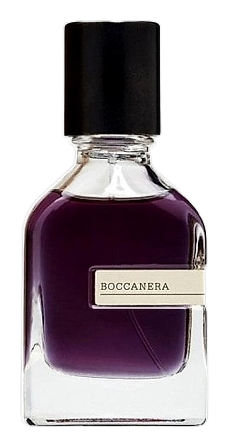
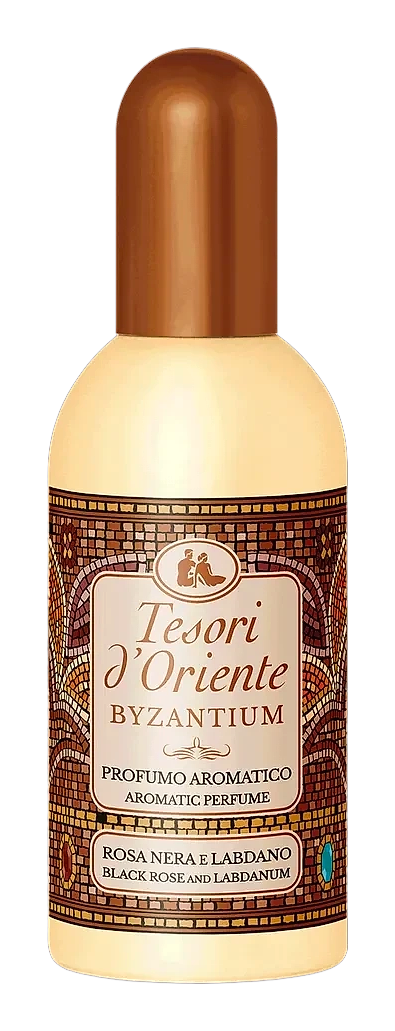
Fragrances featuring Cacao Pod




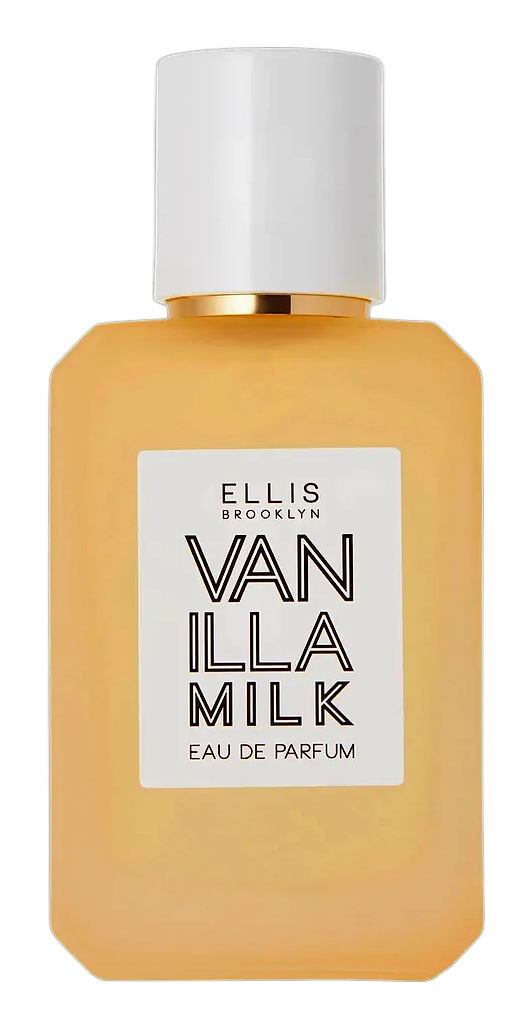


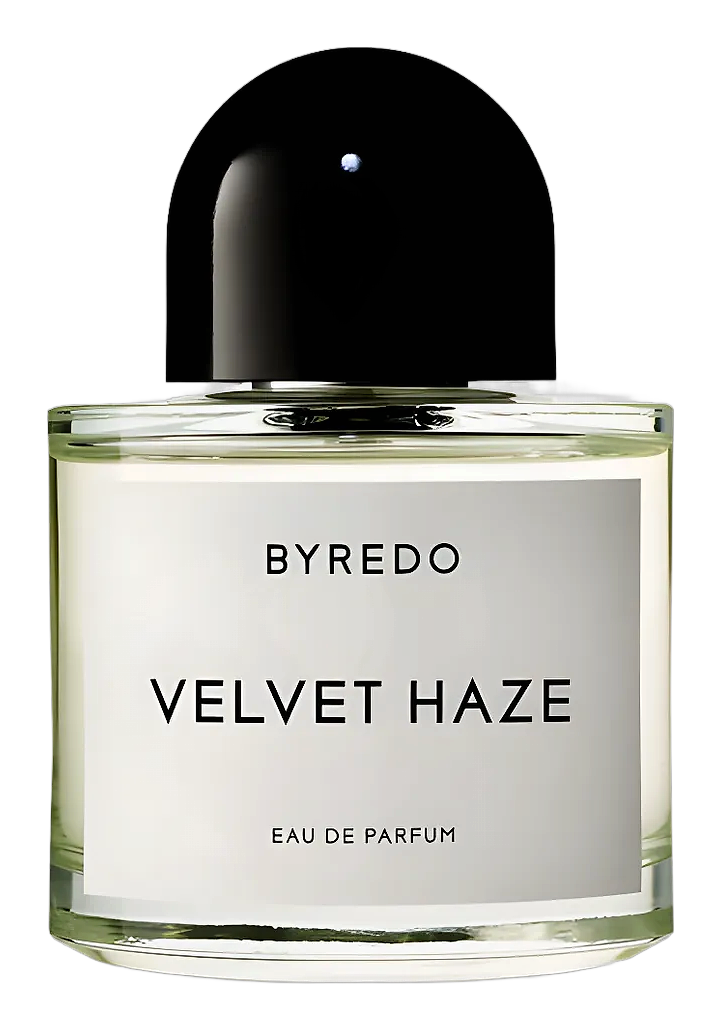

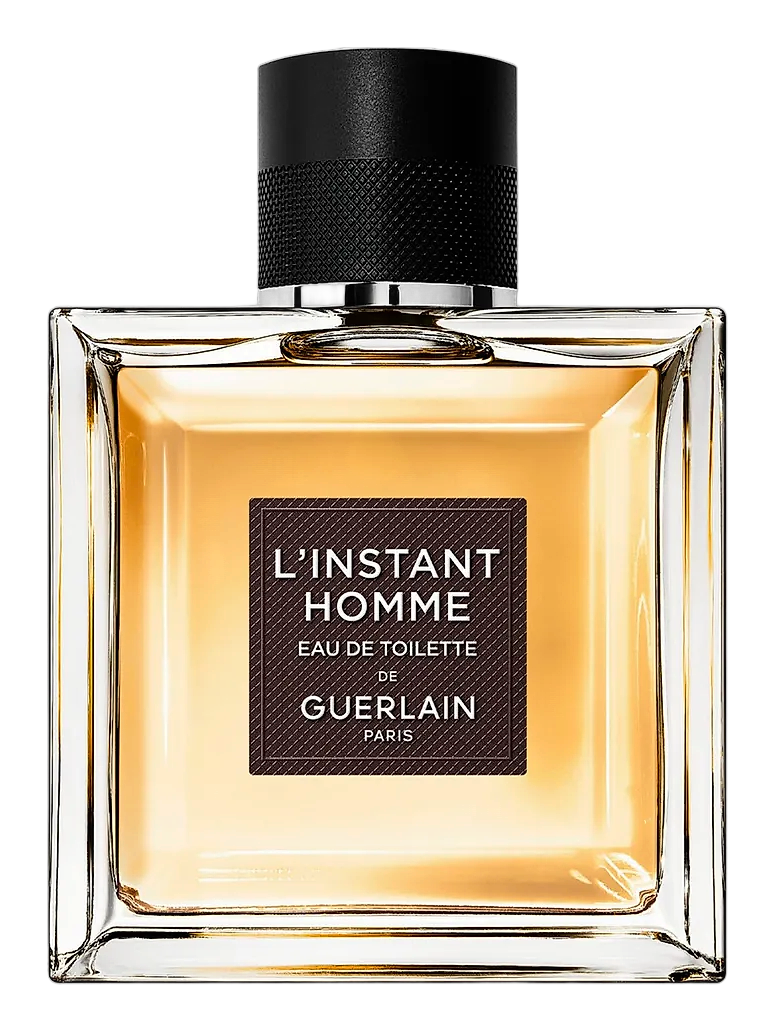
Brands
Brands known for Cacao Pod
Good to know
Questions, answered
The essentials on Cacao Pod in perfumery: how it smells, where it comes from, and how it behaves on skin.
What does cacao pod smell like in perfume?
Cacao pod absolute carries a deep, dark, slightly bitter aroma distinct from sweet chocolate. It combines warm, roasted, creamy facets with subtle fermented and green notes from the pod husk and pulp, adding dimensionality that straight cocoa often lacks.
How does cacao pod differ from cocoa absolute?
Cocoa absolute comes from the roasted beans inside the pod, while cacao pod CO2 extract captures the leathery husk and surrounding white pulp. The pod extract is rarer and adds greener, fresher, more complex undertones, whereas cocoa absolute provides the classic warm chocolate character.
What notes pair well with cacao pod in fragrance?
Perfumers commonly pair cacao pod with vanilla, tonka bean, amber, sandalwood, and warm spices like cinnamon and cardamom. It also bridges floral and oriental compositions when combined with orange blossom or jasmine.
Why does cacao feature so prominently in perfumery?
French perfumers began working with cocoa absolute in the nineteenth century, and its warm, comforting character made it a natural fit for oriental and gourmand fragrances. The ingredient bridges the edible and the abstract, offering depth without literal sweetness.
Where does the cacao in fragrances originate?
West Africa produces roughly two-thirds of the world's cocoa, with Ghana and Ivory Coast as the dominant suppliers. The pods and beans sourced from these regions form the raw material for most commercial cocoa fragrance ingredients.
Is cacao used in both men's and women's fragrances?
Yes. Cacao and cocoa absolute appear across gender categories, from unisex orientals like Ambre Nuit to warm, resinous women's compositions. The ingredient adapts through concentration: subtle in top notes,深化 in dry-downs.
What extraction methods are used for cacao pod?
Supercritical CO2 extraction of fresh or fermented pod husks yields the rarest cacao pod material. More widely available cocoa absolute comes from solvent extraction of roasted or unroasted beans using food-grade solvents like hexane or ethanol.
What is the Theobroma cacao tree?
Theobroma cacao is the scientific name for the cacao tree, Latin for "food of the gods." Native to Mesoamerica and the Amazon basin, it produces football-shaped pods containing 30 to 40 beans surrounded by sweet white pulp.