The Story
Why it exists.
The beginning
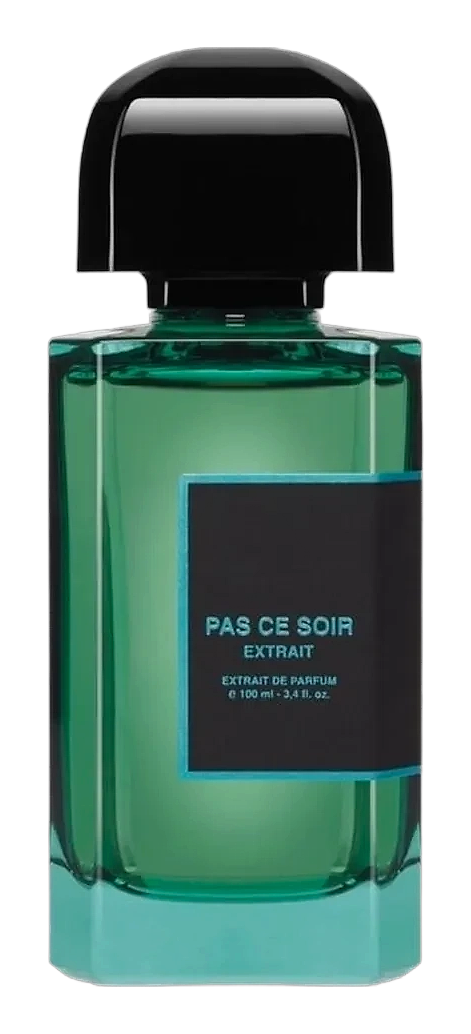
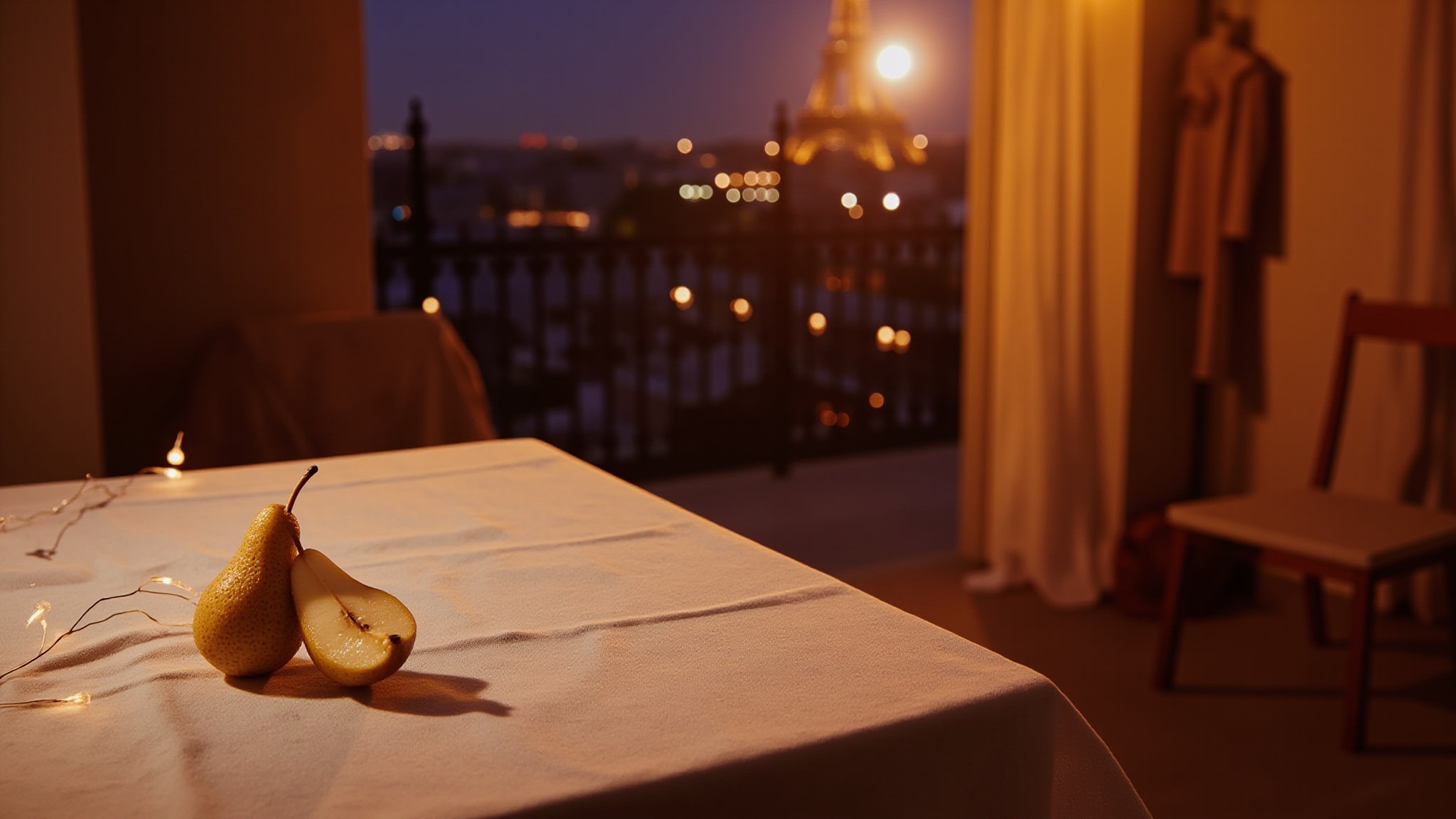
BDK Parfums was founded in Paris in 2016 by David Benedek, whose family has roots in Parisian perfumery dating back to the 1950s. The house approaches each fragrance as a character in an olfactory library, and Pas Ce Soir represents one of its more complex protagonists. Perfumer Violaine Collas built this composition around a specific question: what does a night in Paris actually smell like? Not the postcard version, but the one with uncertain endings and conversations that shift between languages mid-sentence. The Extrait concentration, released in 2023, deepens the original expression with richer benzoin and vanilla in the drydown, and slightly more presence from the cocoa in the opening.
Collas structured the notes to mirror the experience of a conversation that starts in one register and ends in another. The opening notes of ginger and black pepper represent the initial guardedness, while the orange blossom and peach heart embody the softening that happens when someone decides to stay. The drydown, with its patchouli and cashmeran, represents the residue of that intimacy: warm, slightly messy, and impossible to fully capture. Each layer serves a purpose, and no single note dominates. The cocoa in the opening, subtle but present, acts as a reminder that even bright nights have shadows.
The evolution
The fragrance begins as a series of contrasts. Pear and mandarin orange arrive bright and immediate, but within seconds, black pepper and ginger announce themselves with intention. This initial tension is deliberate: Collas wanted the opening to feel like the moment before something happens. The transition to the heart happens gradually over the first twenty minutes, as the spice softens and orange blossom emerges. Peach and quince then join, adding a soft, ripe sweetness that feels more vulnerable than the opening. By the time patchouli arrives in the drydown, the fragrance has completed its emotional arc from alertness to intimacy. Vanilla and benzoin linger for hours, but the ambroxan keeps the base from becoming heavy, maintaining a sense of airiness that recalls the night sky above the city.
Cultural impact
Pas Ce Soir Extrait generates strong, lingering sillage that announces presence before the wearer enters a room. The projection is notable, it doesn't retreat. Some find the sweetness overwhelming in heat. Others find it addictive. The opening can read as sharp or medicinal on certain skin types. The patchouli-benzoin combination in the drydown brings intentional darkness that divides opinion but defines character.