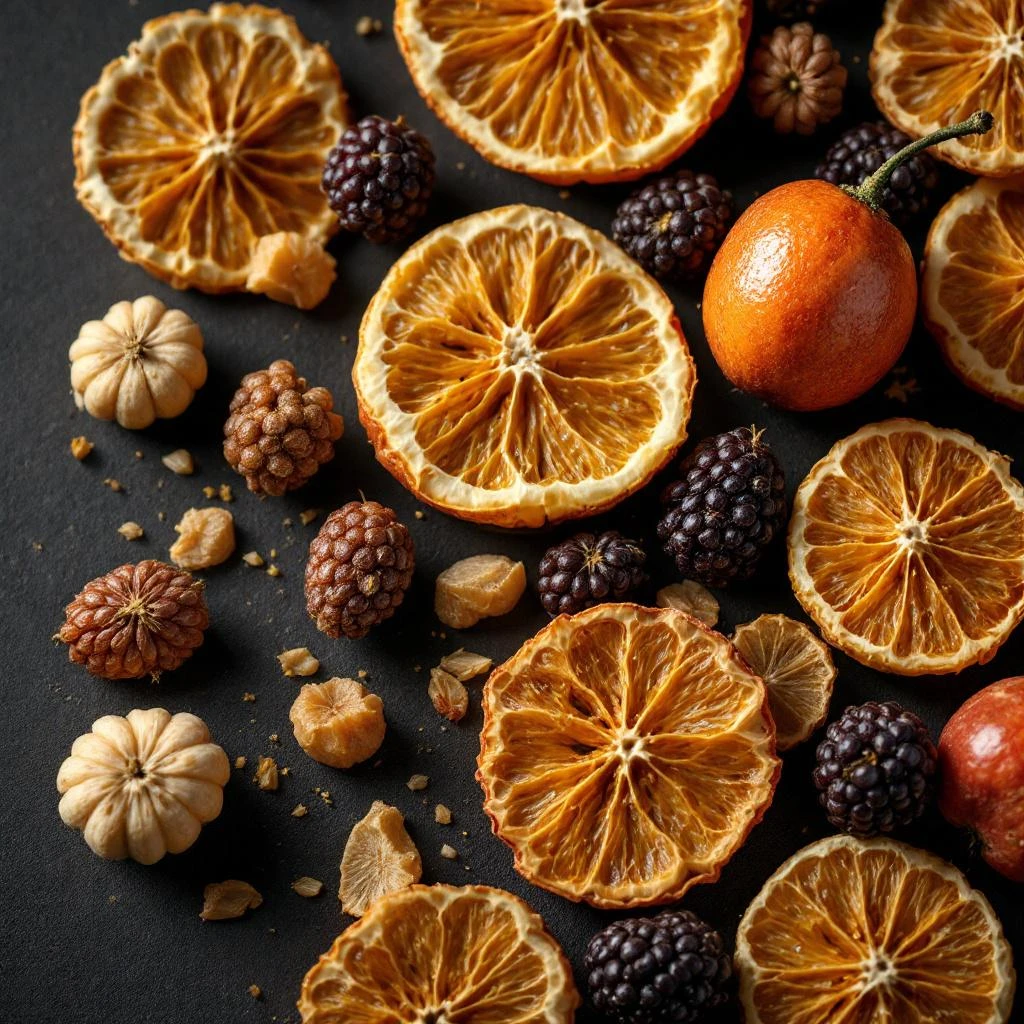
Quince
Quince bridges the gap between pear and apple, offering a translucent, honeyed sweetness that lifts floral compositions without overwhelming them. Its rarity in both gardens and formulas makes it a quietly coveted note.
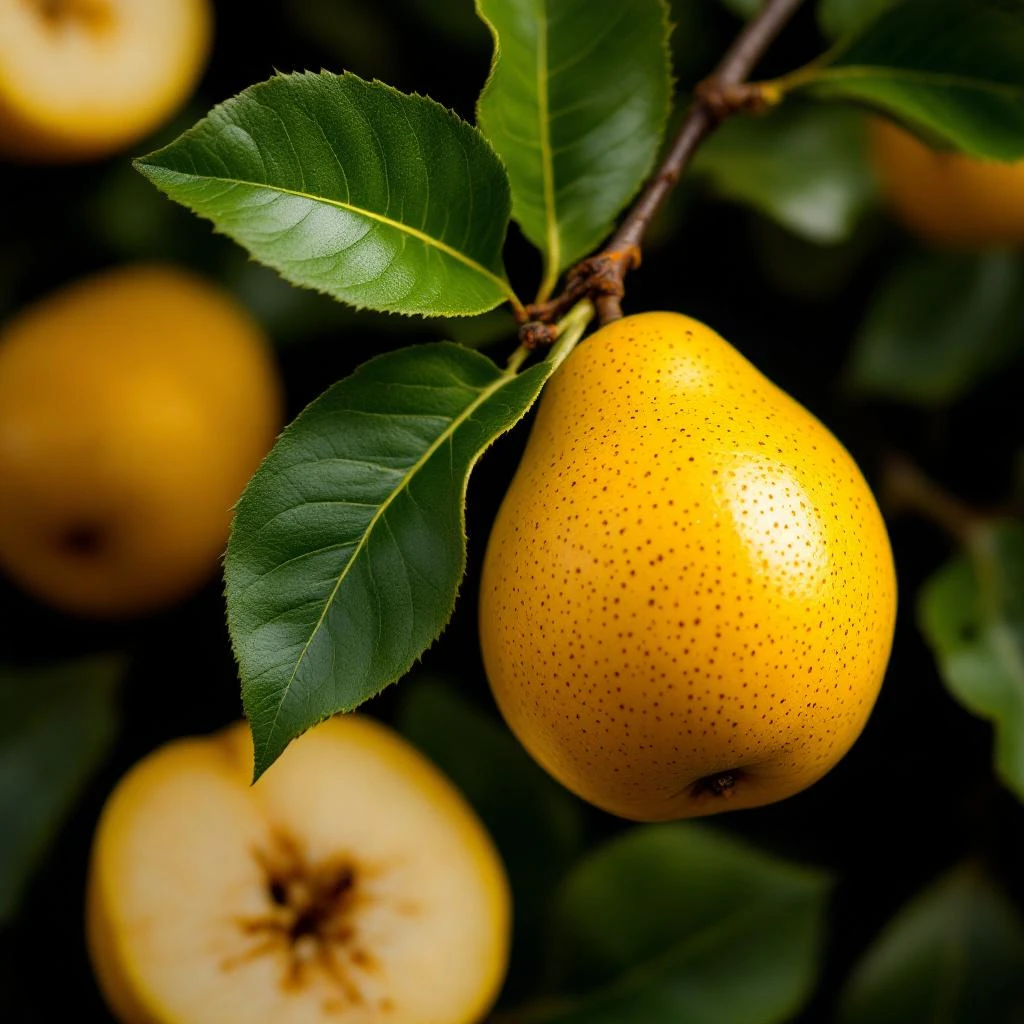
Character
How it smells
A translucent fruit bridging pear and apple in scent.
Ancient Romans and Greeks steeped quince in oil to create Melinum, one of the earliest recorded perfumes, predating modern distillation by millennia.







Origin
Iran
Quince carries one of perfumery's oldest documented lineages. Ancient Arab perfumers, Greeks, and Romans all worked with this fruit, steeping it in oil to create fragrances. The Greeks named their quince blossom perfume Melinum, marking it as a cornerstone of early Western perfumery.
Beyond fragrance, quince held ritual significance in Mediterranean cultures. Brides carried quince at weddings as symbols of love and fertility. The Romans believed the fruit aided digestion, prescribing it medicinally.
Despite this rich heritage, quince remains uncommon in contemporary gardens, making it a quiet relic of perfumery's ancient roots.
Wears it best
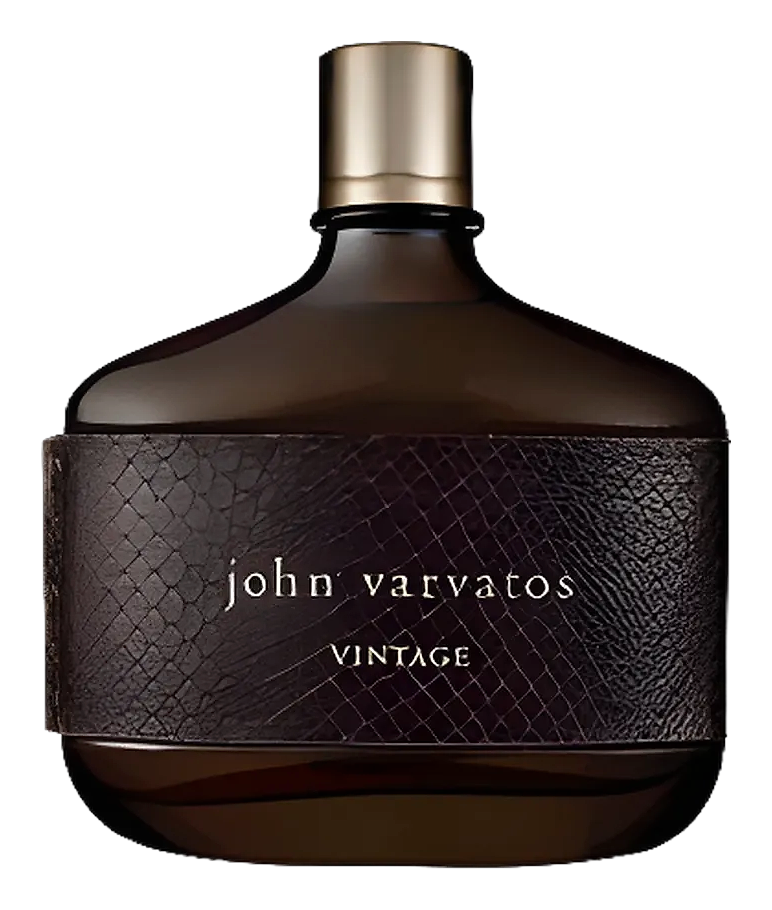
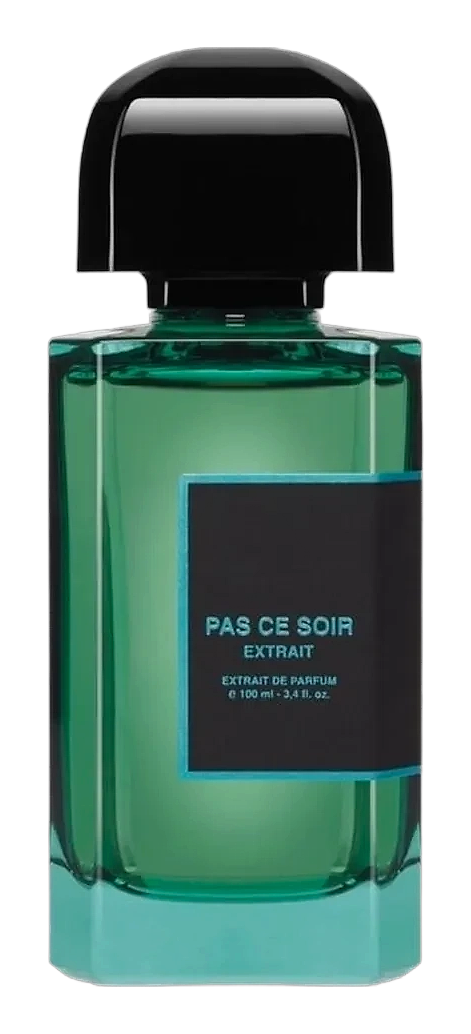
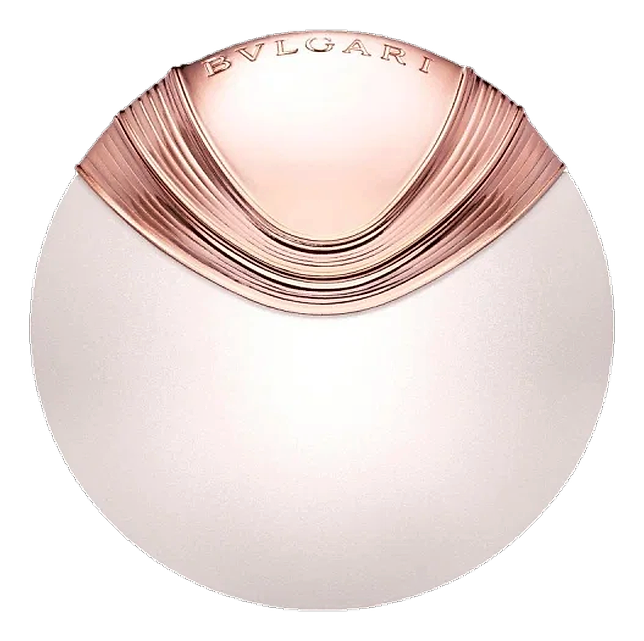
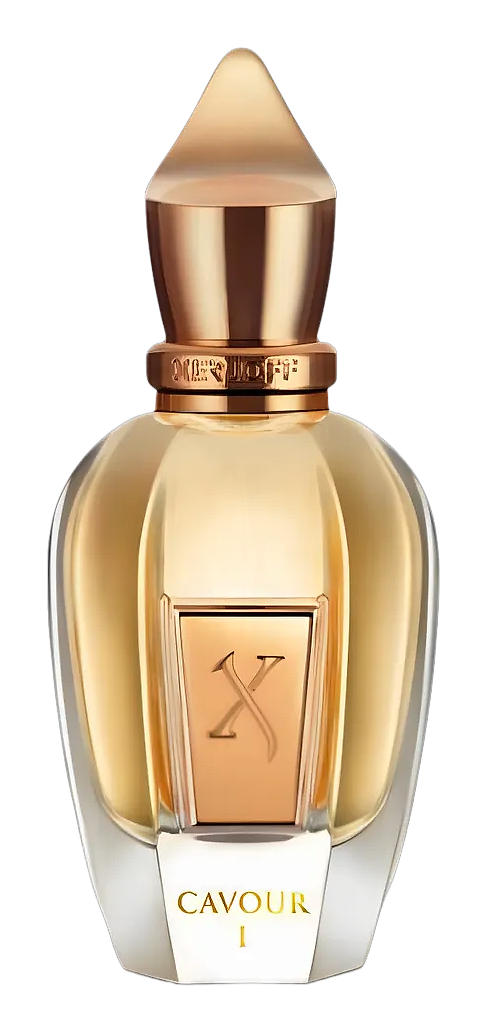
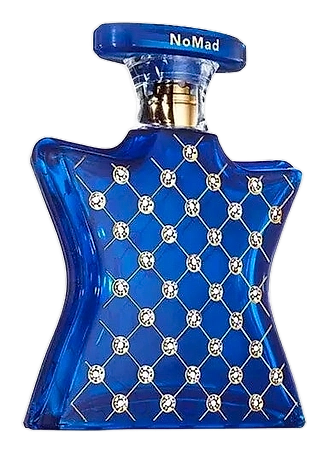
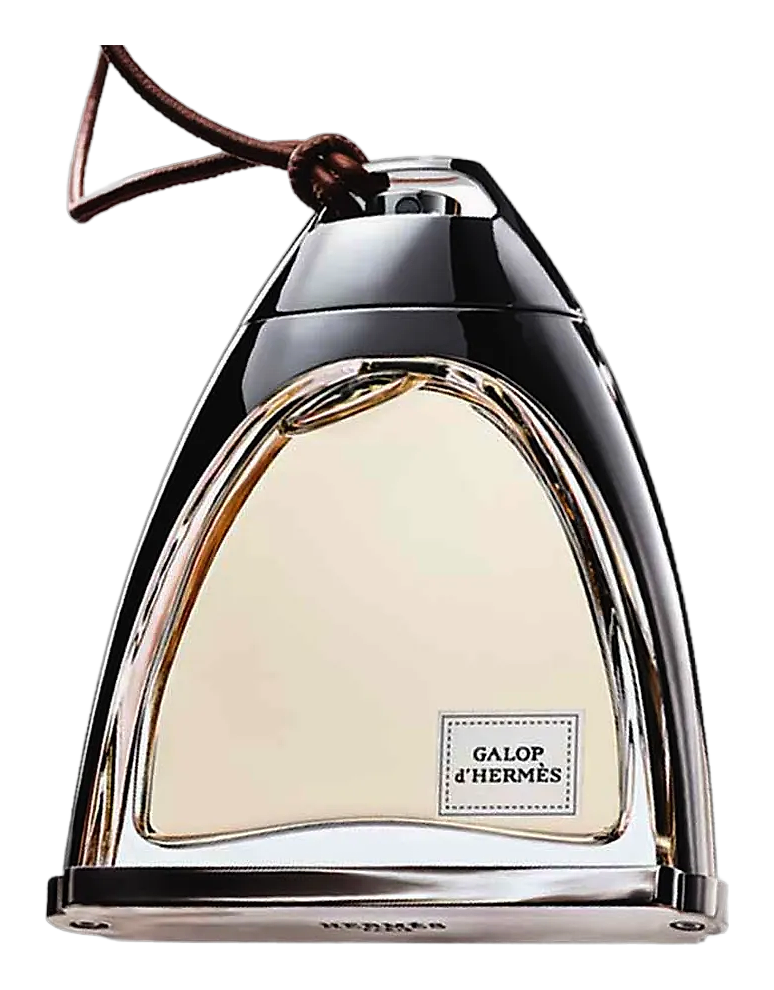
Fragrances featuring Quince
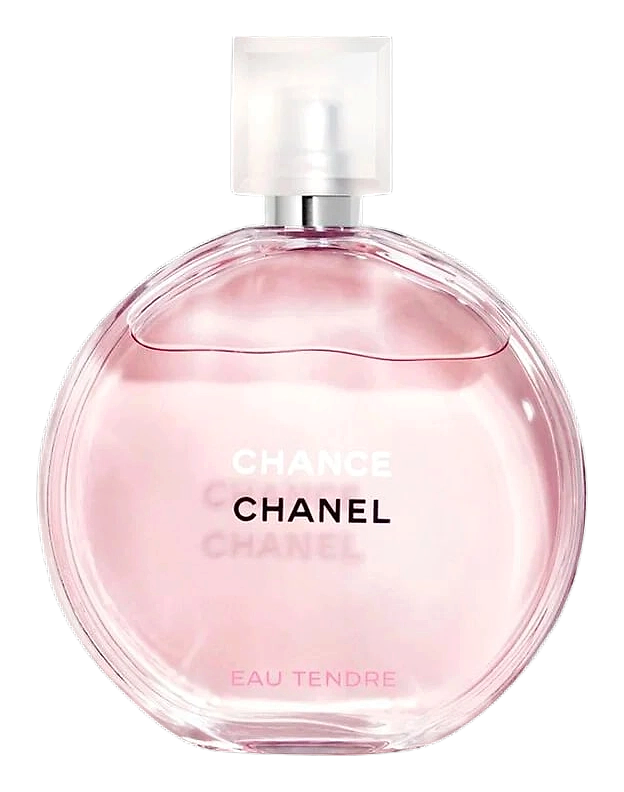
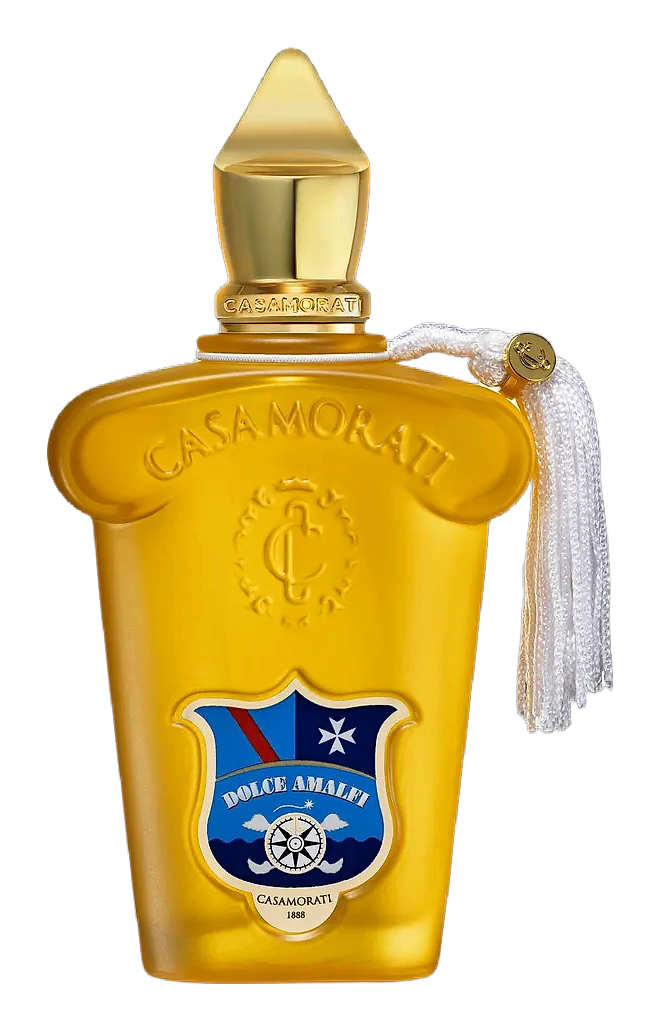
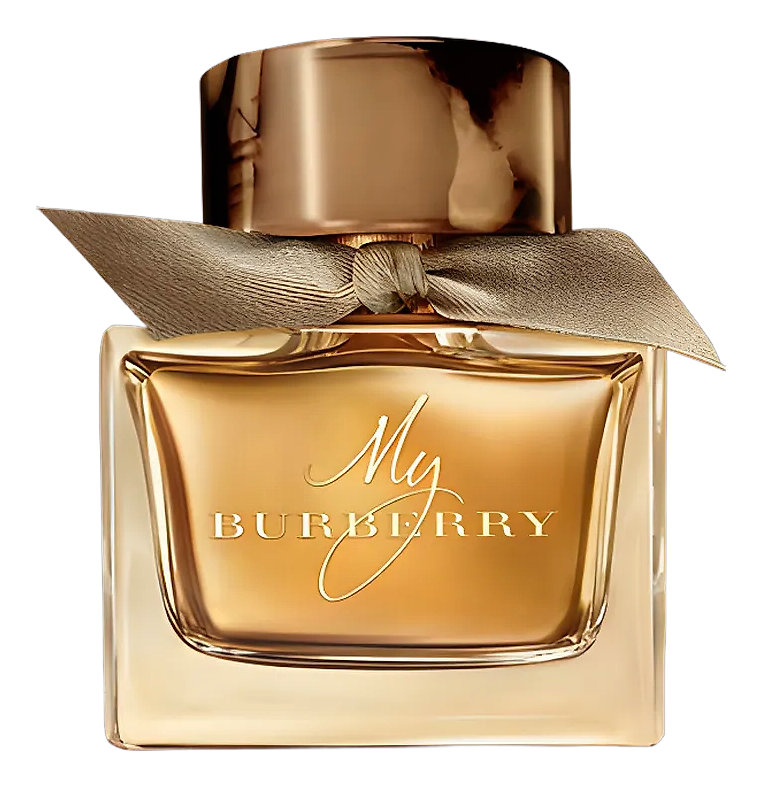
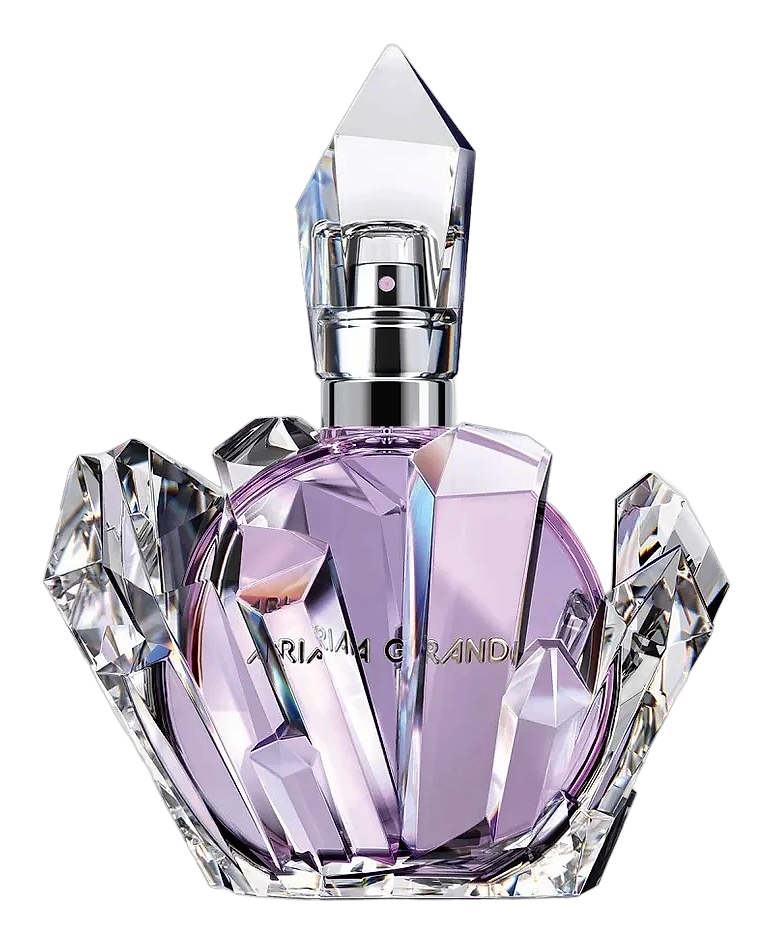


Brands
Brands known for Quince
Good to know
Questions, answered
The essentials on Quince in perfumery: how it smells, where it comes from, and how it behaves on skin.
What is quince in perfumery?
Quince is a fruit note in perfumery that replicates the delicate aroma of the Cydonia oblonga fruit. It offers a translucent, honeyed sweetness somewhere between pear and apple, used to add depth to floral and fruity compositions.
How does quince smell in fragrance?
Quince smells like a delicate blend of ripe pear and apple with subtle honeyed, slightly tart qualities. It reads as translucent and luminous rather than heavy or syrupy.
Is quince a natural or synthetic ingredient?
Modern perfumery uses synthetic recreations of quince. The fruit's aromatic intensity is difficult to extract via traditional methods, so perfumers rely on aroma compounds like gamma-decalactone to achieve the effect.
What fragrance families use quince?
Quince appears primarily in fruity, floral, and gourmand fragrance families. It pairs well with rose, lychee, and other stone fruits, adding brightness without dominating the composition.
What famous fragrances contain quince?
Quince features in several high-profile releases from houses like Byredo and Chloe. It often appears as a top-note element that provides an initial burst of delicate fruitiness.
Does quince have historical significance in perfumery?
Yes. The ancient Greeks and Romans created a perfume called Melinum by steeping quince in oil. This makes quince one of the oldest documented ingredients in Western perfumery history.
Can quince combine with other fruit notes?
Quince pairs naturally with other pome fruits like apple and pear, plus tropical fruits such as lychee. It also complements rose and other florals by providing a fruity backdrop without overwhelming them.
Is quince a common ingredient in perfume?
No. Quince remains relatively rare in perfumery. The fruit is uncommon in cultivation, and its subtle scent makes it difficult to extract naturally, limiting its use to fragrances seeking its specific translucent quality.