The Story
Why it exists.
The beginning
Tiziana Terenzi inherited a candle-making tradition from Cattolica in 1968, a family enterprise that her brother Paolo transformed into a niche fragrance house. Paolo Terenzi approaches perfumery as a composer treats music, seeking unexpected harmonies and provocative juxtapositions. Al Contrario emerged from a specific creative question: what if vanilla, the most domesticated of note families, were stripped of its gentle reputation entirely?
Paolo Terenzi built Al Contrario around the philosophy that vanilla need not equal softness. By opening with astringent minerals and dark woods, the fragrance creates immediate tension that makes the eventual warmth feel earned. The pairing of tonka bean with orchid in the heart adds complexity that prevents straightforward sweetness, while the drydown's hazelnut and sugar cane provide an edible quality grounded by sandalwood and benzoin's resinous warmth.
The evolution
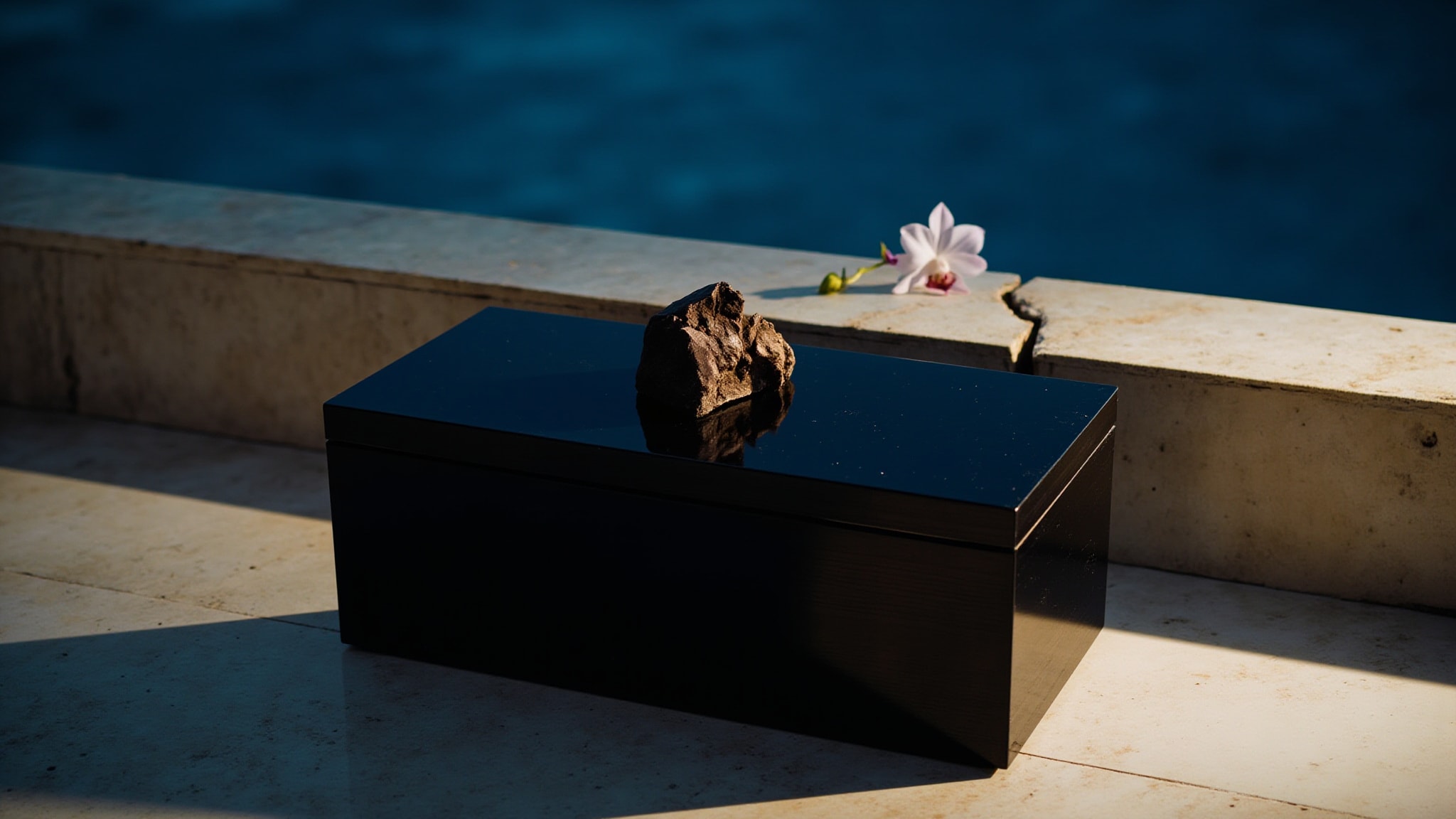
The fragrance opens with malt and cocoa, materials that suggest both sweetness and bitterness simultaneously, grounded by ebony's mineral-dark wood. This is a calculated inversion of how vanilla fragrances typically begin. The heart introduces orchid alongside vanilla and tonka bean, adding exotic floralcy that prevents the sweetness from becoming merely comforting. The drydown incorporates hazelnut, sugar cane, sandalwood, and benzoin, creating a warm, slightly edible base that rewards those who waited through the challenging opening.
Cultural impact
Al Contrario occupies a specific corner of the niche market, Gourmand without the sweetness, warm without the softness. Wearers describe it as the scent of someone who walks into a room and doesn't need to announce themselves. The powdery quality polarizes, but those who connect with it tend to connect deeply. It's not a fragrance that announces itself. It's a fragrance that stays.