The Story
Why it exists.
The beginning
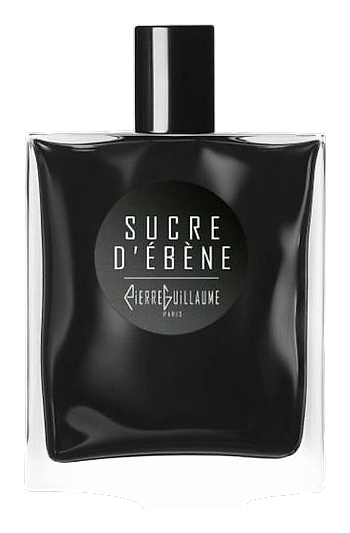
Pierre Guillaume designed Sucre d'Ébène in 2010 as part of the Collection Noire, a line that takes its name seriously. Dark, intimate, sometimes provocative. Sucre d'Ébène is the series' quietest contradiction: a sweet-gourmand scent that doesn't announce itself. The name carries the tension. Ébène is ebony, black, heavy, serious. Sucre is sugar, bright, edible, effortless. The fragrance holds both words in the same breath. Brown sugar carries caramel without artifice. Witch hazel adds a cool, herbal backbone that stops sweetness from becoming syrup. Benzoin brings warmth that deepens without weight. The result is a fragrance that reads as sweet from the first spray but never stays there.
What makes Sucre d'Ébène interesting is the way the witch hazel functions. Witch hazel is an astringent, it cools, it tightens, it pulls. In perfumery it reads as herbal, almost medicinal, a kind of clean edge against richness. Guillaume used it here as a counterweight. The brown sugar opens warm and soft. The witch hazel keeps the sweetness honest. Without it, the composition would drift toward dessert. With it, the fragrance stays adult. The benzoin does the quiet work. It's a resin, warm, slightly vanillic, with a creamy depth that holds the whole structure together.
The evolution
The first minutes are the sweetest. Brown sugar and hazelnut open with warmth that feels almost immediate, a soft burst of caramel that doesn't quite tip into edible. This is the moment when Sucre d'Ébène makes its first impression. It reads as sweet, uncomplicated, inviting. Then the witch hazel arrives. The composition shifts, a cool, herbal note cuts through the sweetness like a door opening to cold air. Not cold, just cooler. The brown sugar doesn't disappear. It settles underneath, becoming less eager, more grounded. Orange blossom adds a quiet floral lift, soft and clean, and the vanilla begins its slow ascent. This is the heart of the fragrance: sweet and warm but held by something sharper. The vanilla and benzoin are in full effect as the fragrance develops. The drydown is where Sucre d'Ébène earns its name. Sugar on ebony, sweet on dark.
Cultural impact
Sucre d'Ébène arrived in 2010 as a sweet-gourmand exploration from Pierre Guillaume Paris, using brown sugar as a primary note alongside witch hazel and benzoin. The fragrance offered something different from the typical sweet releases of its era, introducing an herbal, cooling counterpoint that gave the sweetness a more complex character. Brown sugar as a dominant material brought a natural, less confectionary quality to the gourmand category, differentiating the scent from more dessert-like compositions. The witch hazel addition provided an unusual choice for sweet fragrances, adding a clean, herbal edge that set it apart.