Brown Sugar
Brown sugar brings a warm, caramelized sweetness to fragrance compositions. Its rich, molasses-laced profile evokes toasted caramel and soft vanilla, lending depth to gourmand, oriental, and amber accords.

Character
How it smells
Molasses-warm, caramel-soft sweetness
The characteristic dark, treacle-like note of brown sugar comes from molasses, the same byproduct that gives demerara and muscovado their signature depth.






Origin
Caribbean (natural source); Global (synthetic)
Brown sugar has been a sweetener for centuries, first refined in the Indian subcontinent around 500 CE before spreading through Arab trade routes to Europe by the medieval period. By the 17th century, sugarcane plantations in the Caribbean and the Americas supplied much of Europe's brown and muscovado sugar, producing a molasses-rich product prized for its depth of flavor. While brown sugar never had its own distillation tradition, sugarcane derivatives entered perfumery indirectly through rum absolute and caramel-scented byproducts, both used in early gourmand compositions.
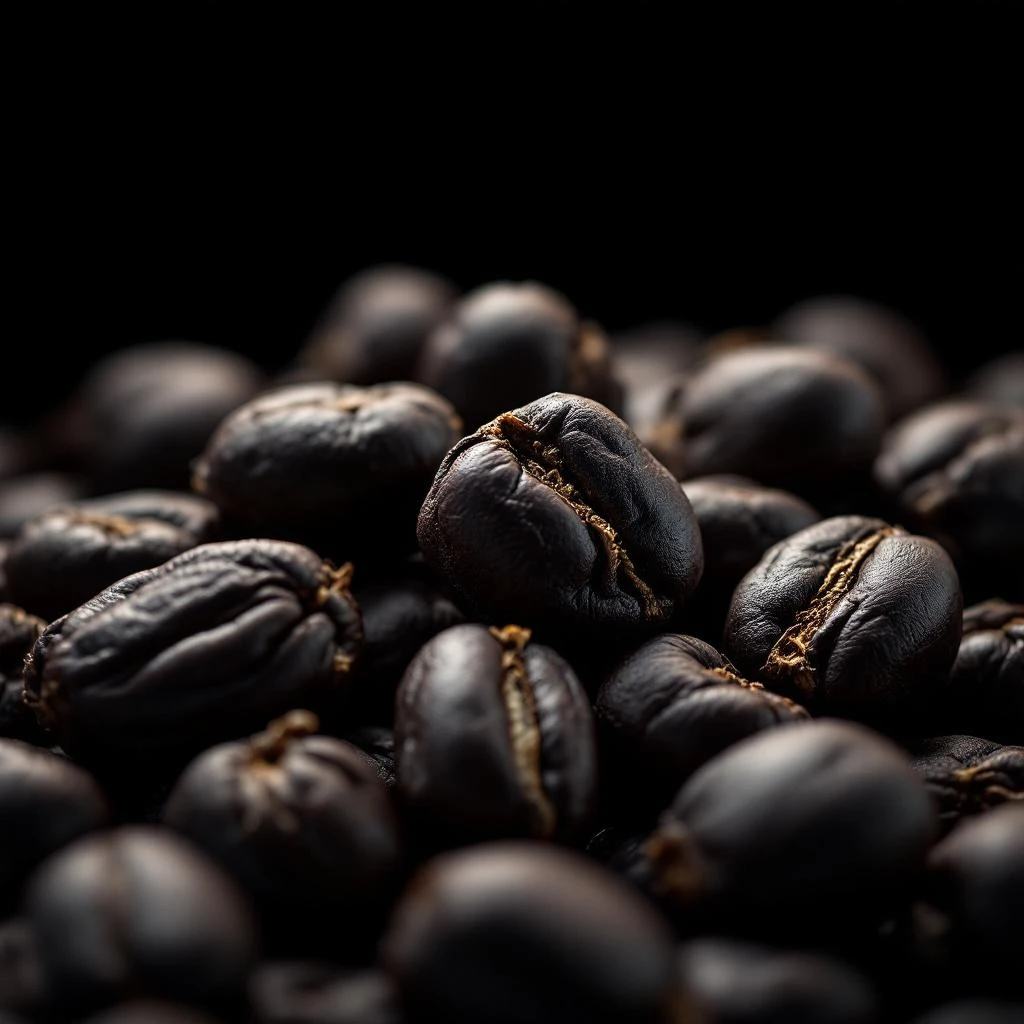
The modern synthetic recreation of brown sugar notes accelerated after the identification of furaneol in the 1960s, a compound first isolated from roasted coffee and later recognized as a key contributor to sweet, jammy, and caramelized aromas. Today, brown sugar accords anchor a generation of gourmand fragrances, blending natural sugarcane extracts with carefully calibrated synthetic lactones.
Wears it best
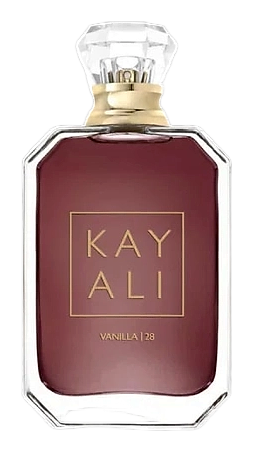
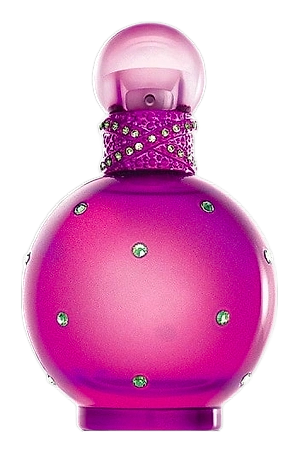
Fragrances featuring Brown Sugar
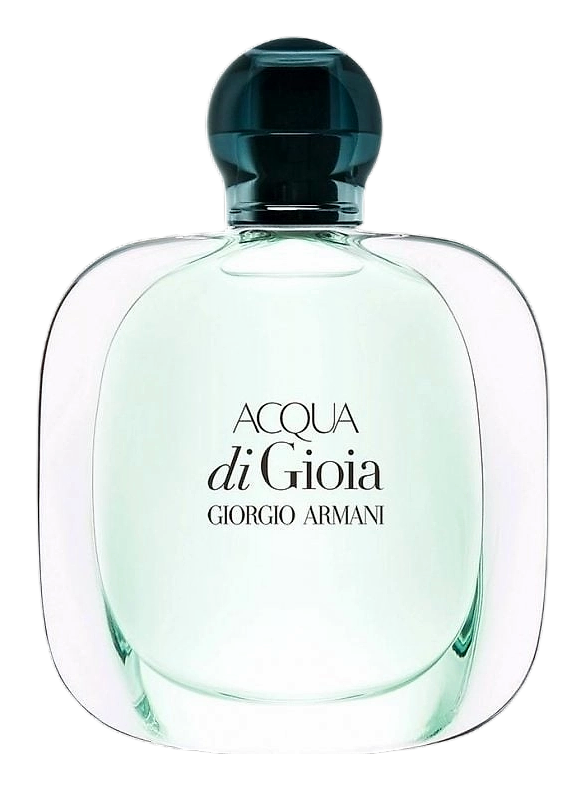
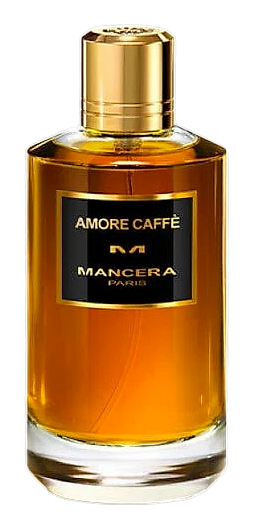
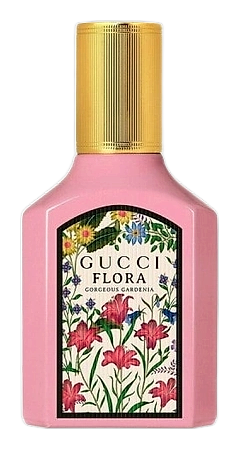
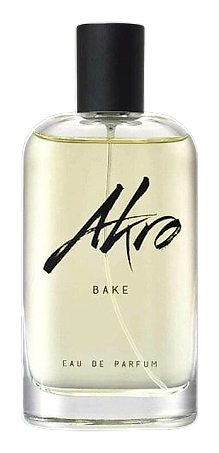
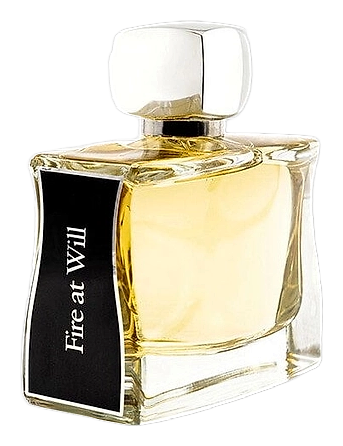
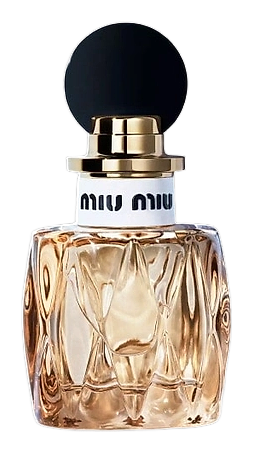

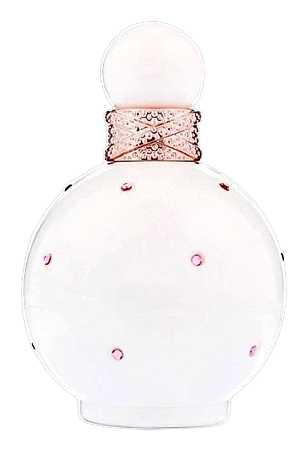
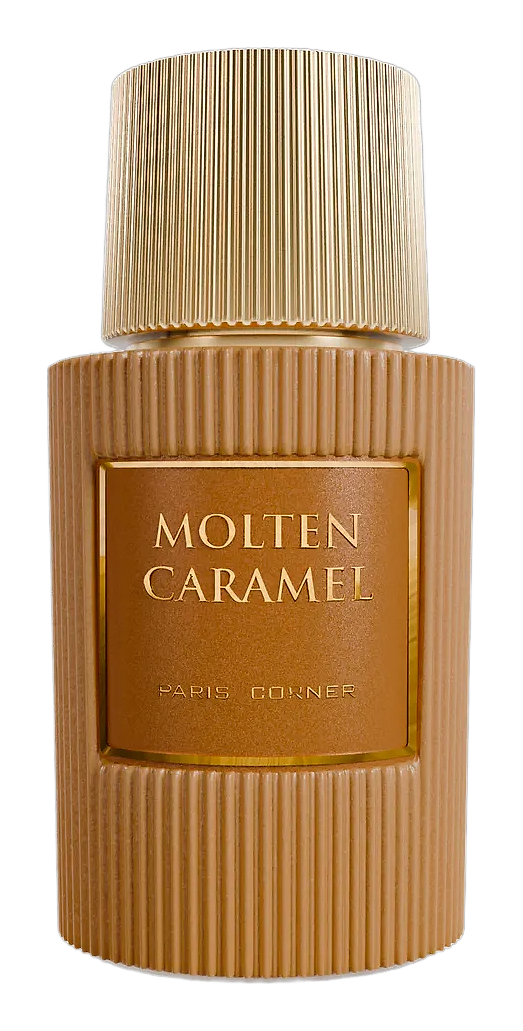
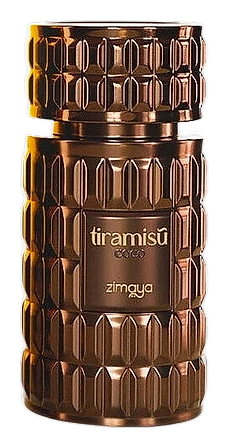
Brands
Brands known for Brown Sugar
Good to know
Questions, answered
The essentials on Brown Sugar in perfumery: how it smells, where it comes from, and how it behaves on skin.
What does brown sugar smell like in perfume?
Brown sugar smells warm, sweet, and caramelized, with prominent molasses and soft vanilla facets. Furaneol, the same molecule found in roasted coffee and ripe strawberries, is largely responsible for that signature sugary richness.
Is brown sugar a natural or synthetic fragrance note?
It is almost always synthetic in modern perfumery. Perfumers reconstruct the scent using aroma chemicals like furaneol, sotolone, and ethyl maltol, sometimes supported by natural sugarcane or rum absolute for added depth.
Is brown sugar a base note?
Yes, brown sugar accords typically sit in the base. Their heavy, caramelized molecules evaporate slowly, anchoring lighter florals, fruits, and spices while leaving a warm, gourmand trail.
What fragrances pair well with brown sugar?
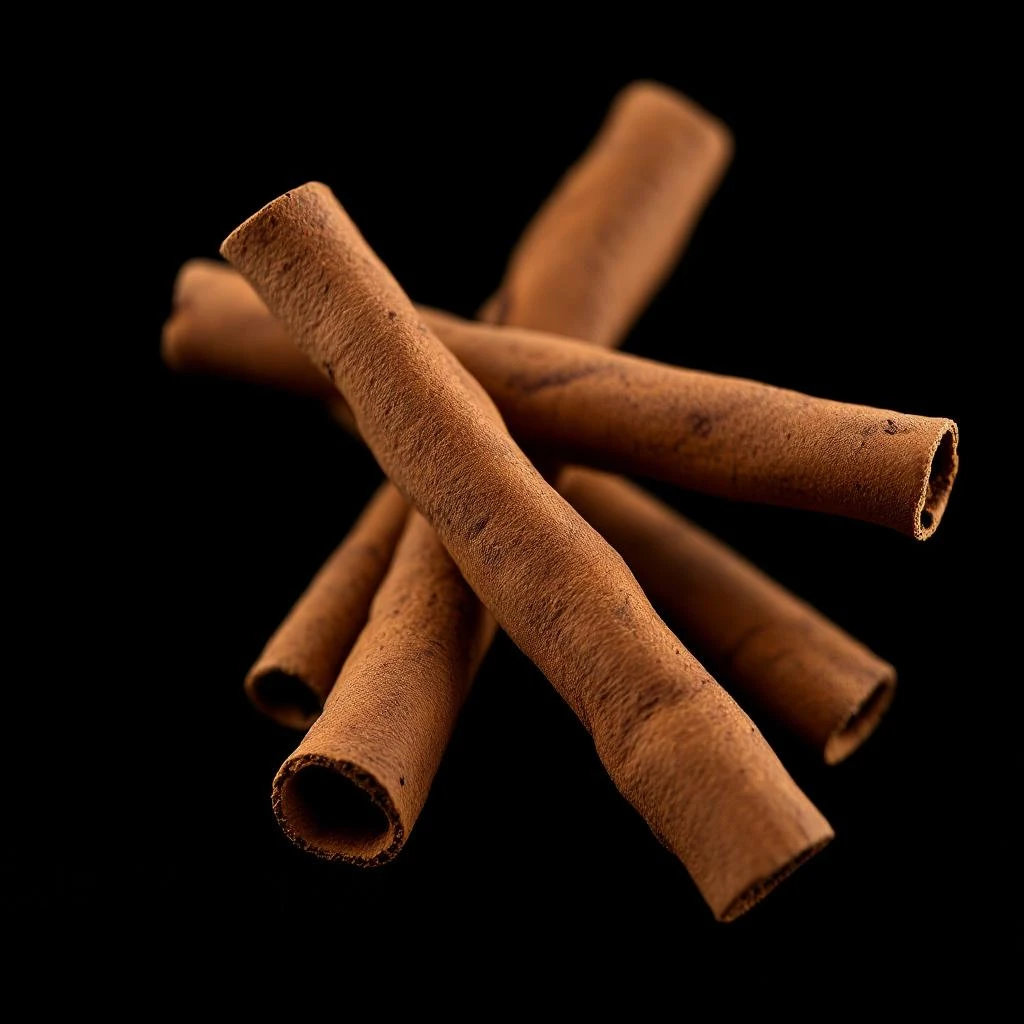
Brown sugar pairs naturally with vanilla, tonka bean, amber, and warm spices like cinnamon and cardamom. It also complements white florals such as tuberose, softening their intensity with a sweet, edible undertone.
Does brown sugar contain allergens?
Reconstructed brown sugar notes can contain allergens depending on the carrier molecules used, particularly compounds like coumarin or cinnamal derivatives. Always check the full ingredient list if you have known sensitivities.
Can brown sugar fragrance be extracted from real sugar?
Pure sugar does not yield a usable essential oil through steam distillation because it caramelizes rather than vaporizes. Perfumery-grade sugarcane absolutes exist but capture only a fraction of what we recognize as 'brown sugar' scent.
When did brown sugar become a perfume note?
Brown sugar emerged as a distinct accord in perfumery during the early 2000s, coinciding with the rise of the gourmand genre. The identification of furaneol in the 1960s gave chemists the key molecule needed to recreate it convincingly.
Is brown sugar sustainable as a fragrance ingredient?
Synthetic brown sugar accords are highly sustainable since they require no agricultural land or harvest. When sugarcane absolute is used, sourcing from certified suppliers in the Caribbean helps ensure fair labor and traceable supply chains.




