Hazelnut
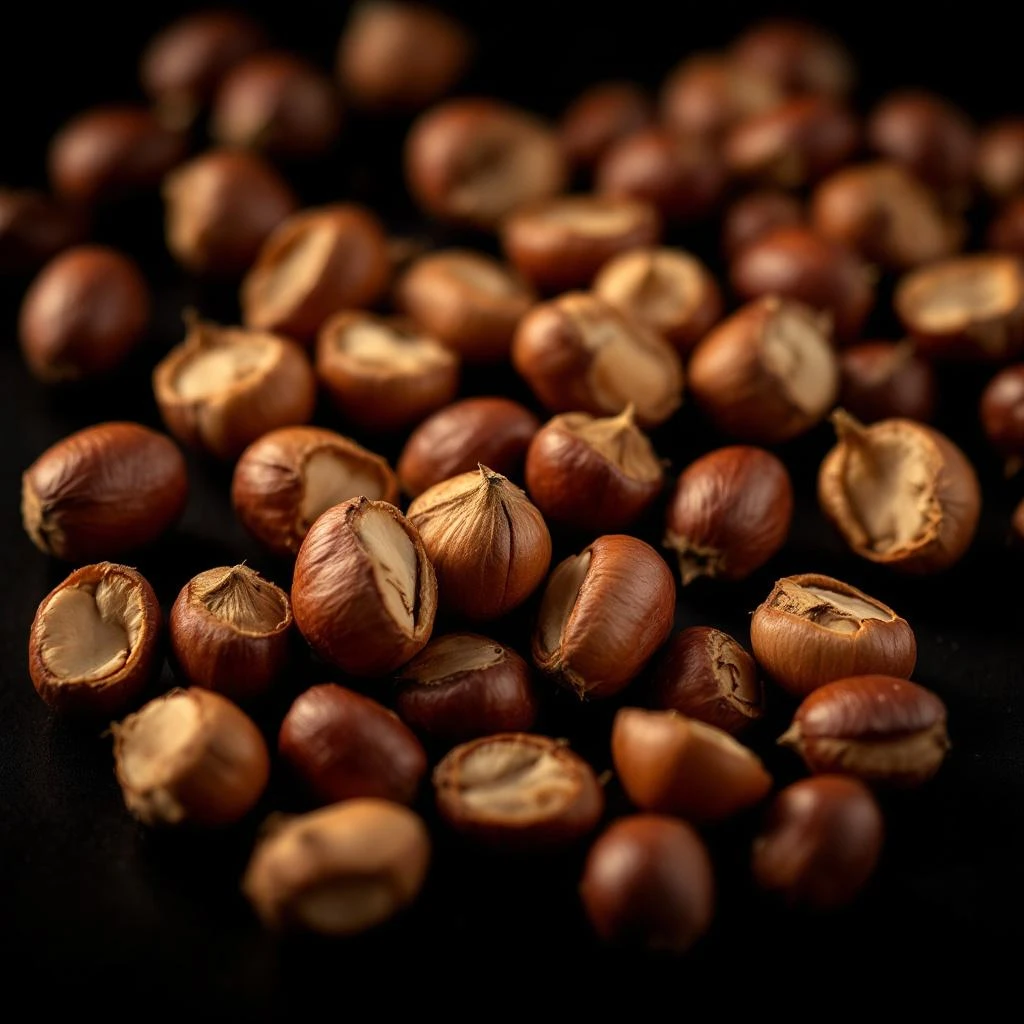
Hazelnut brings a warm, roasted sweetness to perfumery—imagine the smell of freshly roasted nuts drifting from a copper pan. This note adds depth and comfort to oriental and gourmand fragrances, creating an edible quality that feels both cozy and sophisticated.
Character
How it smells
Warm, roasted, and irresistibly edible.
Hazelnut was first cultivated in Turkey over 3,000 years ago, and Turkey still produces roughly 70 percent of the world's supply.







Origin
Turkey
Hazelnut traces its human connection to the shores of the Black Sea in what is now Turkey, where archaeological evidence places its deliberate cultivation around 1000 BCE. The plant grows wild across much of Eurasia, and ancient Greek and Roman texts mention hazelnuts as both food and folk medicine. For centuries, perfumers used the nut primarily as a flavoring agent in edible products rather than a fragrance material.
The rise of hazelnut in perfumery coincides with the expansion of oriental and gourmand fragrance families during the twentieth century. Perfumers began experimenting with edible notes as consumer preferences shifted toward warmer, more comforting scents. By the 1970s and 1980s, hazelnut appeared in several landmark fragrances as a bridge between woody bases and sweet toppings.
The development of reliable extraction methods made hazelnut more accessible to perfumers, while synthetic aroma chemicals like furaneol enabled consistent hazelnut-like effects across different price points.
Wears it best
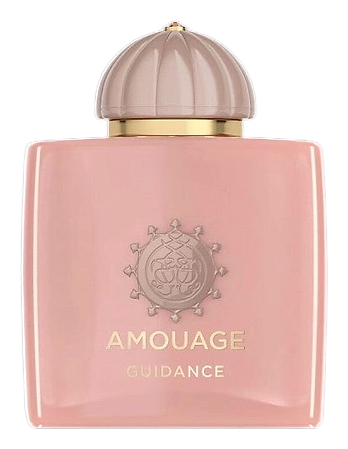
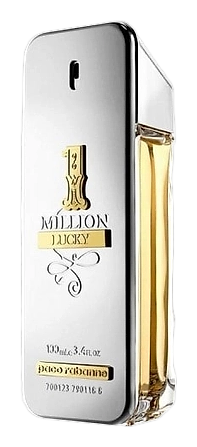
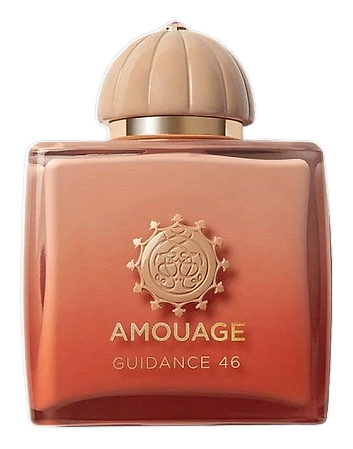
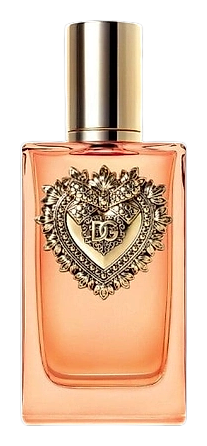
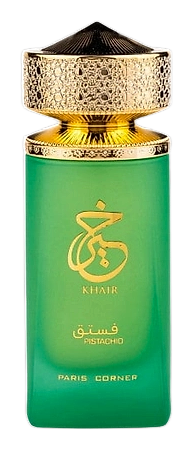
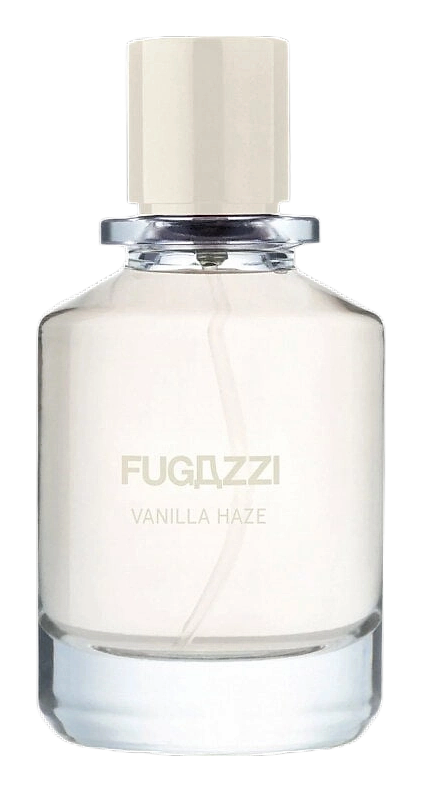
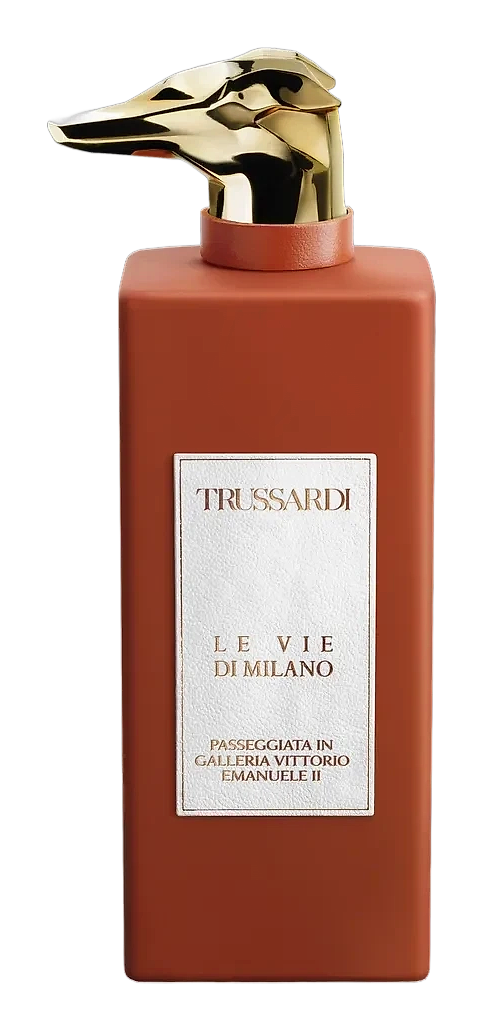
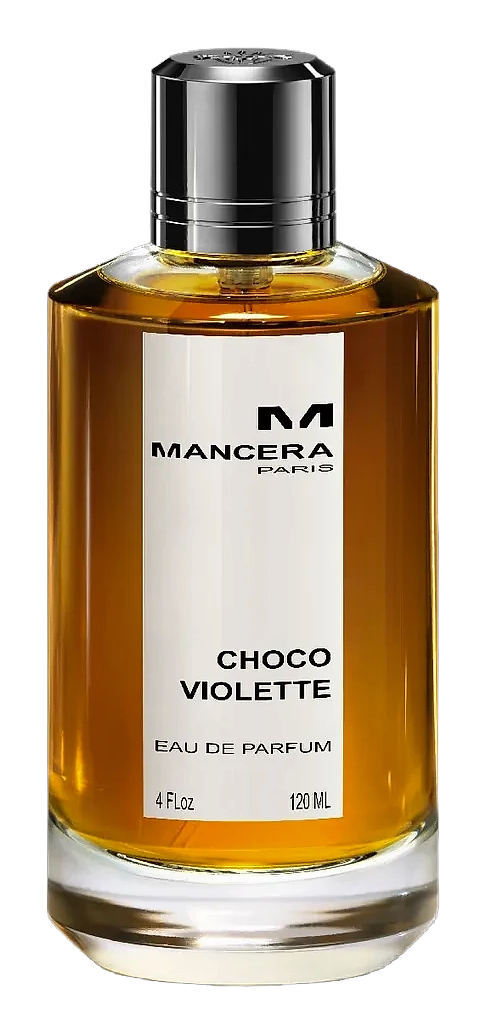
Fragrances featuring Hazelnut




Brands
Brands known for Hazelnut
Good to know
Questions, answered
The essentials on Hazelnut in perfumery: how it smells, where it comes from, and how it behaves on skin.
What does hazelnut smell like in perfume?
Hazelnut in perfume smells warm and roasted with sweet, slightly bitter undertones. Think of the aroma rising from a pan of toasted nuts—it feels cozy, edible, and grounding. It often carries hints of caramel or butter from the roasting process.
How is hazelnut absolute produced for perfumery?
Hazelnut absolute comes from roasted nuts processed through solvent extraction. Nuts are roasted to develop aroma compounds, then dissolved in food-grade solvents like hexane. The solvent pulls aromatic molecules from the nutmatter, leaving a waxy concrete. A second ethanol wash separates the aromatic absolute from the wax.
Where does the best hazelnut for perfumery come from?
Turkey dominates global hazelnut production, accounting for roughly 70 percent of supply. The Black Sea coastal region, particularly the province of Giresun, produces nuts prized for their high oil content and rich flavor. Italy, Spain, and the United States also grow significant quantities.
Is natural hazelnut worth the extra cost over synthetic alternatives?
Natural hazelnut absolute costs significantly more than synthetic reproductions. Whether the difference justifies the price depends on your priorities. Synthetics like furaneol deliver a clean, consistent hazelnut character suitable for most purposes. Natural absolute adds complexity that perfumers and serious enthusiasts may notice.
What fragrance families use hazelnut most often?
Gourmand and oriental fragrances feature hazelnut most prominently. It also appears in woody compositions, particularly those with sandalwood or cedar bases. Some floral fragrances use hazelnut as a subtle warmth element. It typically functions as a base or heart note.
Does hazelnut smell the same in all perfumes?
Hazelnut adapts significantly based on what surrounds it. Paired with vanilla and tonka bean, it reads as a dessert note. Combined with sandalwood and amber, it contributes warmth and body. The roasting level in the original nut material also affects whether the note reads as more sweet or more bitter.
Can hazelnut be combined with other nut notes in perfumery?
Hazelnut combines naturally with almond, walnut, and pecan notes, creating richer, more complex nutty accords. These combinations often appear in gourmand fragrances where the goal is an edible, comforting character. Hazelnut also bridges well between nut notes and sweet notes like vanilla or caramel.
Is hazelnut considered a masculine or feminine note?
Hazelnut appears fairly evenly across men's and women's fragrances. In women's perfumes it typically accompanies florals or sweet orientals. In men's fragrances it often appears alongside woody or leather notes. The gender association depends more on the surrounding composition than on hazelnut itself.