Malt
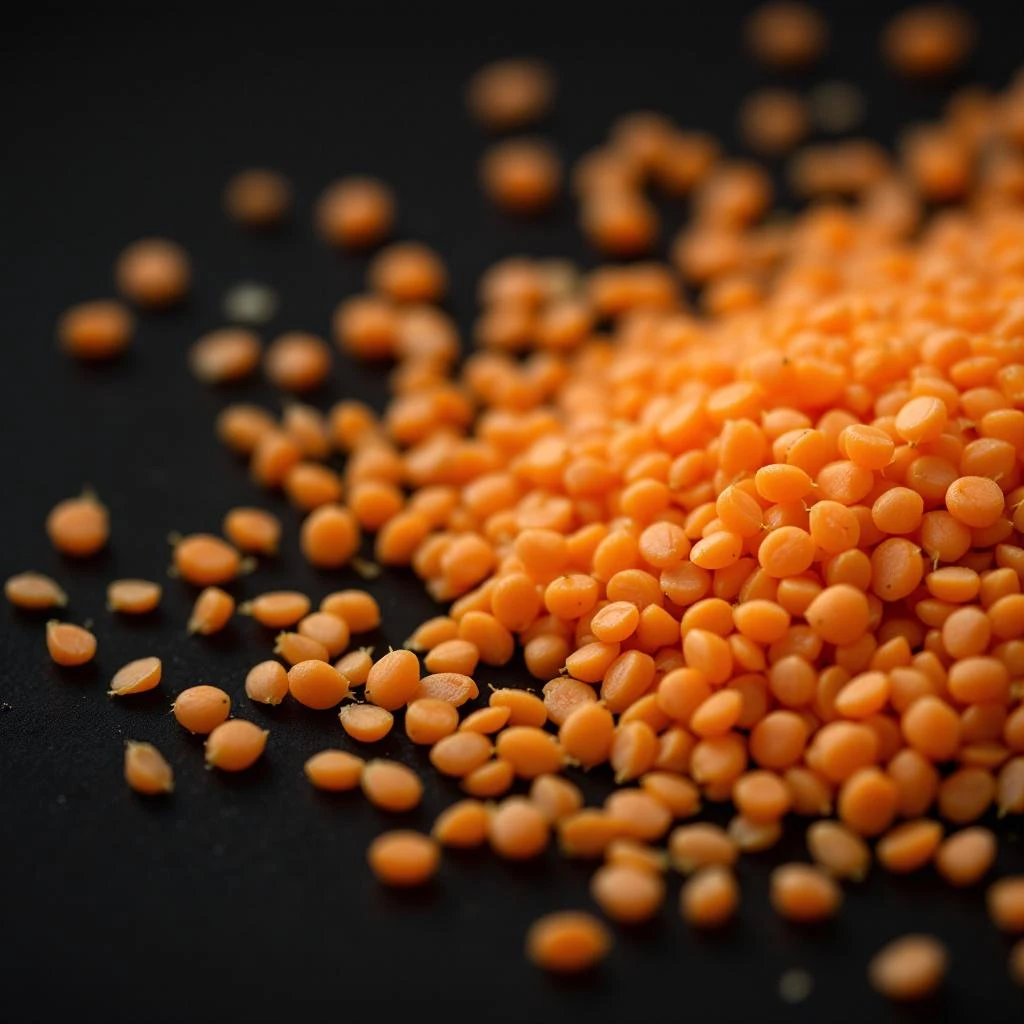
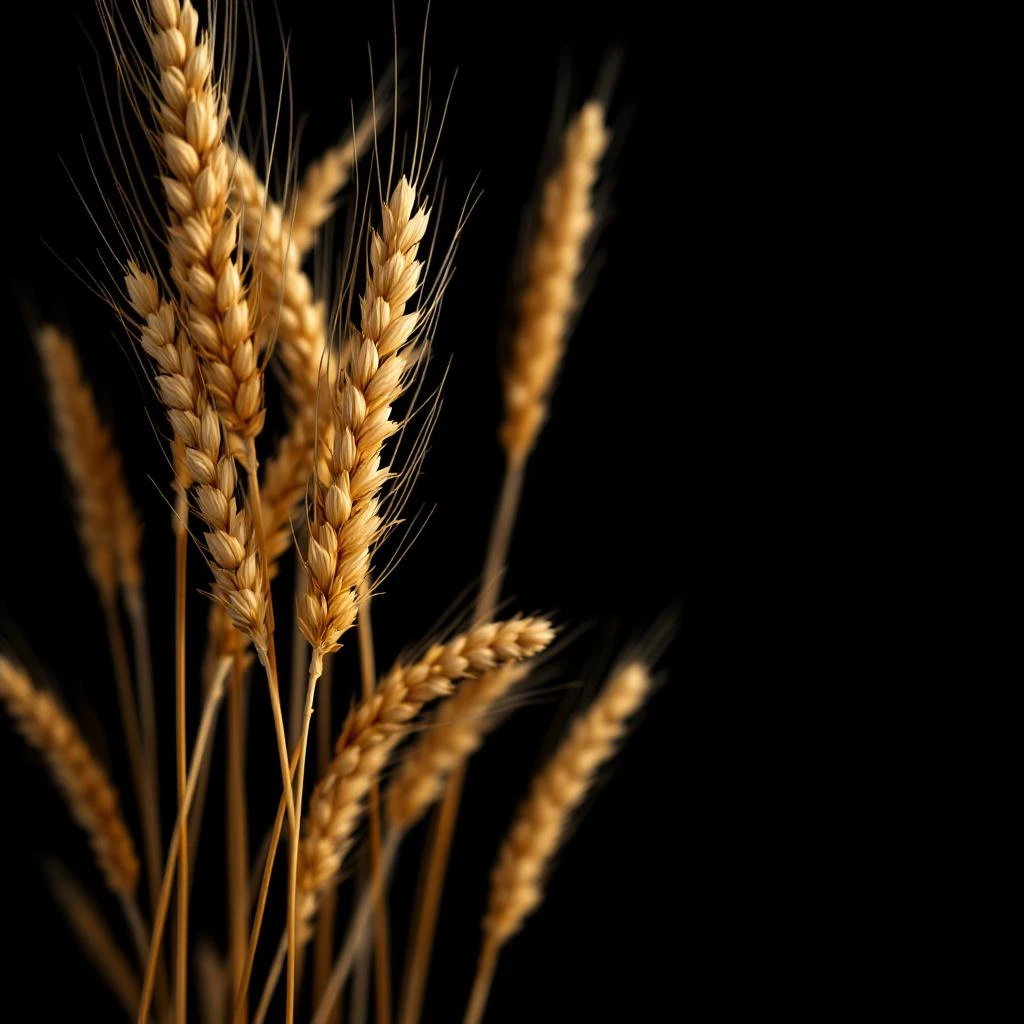
Malt brings the warm, toasted soul of barley to perfumery. A beloved grain note, it evokes comfort, nostalgia, and the sweet richness of fresh-baked bread with a whisper of caramelized sweetness.
Character
How it smells
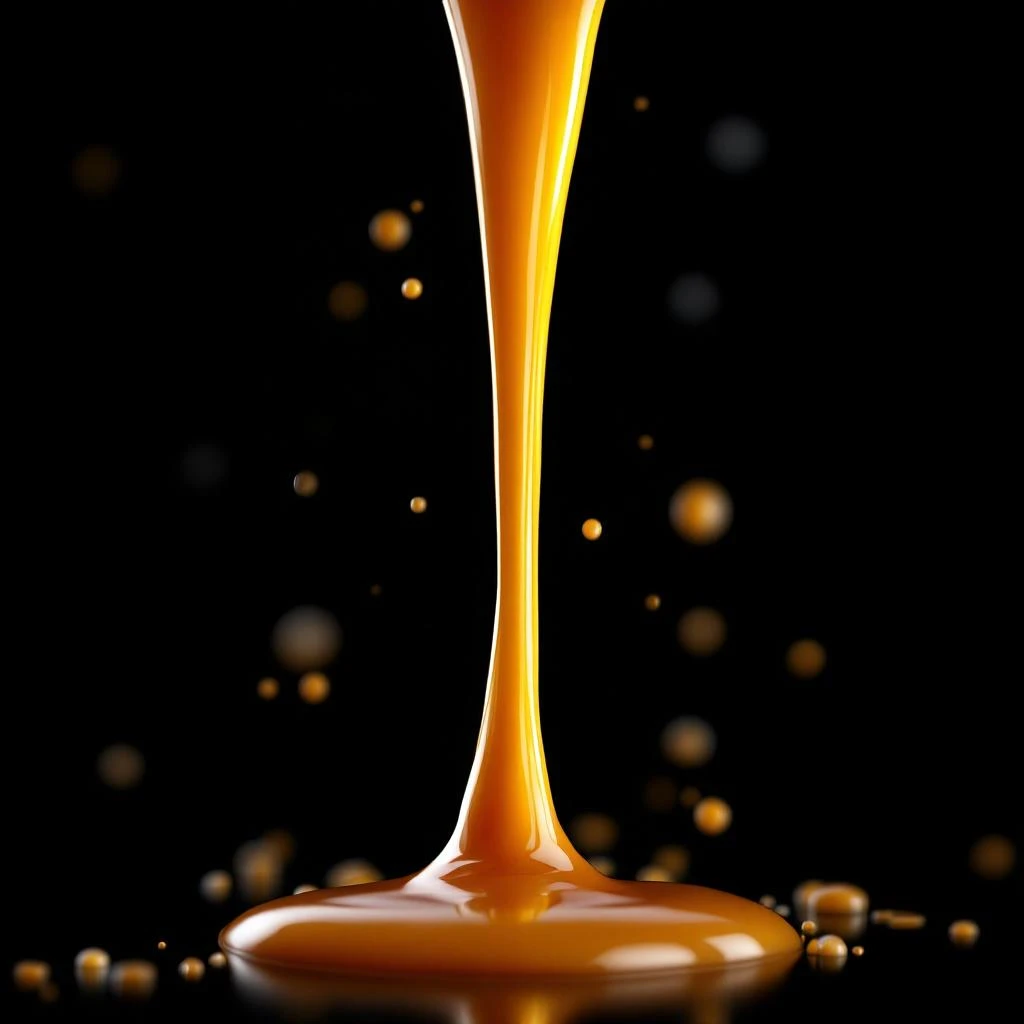
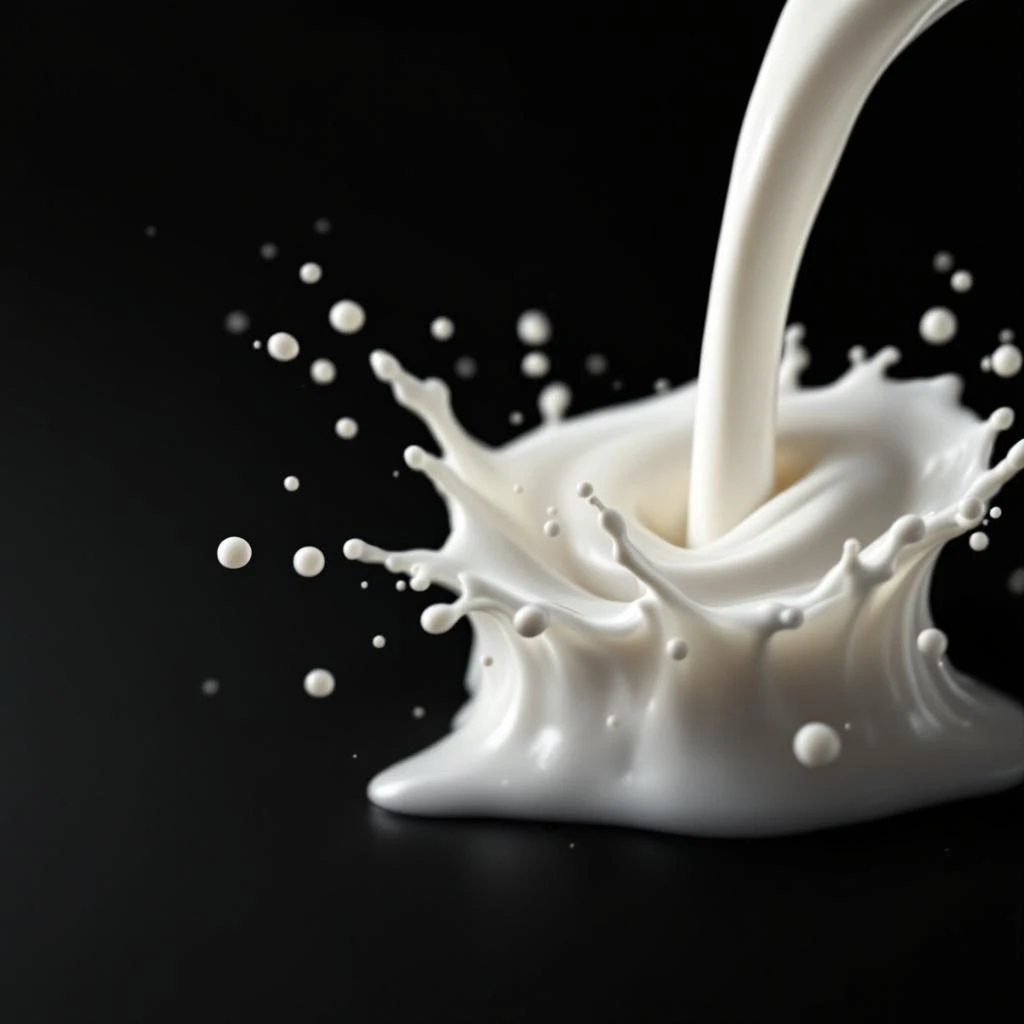
Warm grain sweetness with toasted depth and caramel undertones.
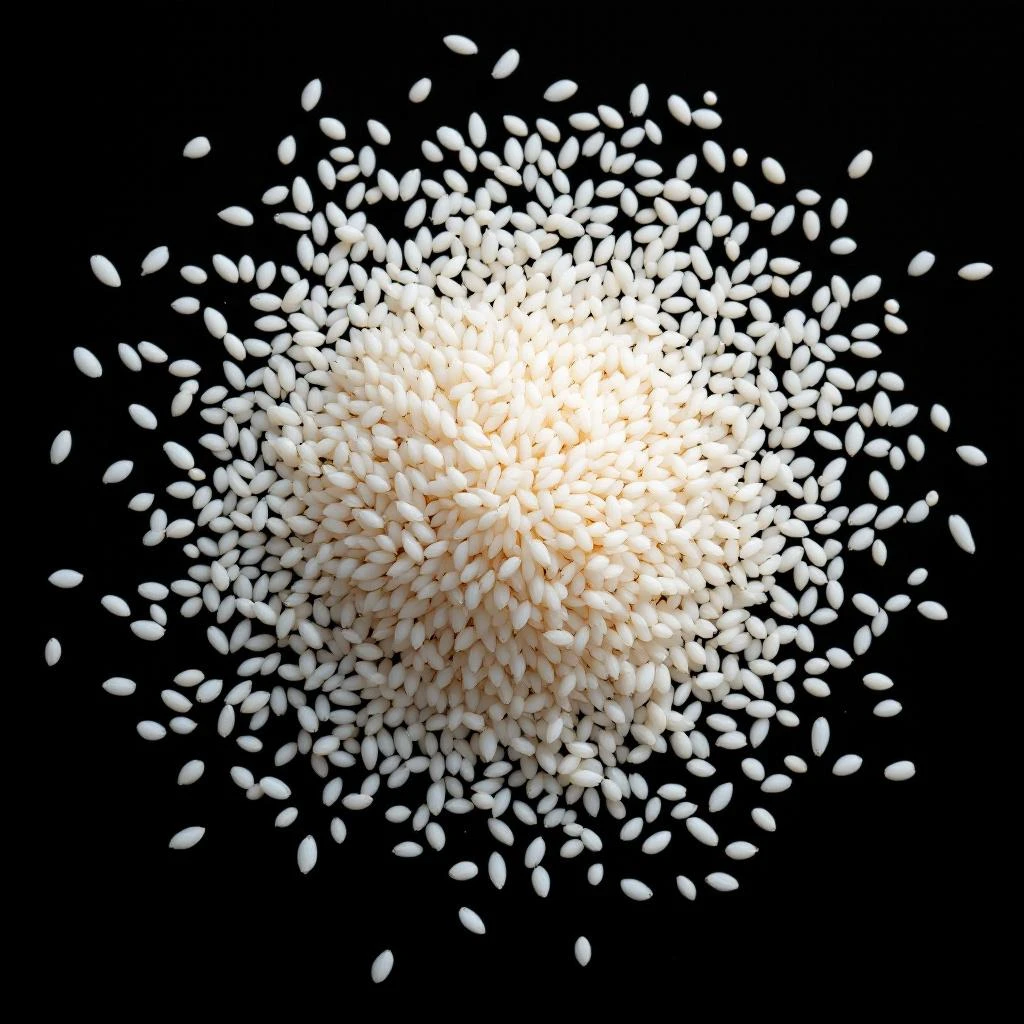
The same 2-acetyl-1-pyrroline compound responsible for malt's aroma also creates the smell of fresh popcorn and certain rice varieties.





Origin
United Kingdom
Malting originated as a food preservation technique in ancient Mesopotamia and Egypt around 3000 BCE, when brewers discovered that germinating barley created predictable sweetness and stability. Kilning techniques developed later, allowing control over flavor intensity.
Scotland became synonymous with malt through its whisky heritage, where Single Malt Scotch built global recognition for malt's rich, complex flavors. Perfumers began incorporating malt-inspired notes in the late 19th century as synthetic aroma chemistry matured, drawn to its warm, nostalgic character that bridges edible and fine fragrance.
The ingredient gained traction through whisk(e)y-inspired fragrances and masculine fougere compositions, where malt adds approachable depth. Today, malt remains a cornerstone of gourmand perfumery and masculine oriental fragrances, cherished for its warmth and familiarity.
Wears it best
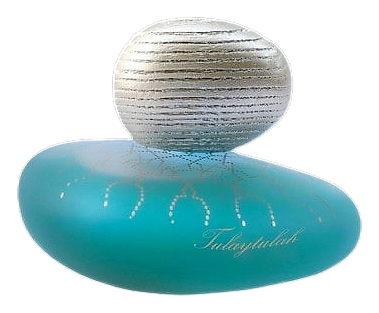
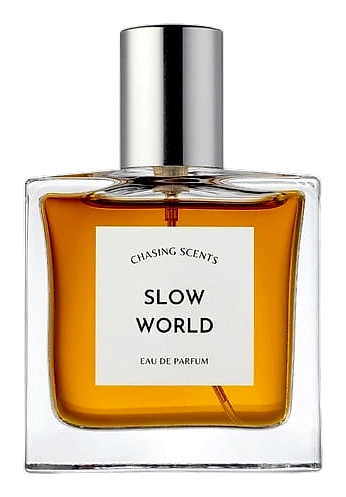
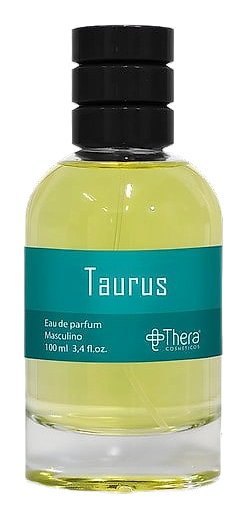
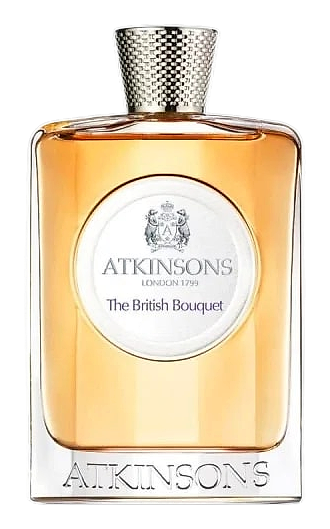
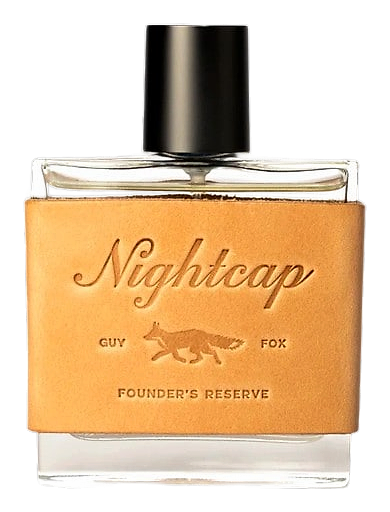
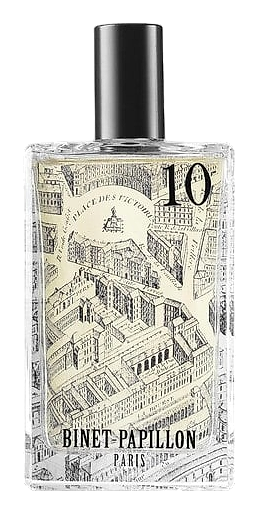
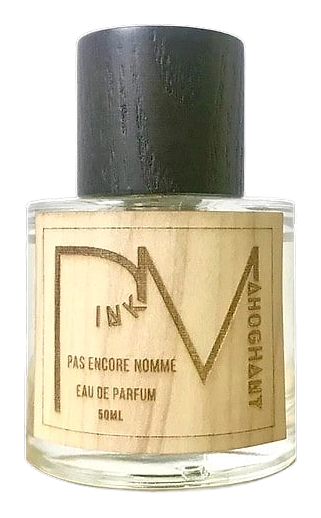
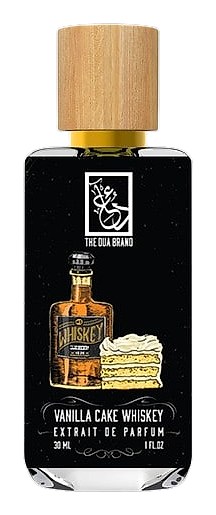
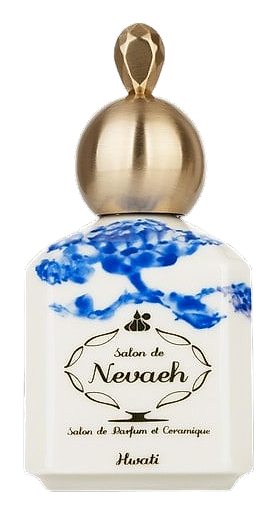
Fragrances featuring Malt


Brands
Brands known for Malt
Good to know
Questions, answered
The essentials on Malt in perfumery: how it smells, where it comes from, and how it behaves on skin.
What does malt smell like in perfume?
Malt has a warm, sweet, grainy scent reminiscent of fresh bread, toasted cereals, and light caramel. It adds a comforting, edible quality to fragrances.
Is malt used as a natural or synthetic ingredient in perfumery?
Malt notes in perfumery are almost always synthetic reconstructions using aroma chemicals like furaneol and sotolon. Natural malt extracts exist but see limited use due to their subtlety.
Which fragrance families commonly feature malt?
Malt appears frequently in oriental fragrances, fougeres, and gourmand compositions. It pairs well with vanilla, amber, and woody notes.
What is the key aroma compound in malt?
2-Acetyl-1-pyrroline (2-AP) is the primary compound responsible for malt's characteristic warm, bread-like aroma. It also occurs naturally in popcorn and fresh rice.
Does malt have any historical significance in perfumery?
Malting originated as a grain preservation technique around 3000 BCE. Perfumers adopted malt-inspired notes in the late 19th century as synthetic chemistry advanced.
Can malt be sourced from ingredients other than barley?
Yes, malt can be produced from wheat, rye, or corn. Each grain produces slightly different flavor profiles, though barley remains the most common base.
What other fragrance notes pair well with malt?
Malt harmonizes with vanilla, caramel, tonka, amber, sandalwood, and tobacco. These combinations create warm, edible character in gourmand fragrances.
Are there any famous fragrances that feature malt prominently?
Several whisk(e)y-inspired fragrances and masculine fougeres incorporate malt for their warm, grainy character, particularly in niche and designer fragrance collections.