Wheat
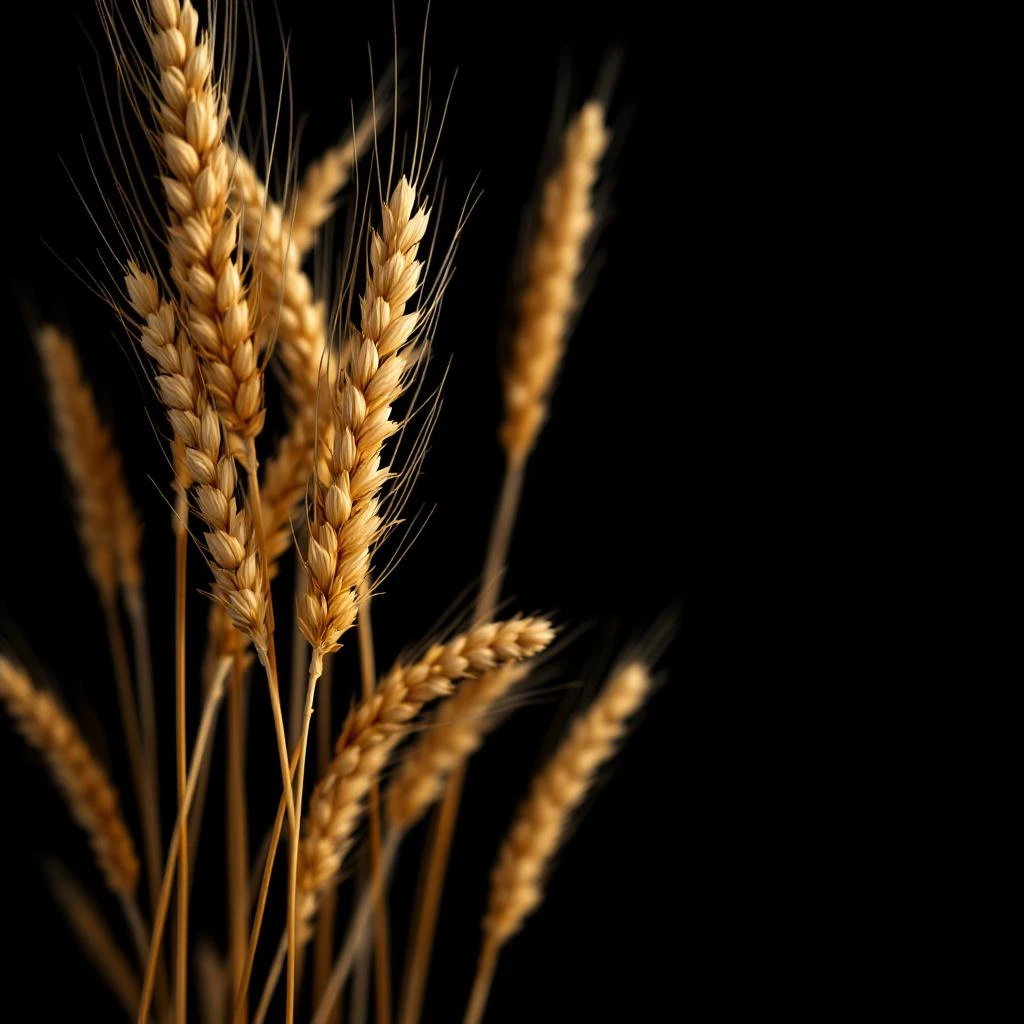
Wheat brings a warm, cereal freshness to fragrances, evoking sun-drenched fields and harvested grain. This grounding note bridges green vitality with comforting warmth, adding natural authenticity to perfumed compositions.
Character
How it smells
Warm grainy comfort from sun-kissed fields
Ancient Mesopotamians first cultivated wheat around 10,000 years ago, making it one of humanity's oldest domesticated crops now finding its place in modern perfumery.









Origin
Turkey (Fertile Crescent region)
Wheat (Triticum aestivum) traces its fragrance heritage to the Neolithic Revolution when ancient farmers in the Fertile Crescent began cultivating grain around 9600 BCE. While not a classical perfumery ingredient, wheat entered fragrance creation during the 20th century as demand grew for natural, earthy accords. The grain's aromatic potential remained largely unexplored until extraction technologies advanced enough to capture its subtle volatile compounds.
Middle Eastern perfumers first incorporated wheat-derived materials to enhance woody and oriental compositions, borrowing from their region's ancestral grain traditions. Today, wheat absolute serves as a bridge between agricultural heritage and contemporary fragrance artistry.
Wears it best
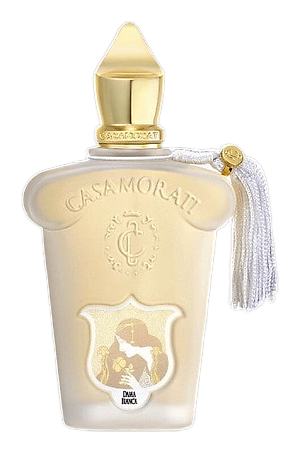
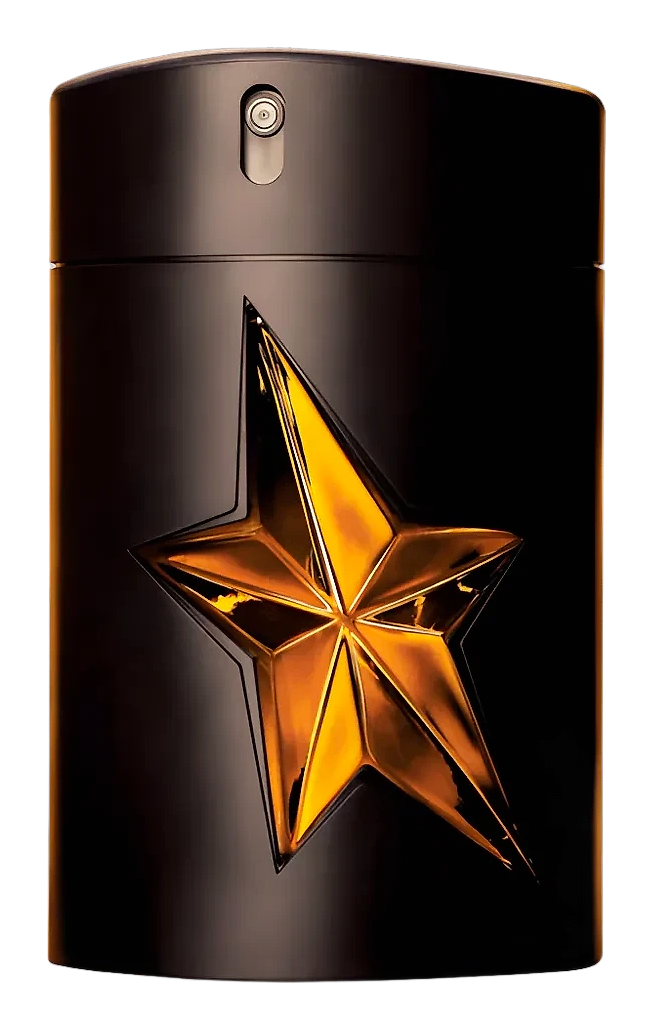
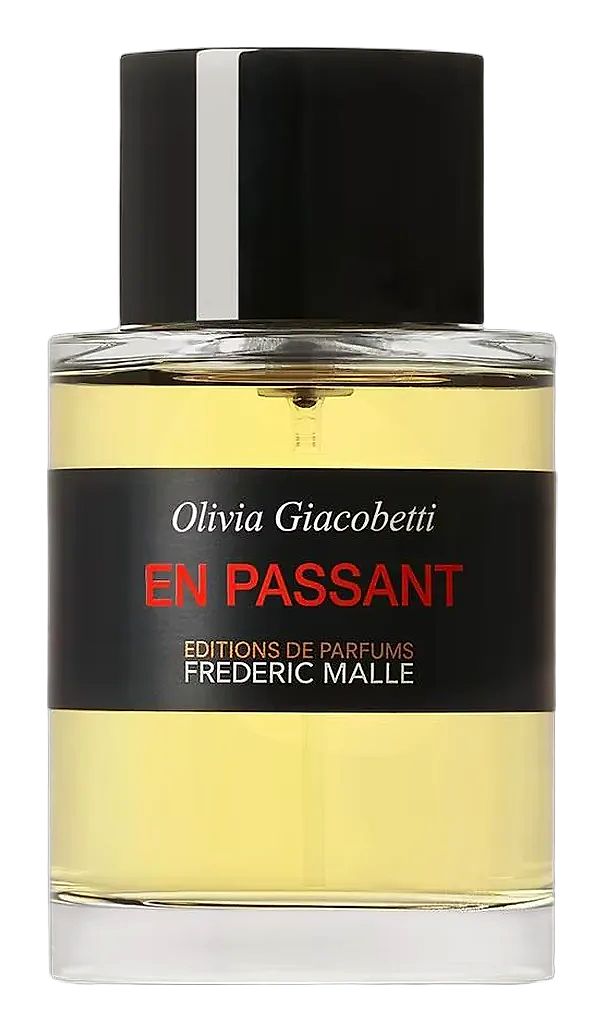
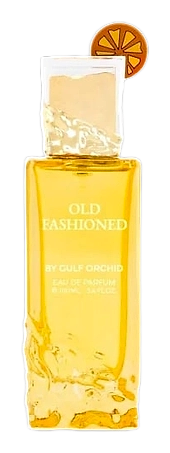
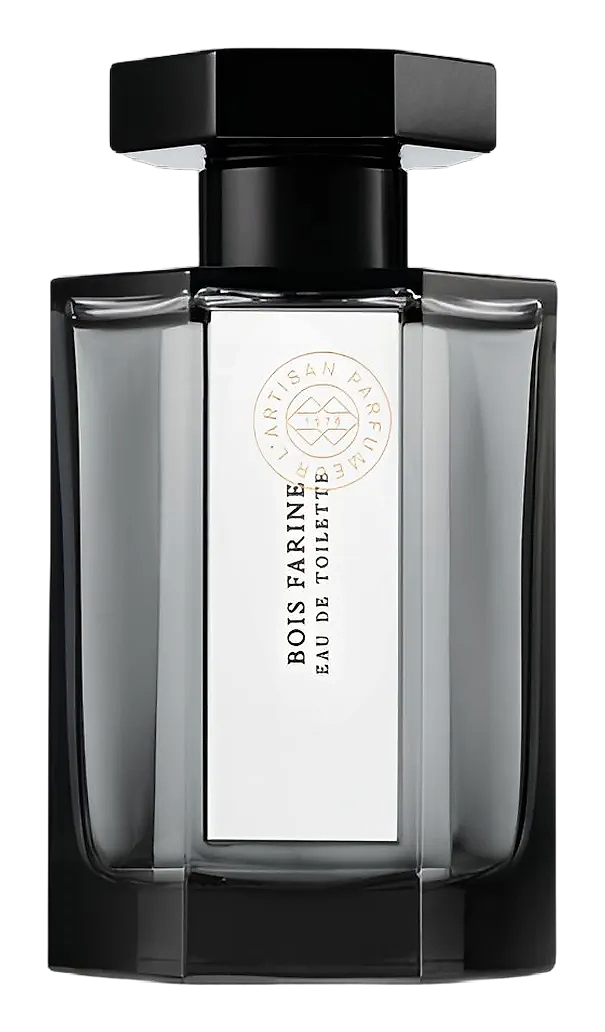
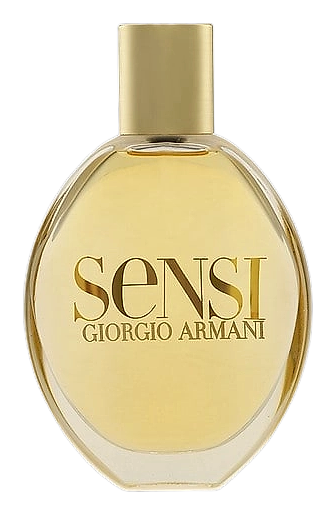
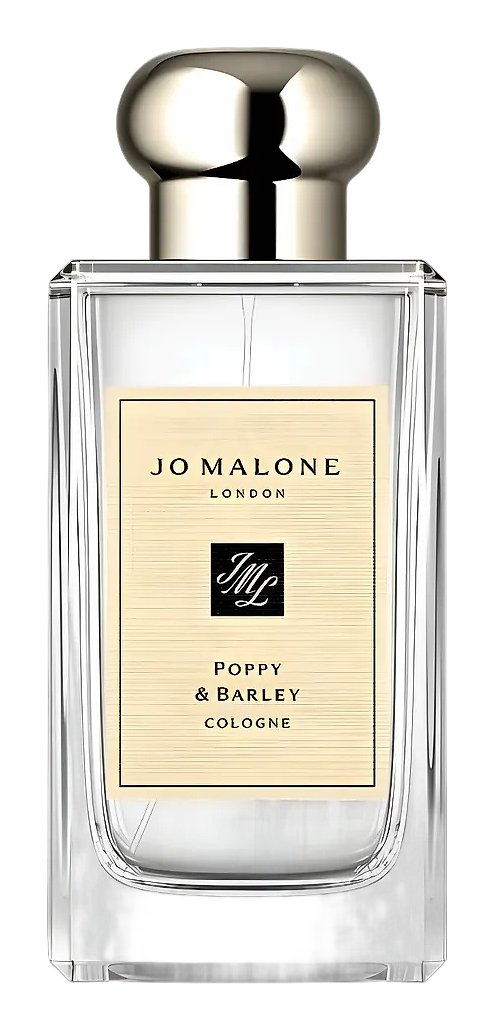
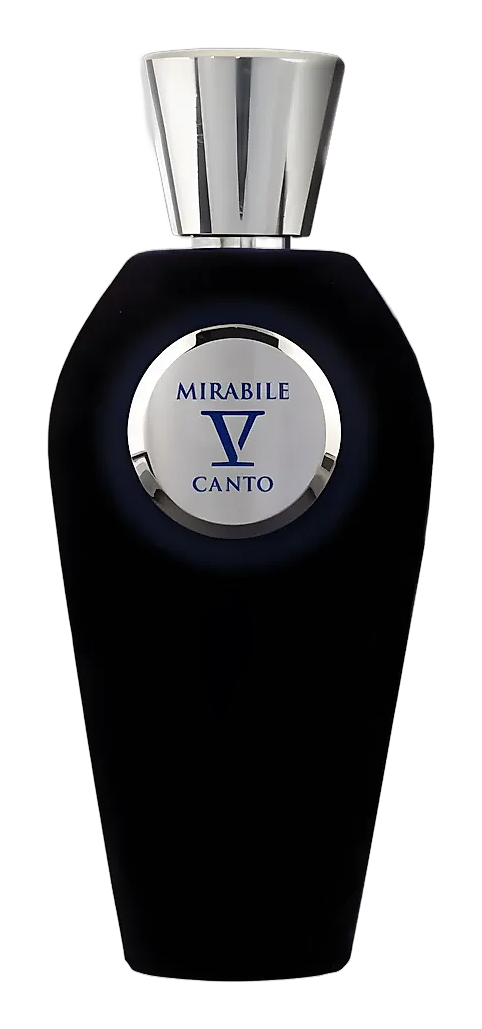
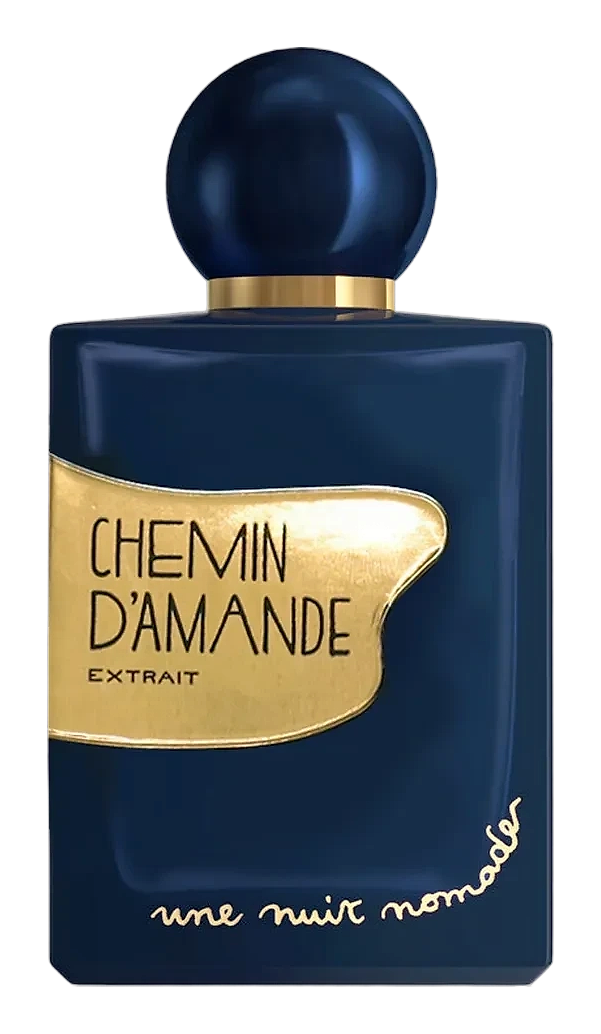
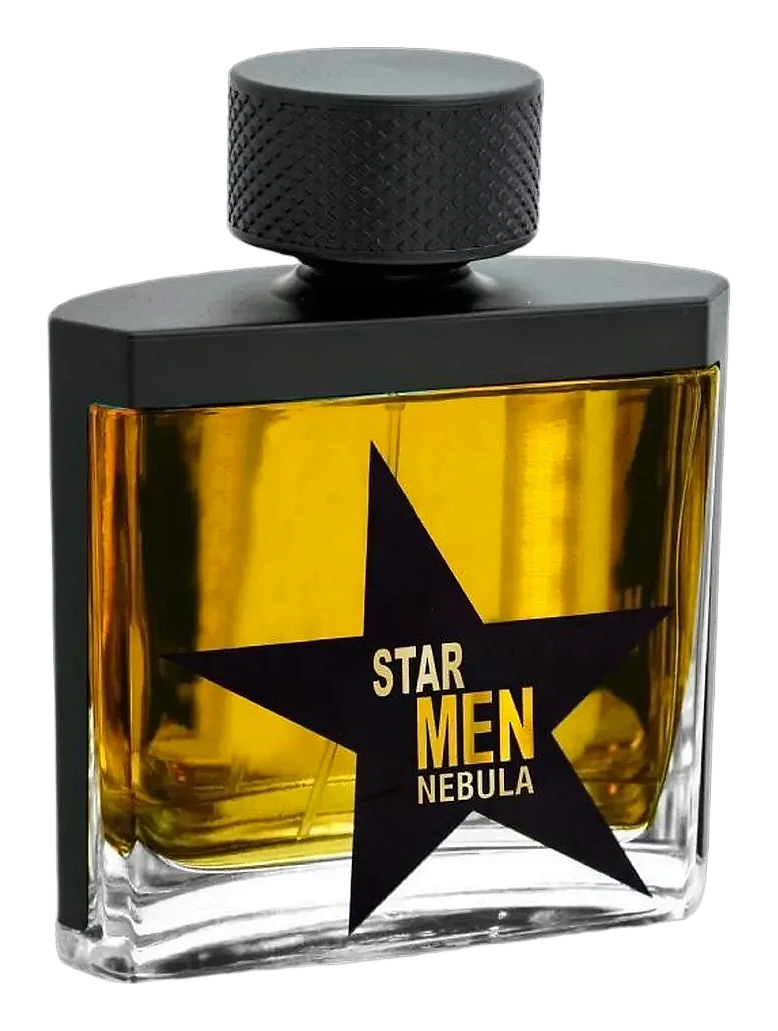
Fragrances featuring Wheat


Good to know
Questions, answered
The essentials on Wheat in perfumery: how it smells, where it comes from, and how it behaves on skin.
What does wheat smell like in perfumery?
Wheat absolute emits a warm, cereal aroma with notes of fresh bread, hay, and subtle sweetness reminiscent of harvested grain fields. It reads as both comforting and slightly green, grounding lighter florals with agricultural authenticity.
Is wheat used as a natural or synthetic ingredient in fragrances?
Wheat for perfumery exists in both natural and synthetic forms. Natural wheat absolute derives from supercritical CO2 extraction of grain material, while aroma chemicals like Furaneol replicate wheat's sweet, caramelized character synthetically for consistency.
Where does wheat for fragrance extraction originate?
Major wheat-producing nations including the United States, France, and Ukraine supply grain material for perfumery extraction. The Fertile Crescent region (modern Turkey) represents the ancestral origin of cultivated wheat species.
What extraction method captures wheat's scent compounds?
Supercritical CO2 extraction best preserves wheat's delicate grain esters and volatile aromatics. This cold-chain process extracts at temperatures below 35°C, protecting heat-sensitive compounds that give natural wheat its characteristic fresh-bread quality.
What fragrance families commonly feature wheat notes?
Wheat appears frequently in oriental, woody, and gourmand fragrances where its cereal warmth complements amber, sandalwood, and food-inspired accords. It also supports fresh and green compositions by adding natural, field-harvested authenticity.
Does wheat pose allergy concerns in perfumery?
Wheat contains gluten proteins that may trigger reactions in sensitized individuals. IFRA regulations require declaration of wheat-derived ingredients on product labels when concentration exceeds threshold values to protect consumers.
How long has wheat been available as a fragrance ingredient?
Wheat entered perfumery in the mid-20th century once extraction technologies advanced sufficiently. Supercritical CO2 methods developed in the 1980s made wheat's subtle aromatics practically accessible to modern perfumers.
Can perfumers replicate wheat without natural grain material?
Synthetics like 2-acetylpyrazine and gamma-decalactone approximate wheat's warm, cereal character. These aroma chemicals create grain-like effects often used in gourmand fragrances, though natural wheat absolute offers greater olfactory complexity.