
The Story
Why it exists.
The beginning
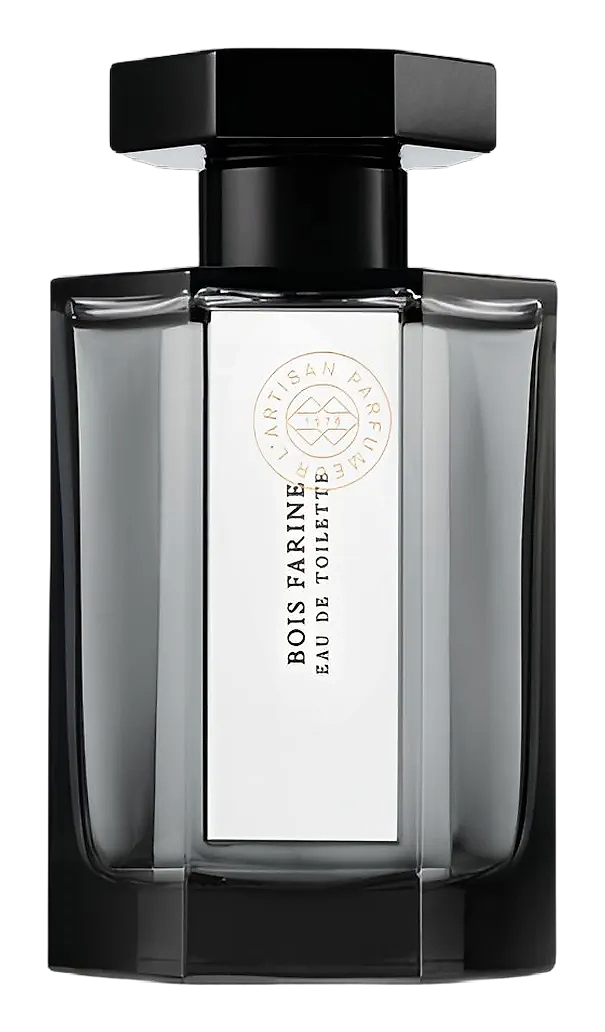
In 2003, Jean-Claude Ellena traveled to Reunion Island and wandered into a forest known for its multicolor, yellow wood, red wood, iron wood. One tree stopped him: a white aromatic species called Ruizia Cordata, found nowhere else on earth. Its red blossoms emitted something flour-like. Not sweet flour, not bread, something purer, almost mineral. The memory stayed. Months later, back in Grasse, Ellena built a fragrance around it, translating the memory of flour dust on warm bark into a composition that moves between powder and wood, soft and solid.
What makes Bois Farine unusual is its refusal to commit. It begins with fennel, a sharp, licorice note most perfumers use as an accent, never a lead. Grapefruit keeps it from going medicinal. Then the iris and wheat arrive, and the fragrance shifts into something almost edible: warm grain, soft powder, the smell of flour on wooden hands. But the base resists sweetness. Sandalwood and guaiac wood ground it. Benzoin adds warmth without sweetness. Cedarwood keeps it from being precious. The result is a fragrance that smells like something between flour and sawdust, a unique territory that almost no other fragrance occupies.
The evolution
Bois Farine opens with grapefruit brightness for maybe twenty minutes, then the citrus recedes and the fennel-grain structure takes over. The middle phase is where it lives: warm, powdery, the iris reading as soft violet without being heavy. The drydown takes an hour to arrive and then it stays, sandalwood and benzoin creating a warm, intimate cloud that sits close to the skin. On fabric, it lasts into the next day, a faint trace of powder and wood that surprises you in the morning. On skin, expect 6-8 hours, moderate sillage, it announces itself to the person beside you, not the room you're walking into.
Cultural impact
Bois Farine occupies a strange position: loved by those who own it, largely unknown to everyone else. It has the quiet reputation of a fragrance that people discover by accident, at a boutique, on someone else's skin, and then seek out deliberately. The flour-and-wood territory it occupies is nearly unique; there is no obvious comparison, no obvious replacement. Wearers describe it as the fragrance of someone who walks into a room and doesn't need to announce themselves.