Fennel Seed
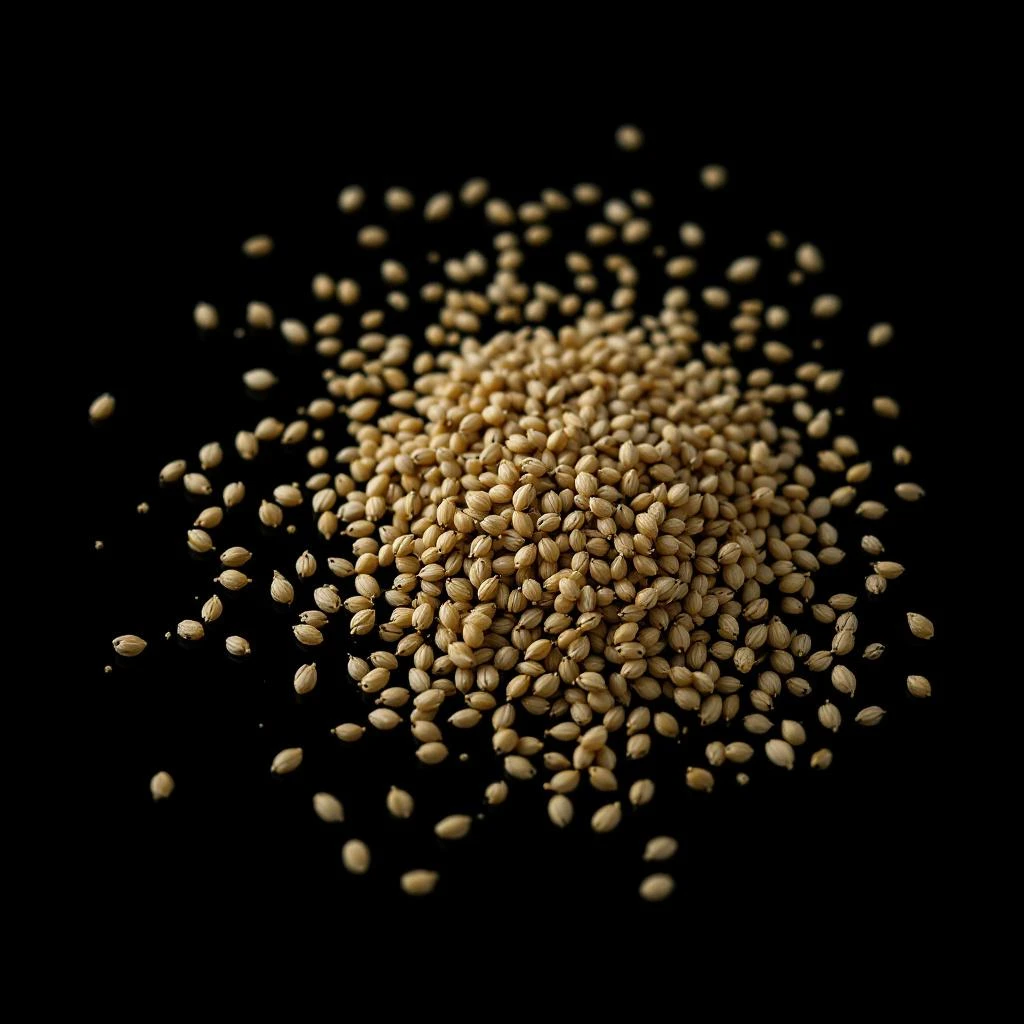
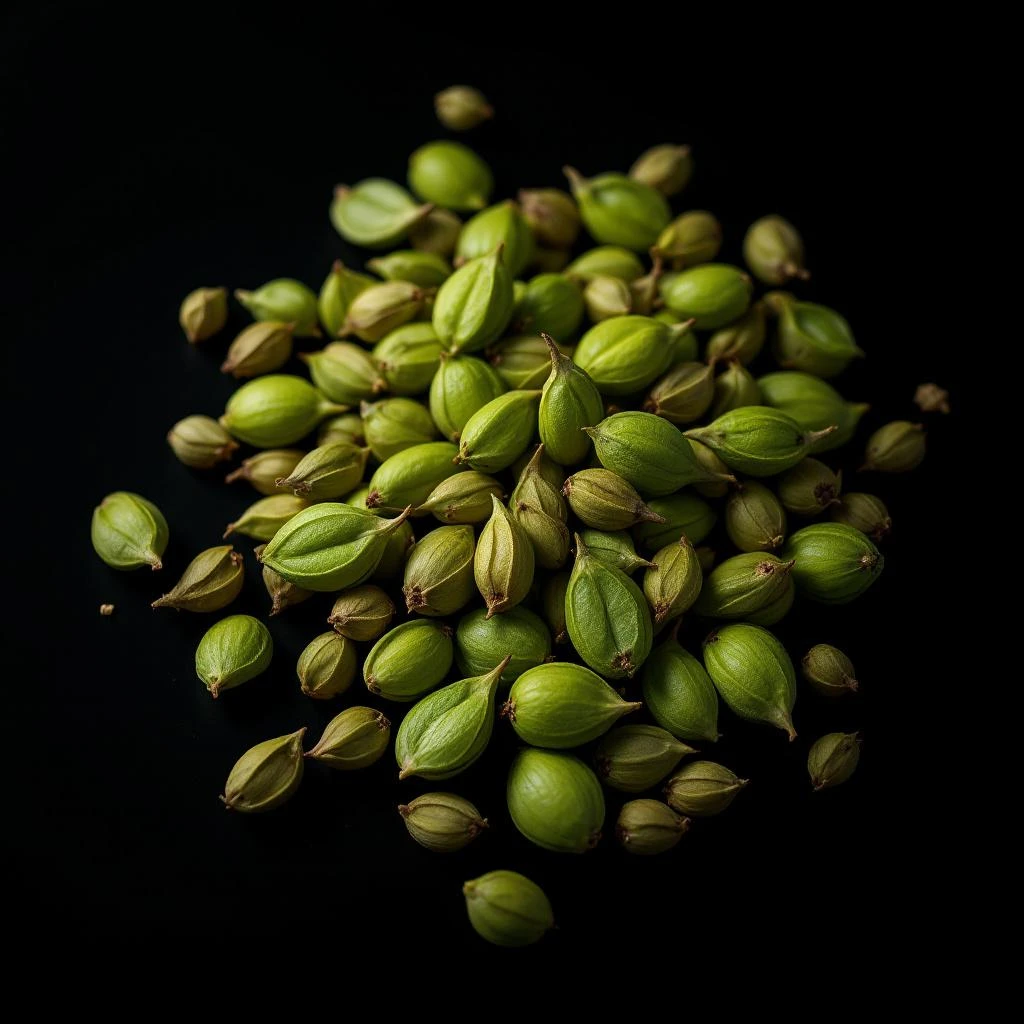
Fennel seed offers a bright, sweet herbaceous note that lifts blends with a whisper of licorice, rooted in centuries of culinary and aromatic tradition.
Character
How it smells
Sweet herbaceous spice, bright as sunrise.
Fennel seed oil contains up to 70 % anethole, the same molecule that flavors many confectioneries, making it both a culinary and perfume staple.




Origin
India
Fennel seed has traced its aromatic lineage back to ancient Mediterranean cultures. Greek texts describe the use of fennel in temple offerings, while Roman writers noted its inclusion in scented oils for personal grooming. Egyptian tomb murals depict seed‑based powders, suggesting early experimentation with aromatic botanicals.
By the Middle Ages, fennel seed oil appeared in apothecary recipes across Europe, valued for both its scent and digestive benefits. The 19th‑century rise of modern perfumery in Grasse incorporated fennel as a bright top note, balancing heavier woods and resins. Its sweet, licorice‑like character made it a favorite in fougère and aromatic fougère families, influencing classic masculine fragrances.
Today, fennel seed continues to bridge culinary and olfactory worlds, its heritage reflected in contemporary natural‑focused formulations.
Wears it best
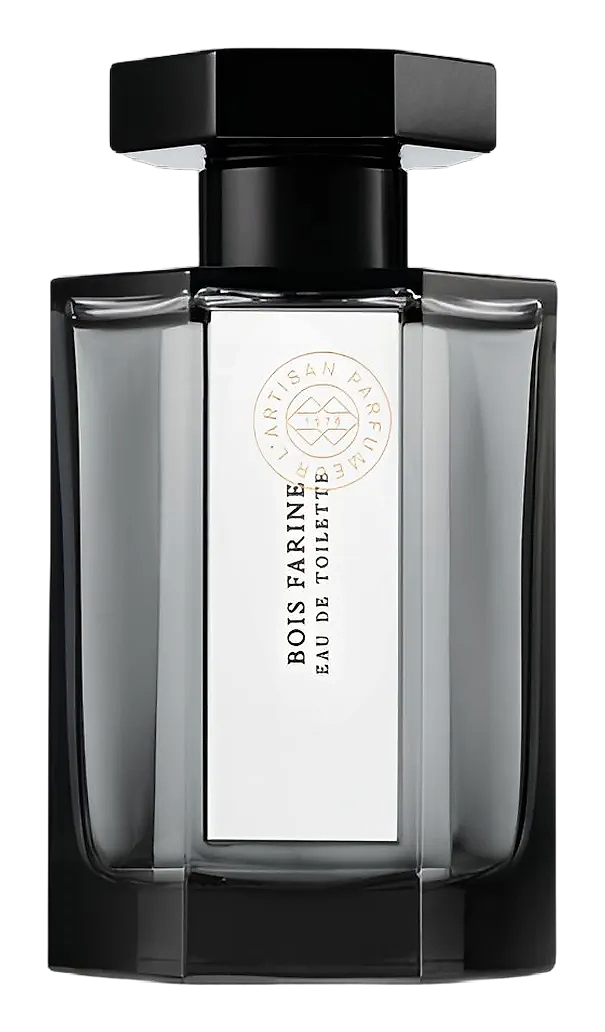
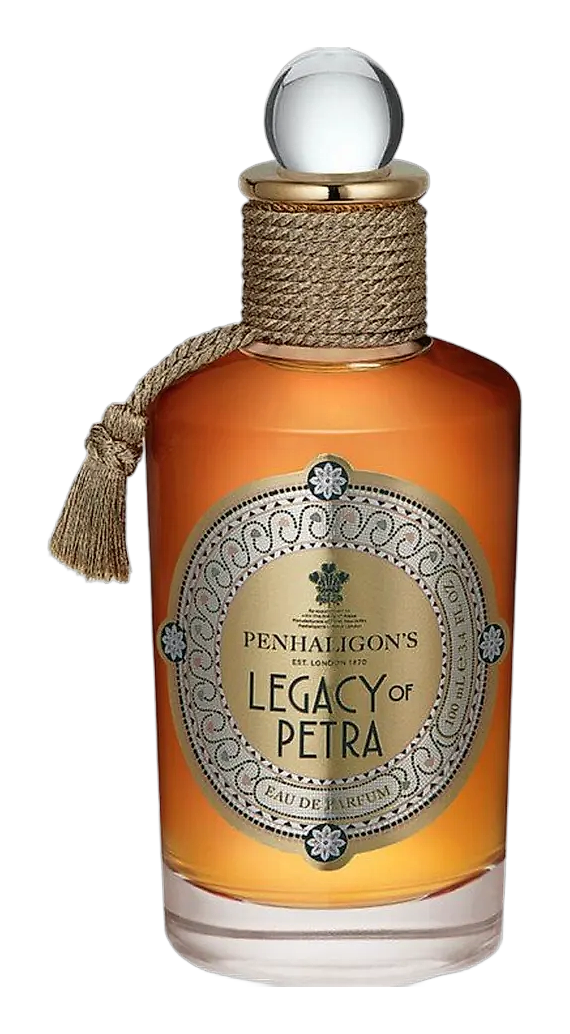
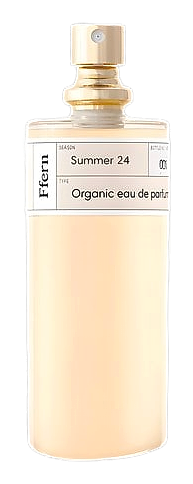
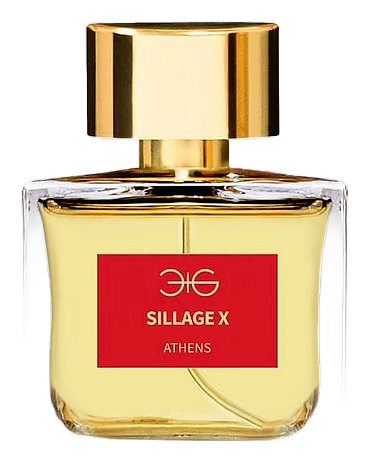
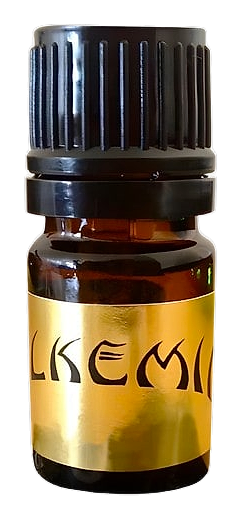
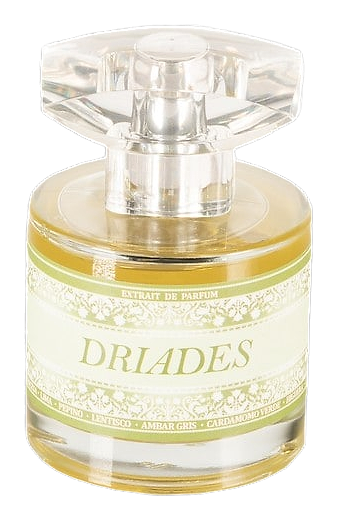
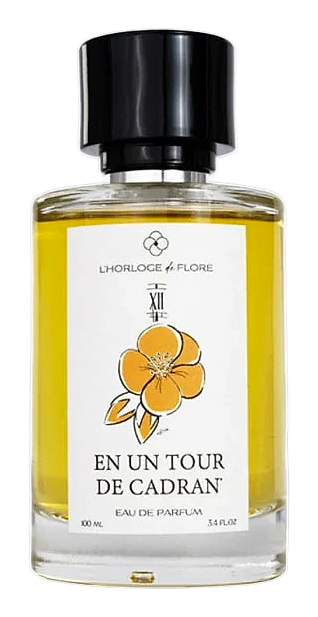
Fragrances featuring Fennel Seed
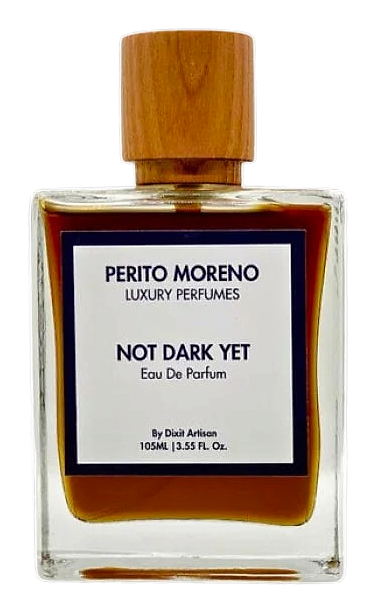
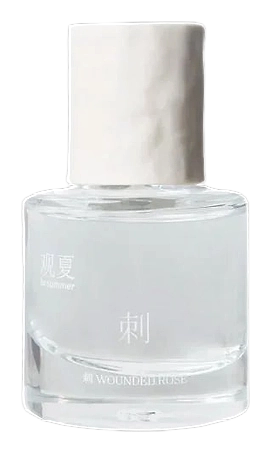
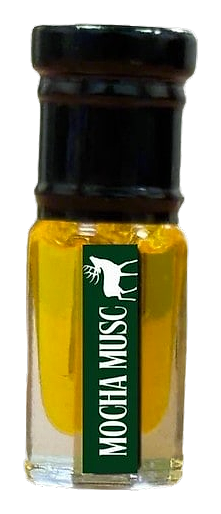
Brands
Brands known for Fennel Seed
Good to know
Questions, answered
The essentials on Fennel Seed in perfumery: how it smells, where it comes from, and how it behaves on skin.
What primary aroma does fennel seed oil contribute?
Fennel seed oil delivers a sweet, herbaceous scent with a faint licorice edge. The oil’s dominant molecule, anethole, accounts for roughly 70 % of its composition, creating that unmistakable profile. Perfumers often place it in the top or middle layer to brighten blends.
Which chemical compounds define fennel seed oil?
Anethole, fenchone, and estragole define the oil’s character. Anethole makes up about 70 % of the oil, while fenchone contributes a subtle camphor note at roughly 5 % concentration. These three molecules together shape the sweet‑herbaceous aroma prized by creators.
Is fennel seed oil safe for skin contact?
Fennel seed oil is generally safe for topical use when diluted to 1‑2 % in a carrier. A 2015 dermatological study reported no irritation in 95 % of participants at a 2 % dilution. Patch testing remains advisable for sensitive skin types.
How does fennel seed oil interact with other fragrance families?
The oil blends well with citrus, aromatic fougère, and woody families. Its sweet herbaceous tone can soften sharp citrus top notes and reinforce the green heart of lavender. In woody bases, it adds a bright lift without overwhelming the composition.
What is the typical yield of essential oil from fennel seeds?
Yield averages between 0.5 % and 1.2 % by weight of dried seeds. A 2020 extraction report documented a 0.9 % yield from a batch of organically grown Indian seeds under standard steam distillation conditions. Yield varies with seed moisture and distillation time.
Can fennel seed oil be used in aromatherapy?
Yes, it is used for its uplifting and digestive‑supporting properties. A 2018 clinical trial found inhalation of diluted fennel oil reduced perceived stress scores by 12 % after a 15‑minute session. It is typically diffused at concentrations below 0.5 %.
What storage conditions preserve fennel seed oil quality?
Store the oil in amber glass, away from direct sunlight and at temperatures below 20 °C. Exposure to light accelerates oxidation; a 2017 stability test showed a 30 % loss of anethole after six months in clear containers. Tight sealing prevents evaporation.
Is fennel seed oil compatible with natural perfume formulations?
It integrates smoothly into natural perfume bases that avoid synthetic fixatives. Because the oil is fully natural and solvent‑free, it meets clean‑beauty standards. Formulators often pair it with natural citrus extracts and woody absolutes to create balanced, compliant blends.