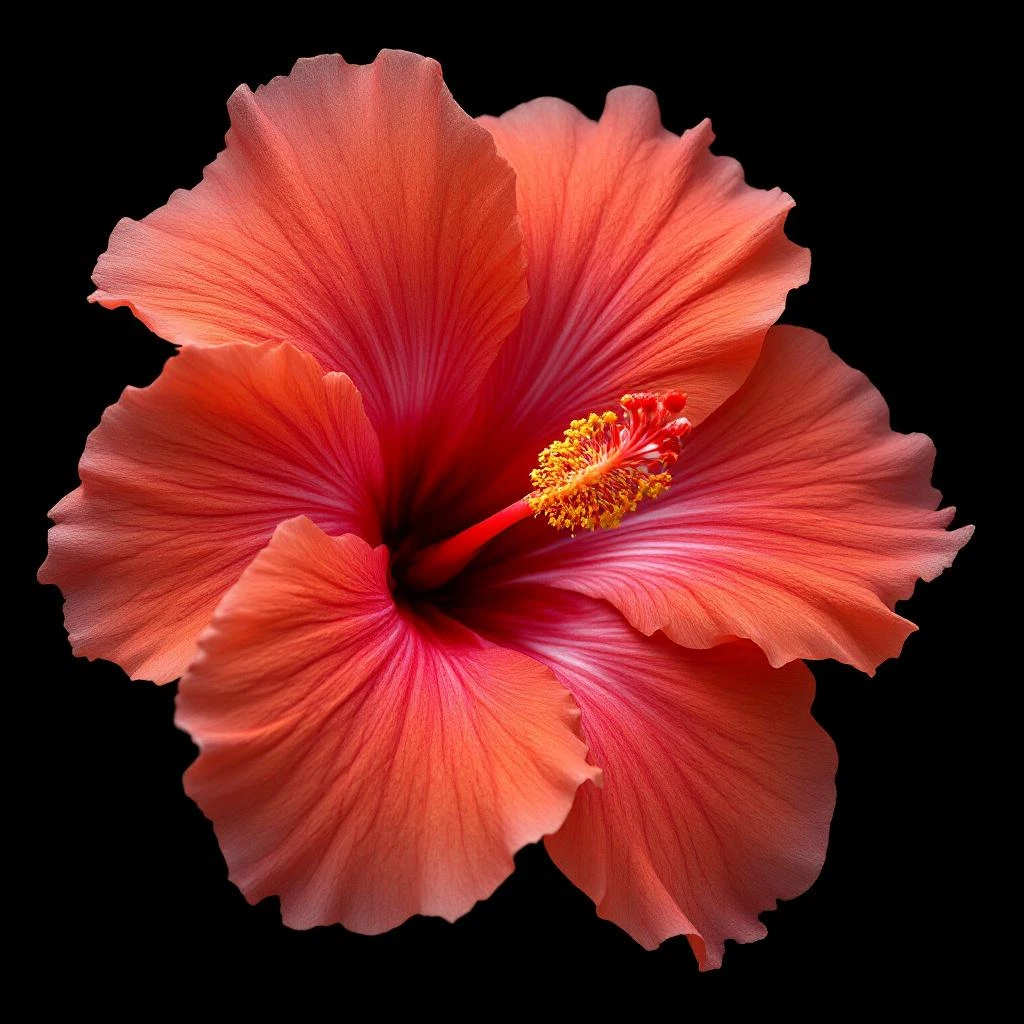
Ambrette Seed
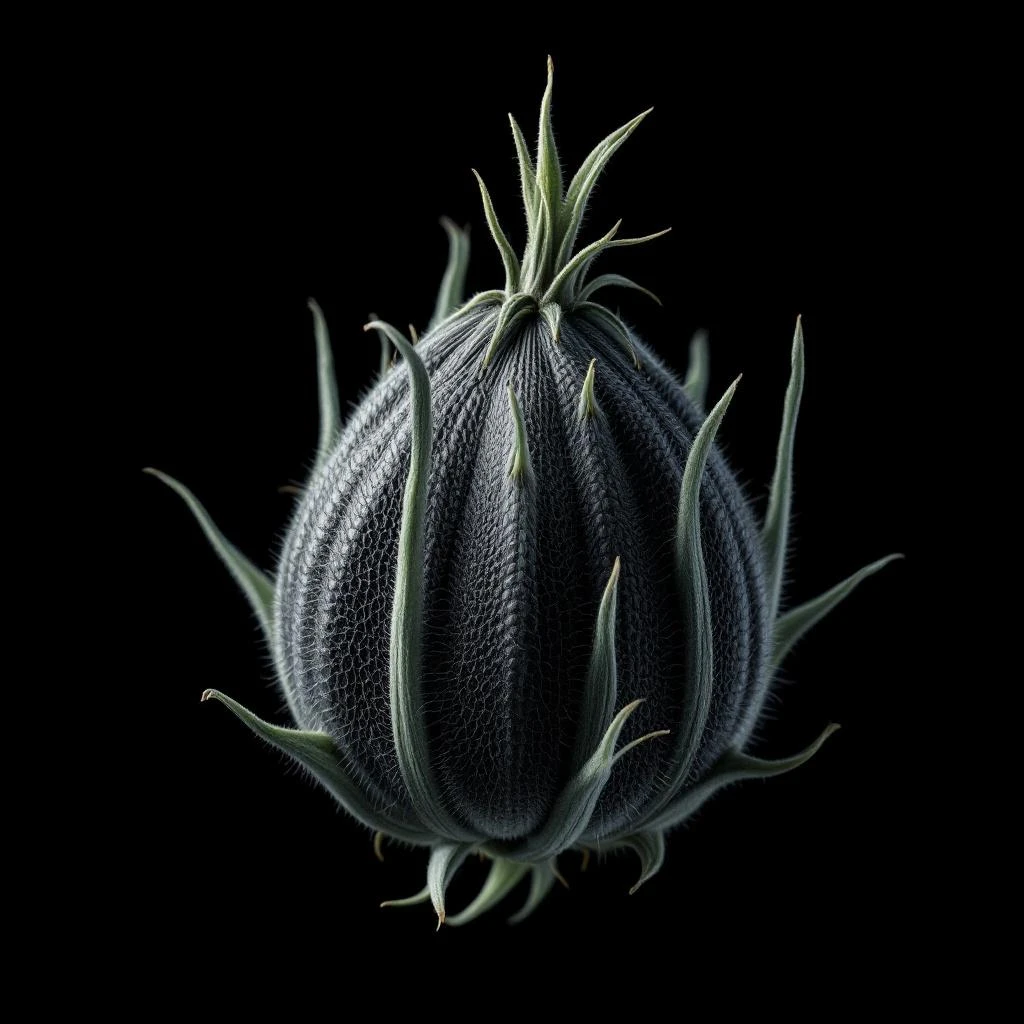
The seeds of Abelmoschus moschatus yield one of perfumery's most treasured vegetable musks. Native to India and tropical Asia, this warm, floral material bridges ancient tradition and modern scent design.
Character
How it smells
The vegetable musk with ancient roots
Ancient cultures blended ambrette seeds into chocolate drinks and coffee, making it one of the earliest culinary flavorings in perfumery history.







Origin
India
The use of ambrette seed in perfumery stretches back to ancient civilizations. Both Egyptian and Roman cultures prized this material for its aromatic and medicinal qualities, incorporating it into their fragrance traditions centuries before modern chemistry existed. Beyond perfumery, historical records show ambrette seeds served practical purposes: they flavored coffee in tropical regions and appeared in traditional chocolate preparations sweetened with sugar.
The material gained significant commercial traction in the 19th century when European perfumers began systematically sourcing exotic ingredients from Asian markets. Its warm, musky character made it especially popular in oriental fragrance compositions, where it functioned as both a base note and fixative. Today, cultivation spans India, Indonesia, Peru, and Ecuador, with global production reaching approximately 60 tons annually.
The ingredient remains sought after for its ability to create intimate, skin-close fragrance effects that synthetic musks struggle to replicate authentically.
Wears it best
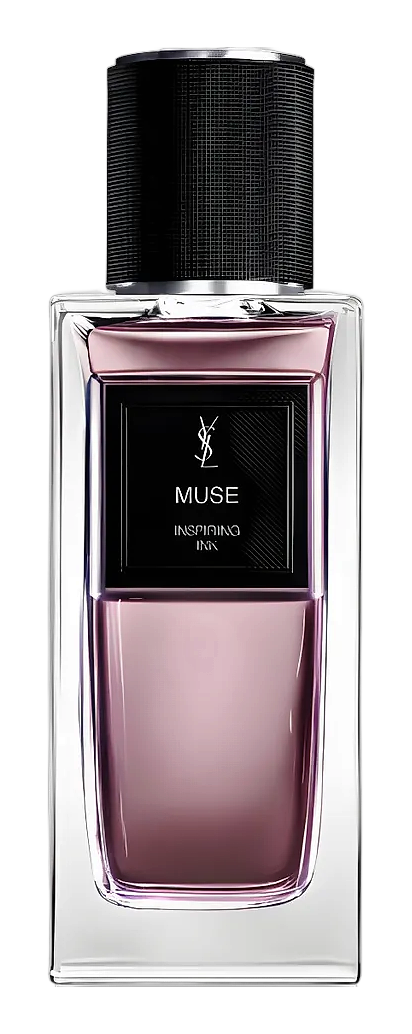
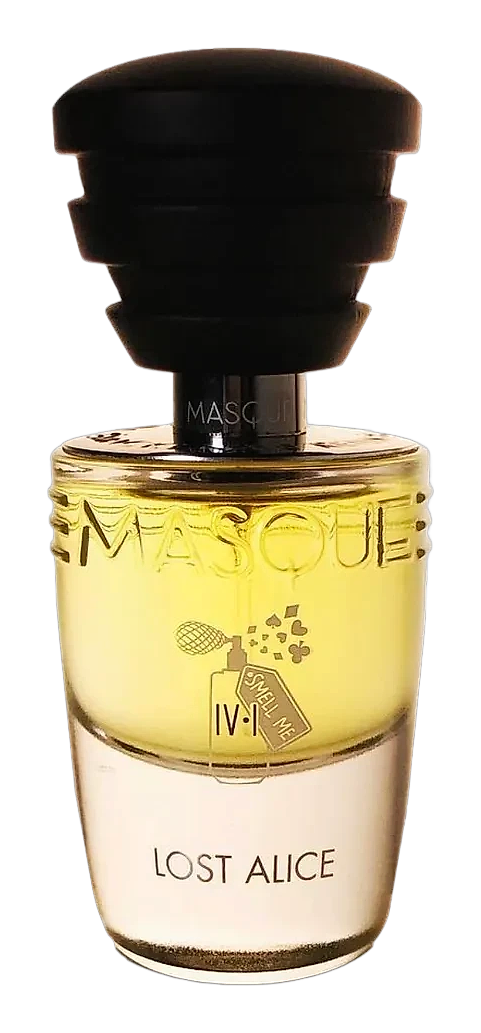
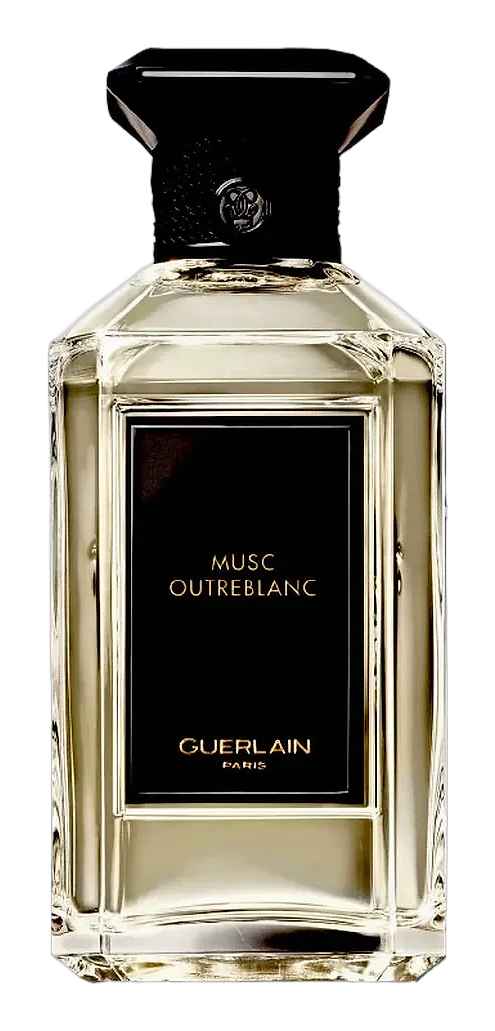
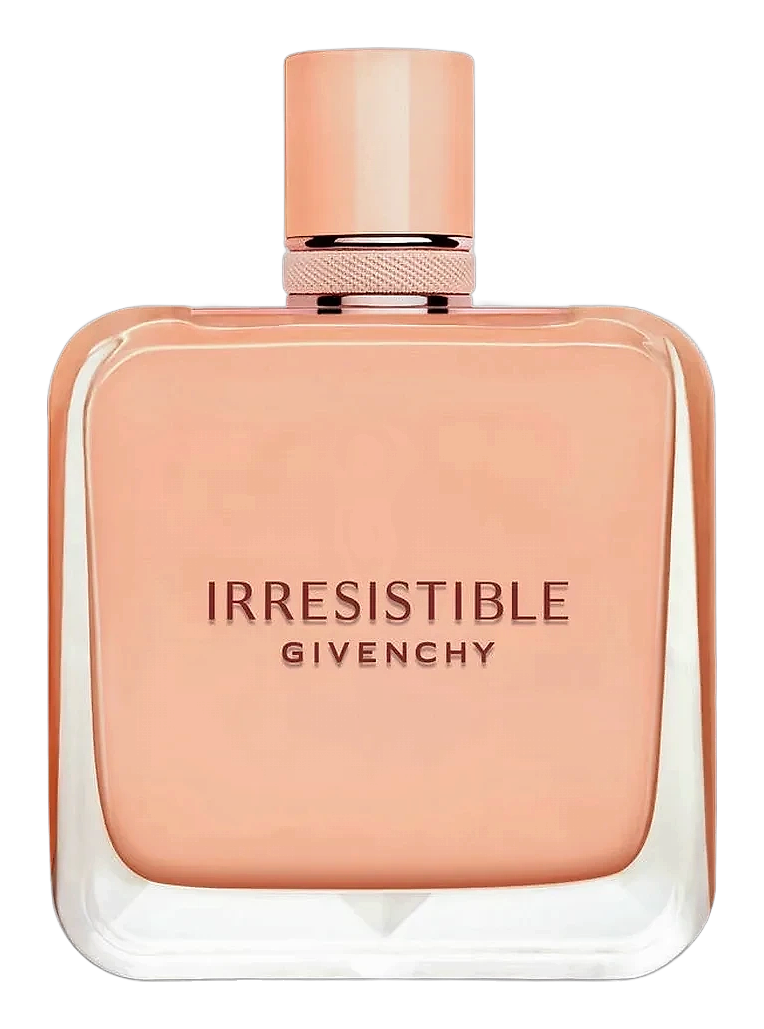
Fragrances featuring Ambrette Seed

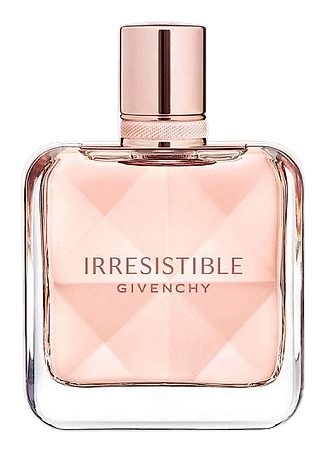
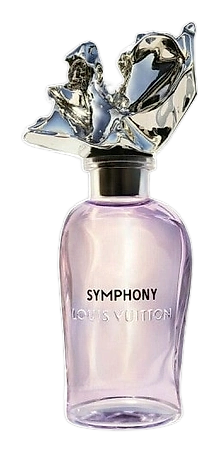
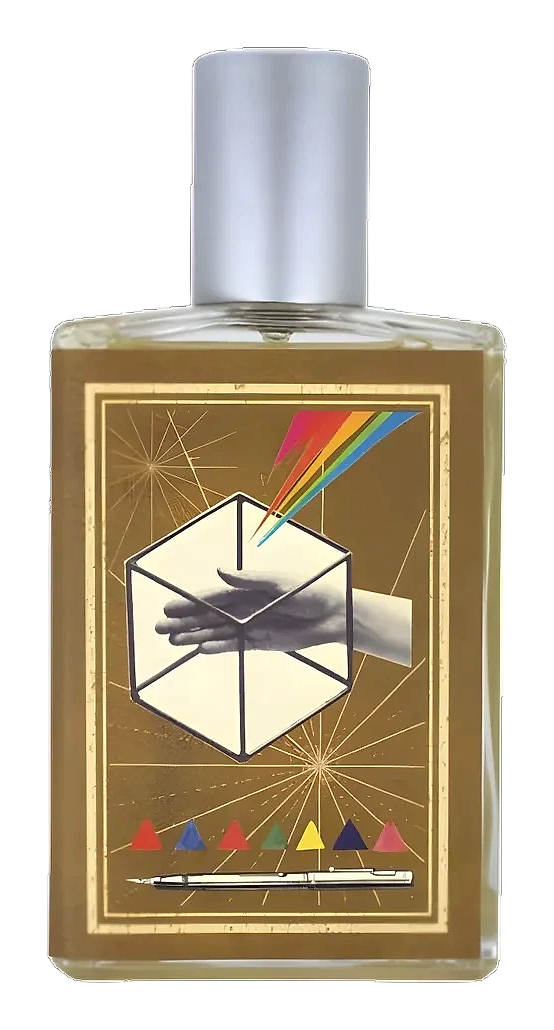
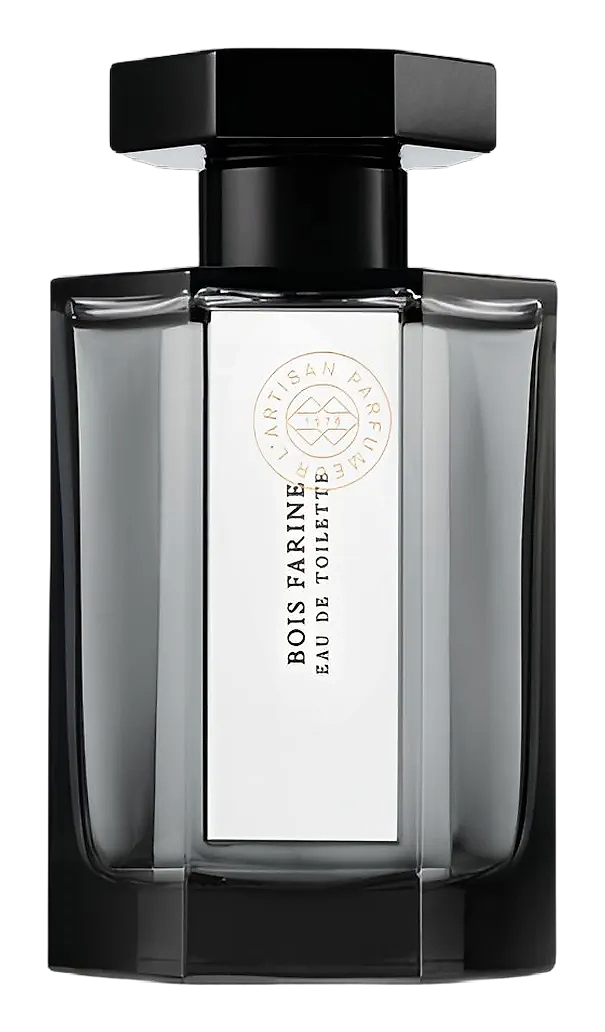

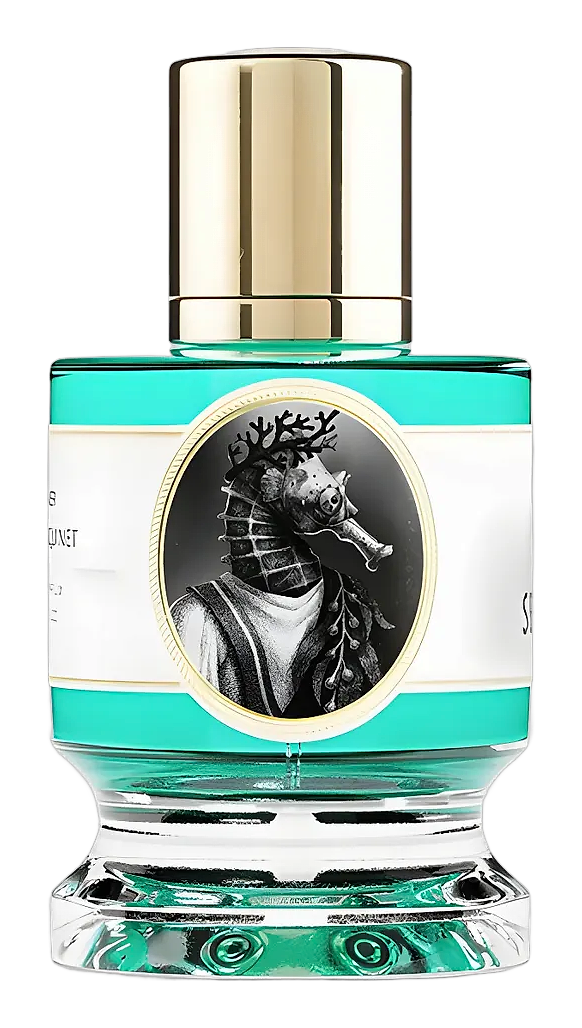
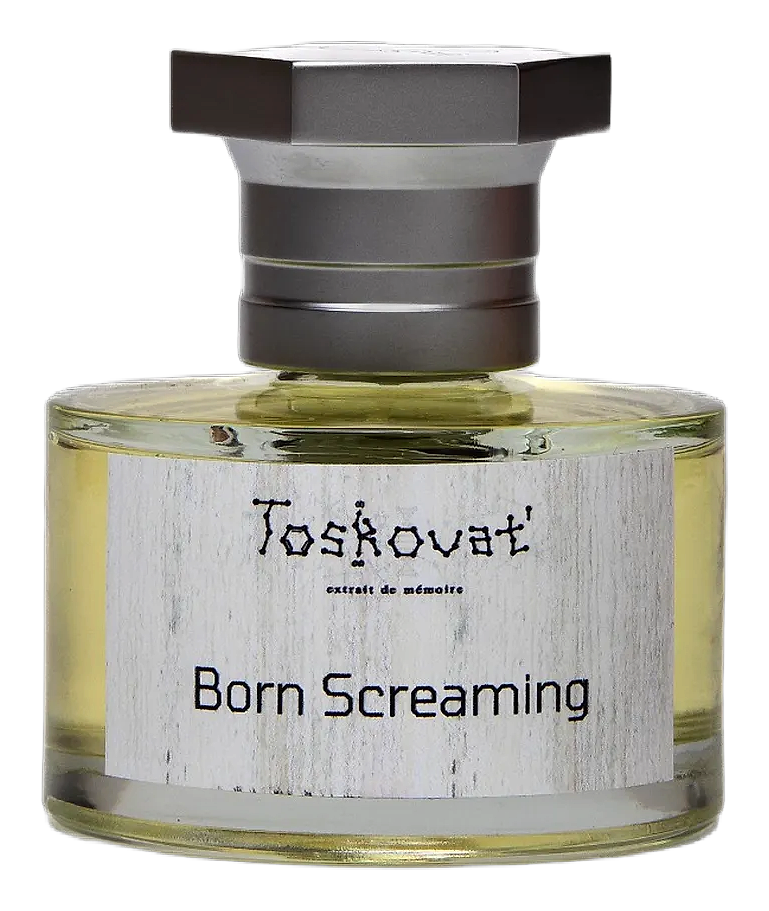
Brands
Brands known for Ambrette Seed
Good to know
Questions, answered
The essentials on Ambrette Seed in perfumery: how it smells, where it comes from, and how it behaves on skin.
What does ambrette seed smell like?
Ambrette seed carries a warm, musky scent with distinct floral and slightly sweet undertones. It mimics animalic musks while remaining completely vegetable-based, creating an intimate, skin-like quality that works beautifully in base note positions.
Is ambrette seed a natural musk?
Yes, ambrette seed is one of the few natural vegetable musks available to perfumers. Extracted from hibiscus plant seeds, it delivers musky warmth without relying on animal-derived ingredients like traditional musk.
What fragrances use ambrette seed?
Ambrette seed appears frequently in oriental and romantic fragrance constructions. Perfumers value it as a fixative that extends the life of lighter top notes, and it works especially well in creamy, skin-close compositions.
Where does ambrette seed come from?
Ambrette seed originates from Abelmoschus moschatus, a hibiscus species native to India and tropical Asian forests. Commercial cultivation also takes place in Indonesia, Peru, and Ecuador, with India remaining the primary source.
How is ambrette seed absolute produced?
Producers extract ambrette seed absolute using solvent extraction of dried, mature seeds. This method captures the full aromatic profile including the warm, musky compounds that make this ingredient so prized in fine perfumery.
Why is ambrette seed so expensive?
Ambrette seed commands premium pricing due to limited global production, approximately 60 tons annually, and the labor-intensive seed harvesting and extraction process. Its exceptional fixative properties and natural musk character justify the investment for serious perfumers.
Can I use ambrette seed in natural skincare products?
Ambrette seed absolute works in natural cosmetics and skincare formulations when properly diluted. Like all concentrated absolutes, it requires careful handling and skin testing, but its vegetable origin appeals to natural product formulators.
Does ambrette seed have any historical medicinal uses?
Ancient texts document ambrette seed use beyond perfumery. Traditional systems employed it for digestive support and aromatic purposes, reflecting a broader cultural appreciation for this versatile seed that predates modern fragrance chemistry.