Grain
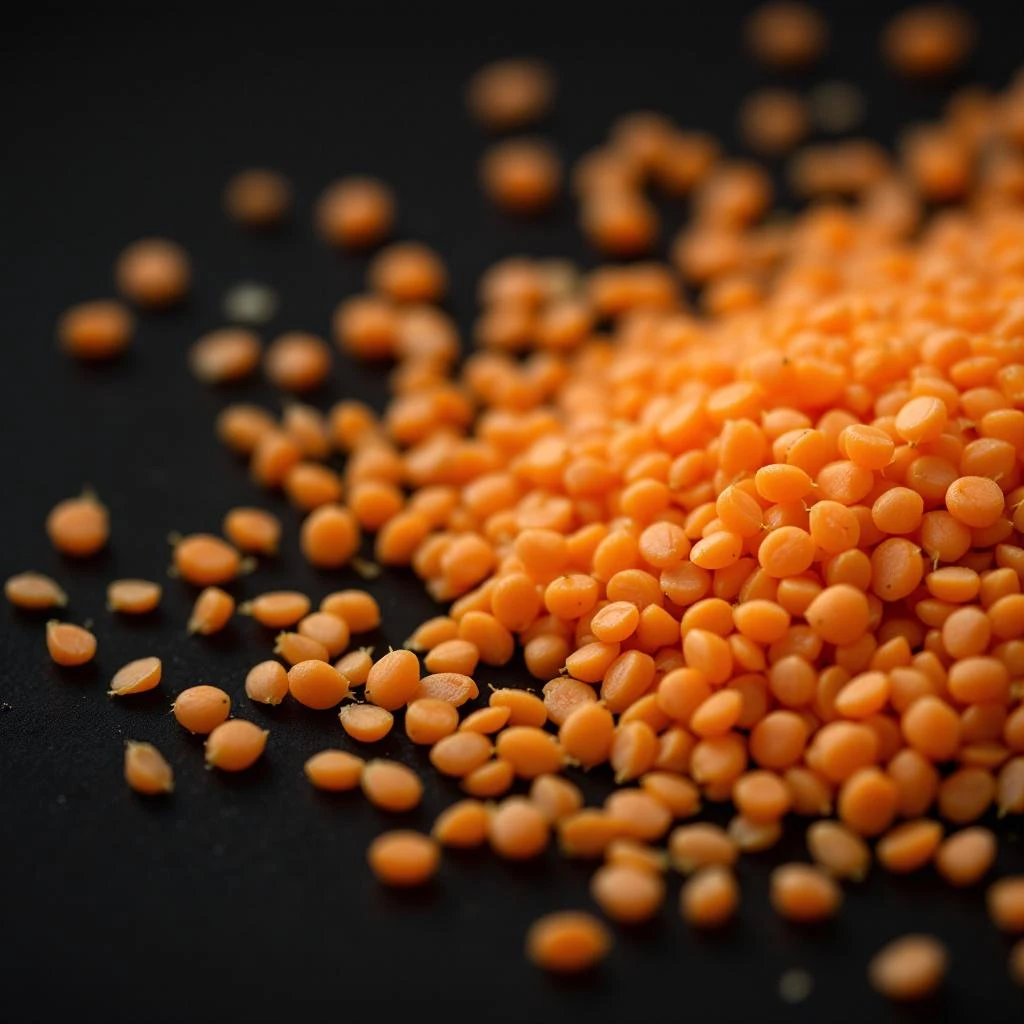
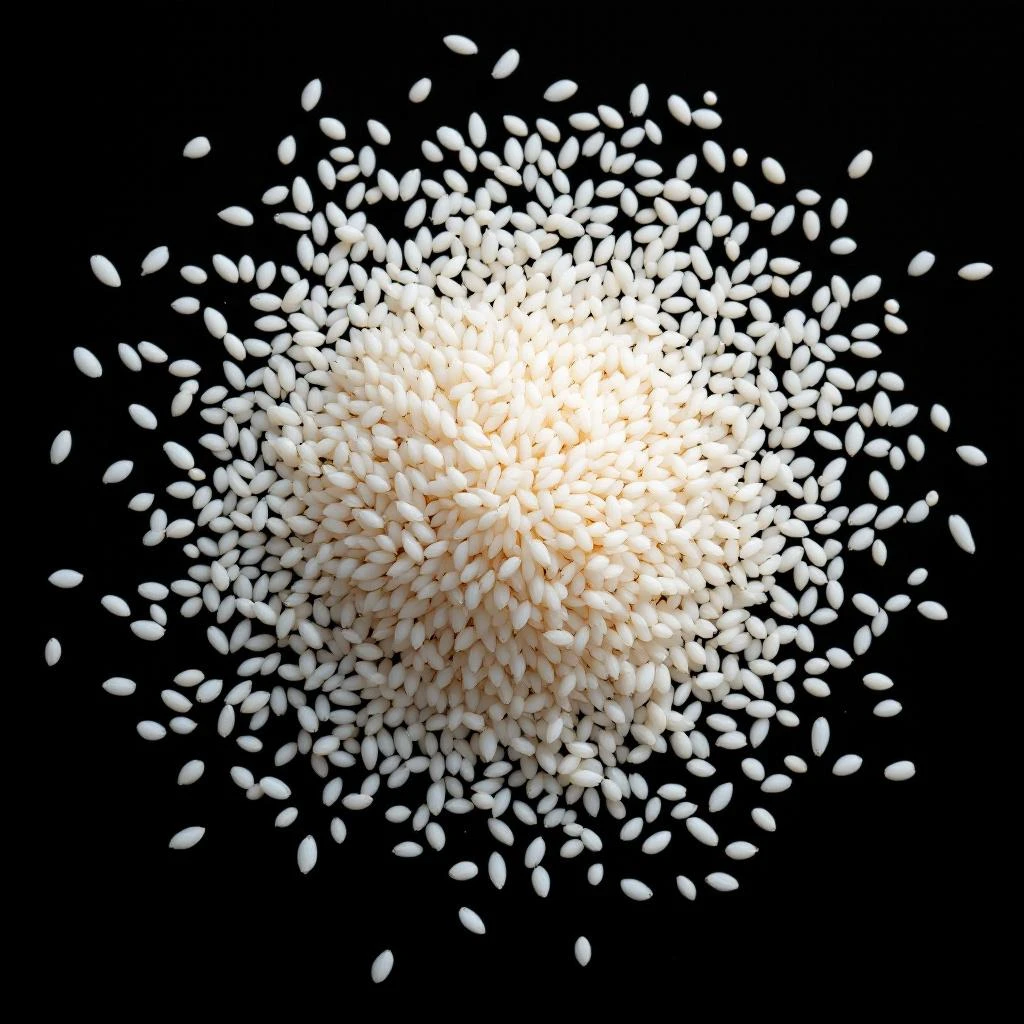
Grain notes in perfumery capture the warm, toasty essence of harvested cereals, evoking the scent of fresh wheat, bread, and malted barley. These materials add a comforting, organic quality to fragrances, often serving as heart or base components that ground lighter top notes. Grain works particularly well in compositions seeking a natural, earthy warmth.
Character
How it smells
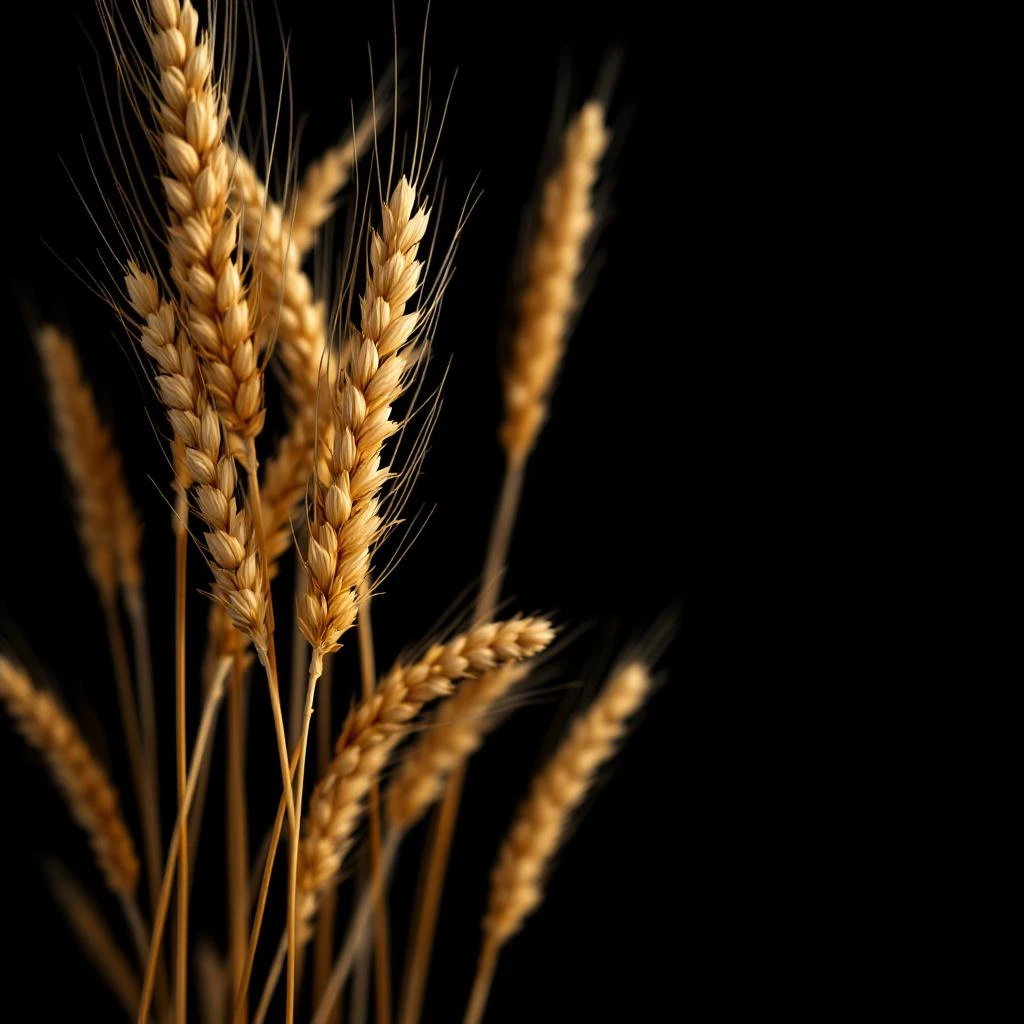
The scent of sun-drenched fields and freshly harvested wheat, bottled.
The grain note family spans six distinct variations, from fresh hay to rich tobacco, each capturing different stages of cereal maturation.









Origin
France
Grain holds ancient roots in perfumery, with Mesopotamian and Egyptian civilizations using early extraction techniques to capture aromatic qualities from cereal grains as early as 3000 BCE. These early perfumers combined steam extraction with oil infusion methods passed down through generations.
The recorded use of alcohol for macerating plant materials, including grains, dates to ancient Egypt, establishing foundational techniques still referenced today. By the 12th century, Arabian physicians refined distillation methods, which eventually influenced European perfumery practices.
Modern perfumery underwent a significant transformation in the late 19th century when commercial synthesis of grain-associated aroma compounds like coumarin and vanillin emerged, enabling perfumers to access consistent grain effects at scale. Today, grain notes remain a bridge between traditional perfumery and contemporary chemistry.
Wears it best
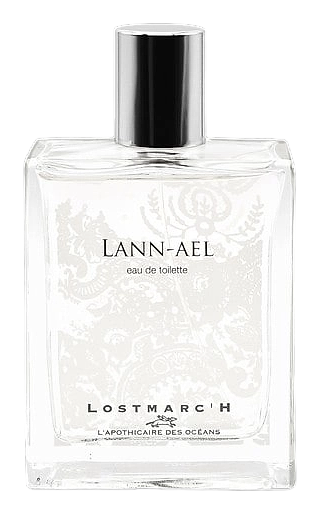
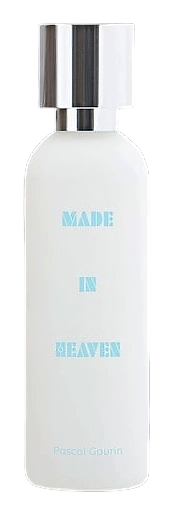
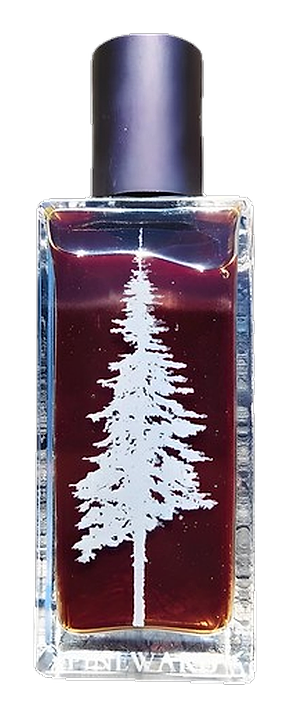
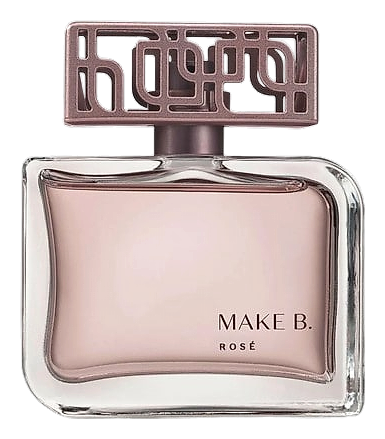
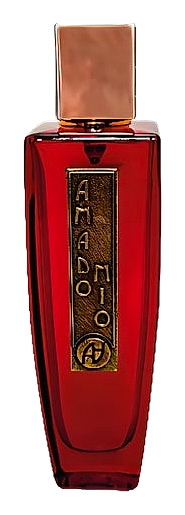
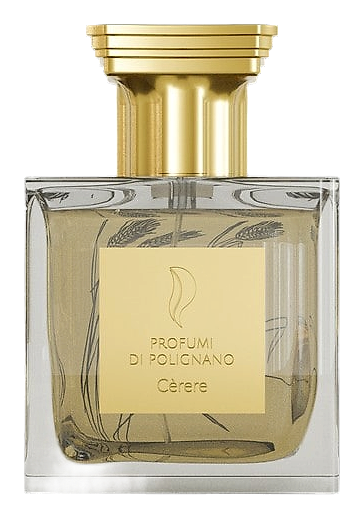
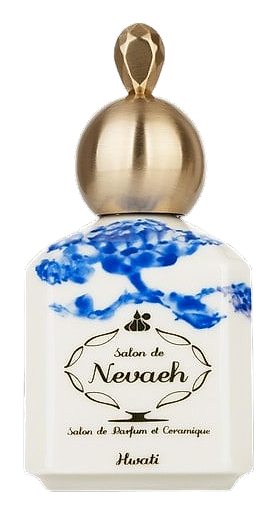
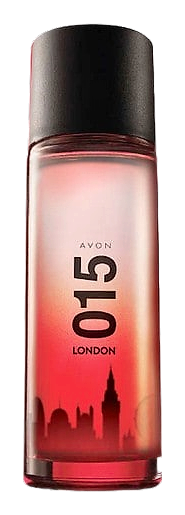
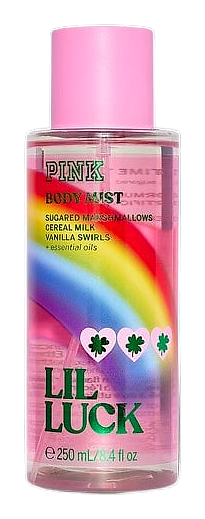
Fragrances featuring Grain

Brands
Brands known for Grain
Good to know
Questions, answered
The essentials on Grain in perfumery: how it smells, where it comes from, and how it behaves on skin.
What does Grain smell like in perfume?
Grain in perfume smells like warm, toasty cereals with subtle sweetness reminiscent of fresh bread, malted barley, and hay. These notes create a comforting, organic quality that evokes sun-dried fields and harvested wheat. The effect is typically warm and slightly sweet without being cloying.
Why is Grain used in perfumery?
Grain notes provide warmth, body, and an organic quality that grounds lighter fragrance elements. They create a natural, comforting effect that enhances Oriental, fresh, and Woody fragrance families. Approximately 12% of commercial fragrances feature grain or cereal-associated notes in their compositions.
Is Grain in perfume natural or synthetic?
Grain notes in perfume come from both natural and synthetic sources. Natural grain materials include rice bran absolute, wheat germ oil, and oat extract. Synthetic alternatives like maltol, furaneol, and ethyl maltol replicate grain effects and offer greater consistency. Most modern fragrances use a combination of both.
What famous perfumes contain Grain?
Several luxury fragrances incorporate grain notes for their warm, comforting character. The specific formulations remain proprietary, but grain notes appear across Oriental, Woody, and fresh fragrance families. These materials are particularly common in autumn and winter seasonal releases from major houses.
Is Grain a top note, heart note, or base note?
Grain functions primarily as a heart or base note in perfumery. The molecules responsible for grain character typically have a low evaporation rate, allowing them to emerge after the top notes fade. As base materials, they provide lasting warmth and help anchor the fragrance to the skin for 4-6 hours.
What notes pair well with Grain in perfume?
Grain notes pair excellently with vanilla, amber, and woody materials like sandalwood and cedar. They also complement marine freshness and citrus in modern fresh fragrance constructions. In Oriental compositions, grain enhances the warmth of spices and resins.
How is Grain extracted?
Grain materials are extracted primarily through solvent extraction or supercritical CO2 extraction, which yields concentrated absolutes without heat degradation. These methods produce a waxy concrete containing the aromatic grain compounds. Steam distillation is used for certain materials but may lose heat-sensitive molecules.
Is Grain used in men's or women's fragrances?
Grain notes appear across both men's and women's fragrances without gender bias. In men's fragrances, grain often pairs with leather and tobacco for a robust character. In women's fragrances, grain complements florals and vanilla for a warm, enveloping quality. The versatility of grain makes it suitable across the fragrance spectrum.