Celery Seeds
A medicinal herb turned perfumery secret, celery seeds yield a green, slightly bitter aromatic oil that brings unexpected depth to modern fragrances. Often hiding in the drydown of your favorite scents.
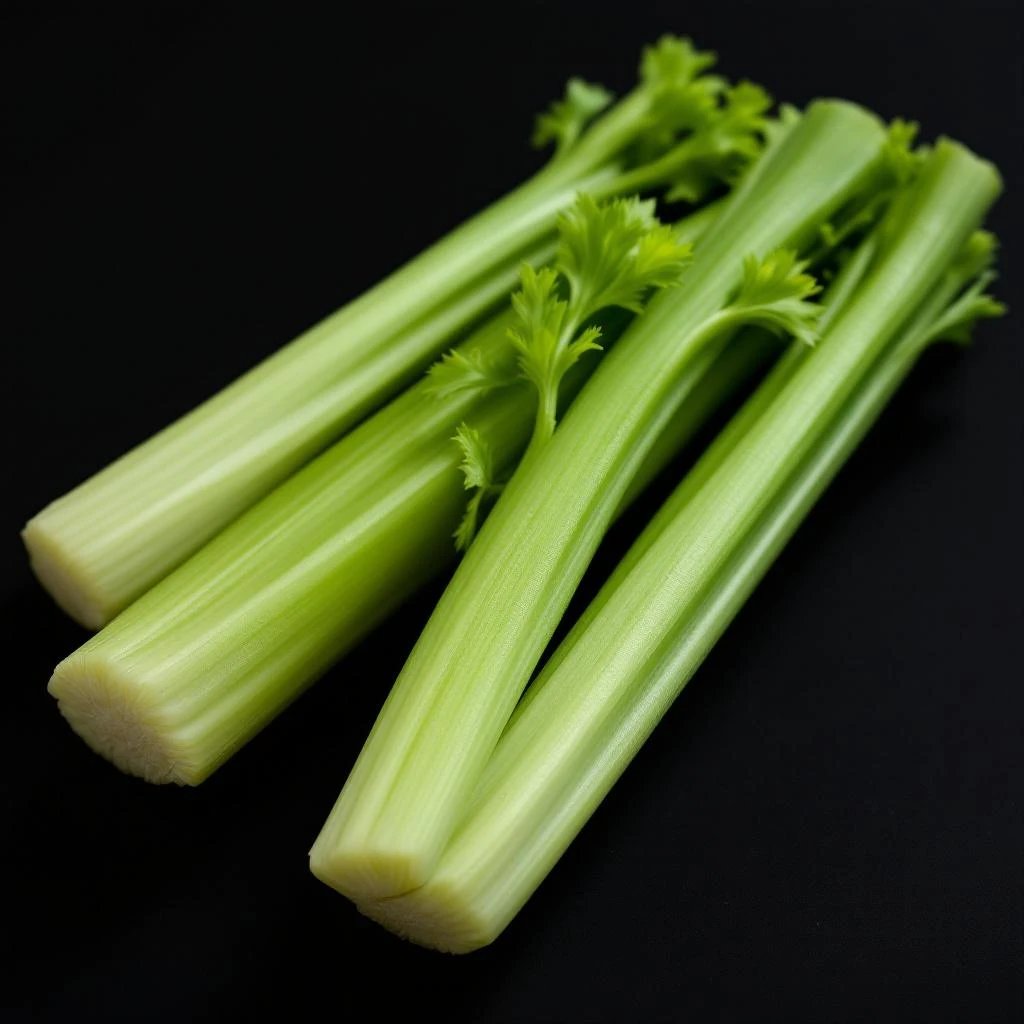
Character
How it smells
The quiet green note hiding in plain sight.
Before anyone ate celery stalks, ancient physicians prescribed the seeds to treat everything from anxiety to joint pain.


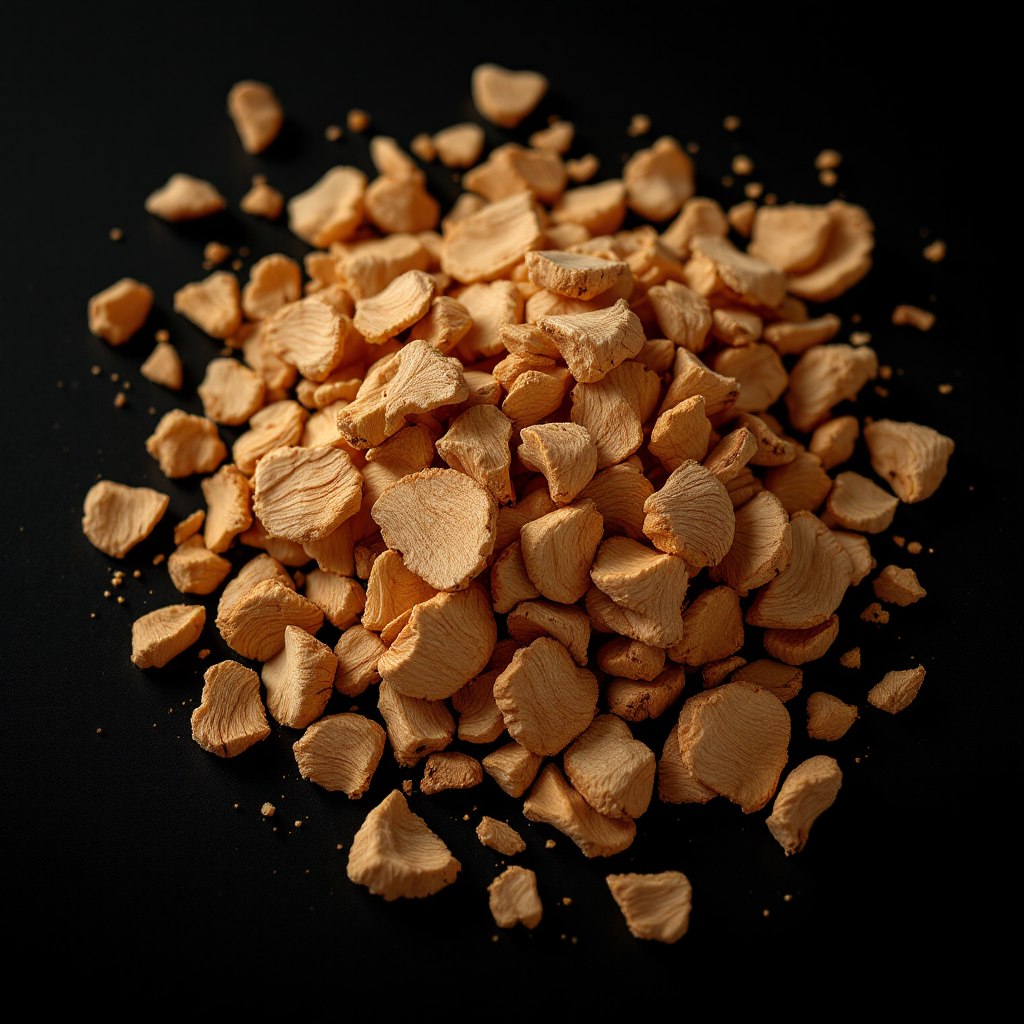





Origin
India
For thousands of years, nobody ate celery stalks. Ancient Egyptians, Greeks, and Romans cultivated the plant exclusively for its seeds and leaves, using them as medicine rather than food.
Egyptian medical papyri mention celery preparations for digestive complaints, while Greek athletes crowned winners with celery leaves, believing the plant enhanced strength and endurance. Roman physicians prescribed celery seeds for everything from joint pain to nervous conditions.
The shift from medicinal herb to kitchen ingredient happened gradually in 17th century Europe, but by then perfumers had already begun experimenting with the seeds. Celery seed oil appeared in fragrance formulations by the late 19th century, finding a place in chypre and floral compositions where its green, slightly bitter quality could add an unexpected natural dimension.
Wears it best
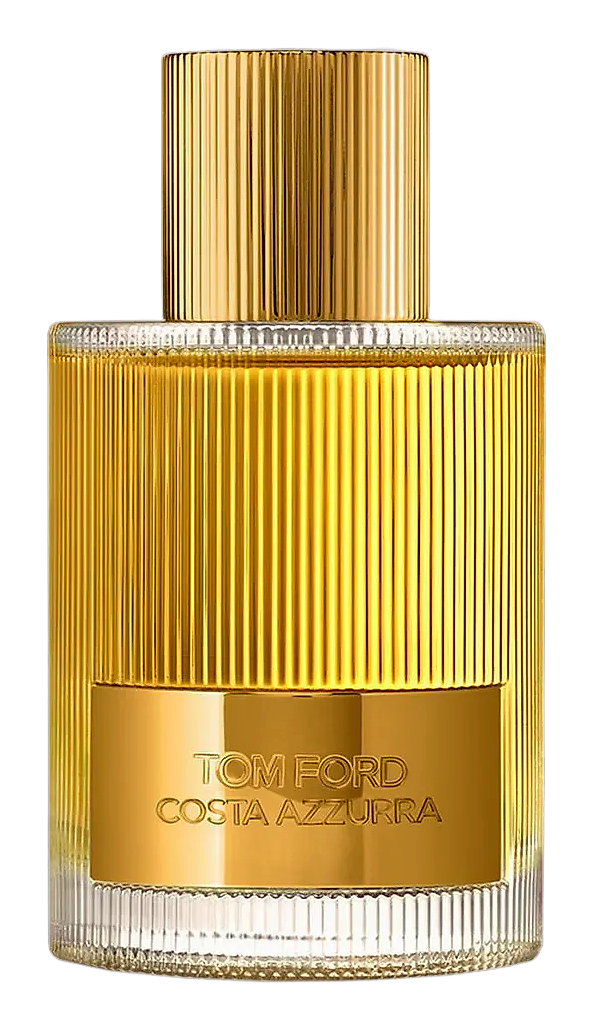
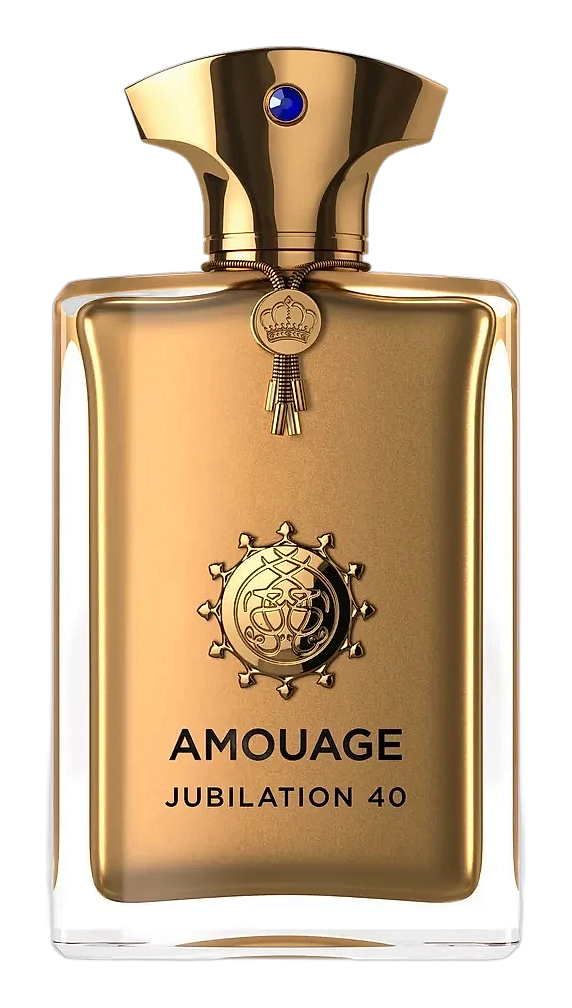
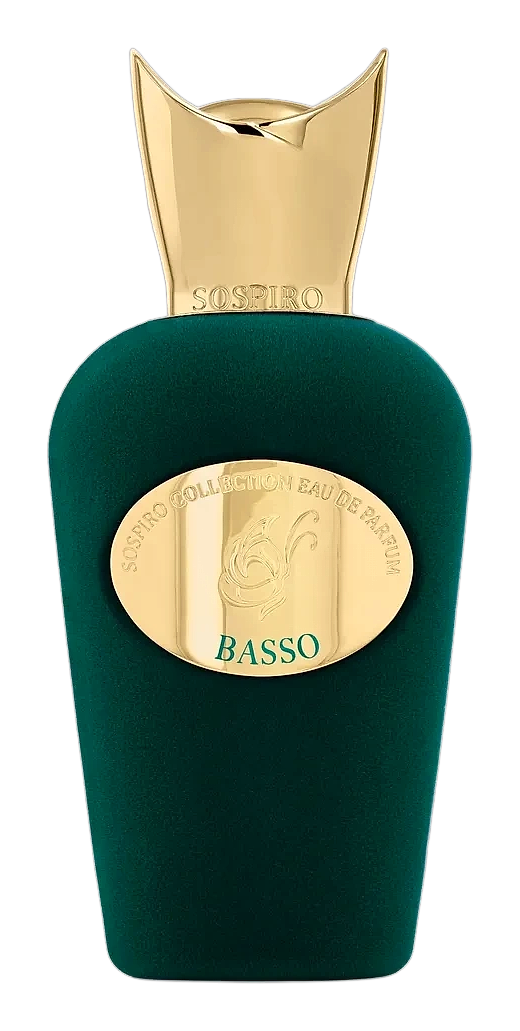
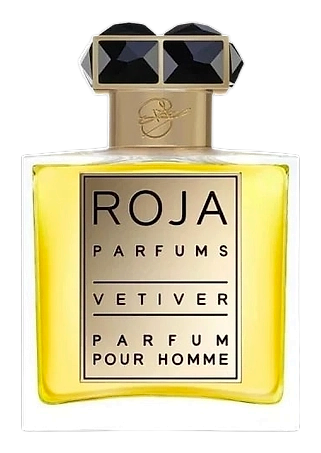
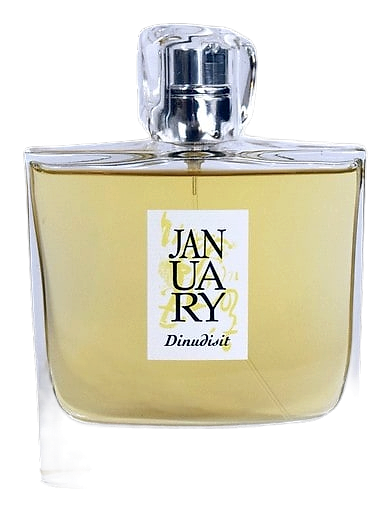
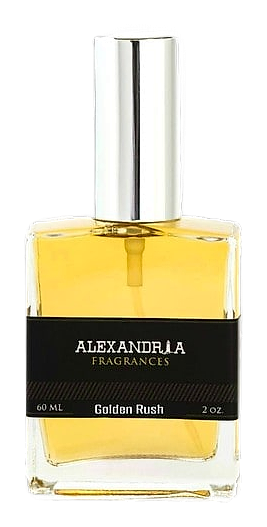
Fragrances featuring Celery Seeds
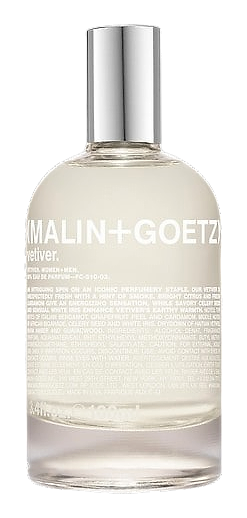
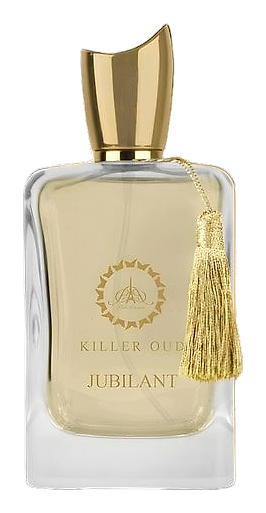
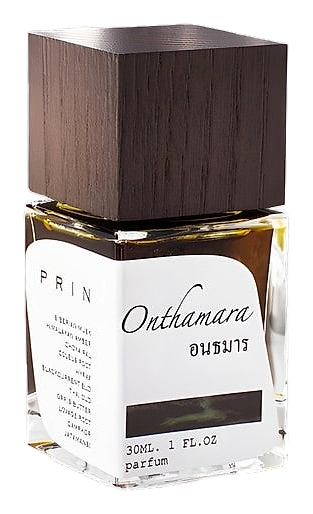
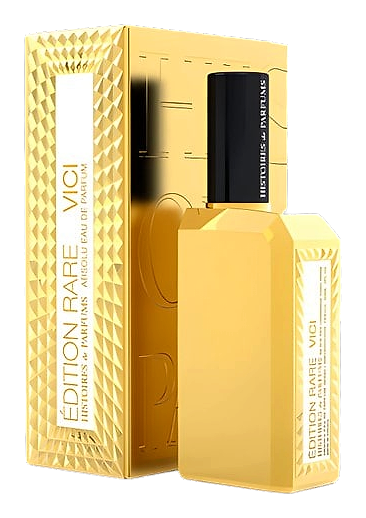
Brands
Brands known for Celery Seeds
Good to know
Questions, answered
The essentials on Celery Seeds in perfumery: how it smells, where it comes from, and how it behaves on skin.
What does celery seed oil smell like in perfume?
Celery seed oil has a fresh, green, herbaceous aroma with bitter undertones and a slightly fatty quality. It works as a natural bridge between citrus top notes and deeper base accords.
Is celery seed oil natural or synthetic?
Celery seed oil exists as a fully natural ingredient. Perfumers obtain it through steam distillation or CO2 extraction of dried Apium graveolens seeds, primarily from India and France.
How much celery seed oil appears in fragrances?
Celery seed oil functions as a modifier rather than a star ingredient. Perfumers typically use it at low concentrations, often below 1% of a fragrance formula, to add subtle green nuance to compositions.
Which fragrance families use celery seed oil?
Celery seed oil appears most often in chypre and floral perfume constructions. It pairs well with bergamot, rose, and oakmoss, bringing an unexpected herbal counterpoint to sweeter elements.
What compounds give celery seed oil its scent?
Limonene dominates the chemistry, comprising roughly 60% of the oil. Sesquiterpenes like selinene contribute earthy depth, while various phthalides add the characteristic green, slightly bitter quality.
Can celery seed oil cause skin reactions?
Like many essential oils, celery seed oil carries some risk of sensitization. IFRA guidelines recommend limiting its use in leave-on skin products. Always dilute properly and patch test before use.
Why did celery move from medicine to perfume?
Ancient cultures used celery exclusively as medicine until the 17th century. By the time Europeans began eating the stalks, perfumers had already discovered the aromatic potential locked in the seeds.
Does steam distillation differ from CO2 extraction for celery seeds?
Steam distillation produces a lighter oil dominated by volatile compounds. CO2 extraction can capture heavier molecules, potentially yielding an oil closer to the raw seed's complete aromatic profile.