Black Licorice
An assertive, almost polarizing note that divides wearers into devoted fans and wary skeptics. In perfumery, black licorice delivers sharp anisic brightness, dark caramel depth, and a dry, almost medicinal edge that adds complexity to fougeres, orientals, and men's bases.
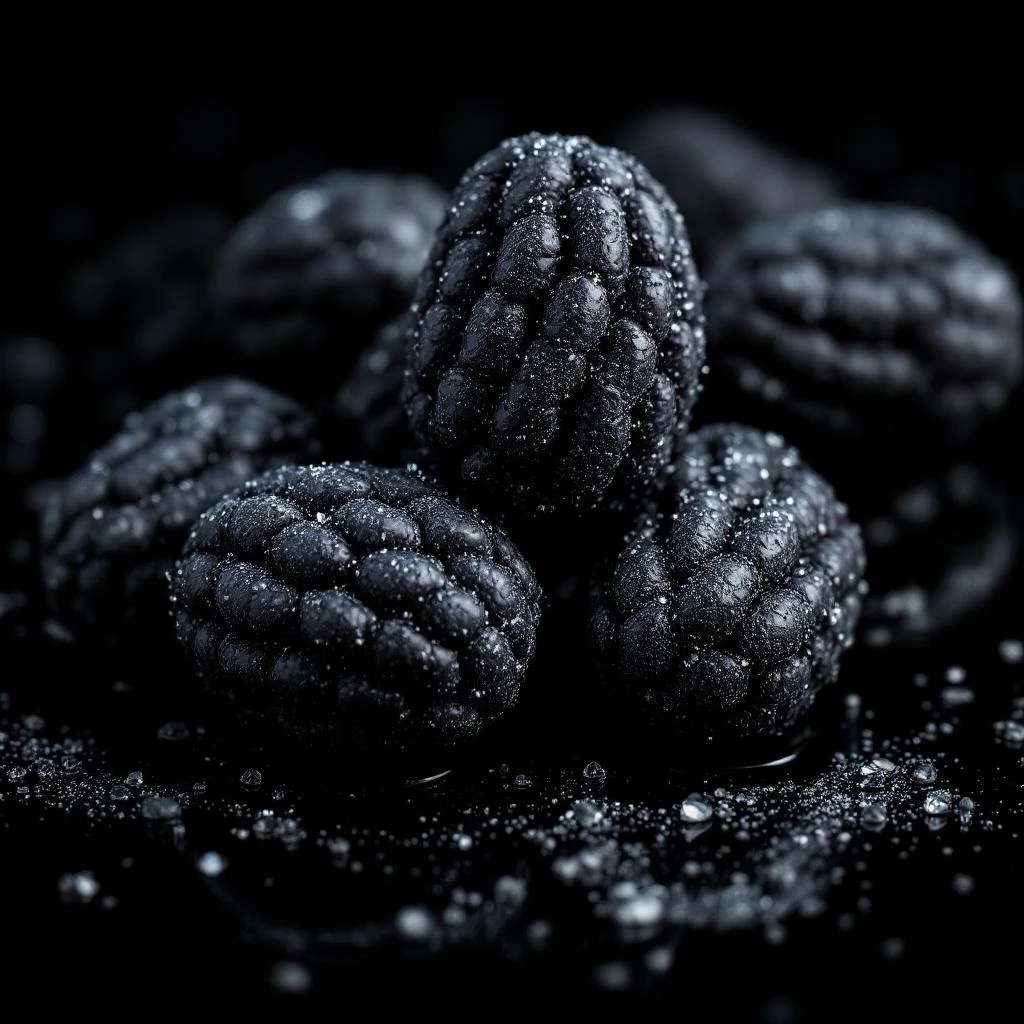
Character
How it smells
Bold. Anisic. Unapologetically divisive.
The sweet compound anethole, responsible for licorice's signature taste, is also found in anise, fennel, and star anise—making black licorice fragrance a distant cousin of absinthe.






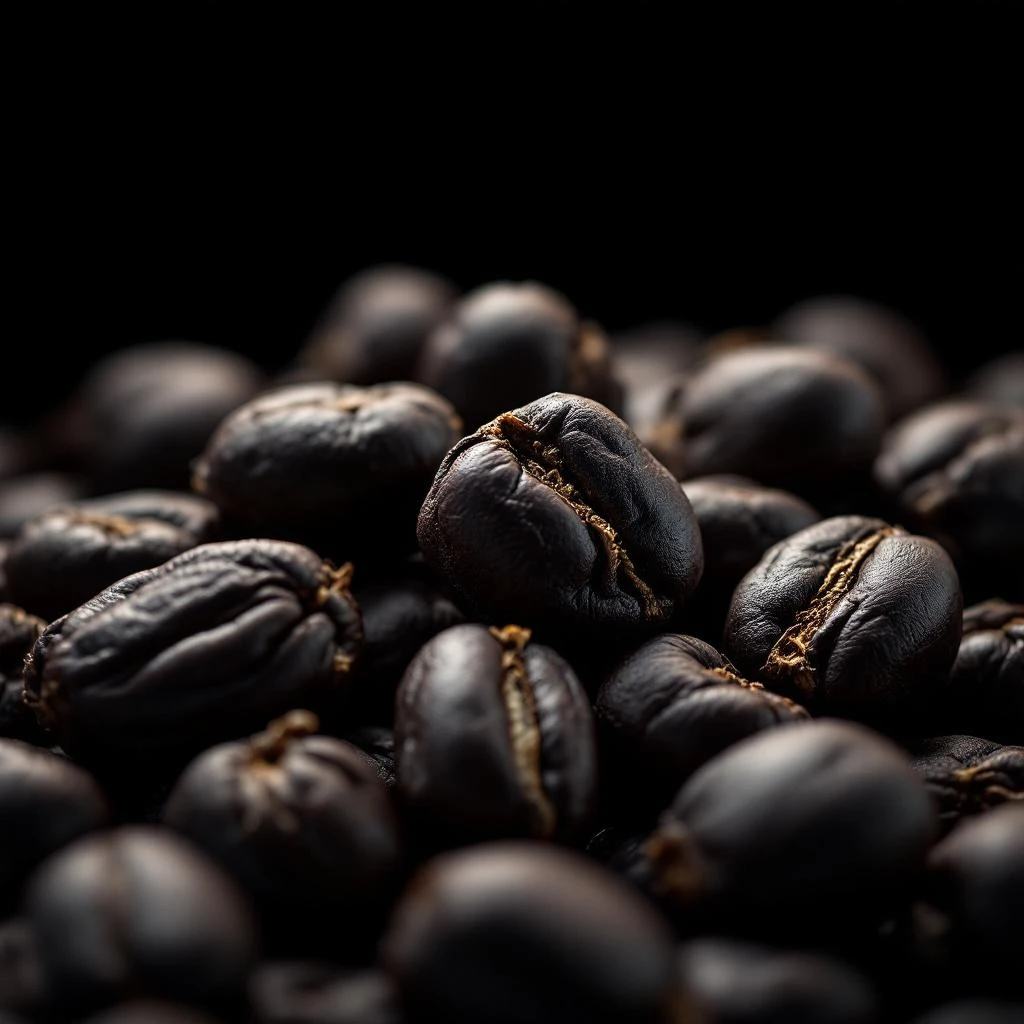


Origin
China
Licorice root—Glycyrrhiza glabra—appears in Chinese texts from 2300 BC, where it served both culinary and medicinal roles. Egyptian papyri reference it as a remedy for sore throats and coughs.
Buddhist priests in ancient China used licorice extract in ceremonial contexts, while Scythian traders carried it along Silk Road routes. By the medieval period, English and Dutch apothecaries sold licorice blocks as lozenges for respiratory relief.
The confection we know as black licorice became distinctly English in the 18th and 19th centuries, particularly around Pontefract in Yorkshire, where licorice cultivation became localized. Its journey from medicinal root to candy to perfumery material spans over four thousand years.
Wears it best
Fragrances featuring Black Licorice
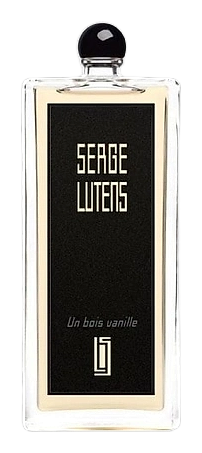
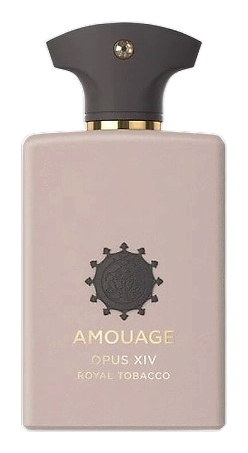

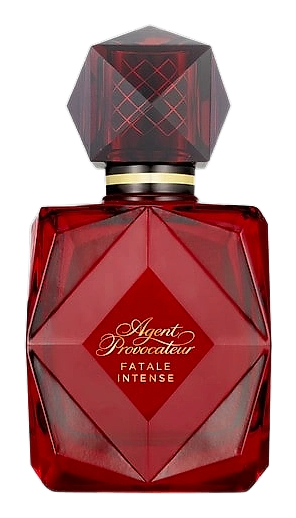
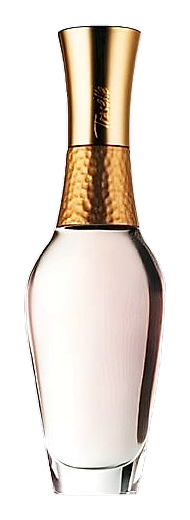
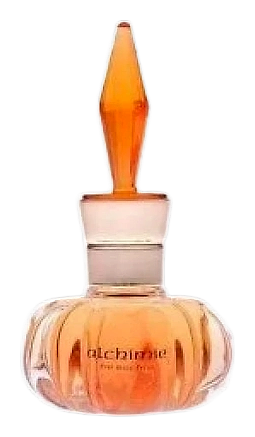
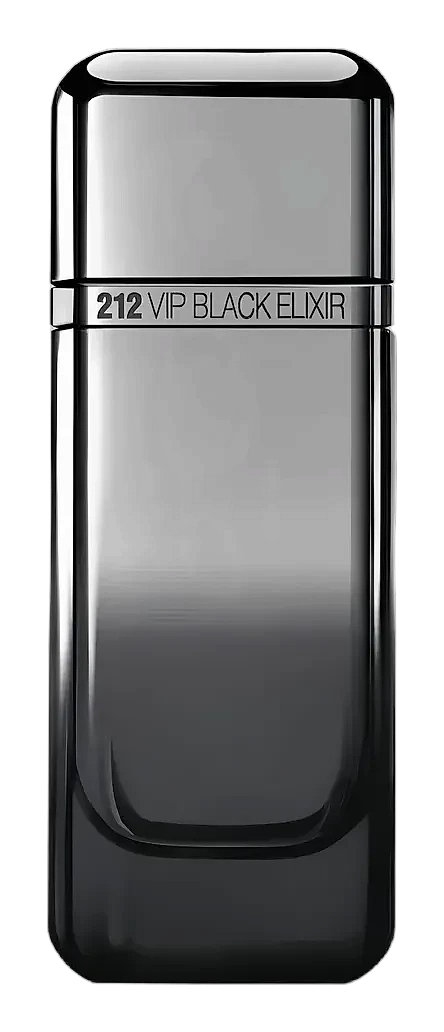
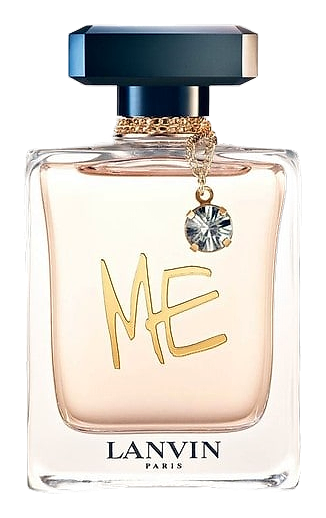
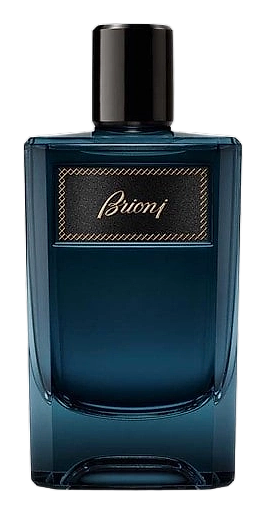
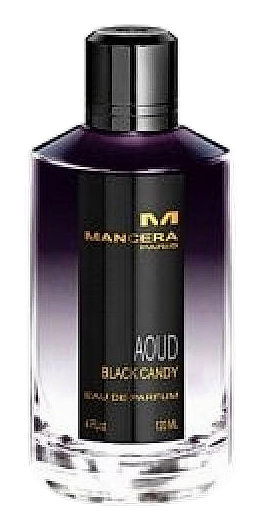
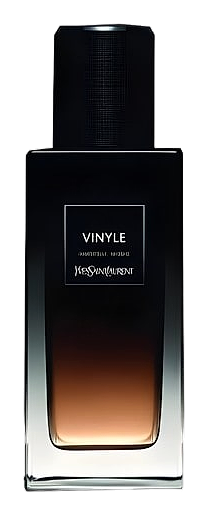
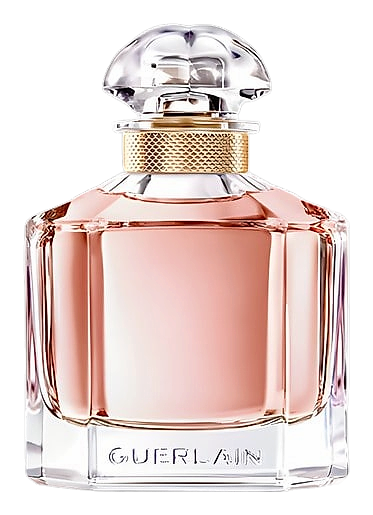
Brands
Brands known for Black Licorice
Good to know
Questions, answered
The essentials on Black Licorice in perfumery: how it smells, where it comes from, and how it behaves on skin.
What does black licorice smell like in perfume?
It reads as sharp, dry, and anisic with underlying sweetness—like a medicinal, slightly bitter candy. In combinations it adds an herbal counterpoint to sweet vanilla and a dark,resinous depth to tobacco accords.
Is black licorice in fragrance natural or synthetic?
Both exist. Natural licorice absolute comes from the root via solvent extraction. Most commercial fragrance materials use synthetic anethole, which captures the characteristic aroma without sourcing constraints.
What fragrance families use black licorice?
It appears most often in oriental fragrances, fougeres, and men's woody compositions. Brands like Annick Goutal, Dior, and Tom Ford have used it as a distinctive heart or base material.
Does black licorice add sweetness to a fragrance?
It adds complexity rather than simple sweetness. The glycyrrhizin content delivers intense sweetness in the raw root, but the extracted absolute leans more medicinal and dry when diluted in alcohol.
What compounds give licorice its characteristic aroma?
Anethole is the primary aroma compound, classified as a phenylpropanoid. It is shared with anise, fennel, and star anise, which is why these materials smell related.
How long has licorice been used in perfumery?
Licorice absolute entered perfumery in the late 19th century as fragrance production shifted from natural medicines to dedicated aromatic materials, though the root itself has a 4,000-year documented history.
What part of the licorice plant is used for fragrance?
Only the dried root. The stolons and taproots are harvested, cleaned, and ground before extraction. The plant is a Leguminosae shrub native to Central Asia and the Mediterranean.
Is black licorice a top, heart, or base note?
It functions as a heart-to-base material depending on concentration. At low levels it reads as a bright anisic top; at higher doses it contributes a deep, lingering warmth comparable to dark resins.