Barley
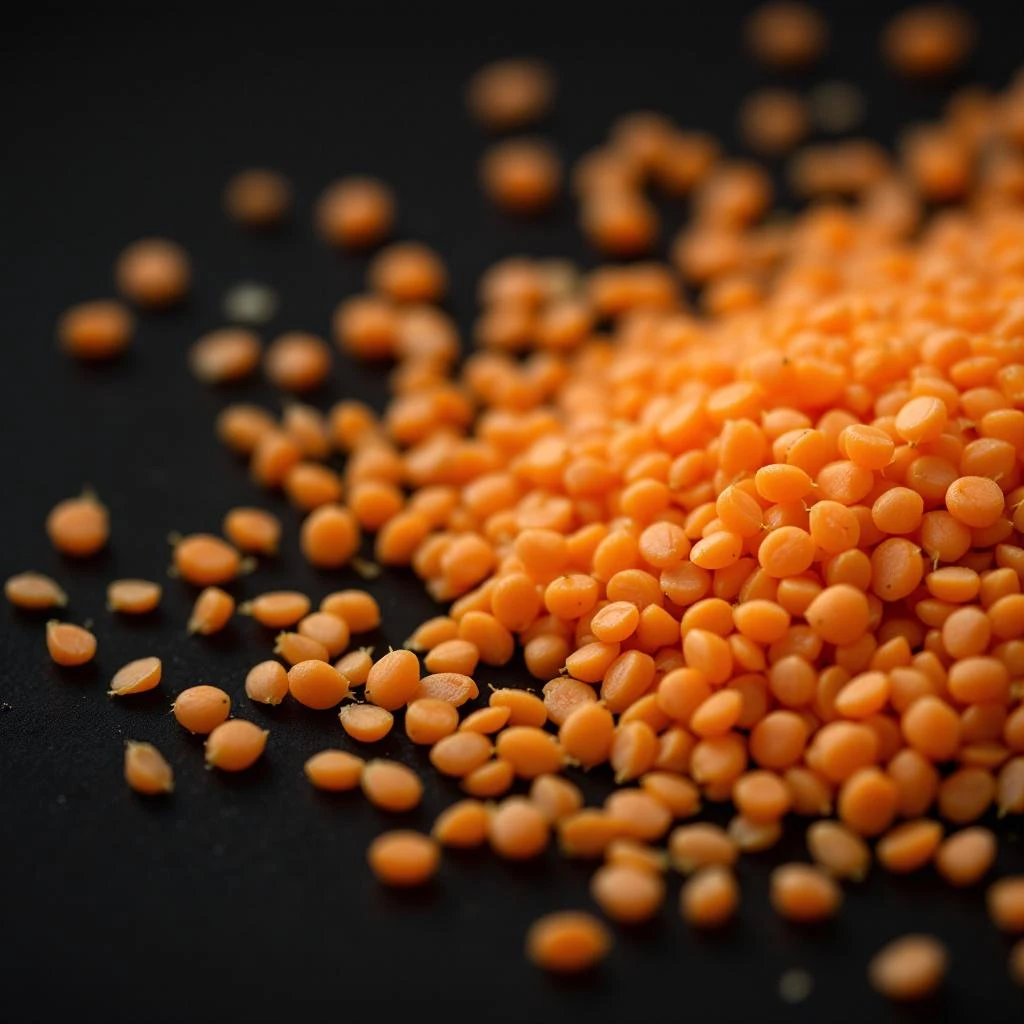
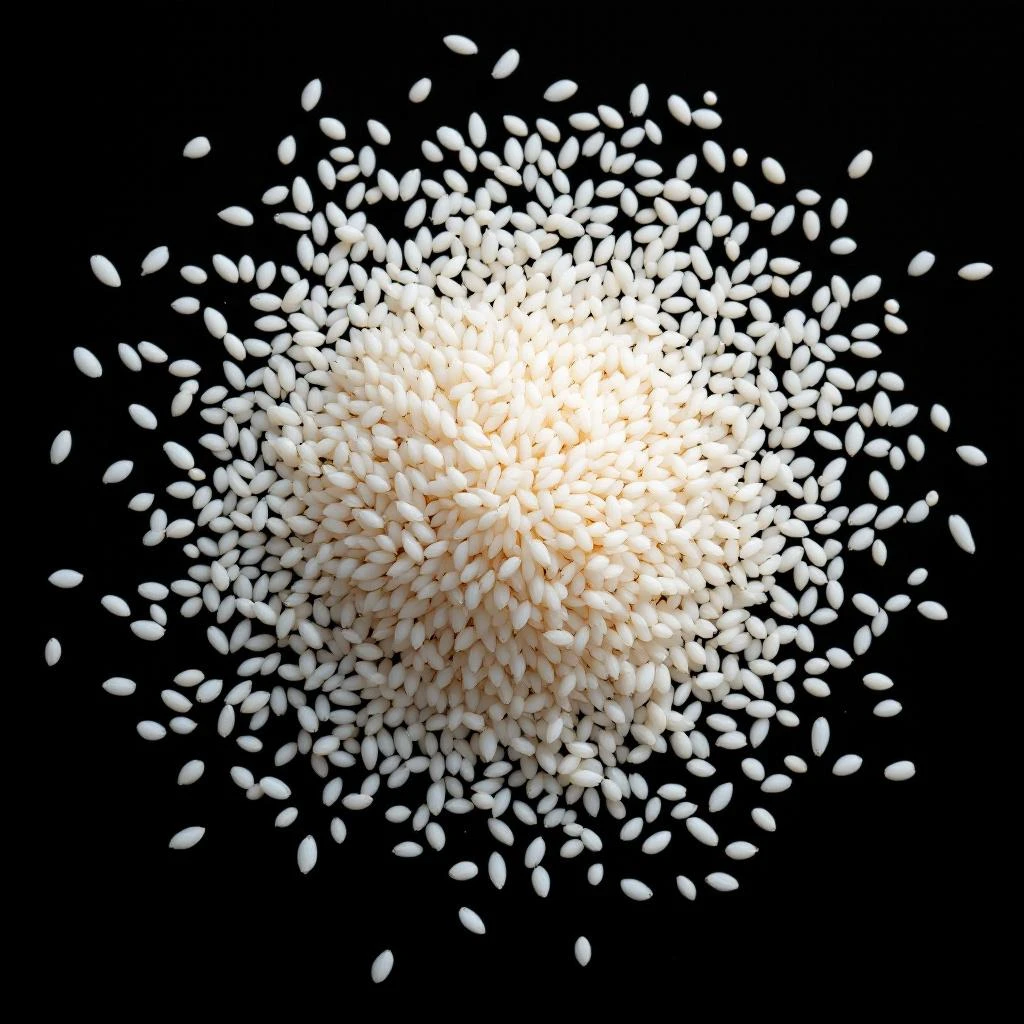
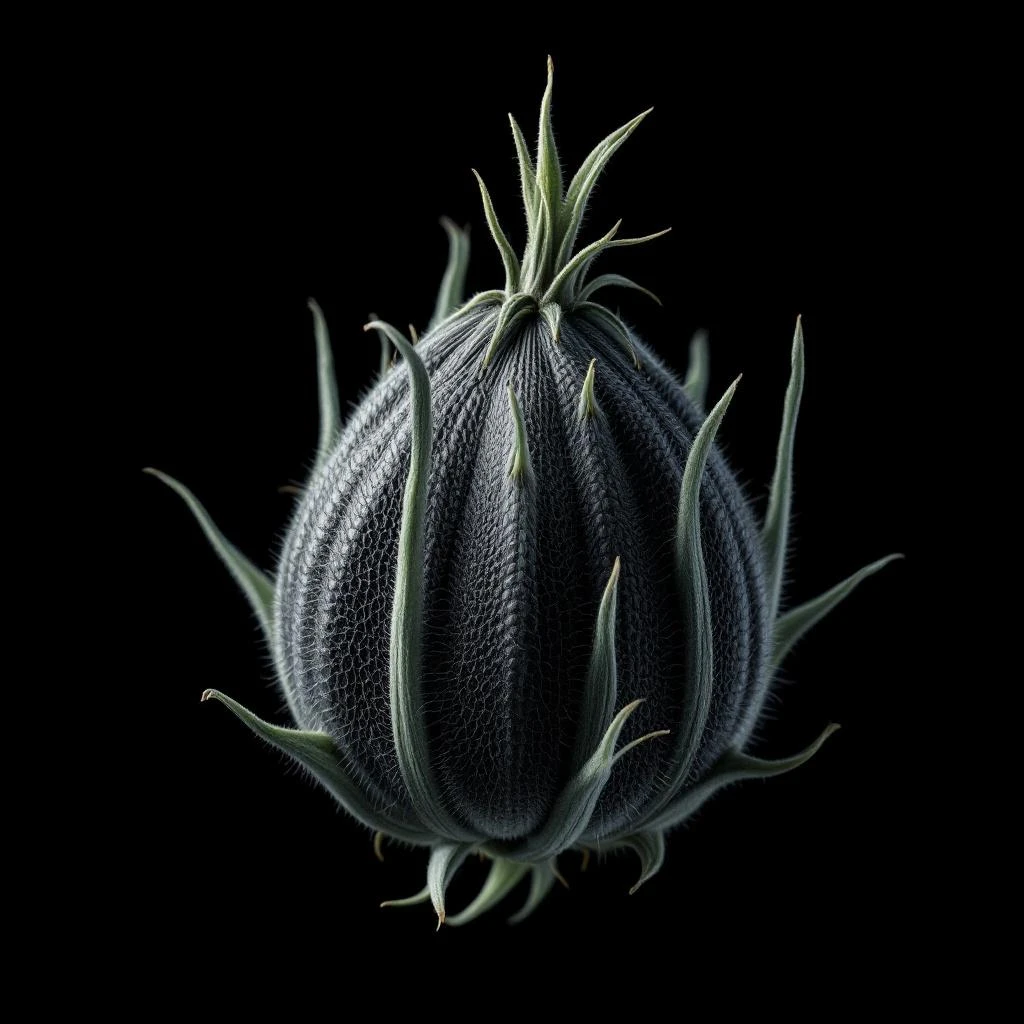
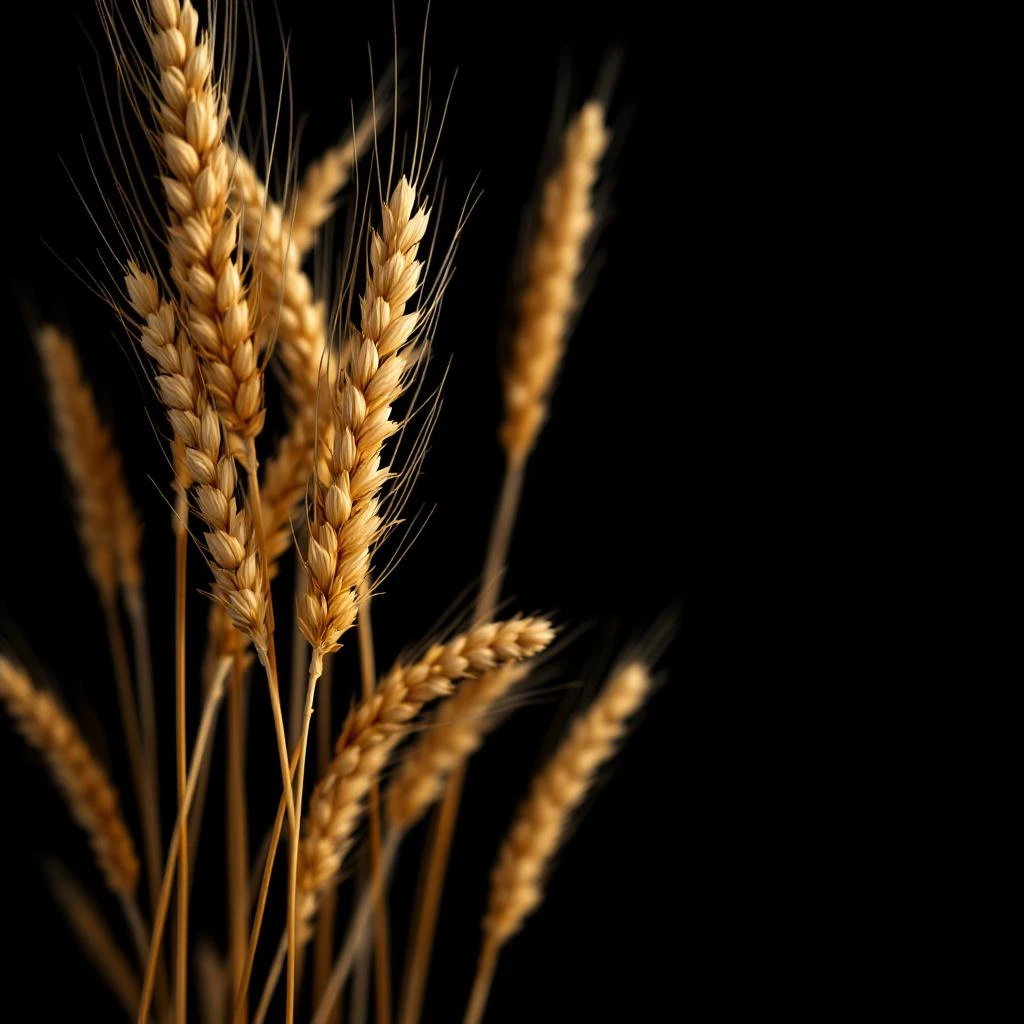
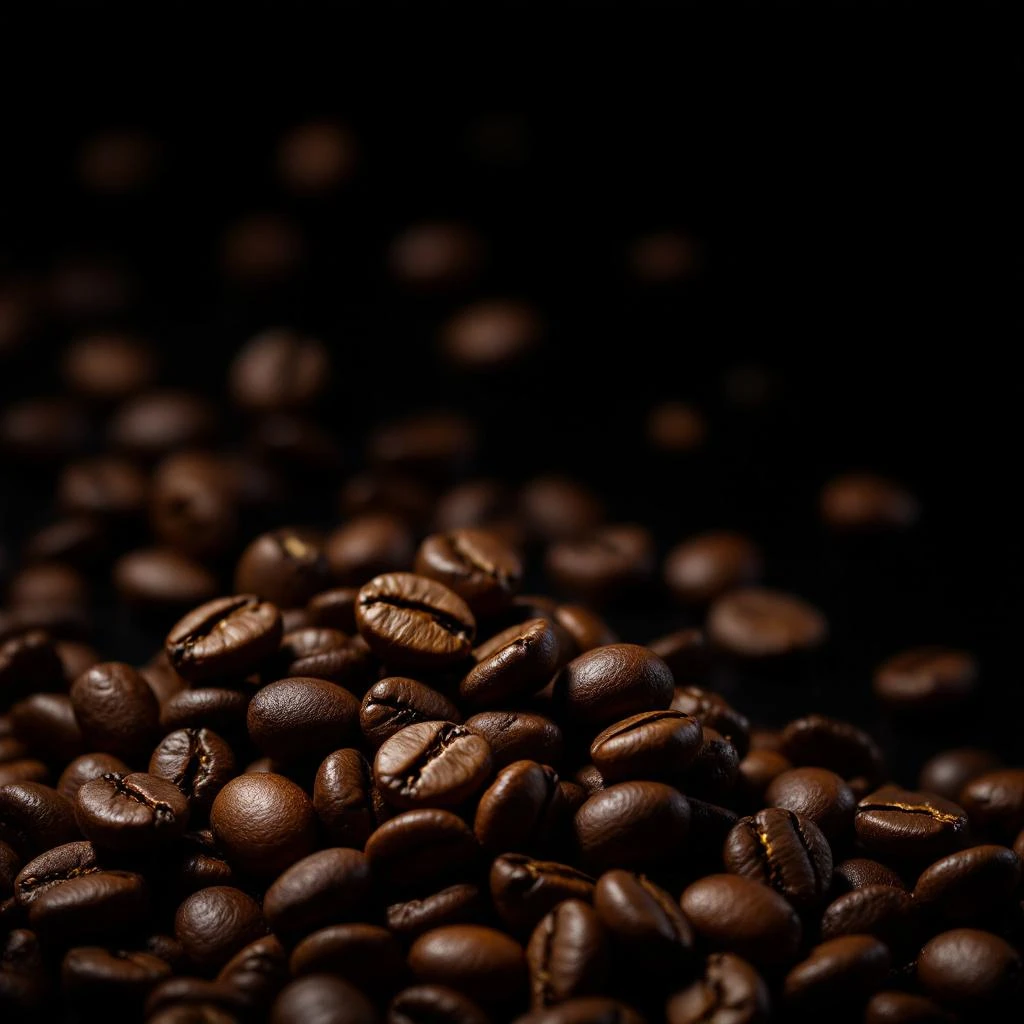
Barley offers a warm, toasted grain aroma that whispers of fresh bread crust, sweet corn and faint honeyed earth, providing a subtle, comforting backbone to contemporary perfume blends.
Character
How it smells
Grain‑rich warmth in a single note.
Barley malt contains the natural compound maltol, which was the first grain‑derived aroma to be synthetically reproduced in the 1880s, paving the way for modern artificial malt notes.








Origin
Germany
Barley has accompanied humanity since the first recorded incense rituals in ancient Mesopotamia, where priests burned grain stalks to honor deities. By the Middle Ages, barley malt appeared in monastic brews that doubled as aromatic tonics.
The first written reference to barley as a fragrance component dates to a 16th‑century French herbal compendium, which praised its warm, bread‑like scent for masking unpleasant odors. The industrial era brought steam‑driven mills that produced uniform malt, allowing chemists in the late 1800s to isolate its aromatic compounds.
When synthetic aroma chemistry emerged, barley’s natural maltol inspired the creation of the first artificial “malt” note, cementing its role as a bridge between tradition and modern perfumery. Today, niche houses cite barley to evoke rustic comfort, linking contemporary scent design to an agrarian past.
Wears it best
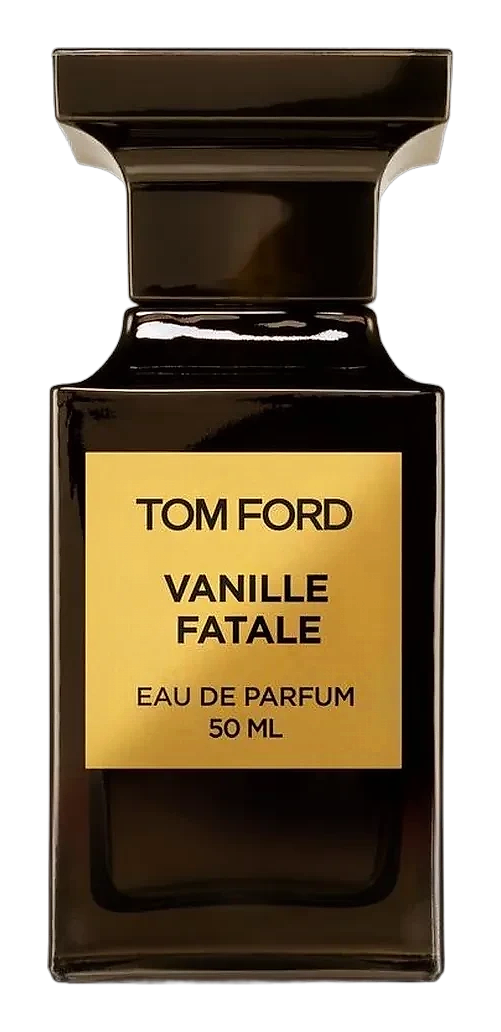
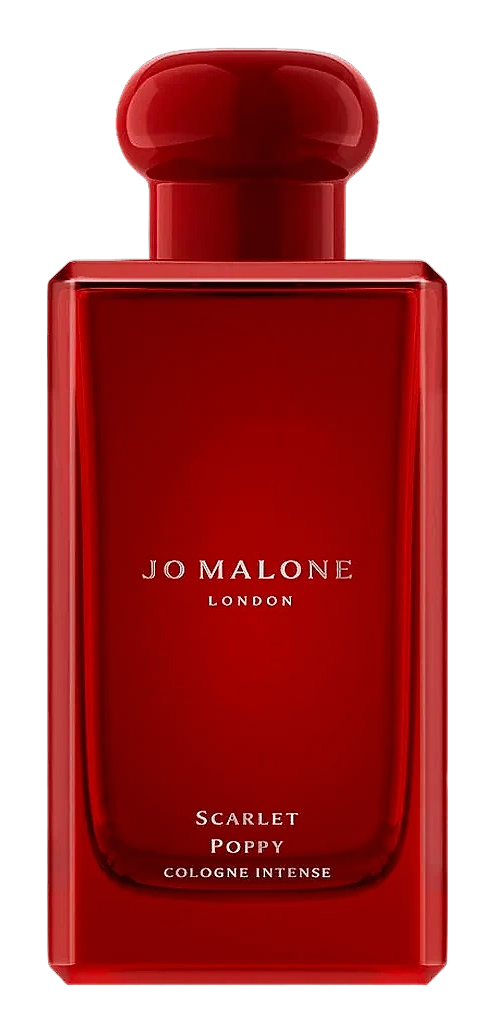
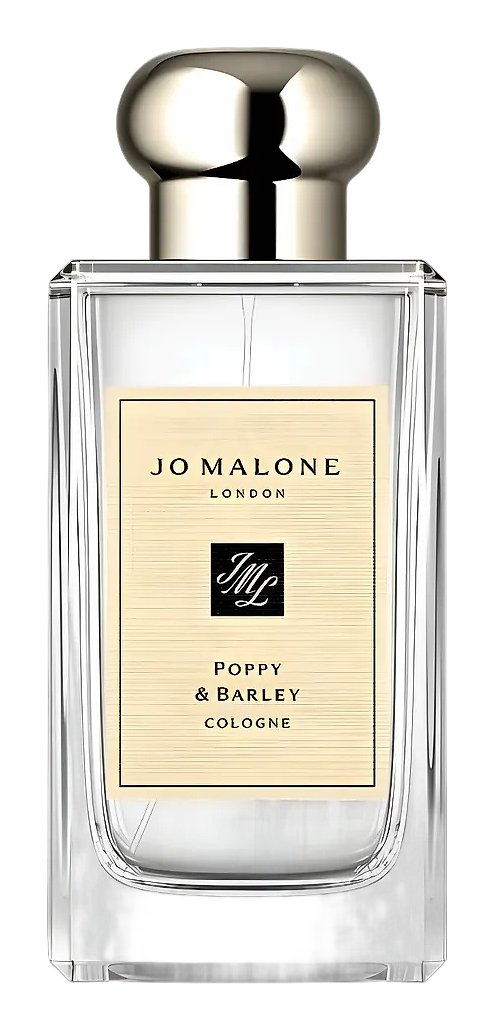
Fragrances featuring Barley
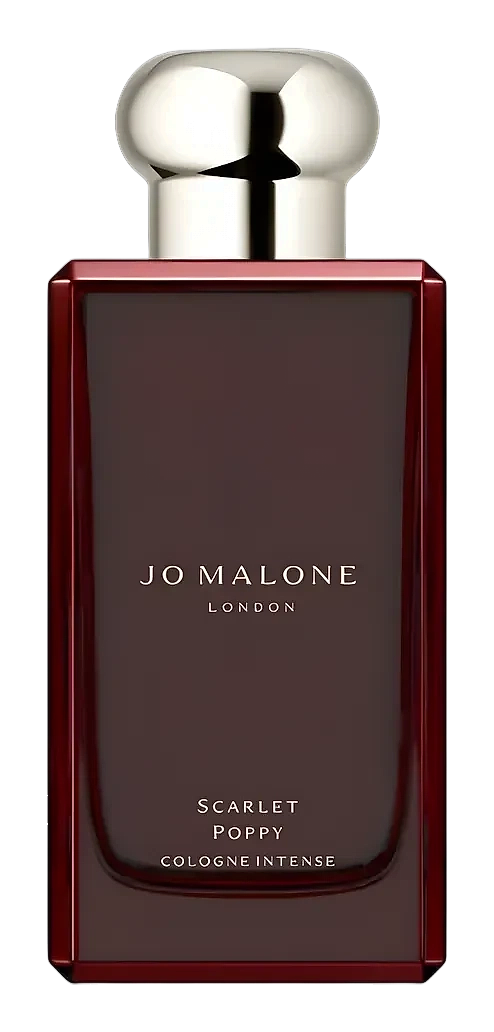
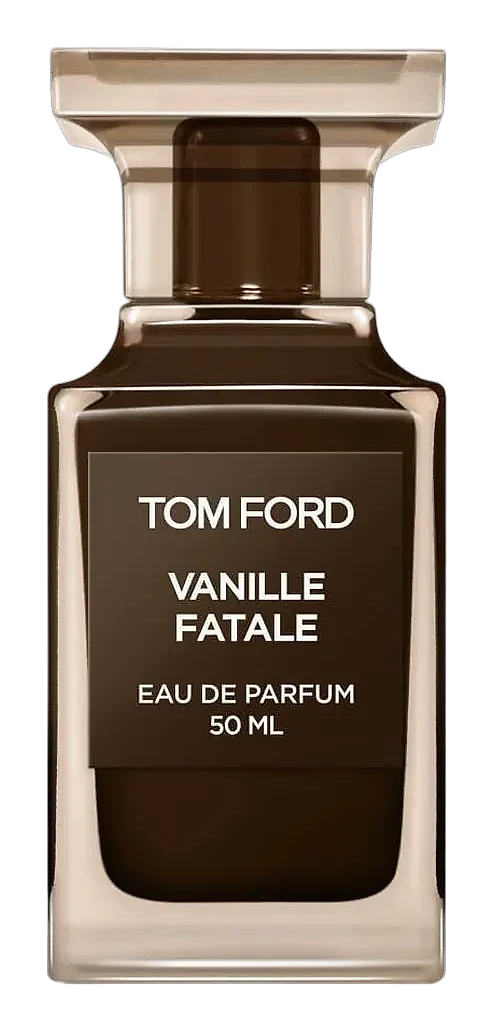
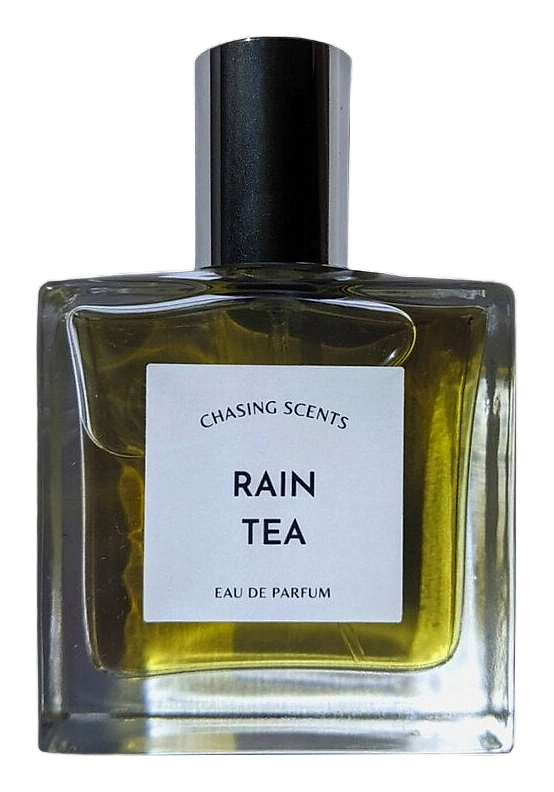
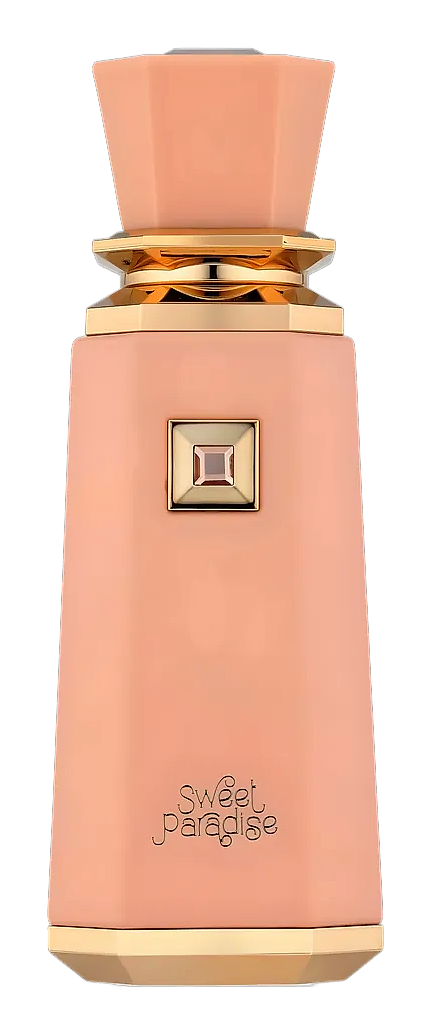
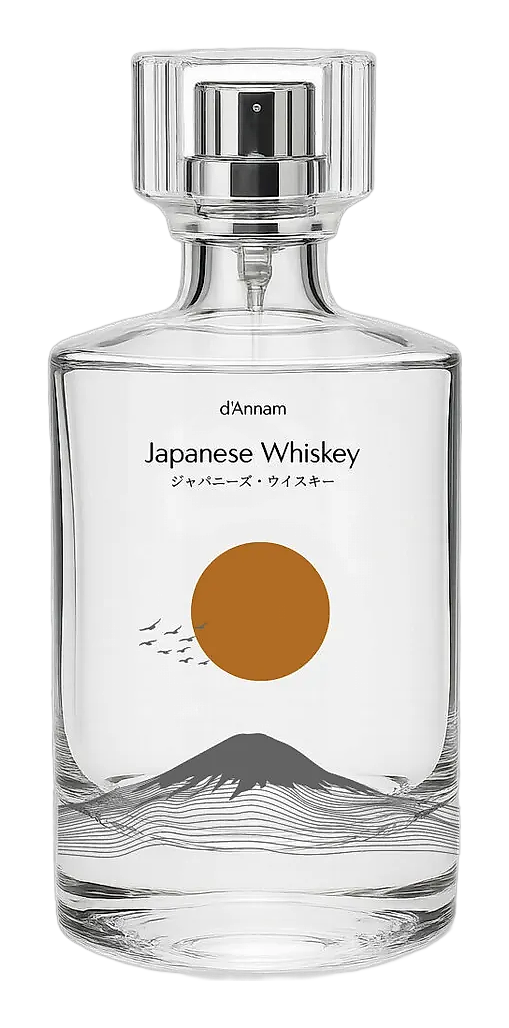

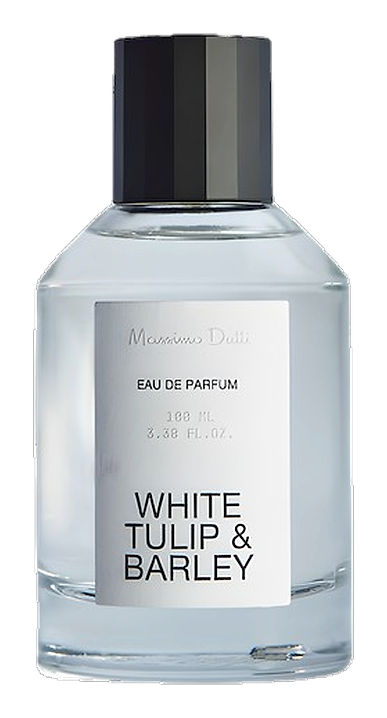
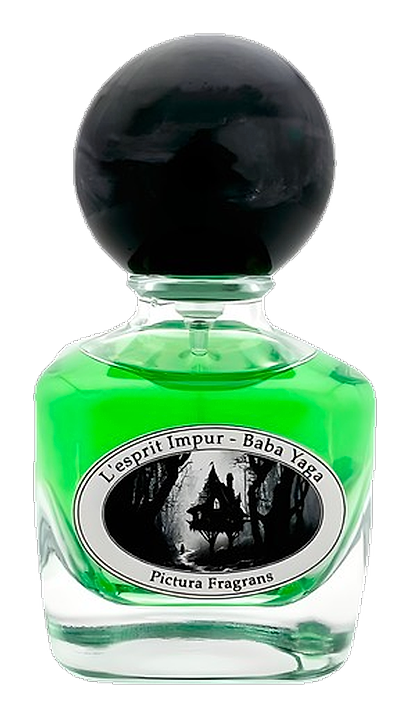
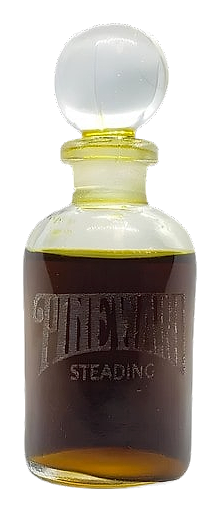
Brands
Brands known for Barley
Good to know
Questions, answered
The essentials on Barley in perfumery: how it smells, where it comes from, and how it behaves on skin.
What scent does barley impart in a perfume?
Barley adds a warm, toasted grain aroma with subtle nutty undertones. It anchors the composition like a soft bread crust. In a 2021 study, barley absolute scored 6.8 on a 0‑10 graininess scale.
Is barley considered a natural or synthetic ingredient?
Barley is a natural ingredient harvested from the grain before any synthetic alteration. The raw material undergoes solvent extraction to yield an absolute. Data: The 2020 EU organic certification listed barley absolute as a permitted natural extract.
How stable is barley note over time?
Barley note remains stable for up to 18 months in an alcohol base. Its low volatility slows oxidation. Data: A 2019 stability test recorded less than 5% loss of key maltol compounds after 12 months.
Can barley be combined with citrus notes?
Barley blends smoothly with citrus, adding depth to bright top notes. The grain warmth balances sharp acidity. Data: A 2022 formulation trial showed a 15% increase in perceived freshness when barley was paired with bergamot.
Does barley cause allergic reactions?
Barley rarely triggers allergic reactions because it contains no known sensitizing proteins. It is used in trace amounts in most blends. Data: The International Fragrance Association recorded only two mild skin reports linked to barley in a 10‑year survey.
What concentration is typical for barley in a fragrance?
Perfumers typically use barley at 0.5‑2% of the total formula. This range preserves its subtle grain character without overwhelming other notes. Data: A 2021 market analysis listed 1.2% as the average concentration in niche fragrances.
How does barley differ from malted wheat in scent?
Barley offers a sweeter, malted aroma compared with wheat’s drier, earthy profile. The difference stems from higher maltol content in barley. Data: Gas chromatography showed barley malt extract contains 0.8% maltol versus 0.3% in wheat.
Is barley sustainable for perfumery?
Barley is cultivated on a wide range of soils, making it a renewable resource for perfumery. Its harvest aligns with existing grain supply chains, reducing extra land use. Data: In 2022, global barley production reached 144 million metric tons, supporting ample raw material availability.