Rice
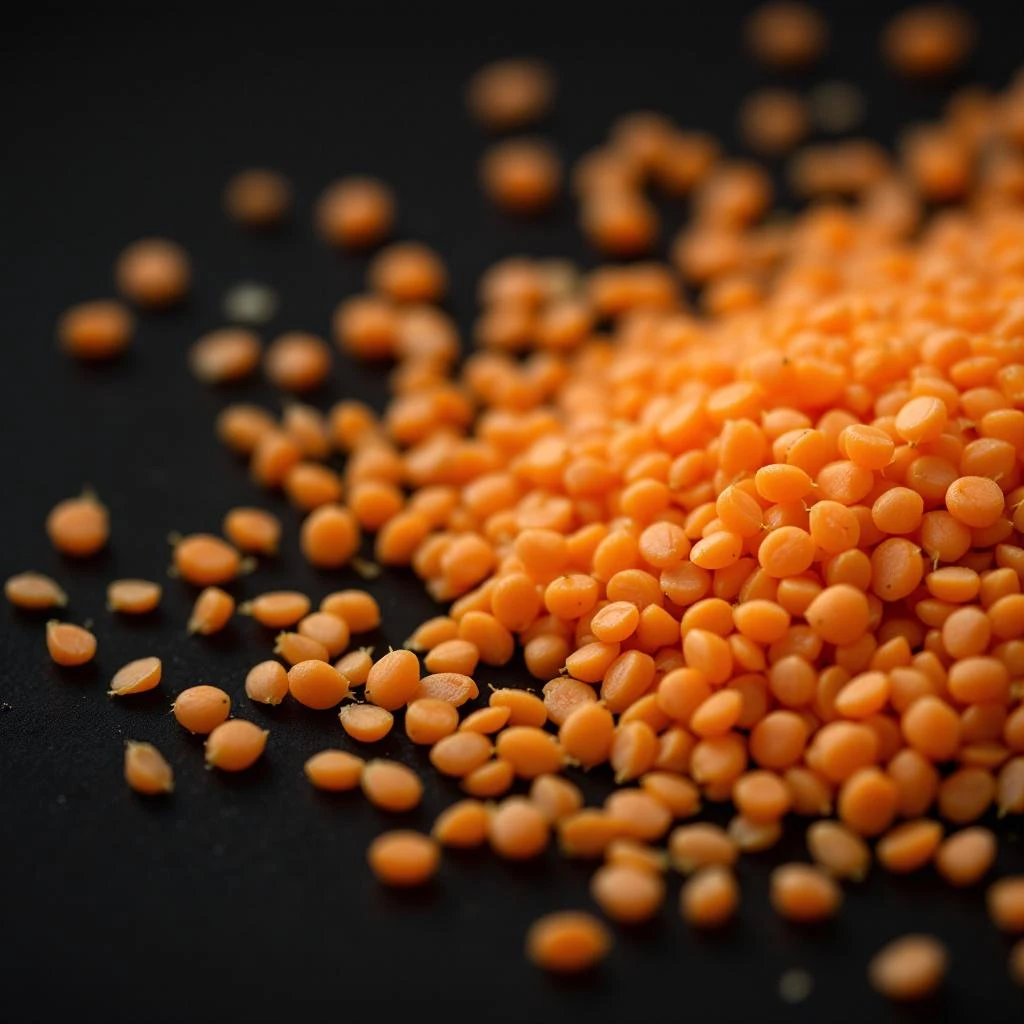
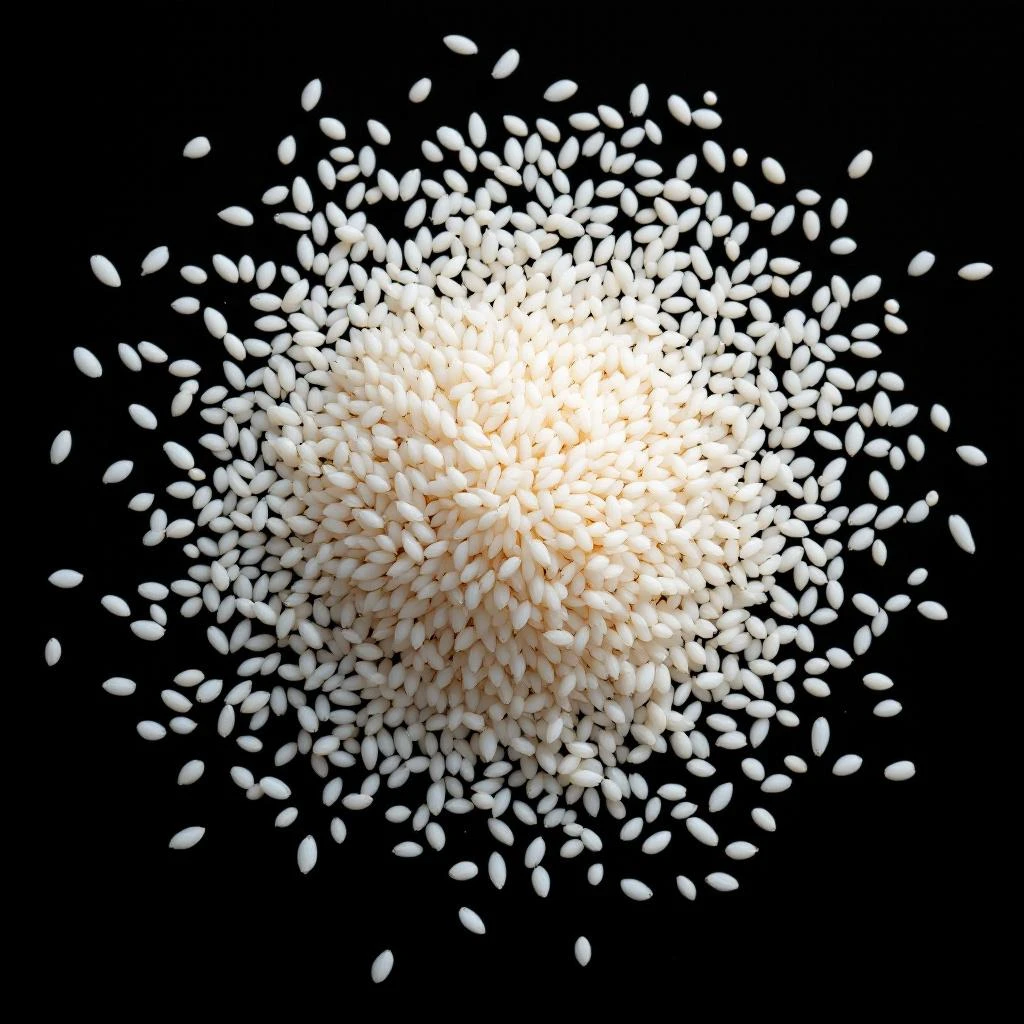
Rice absolute delivers a quiet, intimate warmth to fragrance compositions. Its subtle starchiness creates a skin-close quality that grounds brighter notes, evoking the comfort of clean fabric and steamed grain.
Character
How it smells
The intimate warmth of clean, steamed grain.
Japanese perfumers pioneered rice extract use in modern fragrance, drawing from centuries of rice water beauty traditions.









Origin
Japan
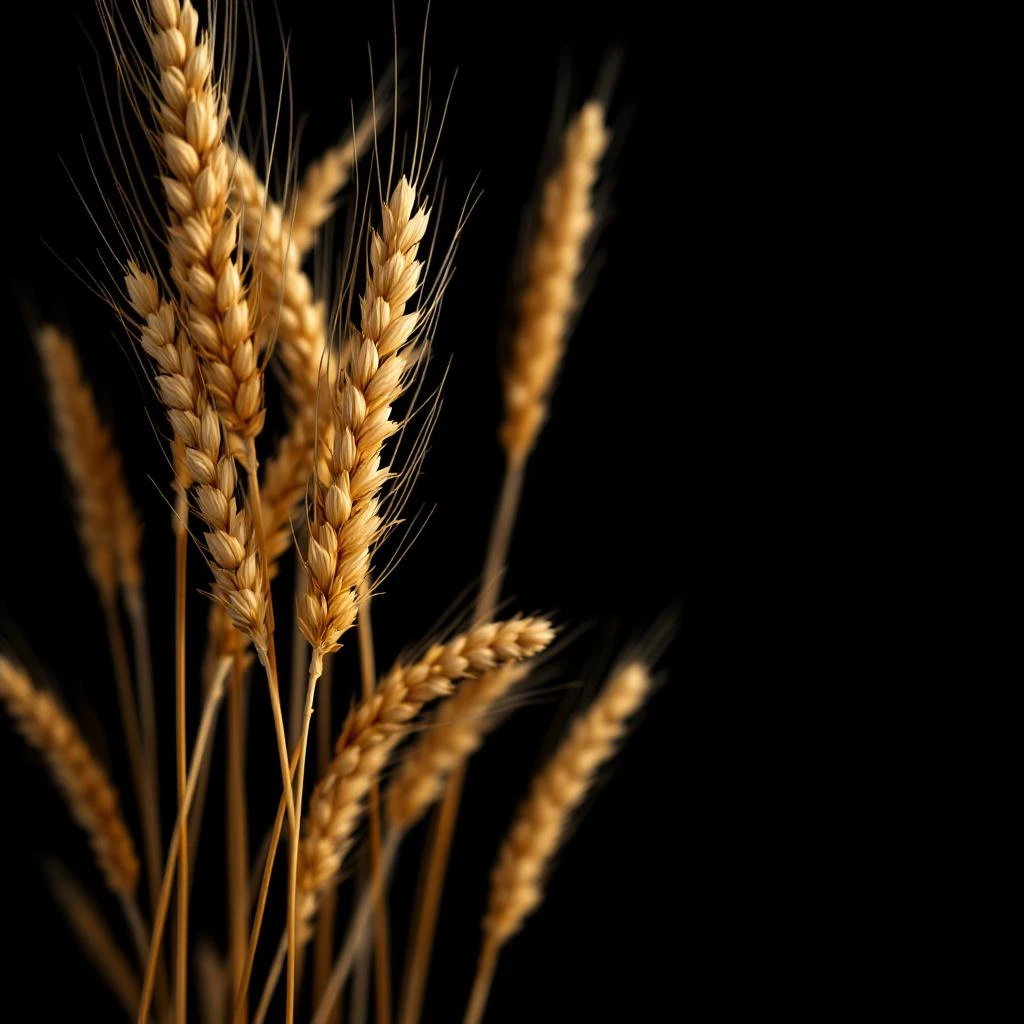
Rice cultivation spans over 10,000 years across East and Southeast Asia, making it one of humanity's oldest domesticated crops. While never a traditional Western perfumery ingredient, rice became significant through Japanese beauty rituals where rice water and rice bran featured in skincare for centuries.
Japanese artisans understood the subtle aromatic potential hidden in this everyday grain. During the mid-20th century, perfumers began recognizing rice extract's unique ability to create intimate, skin-like fragrance effects.
By the 1980s and 1990s, rice had established itself as a respected base note in mainstream perfumery, valued for its clean warmth and the way it extends a fragrance's presence on skin. Today it represents a bridge between Asian cosmetic traditions and contemporary Western fragrance development, a quiet ingredient that shapes how we experience some of perfumery's most beloved scents.
Wears it best
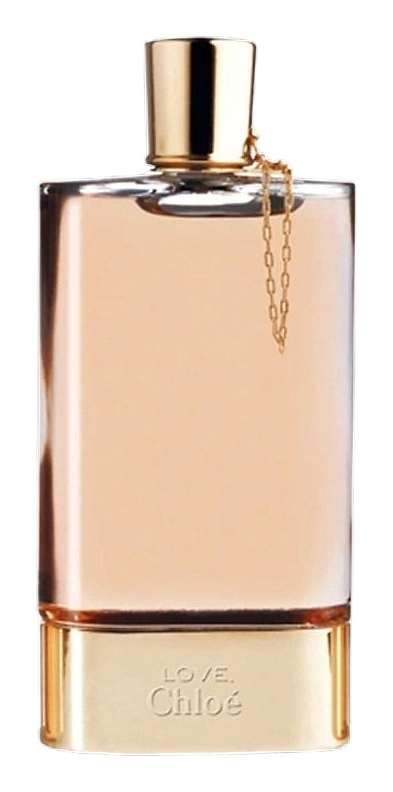
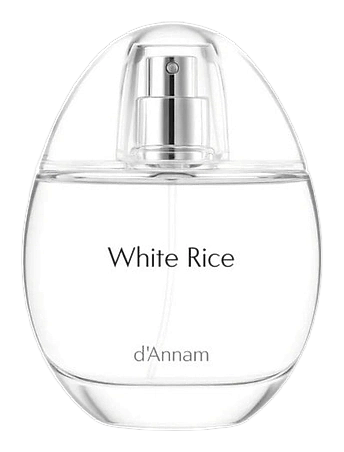
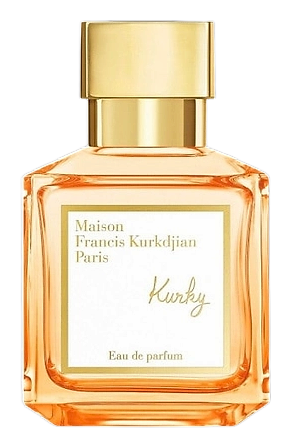
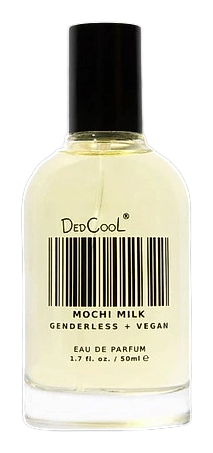
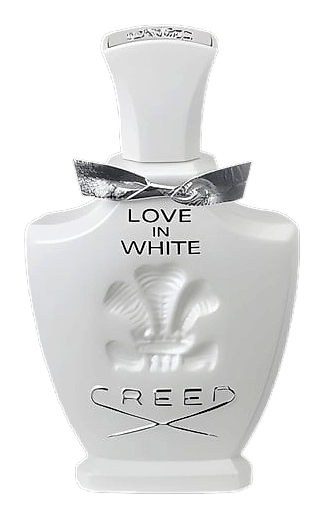
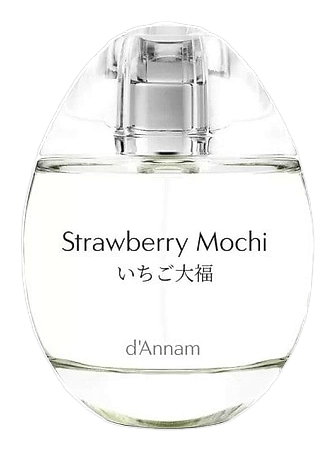
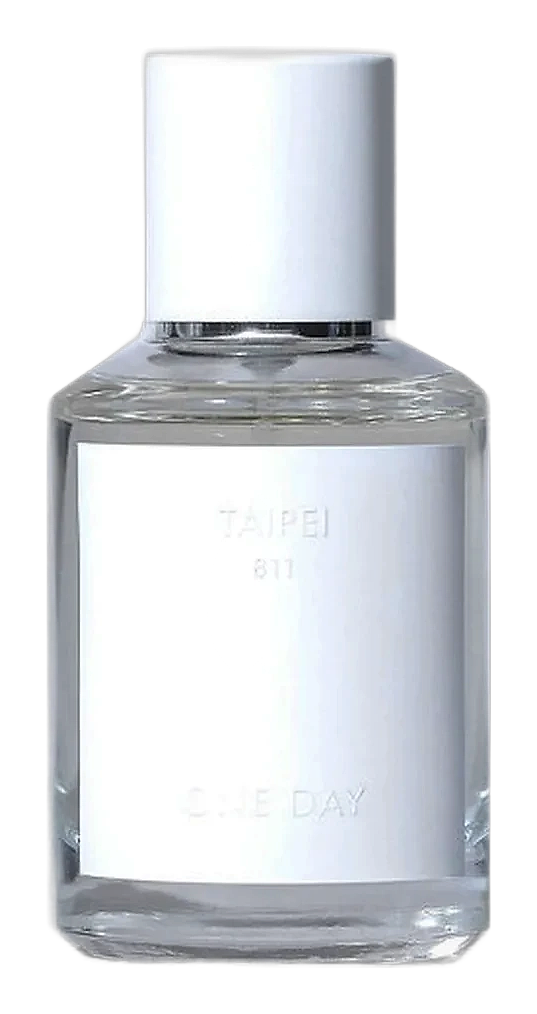
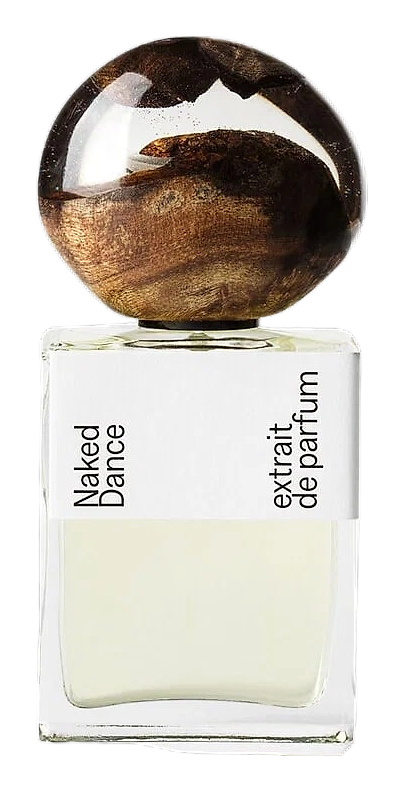
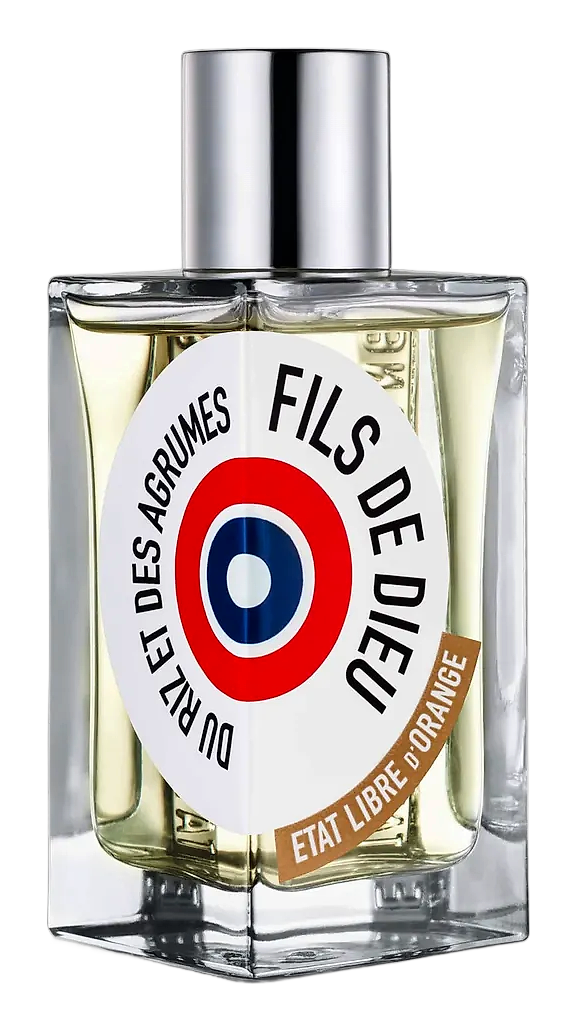
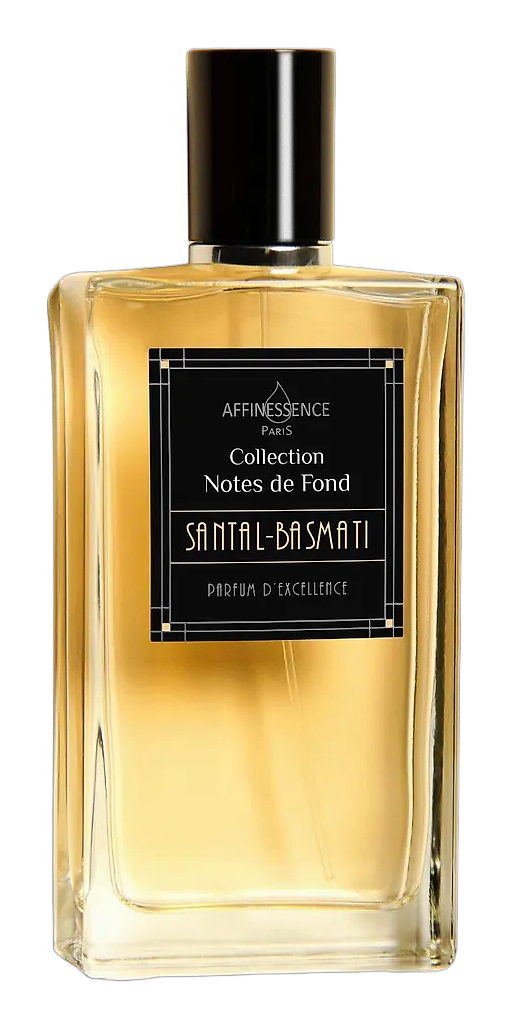
Fragrances featuring Rice


Brands
Brands known for Rice
Good to know
Questions, answered
The essentials on Rice in perfumery: how it smells, where it comes from, and how it behaves on skin.
What does rice smell like as a fragrance ingredient?
Rice absolute has a warm, starchy scent with subtle nutty and powdery undertones. It creates a clean, skin-like quality rather than a strong floral or woody aroma.
Is rice extract used in perfumery natural or synthetic?
Rice extract used in perfumery is natural. It is obtained through solvent extraction of rice bran, a byproduct of white rice milling.
Which part of the rice plant is used for fragrance?
Perfumers use rice bran, the outer layer of the grain. This nutrient-rich portion is separated during milling and contains the aromatic compounds extracted for perfumery.
What role does rice play in fragrance formulations?
Rice functions primarily as a base note in perfumery. It adds subtle warmth, creates an intimate skin-close effect, and helps extend a fragrance's longevity on skin.
How does rice blend with other fragrance ingredients?
Rice integrates smoothly with floral, woody, and musky notes. Its quiet character allows it to support brighter top notes without competing for attention.
What fragrance families commonly feature rice?
Rice appears most frequently in skin-scent, clean, and oriental fragrance families. It also shows up in some powdery and fresh interpretations across niche and mainstream markets.
Is rice extract safe for use in perfumes applied to skin?
Rice extract is considered safe for topical application and appears in cosmetics and skincare worldwide. Regulatory bodies including IFRA approve it for use in consumer fragrances.
What is the difference between rice absolute and rice essential oil?
Rice absolute, obtained through solvent extraction, retains more aromatic complexity and richness. Rice essential oil, produced via steam distillation, captures fewer volatile compounds and produces a lighter scent profile.