The Story
Why it exists.
The beginning
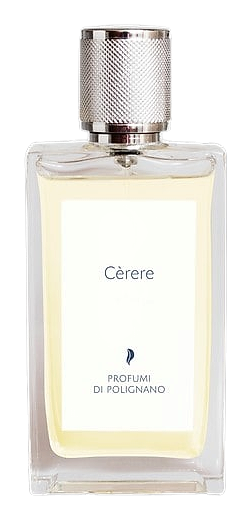
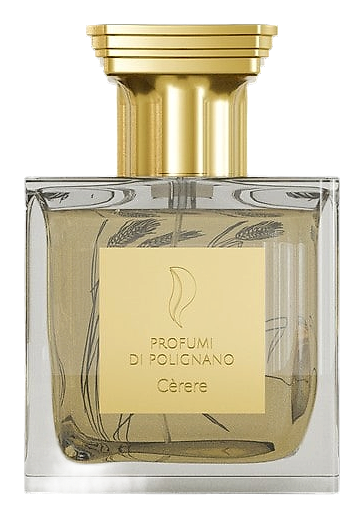
Cèrere takes its name from Ceres, the Roman goddess of agriculture and grain, and from a narrow street in Polignano a Mare, the cliffside town in southern Italy where this house began. The name isn't decorative. It points to something the perfumer wanted to capture: the richness of harvest, the warmth of stored grain, the particular comfort of a place where food is serious and seasonal. Cèrere is the olfactory translation of that tradition, made for a coastal region that has never confused itself with a postcard. This is the Extrait de Parfum version, a concentration that invites a different kind of attention.
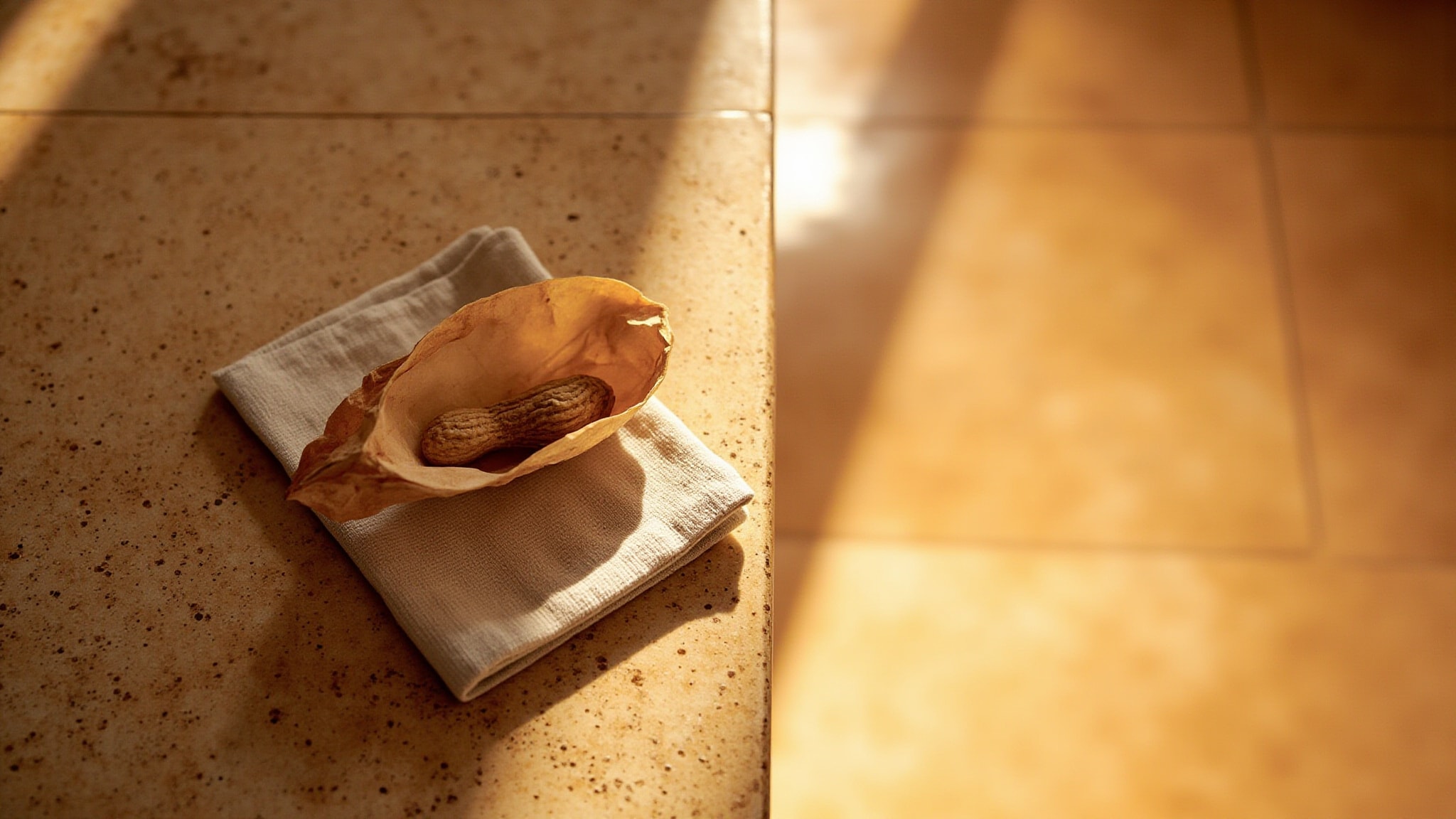
What separates an Extrait from its Eau de Parfum counterpart isn't simply concentration. It's what becomes possible when you have more perfume oil working in concert. With Cèrere, the gourmand accord, grain and almond and vanilla, gets room to breathe. The opening hits with more weight. The heart lingers longer before the base arrives to settle everything into place. The peanut note, present in both concentrations, takes on a different character here: less surprising, more integrated, a warm salty thread that runs through the composition rather than a first impression that fades.
The evolution
The opening arrives with an unexpected richness, peanut and bergamot together create a salty-citrus impression that is neither purely sweet nor purely sharp. Mandarin brightens it briefly, cinnamon adds warmth at the edges. Cèrere announces itself with intention, not loudly but with presence. The transition to the heart is where Cèrere becomes itself. The grain accord arrives like bread cooling on a counter, wheat, a whisper of toasted note, nothing heavy. Heliotrope softens everything. Magnolia adds a quiet floral lift. Almond settles underneath, creamy and warm. This is the longest phase, a floury sweetness that stays close to the skin and invites you to lean in. The base builds slowly. Patchouli arrives first, earthy and grounding, then sandalwood's creamy warmth, then vanilla that rounds everything into something soft and lasting. Vetiver keeps it from becoming purely sweet.
Cultural impact
The launch of Cèrere Extrait de Parfum brought a higher concentration of this fragrance to the niche fragrance market. The unusual pairing of peanut and grain notes represents a distinctive choice within contemporary perfumery, offering something that doesn't follow predictable categories. Perfumer Arturetto Landi's approach draws from Mediterranean agricultural heritage, translating the warmth of the Apulian harvest into a wearable fragrance. The execution of nutty, edible notes within an Extrait format speaks to an audience interested in scents that reward close wear.
The House
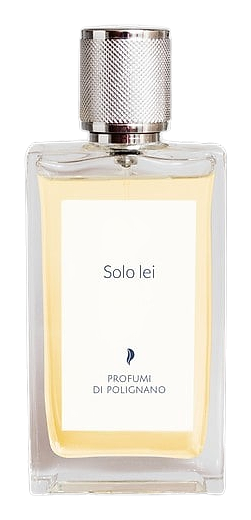
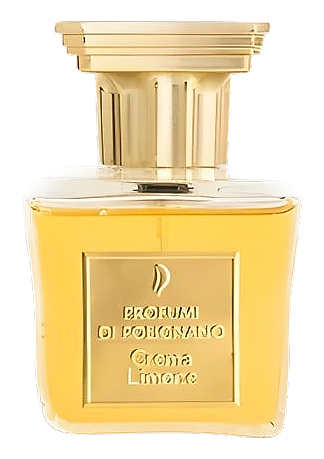
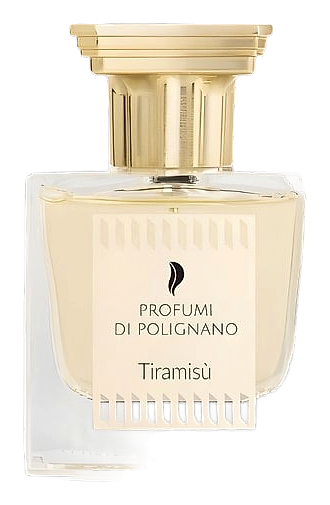
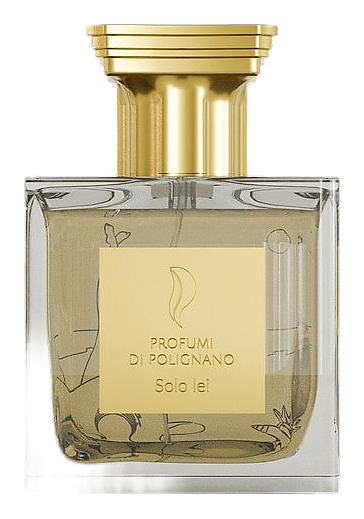
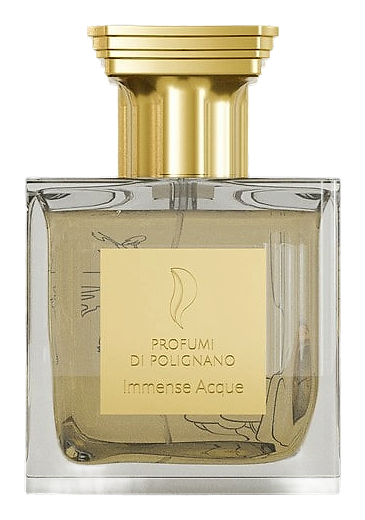
Profumi Di PolignanoProfumi di Polignano is an Italian artisanal fragrance house rooted in the coastal splendor of Polignano a Mare, a historic town carved into limestone cliffs along the Adriatic in Apulia, Italy. The house has developed a collection of 11 extrait浓度 fragrances, each intended as an olfactory portrait of the region, its landscapes, and its sensory memory. The brand occupies a distinct position within international artistic perfumery, emphasizing research into raw material quality and compositions that translate specific Mediterranean experiences into wearable form. Fragrances like Solo Lei, Crema Limone, Immense Acque, and Tiramisù draw on local ingredients, culinary traditions, and the atmosphere of the Apulian coastline. The house operates as a small-scale creative project rather than a mass-market producer, with production tied closely to its regional identity.
The Creator
Arturetto LandiLandi favors a clean, linear construction that highlights a single theme before introducing supporting layers. He often begins with a bright top—Italian bergamot, Sicilian lemon, or Calabrian orange—then anchors the heart with aromatic herbs or soft florals.