
The Story
Why it exists.
The beginning
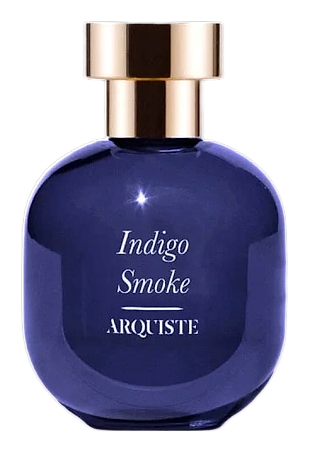
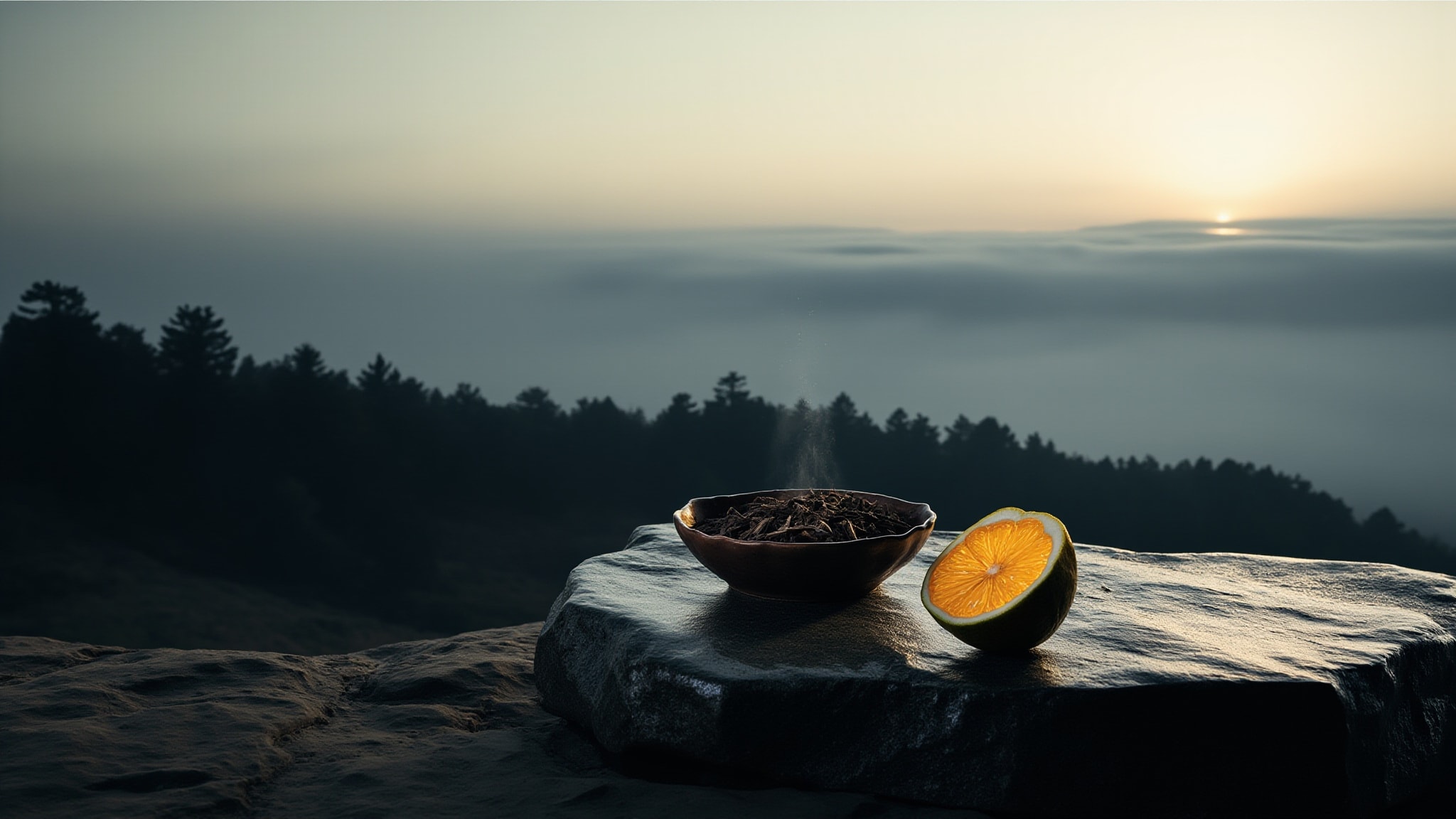
Arquiste approaches fragrance as a translation of place and moment, and Indigo Smoke translates a landscape rather than a memory. Founded by architect Carlos Huber, the brand has built its identity on olfactory architecture that maps specific geographical and cultural coordinates into scent. With this fragrance, Huber tasked perfumer Calice Becker with capturing the cool, aromatic atmosphere of blue mountains and the quiet ritual of incense-filled temples rather than the familiar warmth of fire and wood smoke. Becker answered with a composition built around Lapsang Souchong Tea, the smoked tea that anchors the entire structure, supported by vetiver, pine, and cedar leaves that evoke the green, living quality of a mountain landscape rather than its combusted aftermath.
The philosophical core of Indigo Smoke lies in its deliberate rejection of smoke's conventional associations. Rather than invoking warmth, comfort, or domesticity, Becker sought to capture smoke's cooler, more aromatic possibilities, the kind that exist in mountain air and temple courtyards where incense burns in open spaces rather than closed rooms. Lapsang Souchong Tea serves as the perfect vehicle for this intention, carrying a smoked character that is simultaneously invasive and refined. The supporting notes of pine, cedar leaves, and vetiver reinforce this cooler aromatic direction, while apricot and incense add just enough warmth and weight to prevent the composition from feeling austere.
The evolution
The fragrance opens with Lapsang Souchong Tea, its distinctive smoky character immediately setting Indigo Smoke apart from conventional smoky fragrances. Bergamot and mandarin orange provide a bright, cool citrus opening that keeps the smoke from becoming heavy, while vetiver introduces an earthy, slightly green dimension that grounds the top notes and signals the aromatic complexity to come. In the heart, apricot softens the composition with a gentle fruitiness that balances the smoke's intensity, Cassia Bourbon adds warm spice, and Guaiac Wood contributes a subtle resinous sweetness. Carrot seed introduces an unexpected herbal earthiness that keeps the heart grounded and prevents the fragrance from drifting into abstraction. The drydown centers on mate, whose smoky herbal bitterness echoes the opening tea in a quieter register, while incense adds a quiet spiritual weight and Pine with Cedar Leaves delivers a cool, forest-fresh finish that lingers on the skin for hours.
Cultural impact
Indigo Smoke occupies a specific corner of the niche market: the fruity-smoky space that mainstream houses rarely explore convincingly. The combination of lapsang souchong tea and apricot is unusual, most smoky fragrances lean into darker, heavier territory. Arquiste's architectural sensibility shows in the structural clarity of the composition: every note has a defined role, nothing muddles.
The House
ArquisteArquiste is a niche fragrance house that translates moments from history into modern perfume. Founded in 2012 by Mexican architect Carlos Huber, the label pairs rigorous archival research with the expertise of perfumers such as Rodrigo Flores‑Roux, Yann Vasnier and Calice Becker. Each scent is presented as a portal to a specific time and place, from a 17th‑century French wedding to a 1930s London cocktail gathering. The brand positions itself as a bridge between past and present, inviting wearers to experience a scent‑bound narrative.
The Creator
Calice BeckerBecker's olfactive signature is marked by exceptional versatility combined with a distinctive feminine sensibility. She moves effortlessly between the sun-drenched radiance of Dior J'Adore and the contemplative tea notes of By Kilian Imperial Tea.