Cedar Leaves
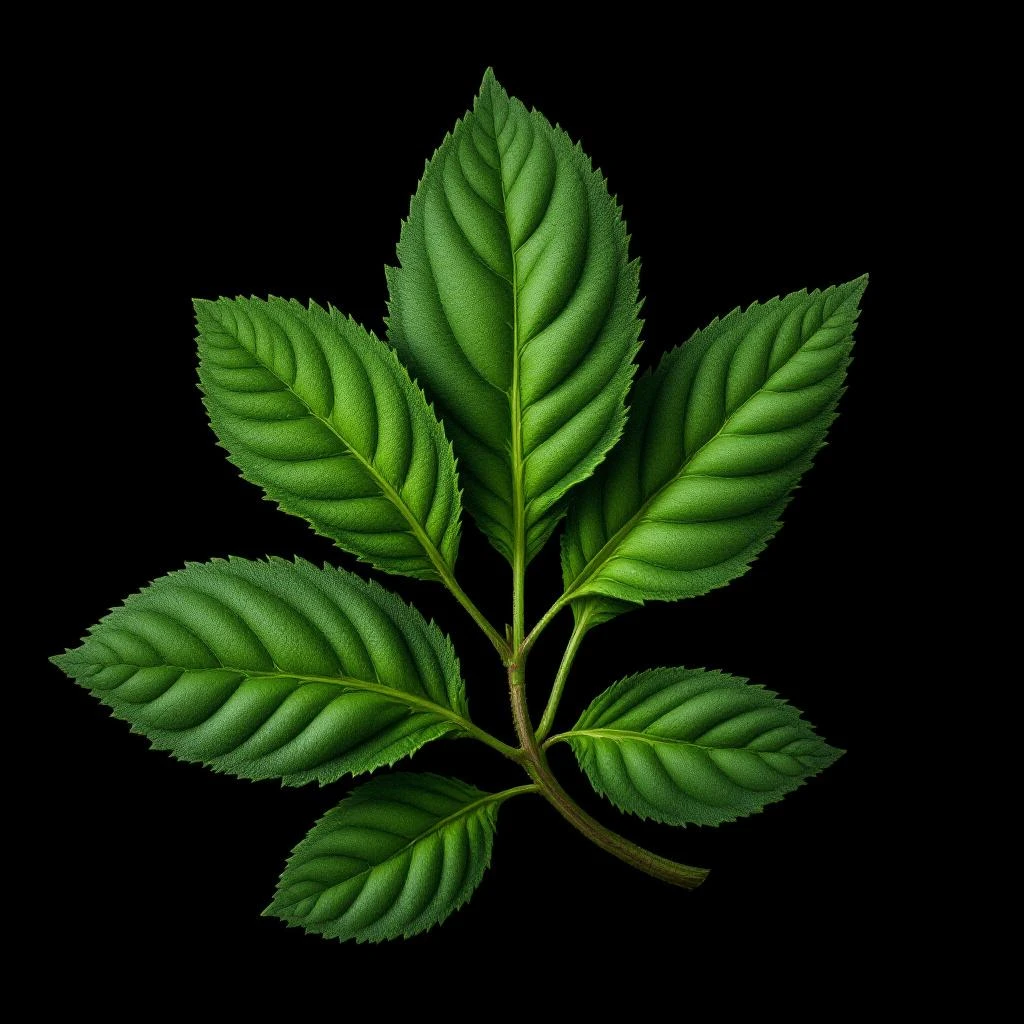
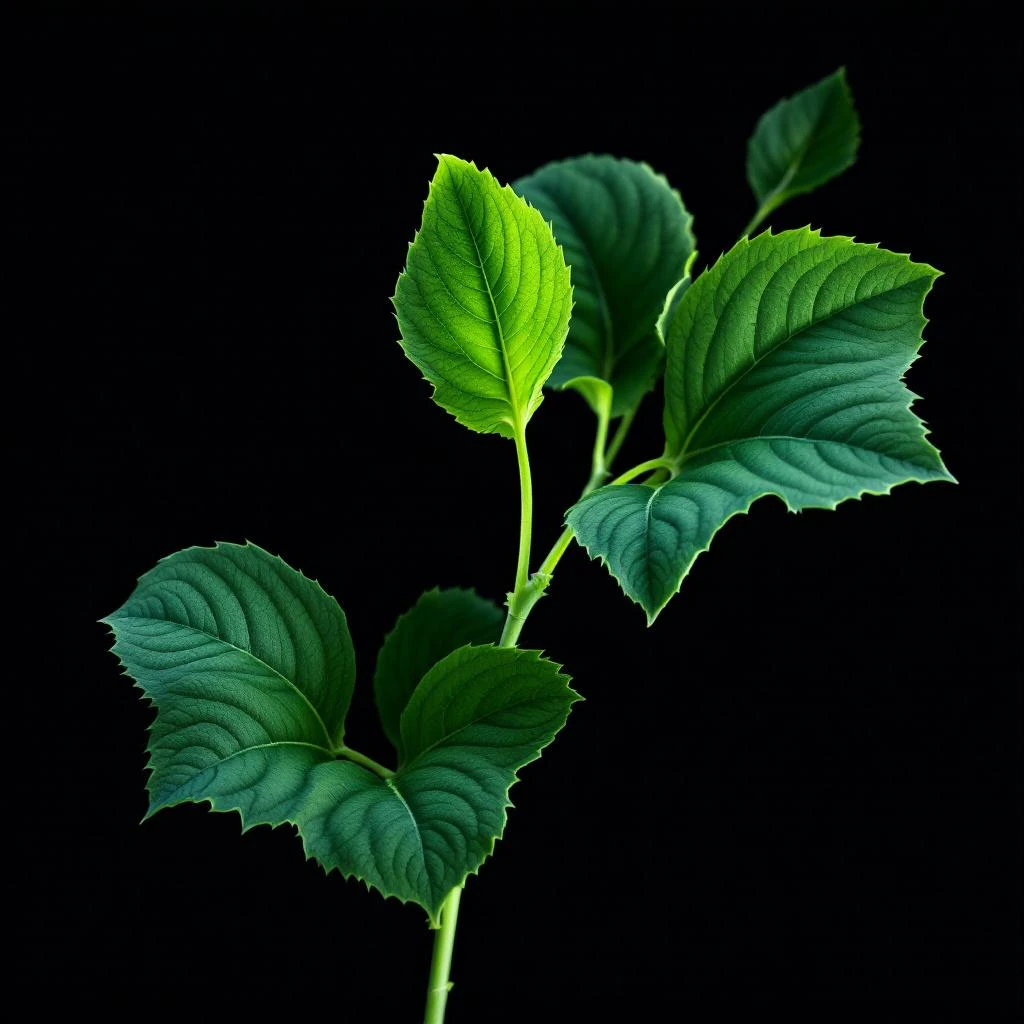
Cedar leaves bring a sharper, greener edge to the cedar family: camphoraceous, herbaceous, resinous. Steam-distilled from arborvitae foliage, this note cuts through heavy compositions with an almost medicinal crispness.
Character
How it smells
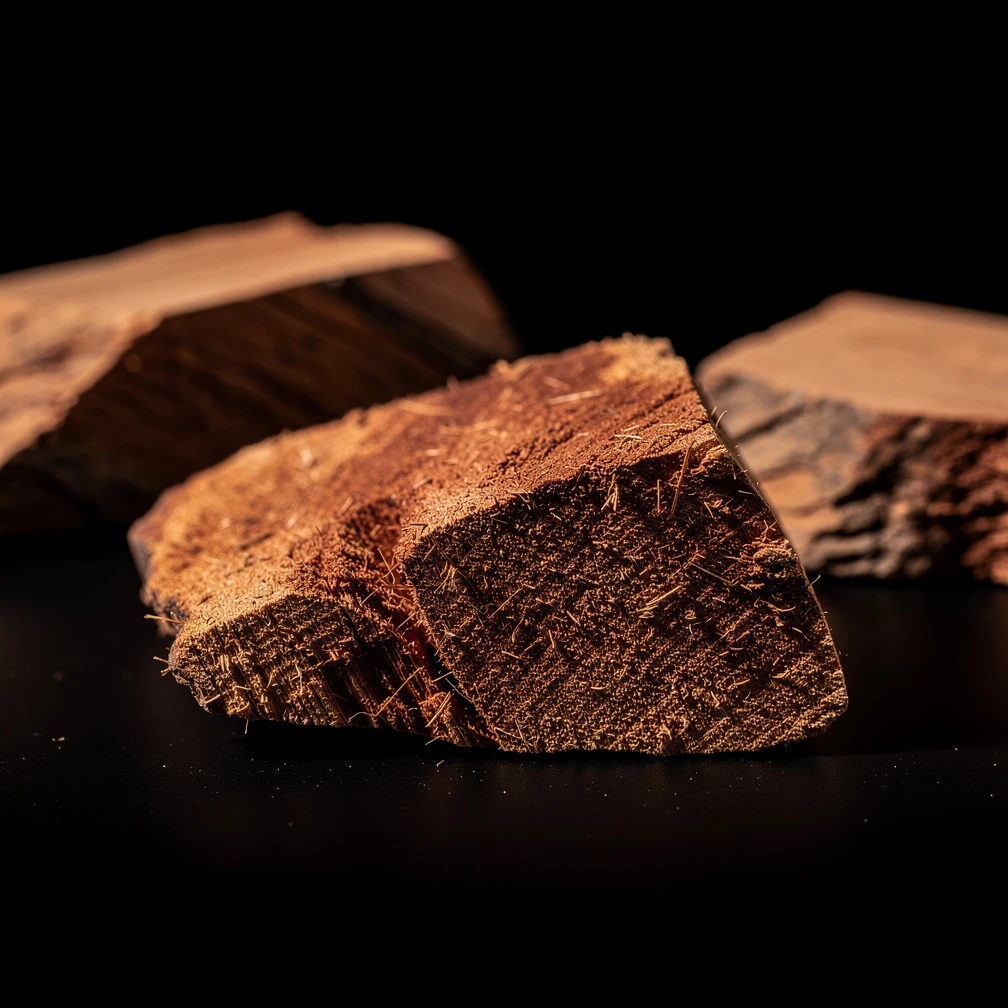
The sharp green breath of cedar foliage
Cedar leaf oil comes from Thuja occidentalis, the arborvitae, not from true Cedrus trees, a distinction most perfumers insist matters.






Origin
Canada
Cedar leaves, or more precisely the foliage of Thuja occidentalis, carry a long history of medicinal and aromatic use among Indigenous peoples of northeastern North America. The Haudenosaunee and Anishinaabe brewed the branches into decoctions long before European contact. French explorers arriving in the St.
Lawrence River valley in the 16th century learned these uses from local guides; Jacques Cartier's crew reportedly survived scurvy with a tea brewed from arborvitae foliage during the harsh winter of 1535-1536. The tree's Latin name, Thuja, derives from the Greek word for incense, a nod to its resinous fragrance when burned. French settlers called it l'arbre de vie, the tree of life.
In European perfumery, the essential oil entered the palette more slowly than true cedarwood, gaining recognition in the 20th century as formulators sought greener, more camphoraceous alternatives to the warmer woody base.
Wears it best
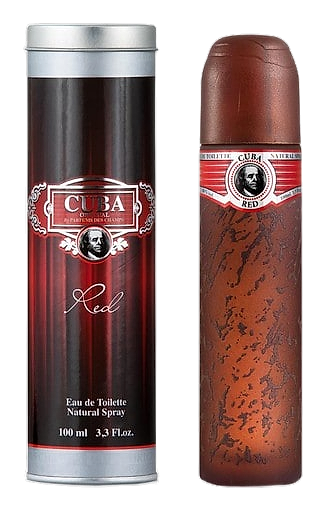
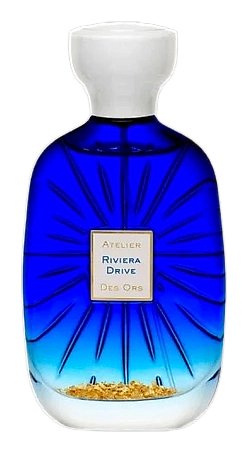
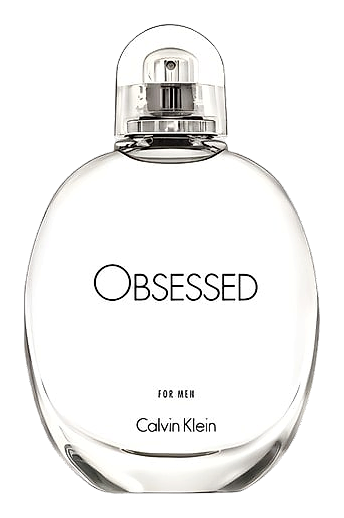
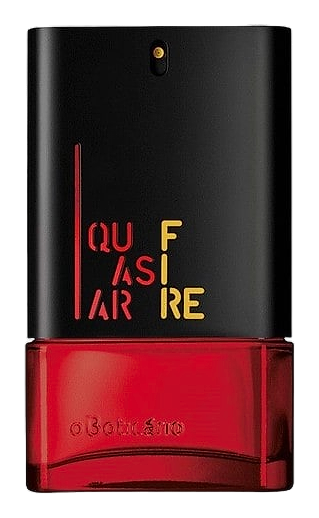
Fragrances featuring Cedar Leaves
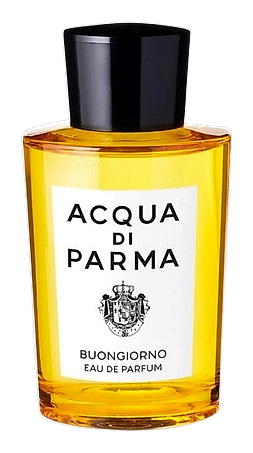
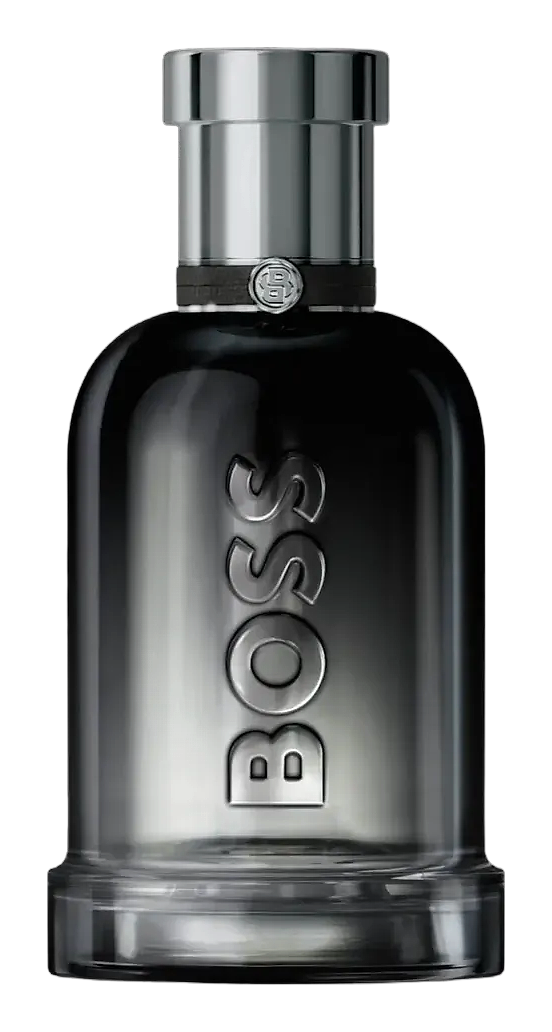
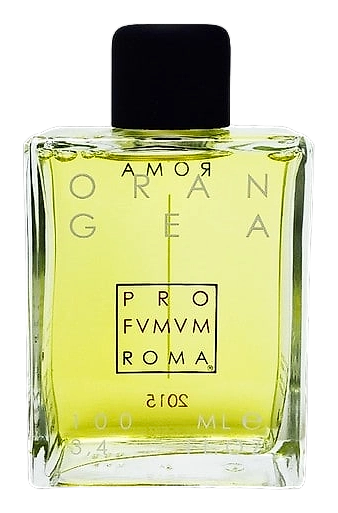
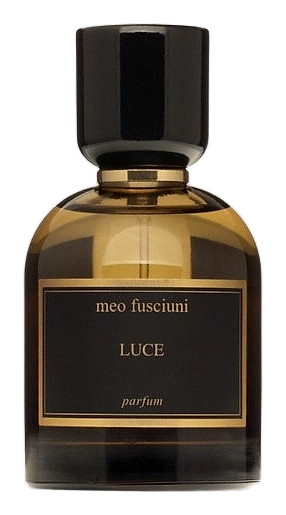
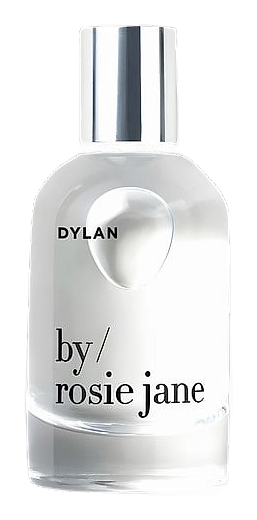
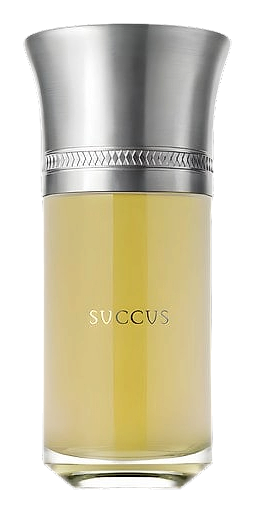
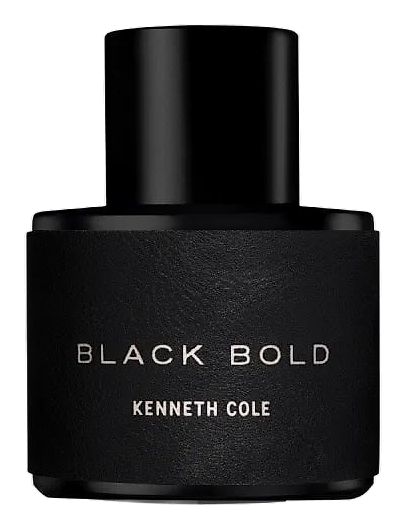
Brands
Brands known for Cedar Leaves
Good to know
Questions, answered
The essentials on Cedar Leaves in perfumery: how it smells, where it comes from, and how it behaves on skin.
What does cedar leaf smell like?
Cedar leaf oil smells sharp, green, and camphoraceous, with herbaceous and faintly medicinal undertones. It is greener and more penetrating than cedarwood oil, which reads warmer and drier.
Is cedar leaf the same as cedarwood?
No. Cedar leaf oil comes from Thuja occidentalis (arborvitae), while true cedarwood oils come from Cedrus species like Atlas or Virginian cedar. The two share a woody character but differ in sharpness.
Is cedar leaf oil safe in perfume?
It is used in limited concentrations due to thujone, a ketone regulated in cosmetics. IFRA standards restrict its inclusion levels, and finished fragrances typically contain well below 1%.
Where does cedar leaf oil come from?
Most commercial cedar leaf oil is distilled in Canada and the northeastern United States, where Thuja occidentalis grows abundantly in cool, humid forests.
Why do perfumers use cedar leaves instead of cedarwood?
Cedar leaf provides a brighter, more volatile top-to-heart note. It lifts compositions with camphoraceous freshness, whereas cedarwood anchors the drydown with warmth.
When was cedar leaf first used in perfumery?
Its use as a perfume ingredient became widespread in the 20th century, although Indigenous communities in northeastern North America had used the foliage aromatically and medicinally for centuries.
What scents pair well with cedar leaf?
It blends naturally with pine, rosemary, lavender, and citrus oils, where its sharpness adds lift. In woody compositions, it brightens heavier bases like patchouli and vetiver.
Does cedar leaf oil have therapeutic properties?
Traditional uses include respiratory support and antiseptic applications, though modern aromatherapy claims vary. The oil's thujone content makes internal use inadvisable.