










Heritage
A house, in its own words
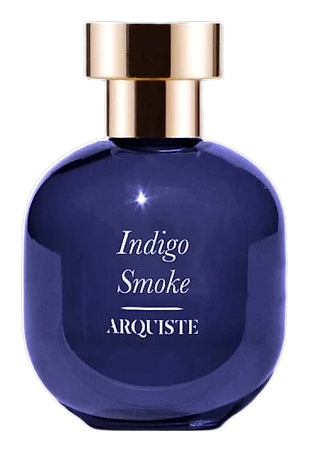
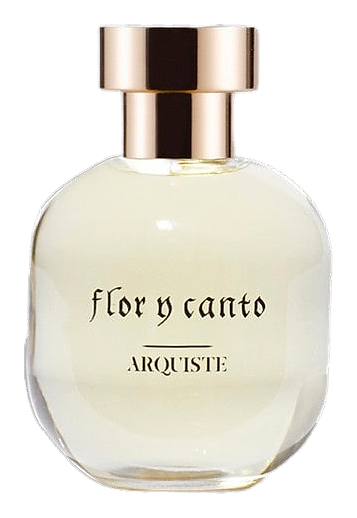
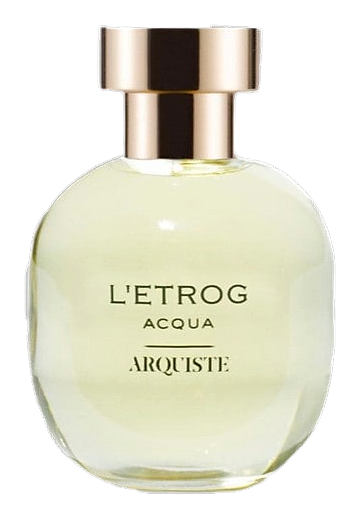
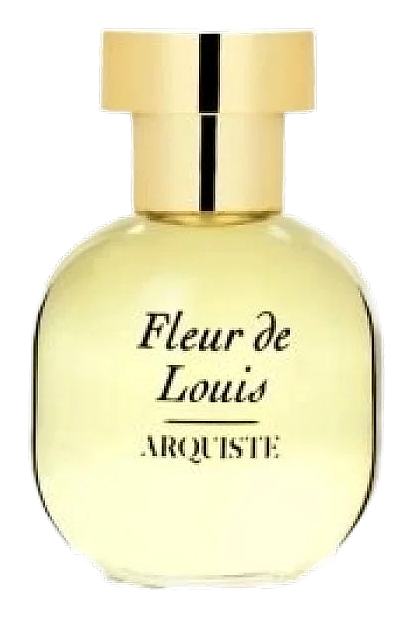
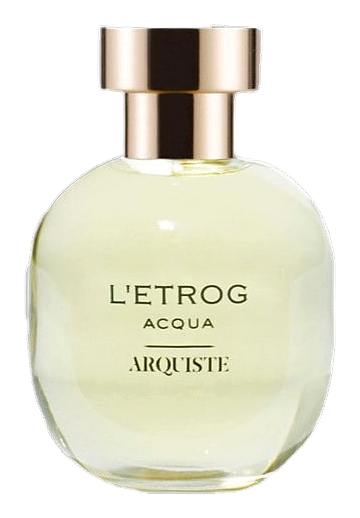
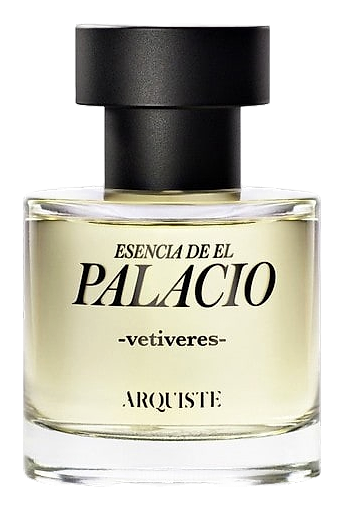
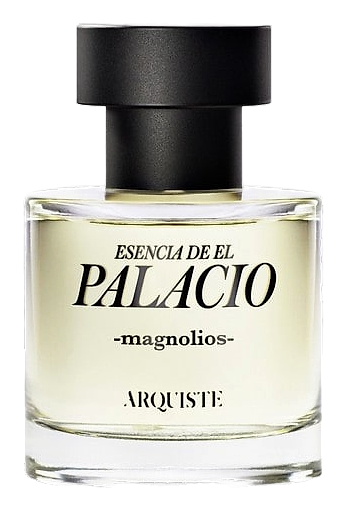
Carlos Huber began his career preserving historic buildings in Mexico before turning his attention to scent. In 2012 he launched Arquiste, describing the venture as an "olfactive restoration" of forgotten moments. Early releases such as Flor y Canto (2012) and L’Etrog (2012) demonstrated the concept: a fragrance built around a documented aroma from a specific era. The following year, The Architects Club (2014) referenced a 1930s gathering of architects in Mayfair, London, reinforcing the brand’s commitment to place‑based storytelling. By 2016, Arquiste had expanded its palette with Esencia de el Palacio and El, both inspired by Mexican heritage sites. The collaboration with celebrated perfumers—Rodrigo Flores‑Roux, known for his work at Dior; Yann Vasnier, a veteran of Guerlain; and Calice Becker, creator of iconic scents for Chanel—gave the house technical depth and industry credibility. In 2021 the line introduced Vacation, a scent evoking a mid‑century Caribbean retreat, followed by Indigo Smoke (2022) that captured the aroma of a 19th‑century cigar lounge. Recent releases such as A Grove by The Sea (2024) and the dual 2025 launch of GRAND CUVÉE and Nocturnality illustrate a continued focus on archival research, with each fragrance accompanied by a short historical essay on the brand’s website. Throughout its evolution, Arquiste has maintained a small‑batch production model, distributing through select boutiques and its own online shop, while also supplying scented candles that echo the perfume compositions. The house’s trajectory reflects a steady accumulation of historically anchored fragrances rather than rapid trend‑following, positioning it as a quiet but respected player in the niche market. Arquiste treats perfume as a form of historical documentation. The creative brief for each scent begins with a primary source—a diary entry, a painting, an architectural plan—followed by a sensory reconstruction performed by a historic preservationist. This research‑first approach ensures that the olfactory narrative aligns with documented aromas of the chosen era. The brand values authenticity over novelty, preferring to revive a scent that once existed rather than invent a purely abstract composition. Collaboration is central: perfumers translate archival notes into a modern formula while respecting the original material palette. Sustainability is addressed through selective ingredient sourcing; natural extracts are chosen when they can be traced to traditional harvest regions, and synthetic substitutes are used only when they replicate a lost note without compromising safety. The label’s tagline, "A time and place for every scent," encapsulates its belief that fragrance can act as a temporal anchor, allowing wearers to inhabit moments that would otherwise be inaccessible. This philosophy extends to the brand’s communication, which includes detailed historical essays and contextual photographs, inviting consumers to engage intellectually as well as sensorially.