The Story
Why it exists.
The beginning
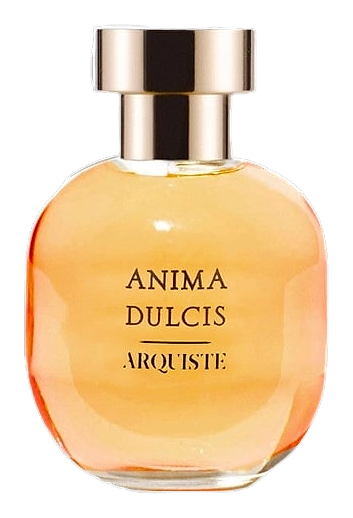
November, 1695. Mexico City. The Royal Convent of Jesus Maria holds a secret in its kitchen: cocoa infused with an assortment of chilies, prepared by nuns according to a recipe that exists somewhere between sacred and profane. Rodrigo Flores-Roux and Yann Vasnier didn't invent this fragrance. They reconstructed it. Arquiste approaches scent as historical restoration. Carlos Huber, a Mexican architect who spent years preserving historic buildings, founded the house in 2012 with a single premise: perfume should be a portal to a documented moment. The brief for Anima Dulcis began with a primary source, a Baroque recipe, a documented aroma. Not a mood board. Not a concept. An actual thing that happened. The result smells like incense mixing with kitchen spices. Like terra cotta and gilded altars. Like something the church and the convent shared without admitting it.
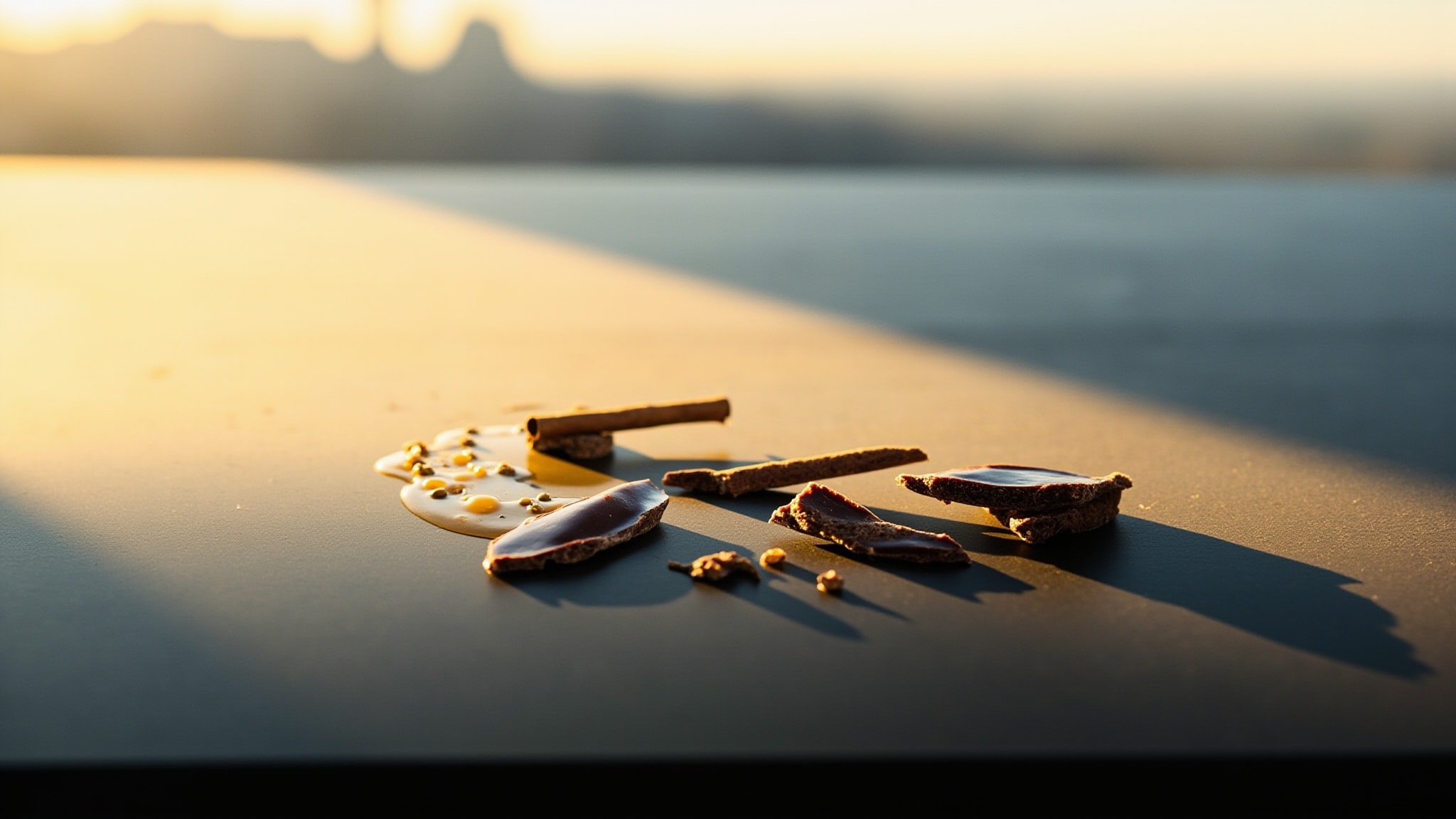
What makes Anima Dulcis distinctive isn't any single note, it's the architecture. Cocoa absolute and Mexican vanilla form the foundation, yes. But the oregano, sesame, and cumin create something unexpected: a savory counterweight to what could have been straightforward sweetness. The chypre accord is doing quiet work in the base. It keeps the gourmand elements from becoming syrupy. The mineral quality of the original inspiration, terra cotta floors, stucco walls, surfaces in the drydown as something cool and grounded beneath the warmth. This is why the fragrance doesn't feel like dessert. It feels like a place. Clove, chili, and cinnamon amplify the warmth.
The evolution
The opening announces itself immediately: cinnamon sharp and bright, backed by something herbaceous, the oregano and sesame arriving together. For the first twenty minutes, the fragrance reads as warm spice without sweetness. Almost savory. Then the transition. The cocoa absolute begins to surface, threading through the spices like a dark vein in warm stone. The cumin becomes more apparent, adding an animalic depth that the chypre accord amplifies. This is where the fragrance reveals its true character, as something that occupies the space between kitchen and church, between sacred and indulgent. The drydown is where Anima Dulcis earns its reputation. Mexican vanilla emerges slowly, wrapping around the cocoa like cream stirred into something dark. The animalic quality doesn't disappear, it deepens, settling into the skin with a warmth that many wearers describe as almost intimate. Eight to ten hours on most skin types. The next morning, a faint trace of cocoa and vanilla remains, like the scent of a room someone cooked in the night before.
Cultural impact
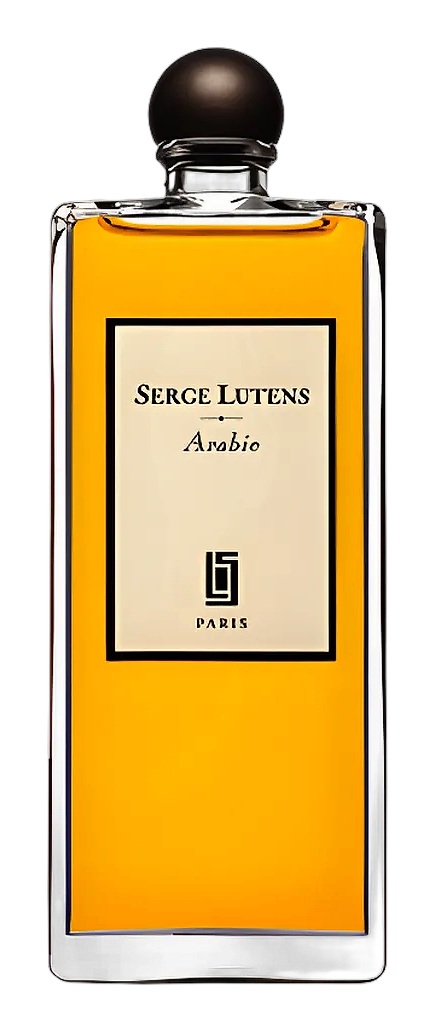
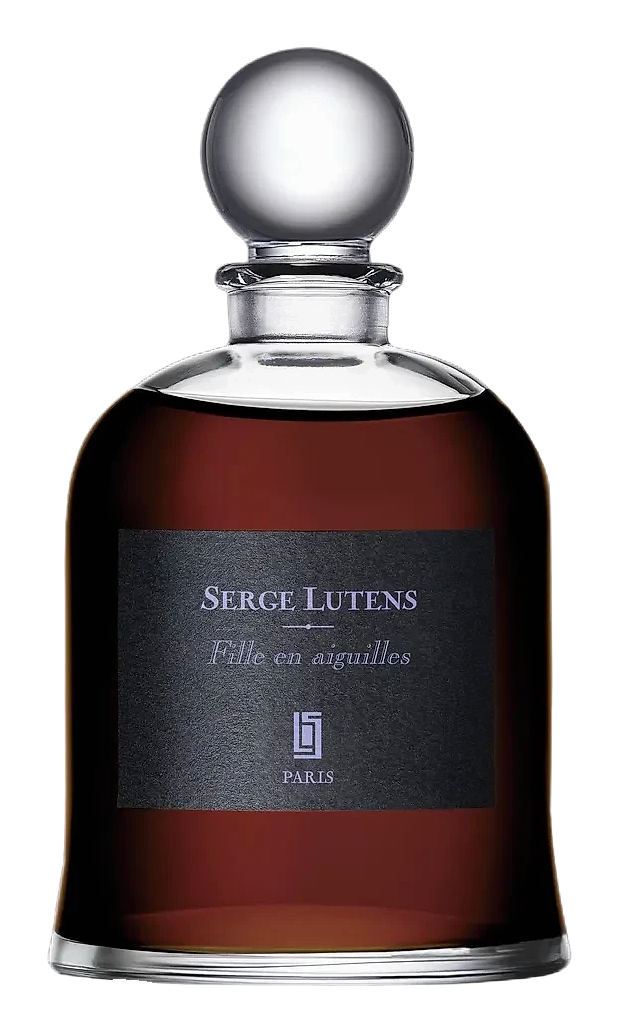
Anima Dulcis occupies a specific corner of the niche fragrance world: warm, spicy, and gourmand, but with enough complexity to reward attention. It appeals to wearers who want something that smells like a place rather than a concept, Viceregal Mexico, a convent kitchen, Baroque excess captured in a bottle. The fragrance has developed a following among those who appreciate its animalic warmth and its refusal to be merely sweet. Comparisons to Serge Lutens Arabie and Armani Privé Rose d'Arabie surface regularly, though Anima Dulcis occupies its own territory. It's less floral than the Armani, less dried-fruit than the Lutens. The oregano and chypre structure give it a savory quality that separates it from straightforward chocolate fragrances.