Chili
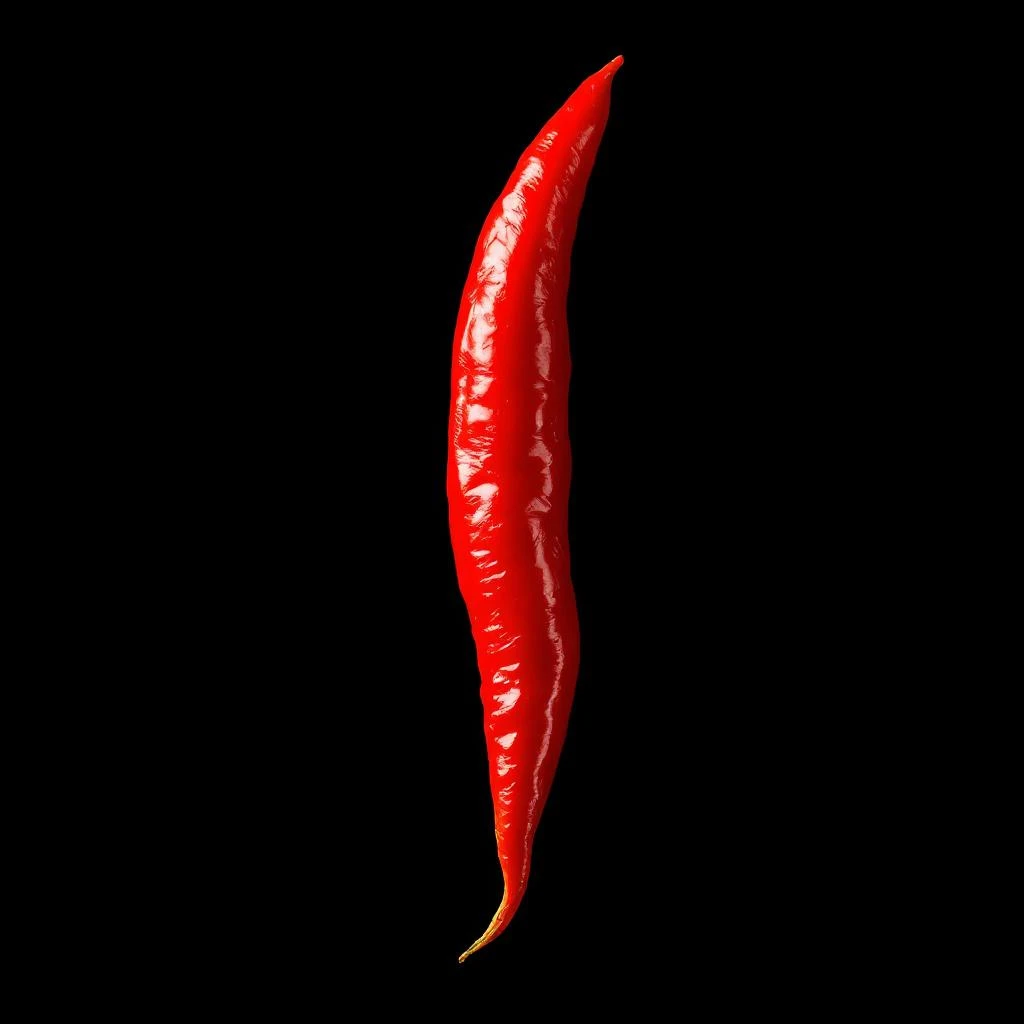
Chili brings an unmistakable heat to fragrance, a sharp, almost metallic brightness that electrifies compositions. This volatile material creates a tingling sensation on skin, lending fragrances an edgy, energetic quality that lingers in the drydown. Used sparingly, it functions as a precision instrument in a perfumer's palette.
Character
How it smells
Liquid fire that awakens the senses and ignites daring compositions.
Napoleon's troops stuffed pimento berries into their boots during the retreat from Moscow in 1812, believing the warming spice would protect their frostbitten feet.







Origin
Jamaica
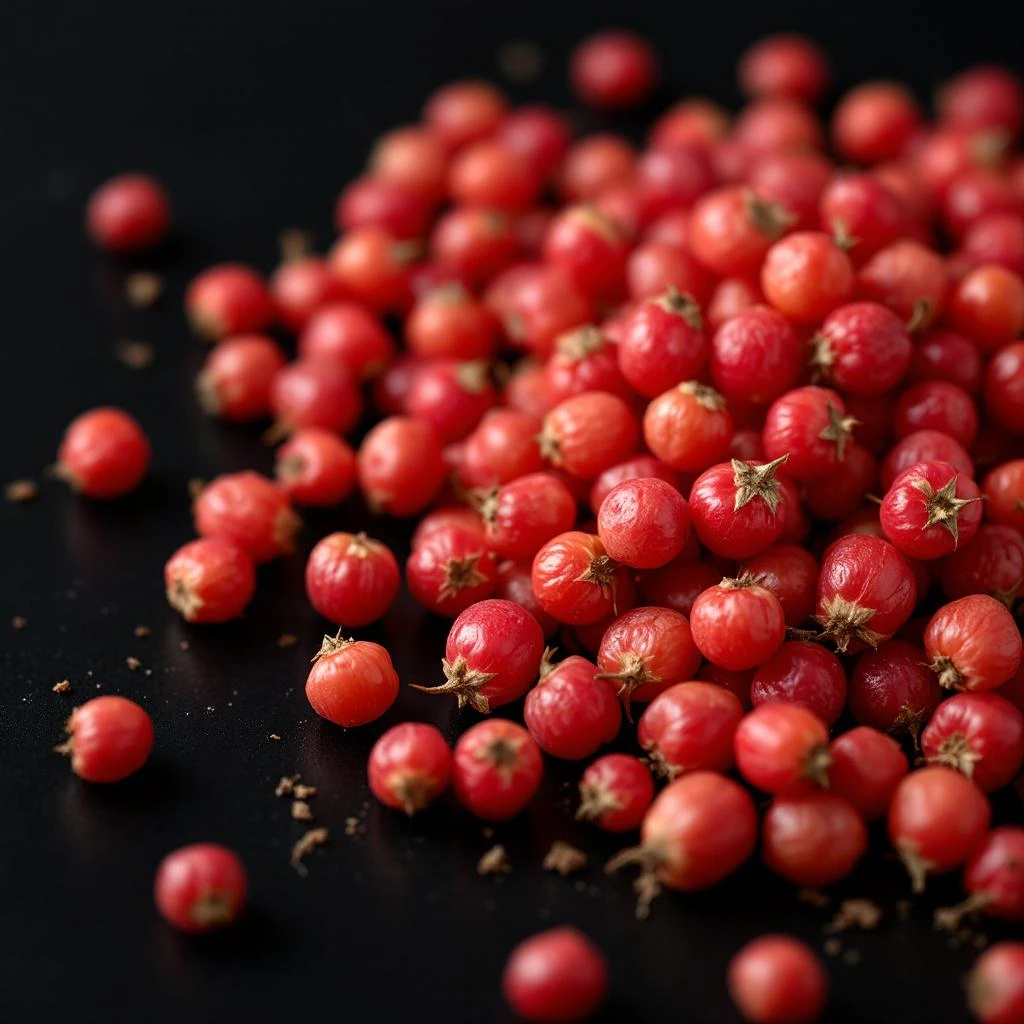
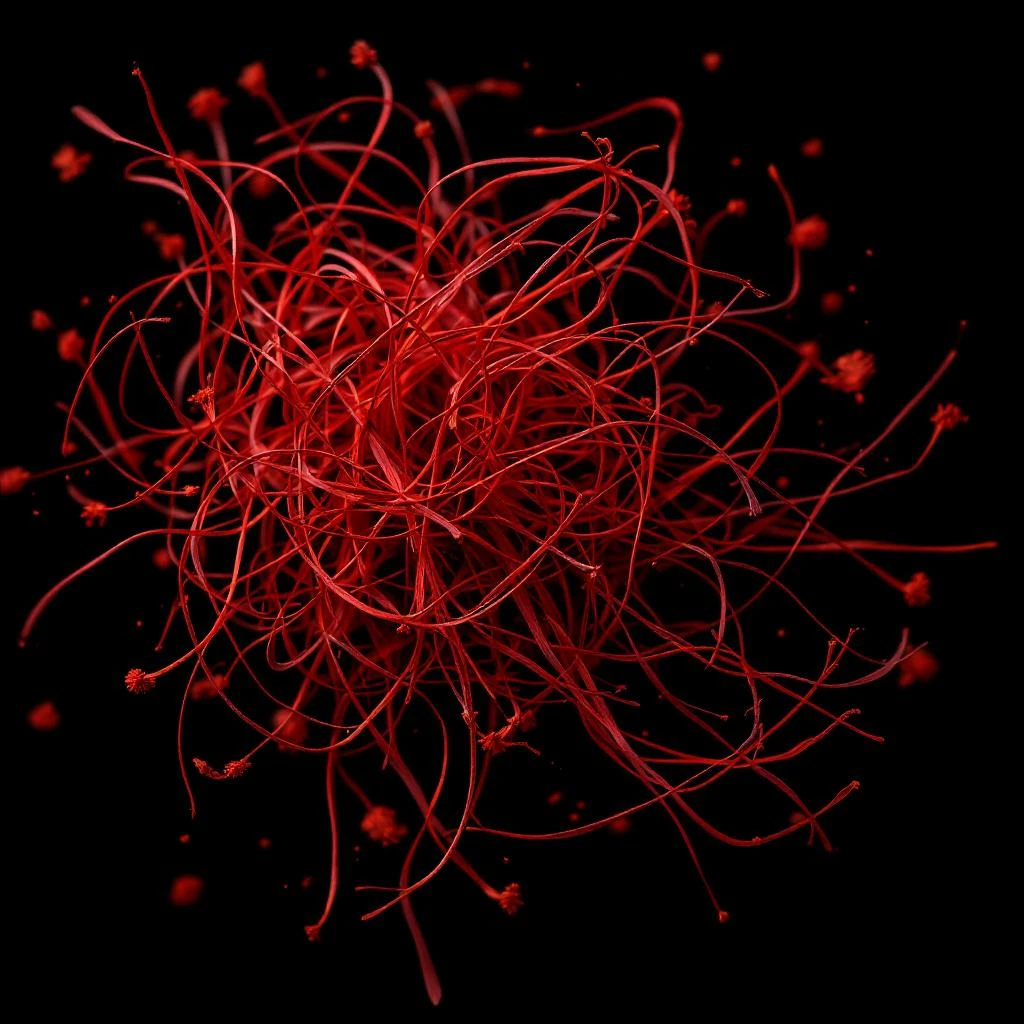
Chili peppers originated in the Americas, where indigenous peoples cultivated them for thousands of years before European contact. The Aztecs incorporated pimento berries into chocolate preparations, creating beverages that balanced bitter cacao with warming spice. When Christopher Columbus encountered these fruits during his second voyage in 1493, he misidentified them as related to black pepper, introducing the misnomer that persists in names like "pimento" and "allspice" today.
The spice trade of the 16th and 17th centuries transformed chili from a regional American ingredient into a global commodity. Portuguese and Spanish traders carried pimento berries throughout Asia and Europe, where their warm, complex aroma quickly gained favor. Allspice became particularly prized for combining the scent profiles of multiple spices into a single ingredient.
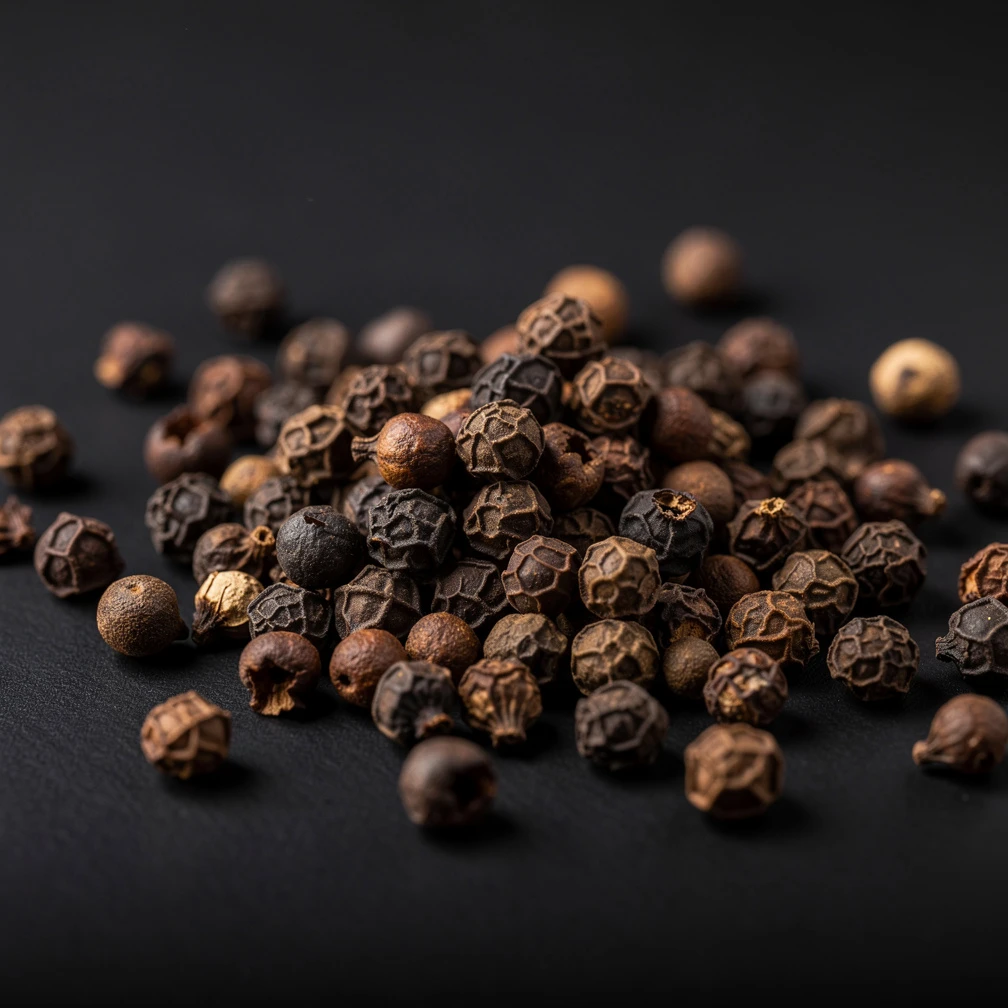
Piper nigrum has a longer documented history in perfumery and commerce. Ancient Greeks and Romans used black pepper extensively, and during medieval times, its value approached that of gold by weight. Entire colonial expansion efforts were motivated by access to pepper supplies, with Portuguese, Dutch, English, and French trading companies fighting for control of spice routes.
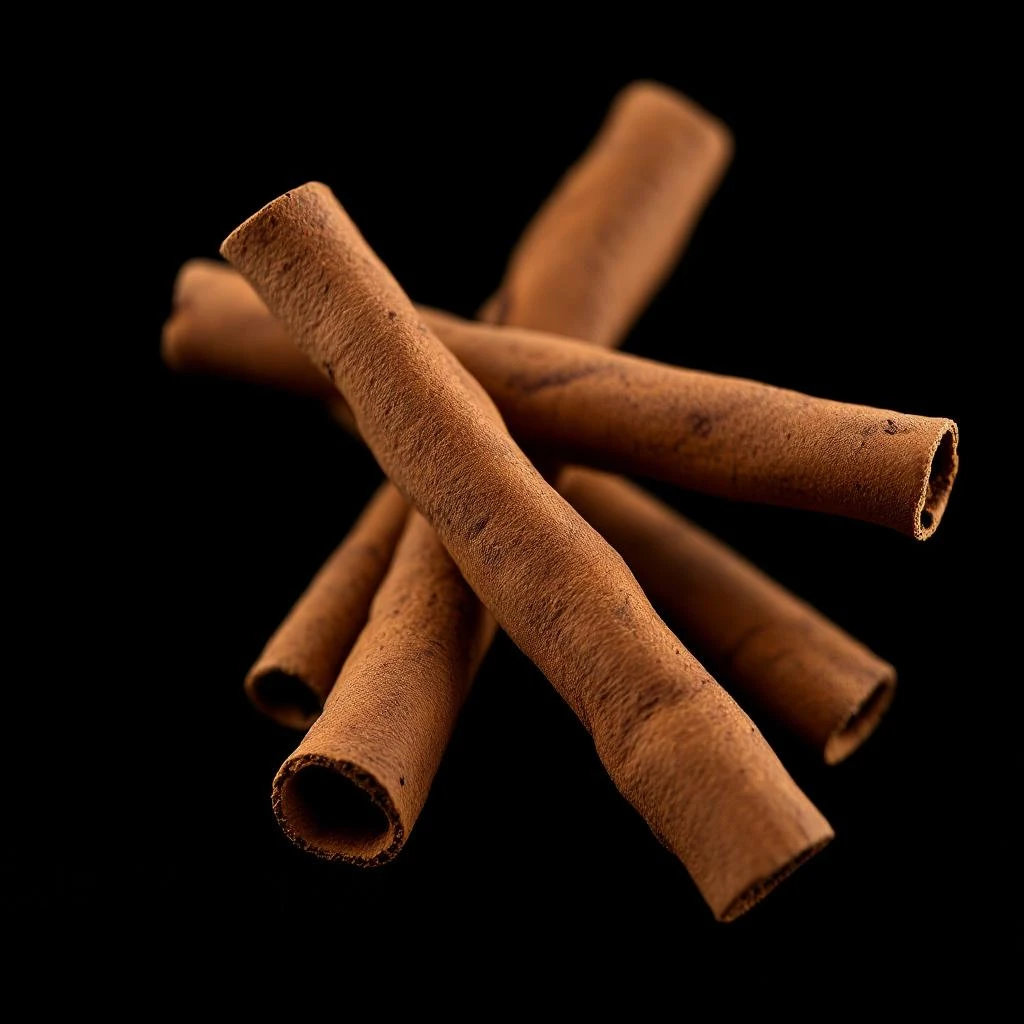
The application of chili and peppers in fragrance came much later, developing primarily during the 20th century as perfumers sought to expand their spicy palette beyond traditional materials like cinnamon and clove. Today, chili and pepper notes appear in gender-neutral compositions as well as distinctly masculine and feminine fragrances, reflecting a broader understanding of spice as a universally appealing olfactory category.
Modern cultivation of pepper and pimento for aromatic use remains concentrated in traditional growing regions. Jamaica produces the world's finest pimento, while Vietnam leads black pepper production. These geographical associations carry cultural weight, connecting contemporary perfumery to centuries of agricultural tradition and trade history.
Wears it best
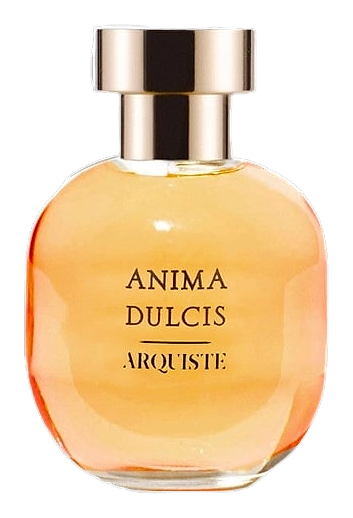
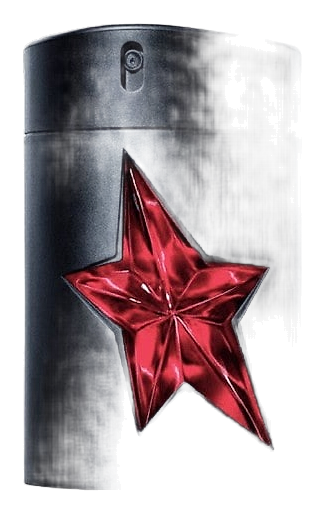
Fragrances featuring Chili
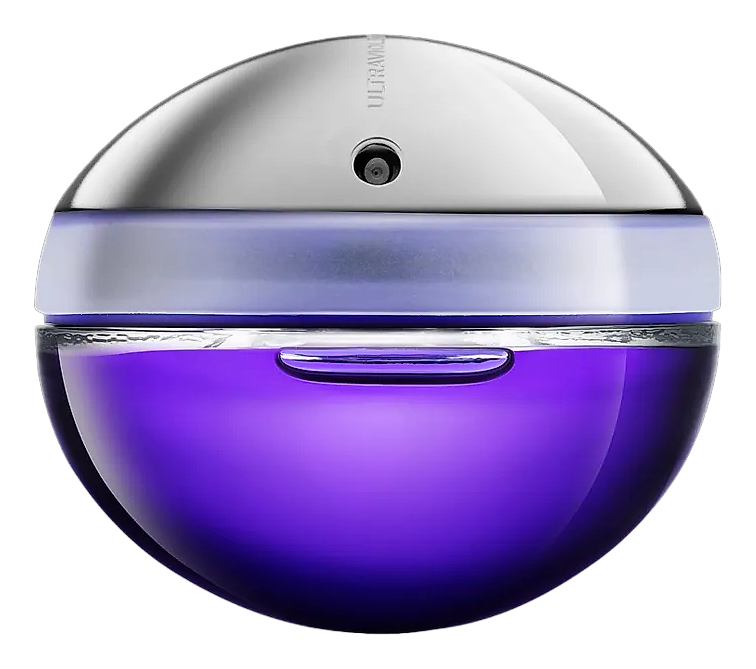
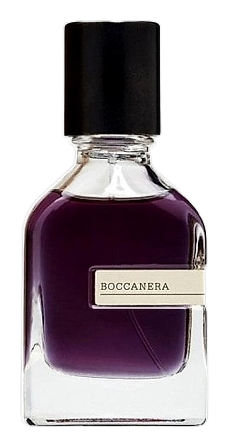
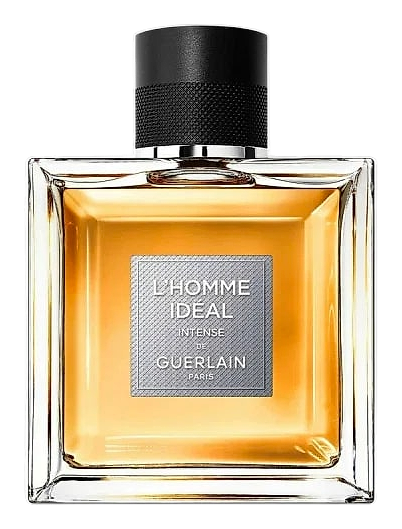
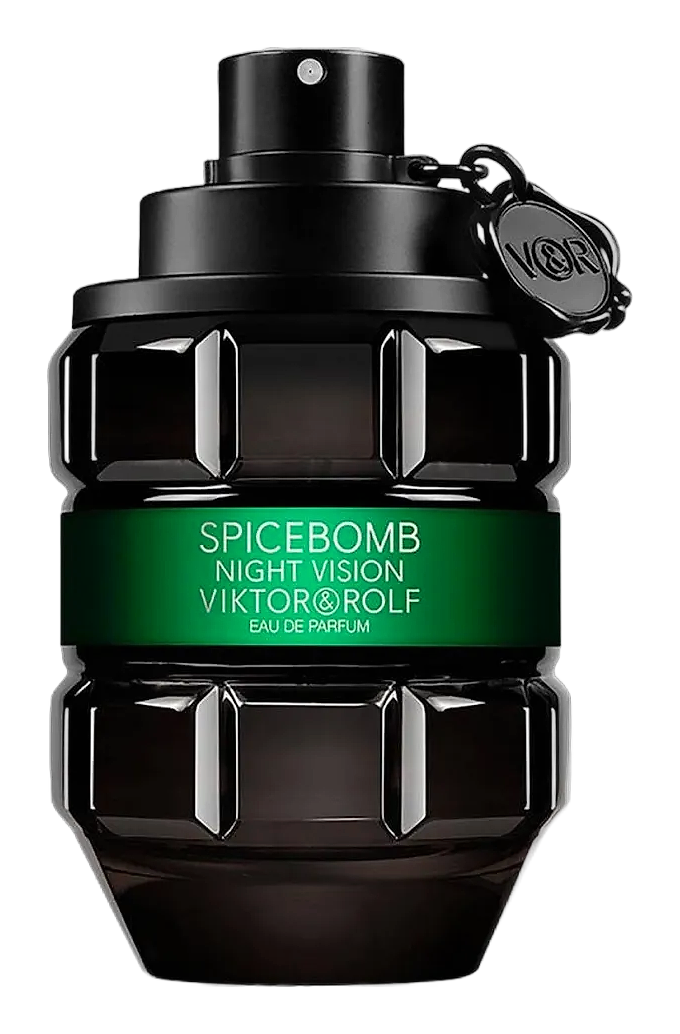

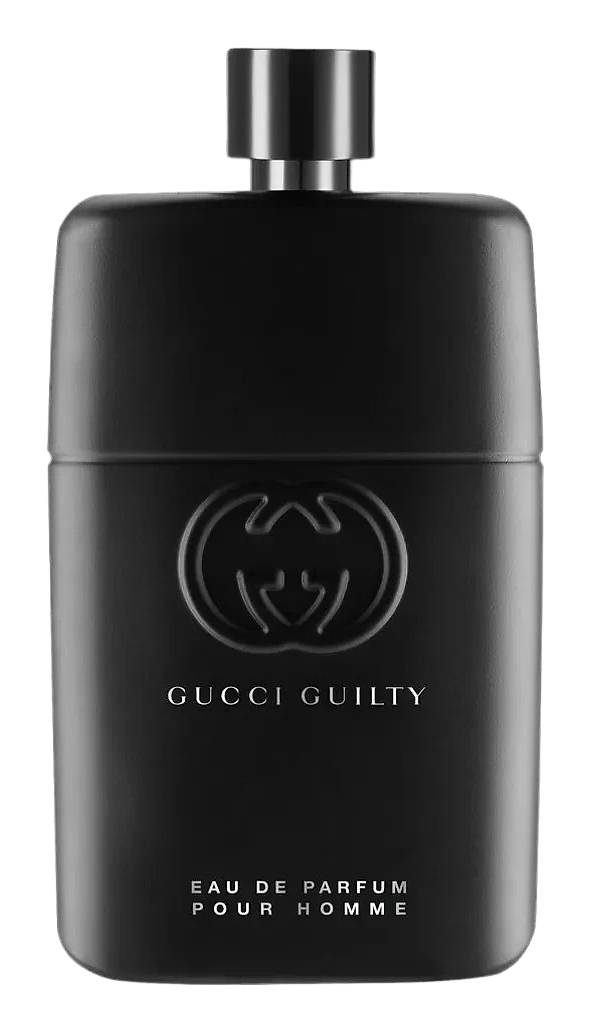
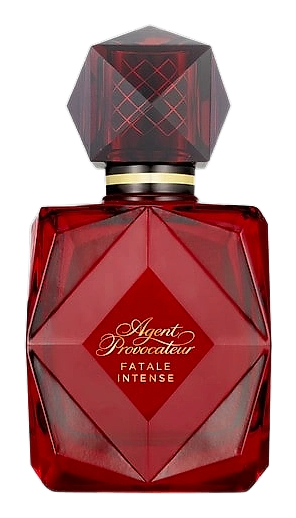
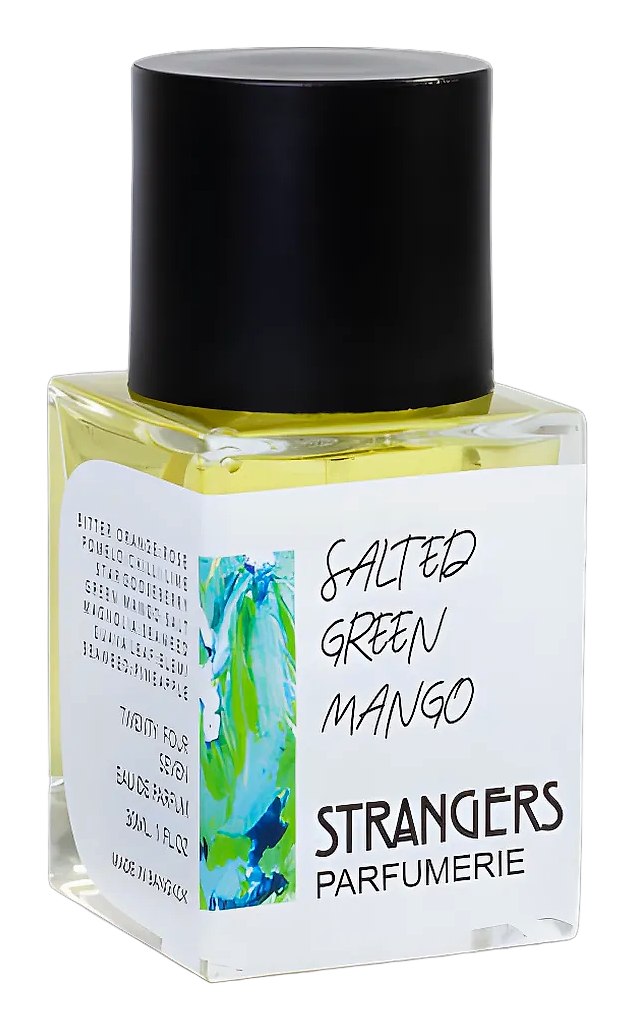
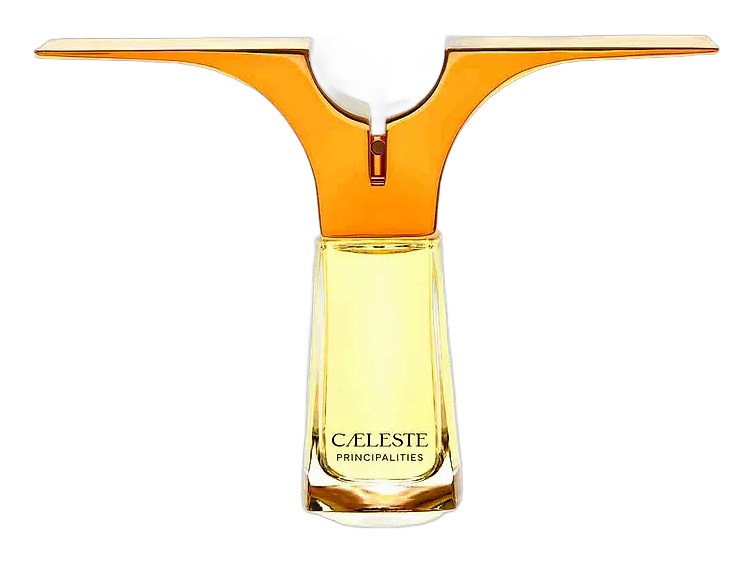
Brands
Brands known for Chili
Good to know
Questions, answered
The essentials on Chili in perfumery: how it smells, where it comes from, and how it behaves on skin.
What does Chili smell like in perfume?
Chili delivers a sharp, almost metallic brightness with underlying warmth. The scent combines heat, slight sweetness, and a tingling quality that creates alertness on skin. It reads as fresh-cut pepper with subtle smoky undertones rather than the cooked culinary aroma most people associate with chili in food.
Why is Chili used in perfumery?
Chili creates energy and movement in fragrance compositions. It functions as a precision tool for perfumers, adding an edgy quality that makes scents feel more alive and contemporary. At usage levels of 0.02% to 0.4%, it provides lift and modernity without overwhelming other notes.
Is Chili in perfume natural or synthetic?
Chili used in fine perfumery is natural, extracted via steam distillation from dried Capsicum fruits. Pimento berry oil, pink peppercorn oil, and black pepper oil are all natural aromatic materials. Some synthetic capsaicin alternatives exist for cosmetic applications, but premium fragrances typically feature the natural material.
What famous perfumes contain Chili?
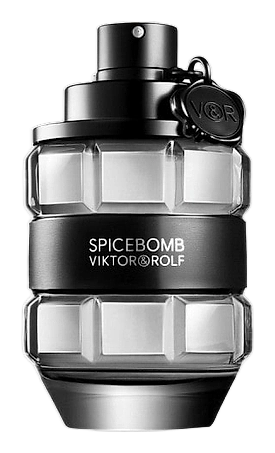
Red pepper notes appear in numerous contemporary fragrances including Byredo Gypsy Water, Diptyque Eau de Lierre, and Serge Lutens Daim Lub. Chili heat specifically shows up in bold compositions like Tom Ford Black Orchid and Kilian Black Phantom, where it amplifies the dramatic character of these scents.
Is Chili a top note, heart note, or base note?
Chili functions primarily as a top note, delivering immediate impact when fragrance is applied. Its volatile compounds project strongly in the opening minutes, creating an alerting, energizing first impression. Some warming qualities persist into the heart phase, but the sharp, bright character fades as the fragrance develops.
What notes pair well with Chili in perfume?
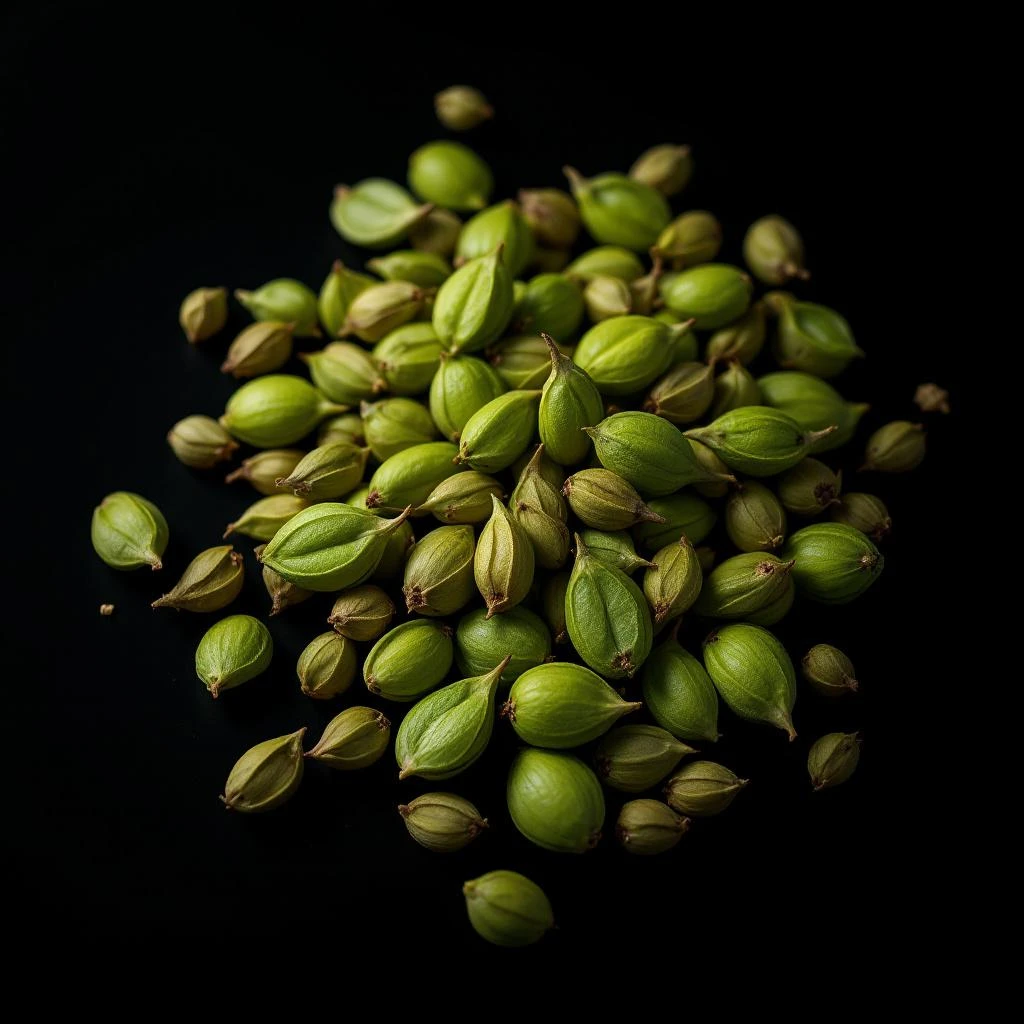
Chili pairs naturally with other spices including cardamom, coriander, and pink pepper. It gains warmth when combined with woody notes like cedar and vetiver. Citrus oils like bergamot provide brightness that amplifies chili's sparkle, while incense and smoky notes create dramatic, sophisticated combinations.
Where does Chili come from?
True pimento (allspice) originates from Jamaica, where the Caribbean climate produces the highest quality fruit. Piper nigrum for aromatic use primarily comes from Vietnam, which produces 300,000 tons of pepper annually. Pink peppercorns for perfumery grow in Reunion Island and Mauritania.
Is Chili used in men's or women's fragrances?
Chili has become a gender-neutral ingredient in contemporary perfumery. While traditional spice associations leaned masculine, modern fragrance creators use chili freely across all fragrance categories. Its energizing, contemporary character appeals broadly, appearing in perfumes marketed to women, men, and gender-neutral audiences alike.