Night-Blooming Jasmine
Night-blooming jasmine reveals its intoxicating perfume only after sunset, releasing indole-rich fragrance that intensifies in warm darkness. This creamy, sultry flower anchors countless iconic compositions.
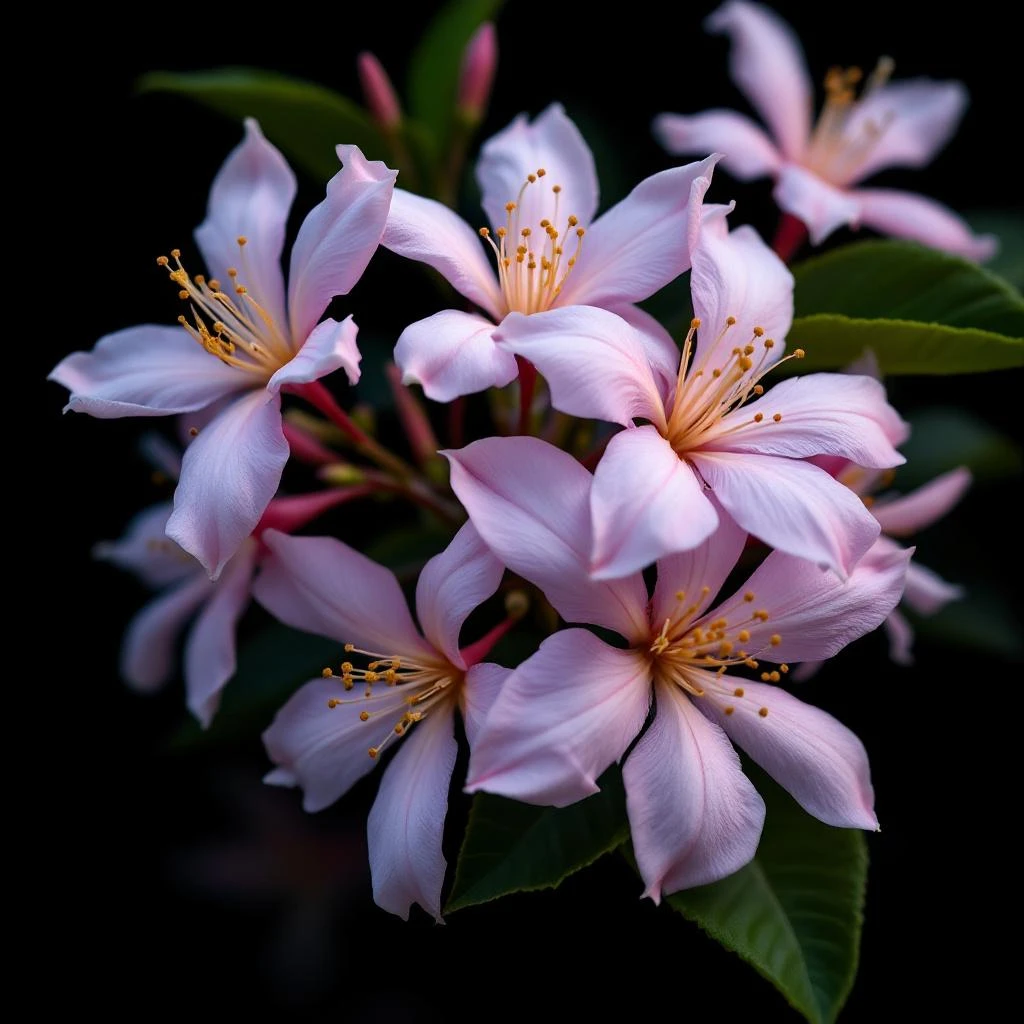
Character
How it smells
The flower that waits for darkness to unveil its scent
Its scent molecules include indole, which smells fecal in concentration yet intoxicatingly floral when diffused in trace amounts.








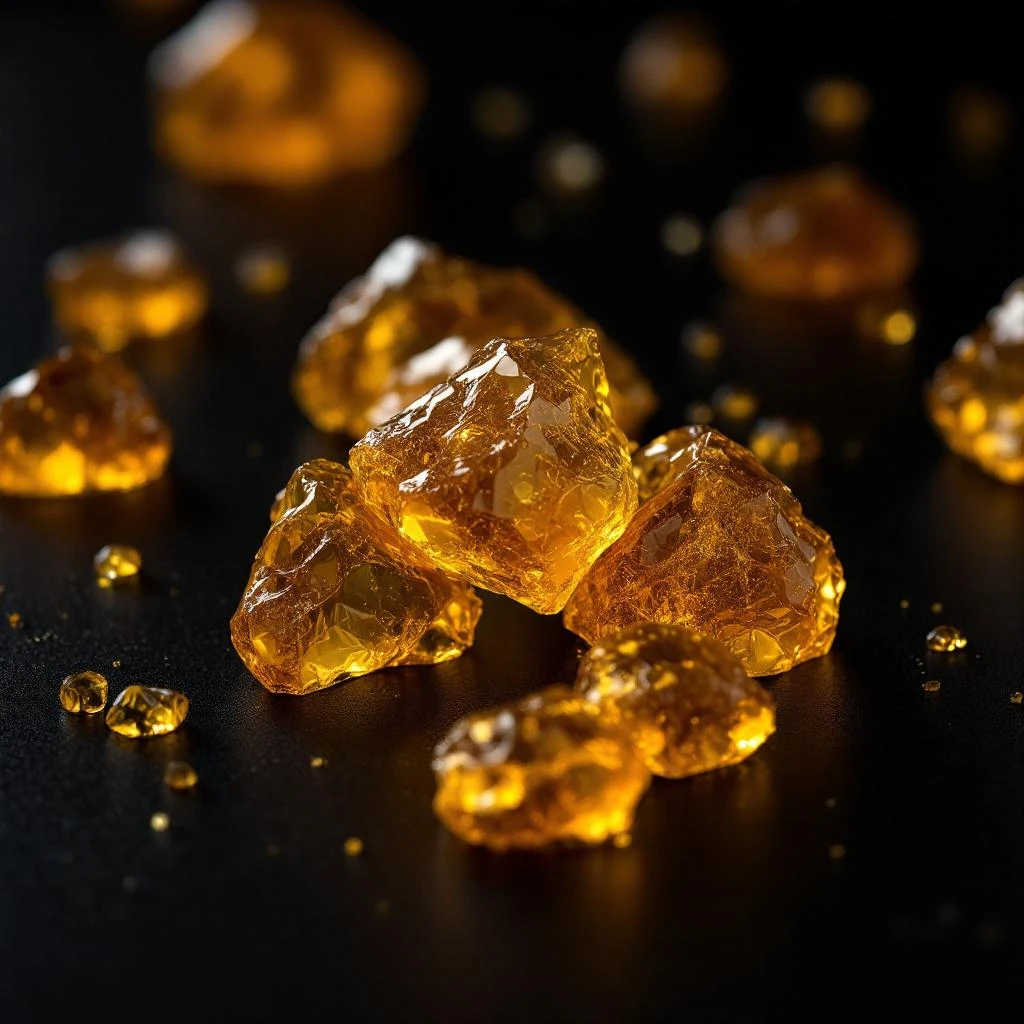
Origin
India
Jasmine's journey into European perfumery traces back to the Arab trade networks of the 1500s and 1600s. The Moors brought Jasmine officinale from North Africa into Spain, and the vine spread rapidly across the Mediterranean into Italy and France. By the 17th century, Grasse had begun cultivating jasmine for the emerging glove-perfumery industry, which scented leather hides to mask unpleasant odors.
The flower experienced a dramatic boom during the 1920s, when Grasse harvests reached industrial scale and jasminum grandiflorum commanded extraordinary prices per kilogram. French production dominated through the early 20th century, but labor costs eventually shifted cultivation to Egypt, India, and Morocco, which now produce the majority of global supply. The Roaring Twenties cemented jasmine's reputation as the star flower of white-floral perfumery, appearing in landmark compositions that defined the era.
Its cultural roots run even deeper in India and China, where jasmine has adorned temples, garlands, and bridal ceremonies for centuries before reaching Western noses.
Wears it best
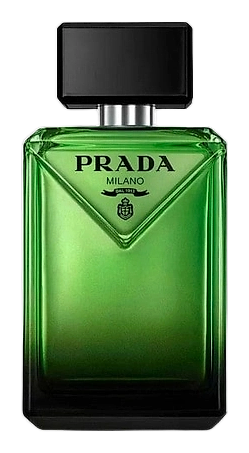
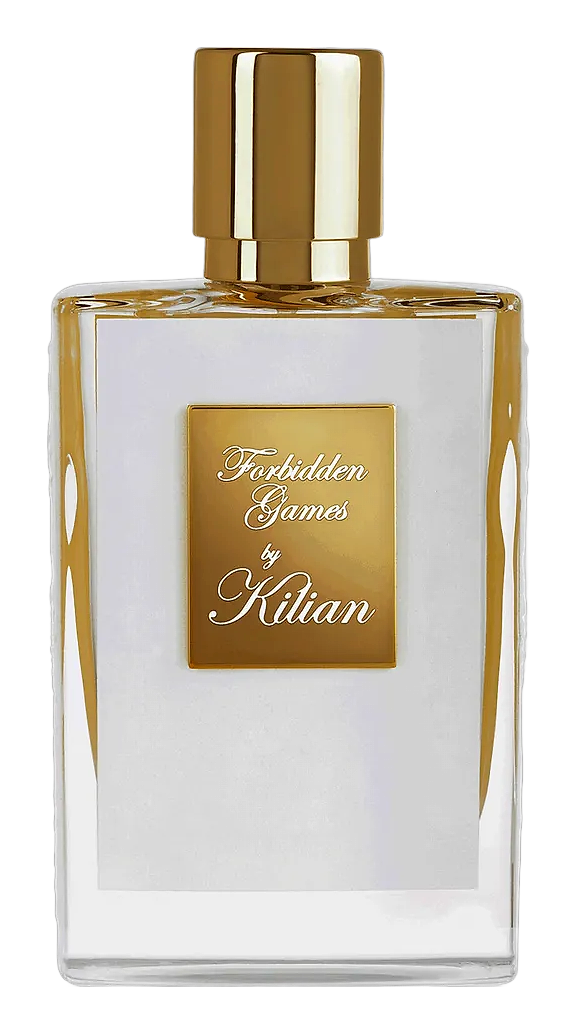
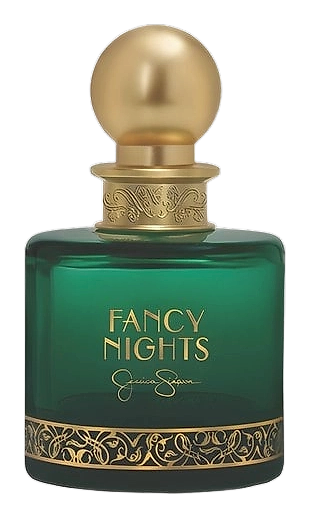
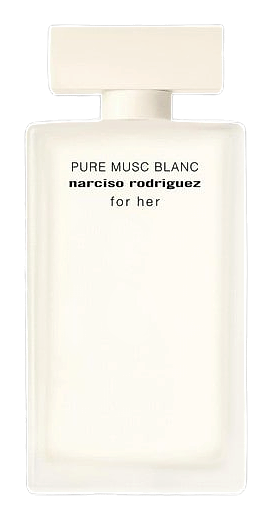
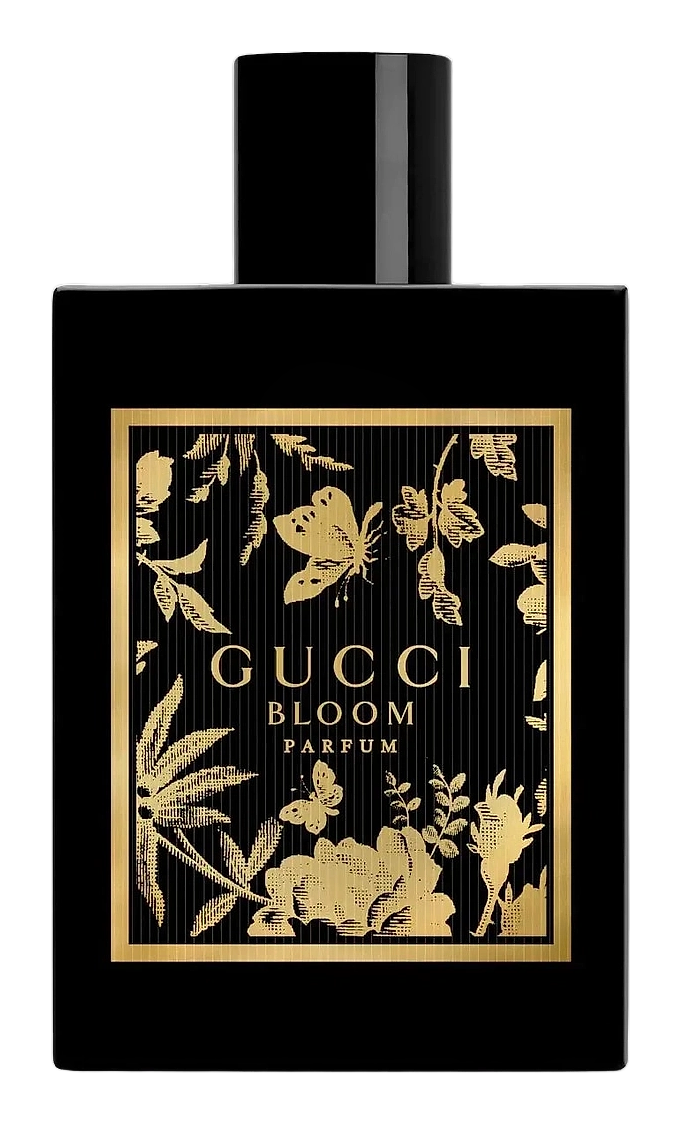
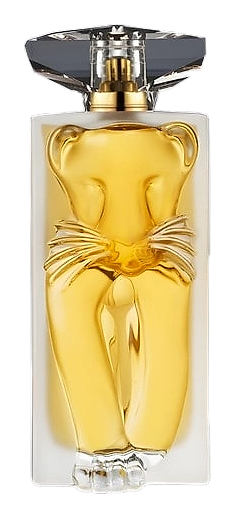
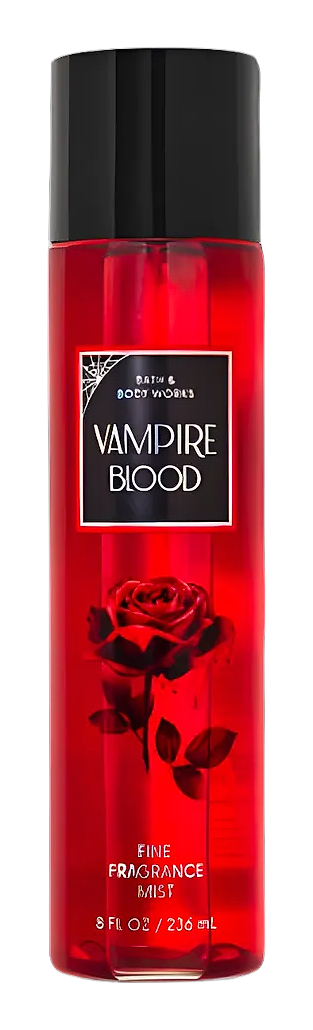
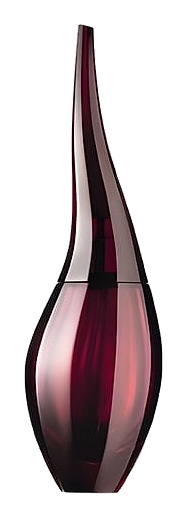
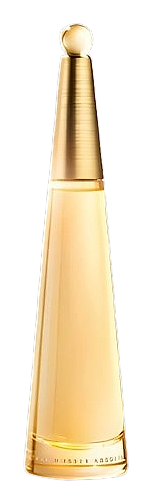
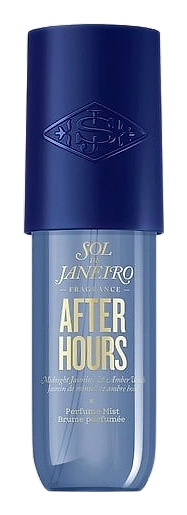
Fragrances featuring Night-Blooming Jasmine
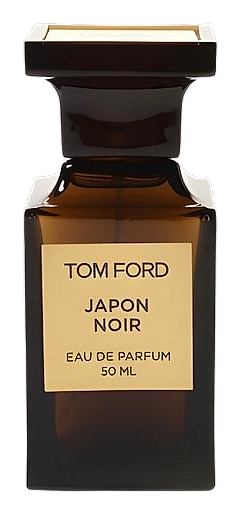
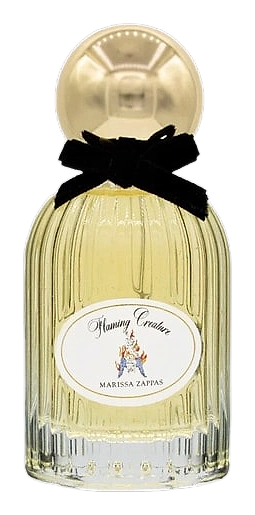
Brands
Brands known for Night-Blooming Jasmine
Good to know
Questions, answered
The essentials on Night-Blooming Jasmine in perfumery: how it smells, where it comes from, and how it behaves on skin.
What does night-blooming jasmine smell like in perfume?
It carries a creamy, indolic sweetness with fruity banana-like facets and a warm, almost animalic depth. In fine fragrance, it reads as sensual and narcotic rather than purely floral, forming the backbone of many white-floral compositions.
Is night-blooming jasmine the same as jasmine sambac?
They belong to different species with distinct scent profiles. Sambac offers a greener, more tea-like aroma with subtle indole, while night-blooming jasmine (Jasminum grandiflorum) delivers the richer, more indolic, classically sweet profile favored in French perfumery.
Why is jasmine absolute so expensive?
Approximately 8 million hand-picked flowers yield just one kilogram of absolute. The labor-intensive pre-dawn harvest, combined with low yield per blossom, makes jasmine one of the costliest natural perfumery materials available.
Why is jasmine harvested at night or before dawn?
The flowers open after sunset and release their most volatile compounds in darkness. Picking before sunrise preserves these delicate molecules before heat and light cause rapid evaporation and chemical degradation of the scent.
What is indole in jasmine and why does it matter?
Indole is a nitrogen-containing aromatic compound present in jasmine flowers. At high concentrations it smells fecal, but at trace levels it produces a creamy, hypnotic warmth that gives jasmine its signature sensual character in perfumery.
Where is most jasmine perfume原料 grown today?
India, Egypt, and Morocco produce the majority of global jasmine for perfumery. Grasse in France still cultivates jasmine for luxury houses, but high labor costs shifted commercial production to these countries during the 20th century.
Can jasmine be steam distilled like other flowers?
Steam distillation largely fails with jasmine because high temperatures destroy its most delicate scent molecules. The resulting jasmine essential oil lacks the depth and complexity that solvent extraction or enfleurage captures from fresh blooms.
What fragrances famously feature jasmine as a key note?
Jasmine anchors many iconic compositions, including Chanel No. 5, Dior Jasmin Impératrice Eugénie, and Jean Patou Joy. It serves as a core building block in countless white-floral and oriental fragrance families throughout perfumery history.




