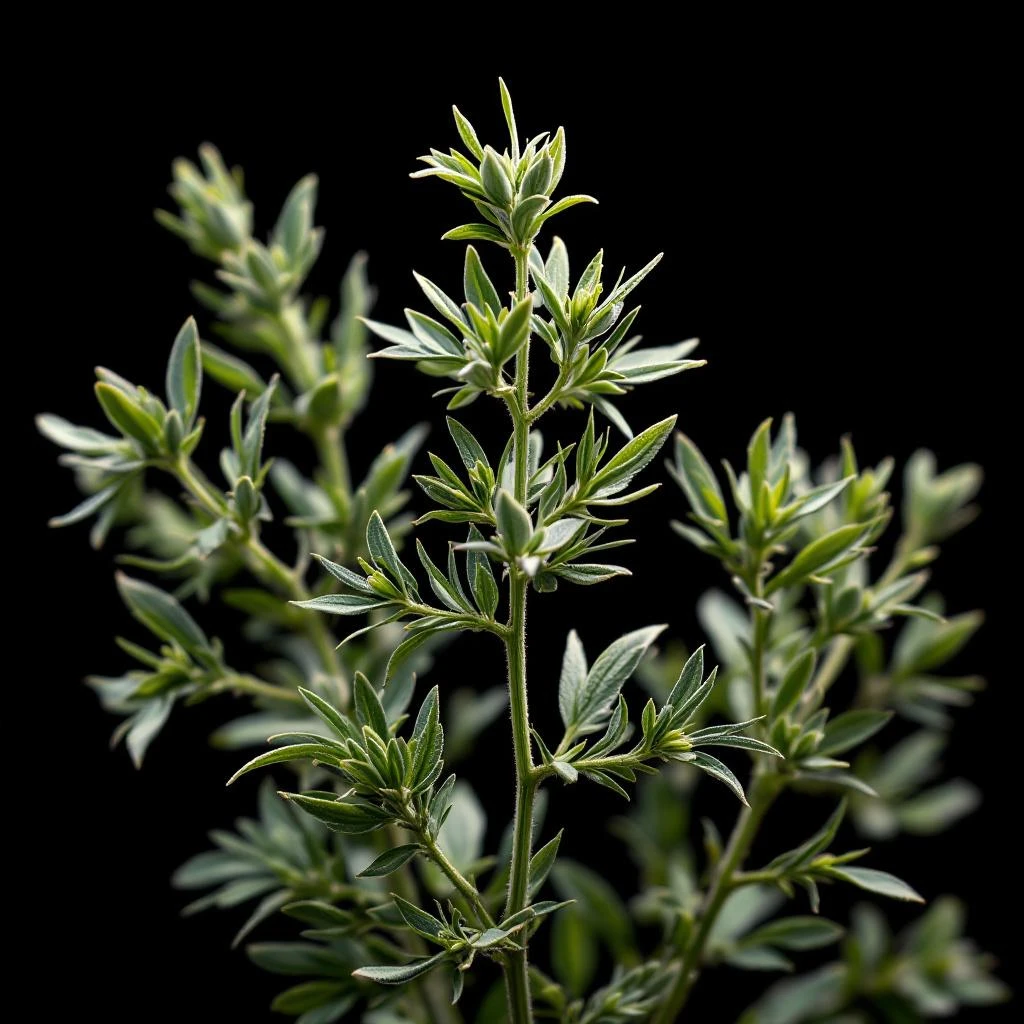
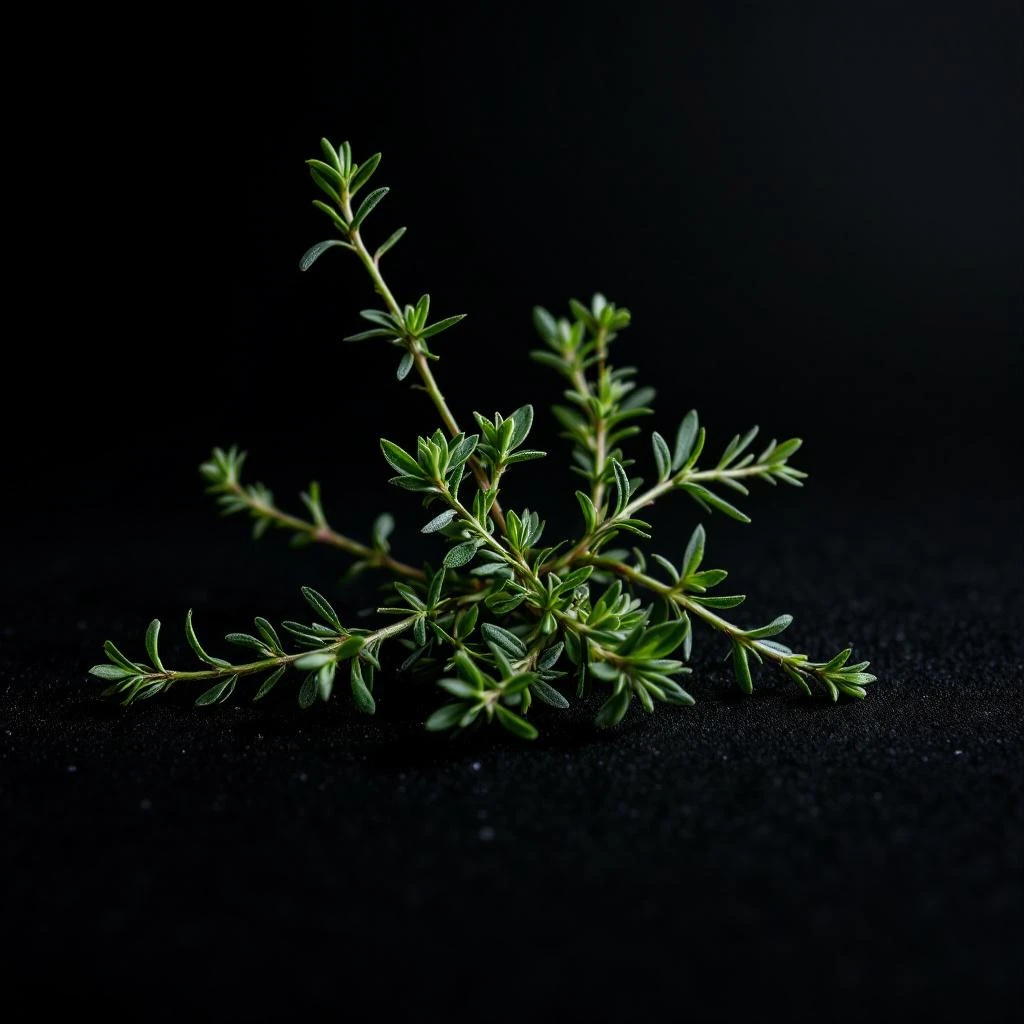
Oregano
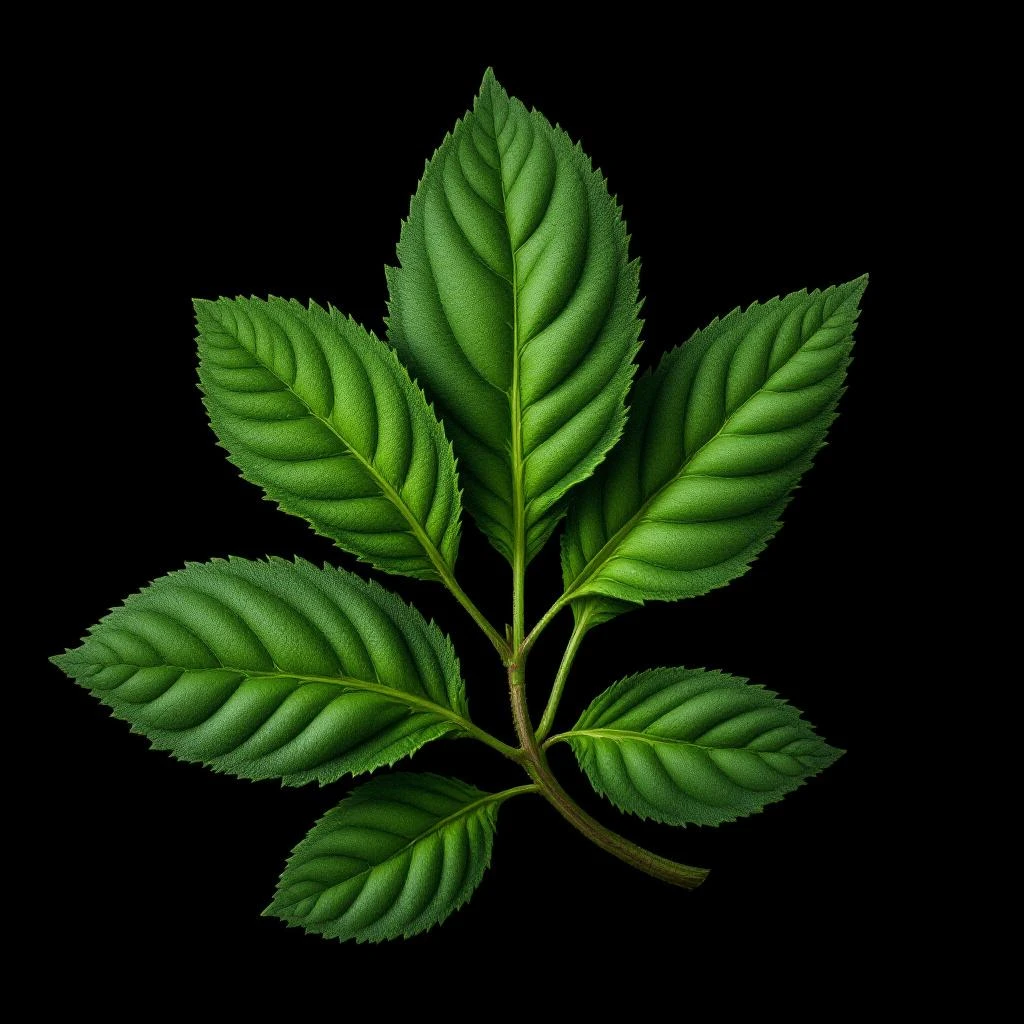
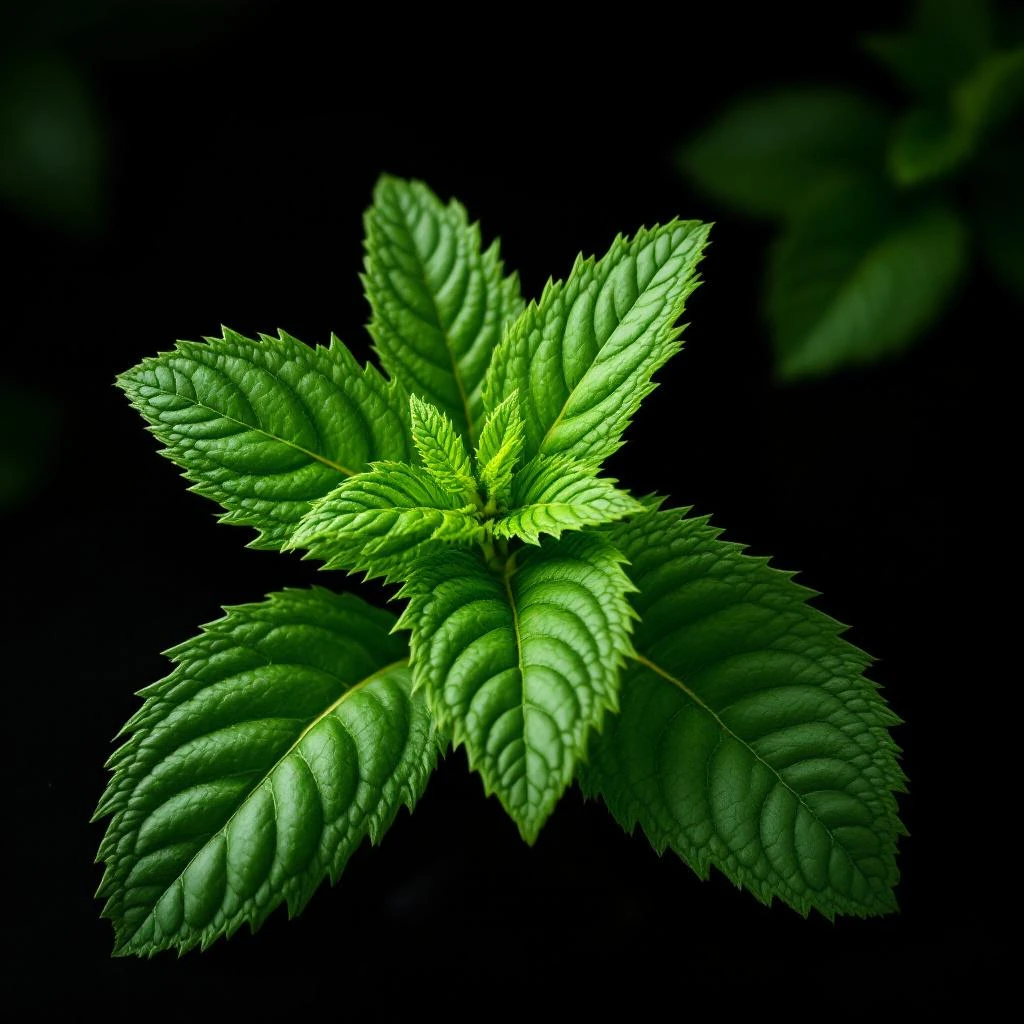
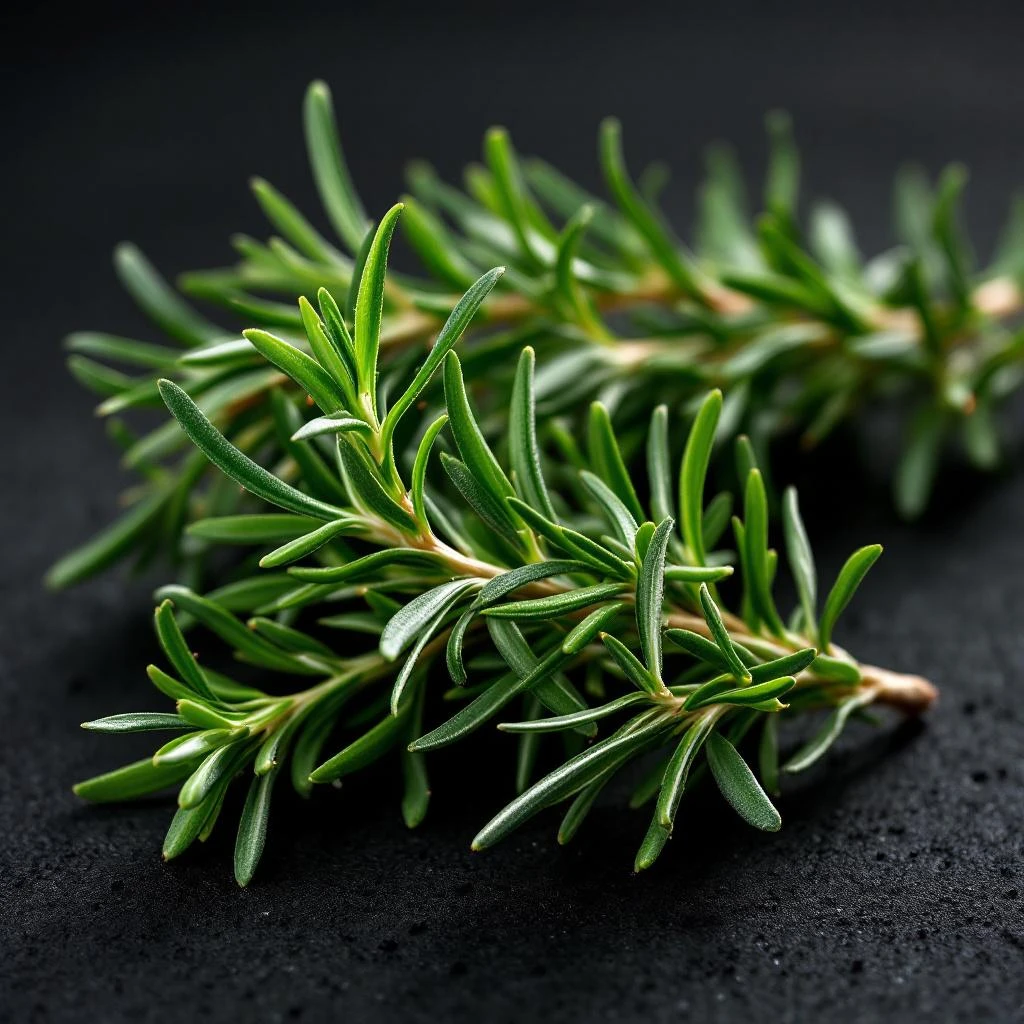
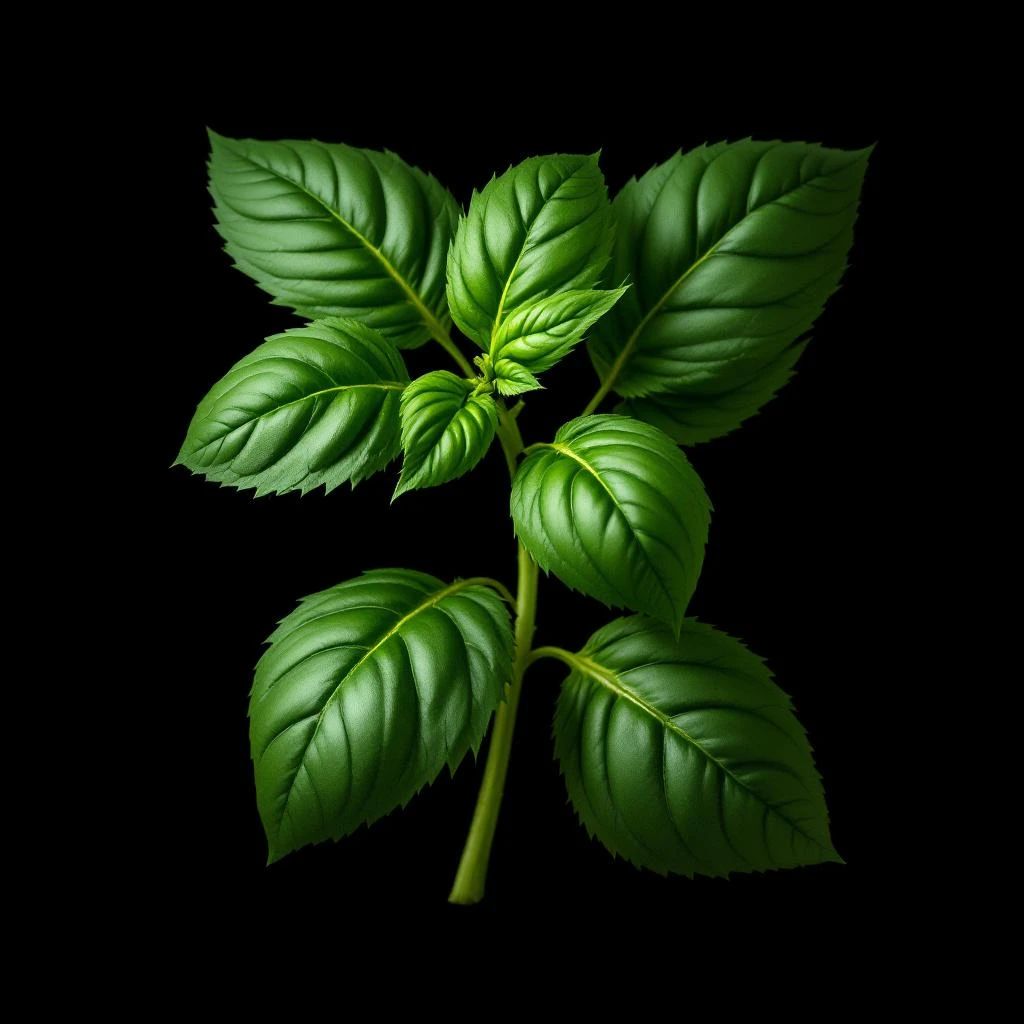
Oregano brings a sharp, herbal bite to perfumery, echoing the sun-warmed gardens of the Mediterranean. Its essential oil carries warm, camphoraceous notes that ground aromatic compositions with savory depth.
Character
How it smells
Mediterranean sun distilled into herbaceous heat
Oregano oil contains carvacrol at concentrations up to 80%, the same phenolic compound that gives the herb its kitchen fame and its antimicrobial potency.








Origin
Greece
Origanum vulgare takes its name from the Greek oros (mountain) and ganos (joy), meaning brightness of the mountain, a reference to the plant's wild growth across rocky Mediterranean hillsides. Ancient Greeks wove oregano into bridal crowns and planted it on graves as a symbol of happiness and rest.
Hippocrates recorded its use as an antiseptic wound treatment around 400 BCE. The herb migrated through Roman kitchens into European monastic herb gardens by the medieval period, prized more as medicine than as a perfume ingredient.
Its formal entry into perfumery came late, gaining serious attention only as perfumers in the 20th century began reconstructing herbal and culinary accords. Today oregano oil appears in masculine fougères, aromatic gourmands, and Mediterranean-themed fragrances where its savory edge provides contrast against citrus and floral notes.
Wears it best
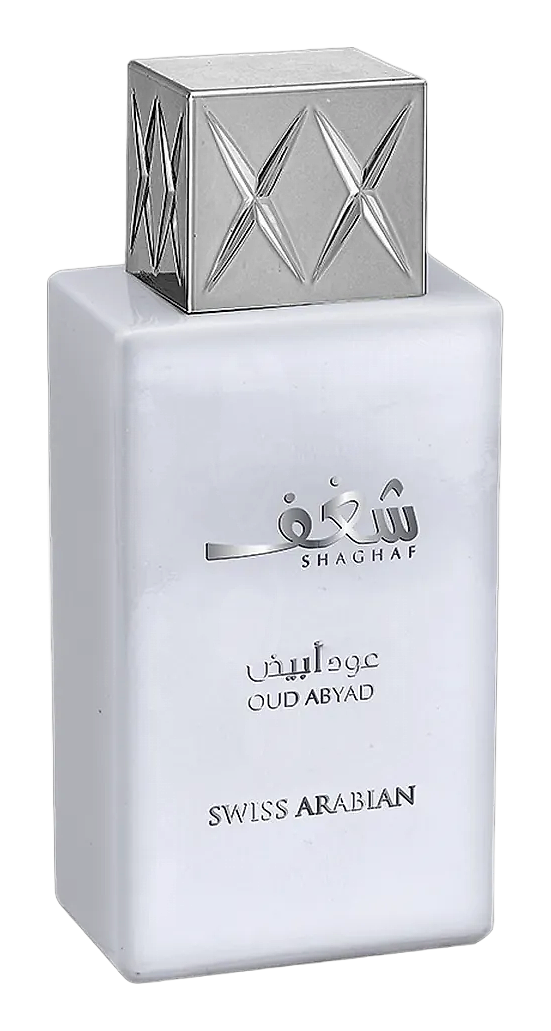
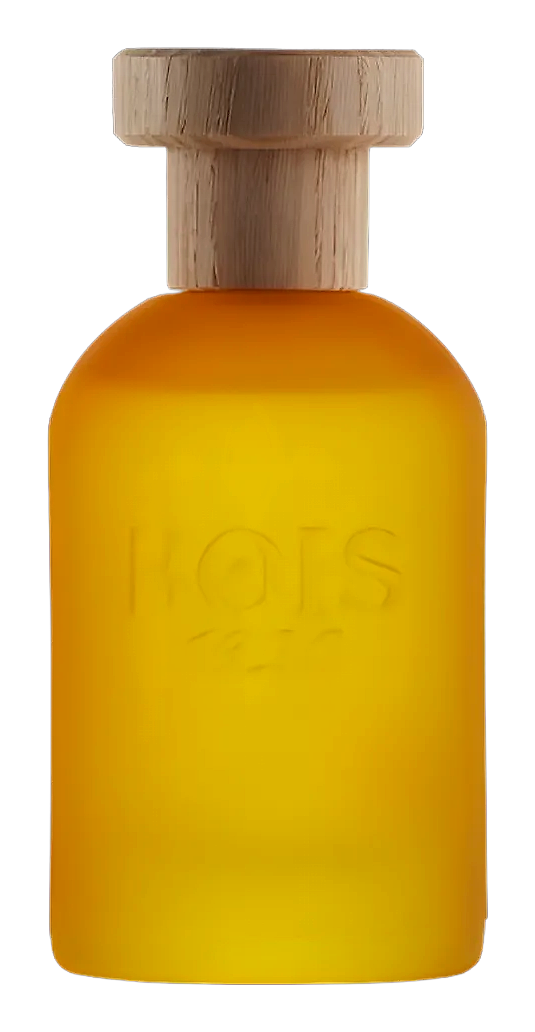
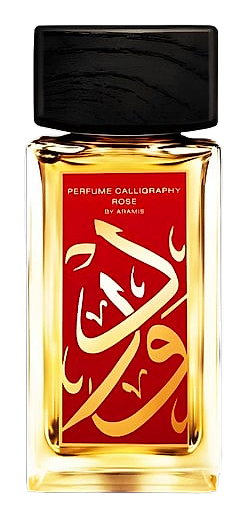
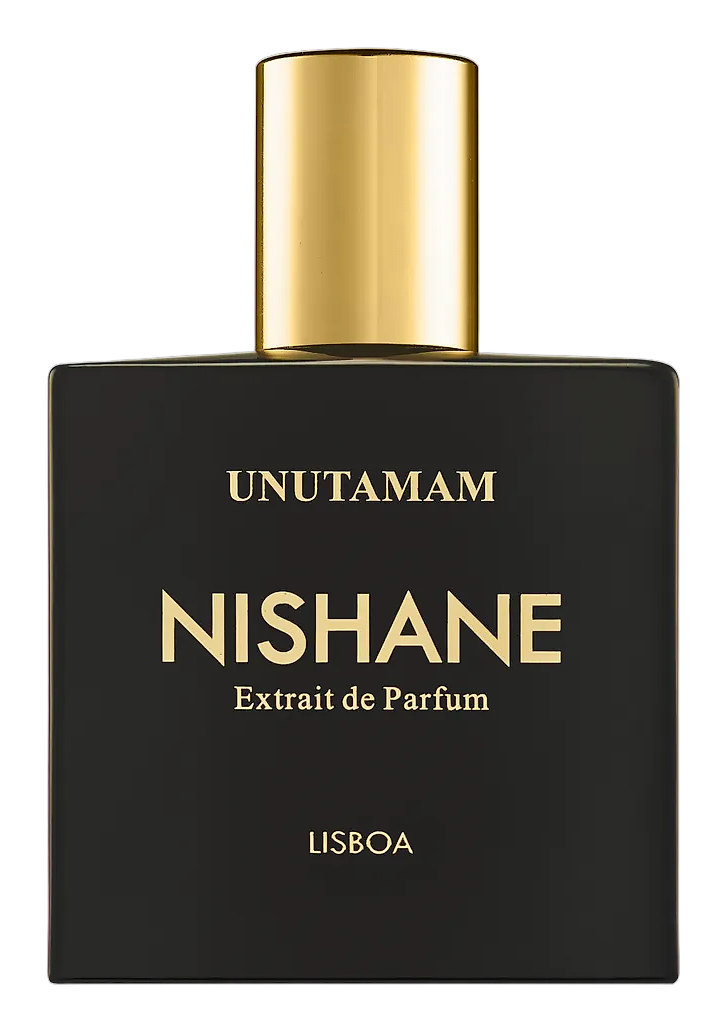
Fragrances featuring Oregano


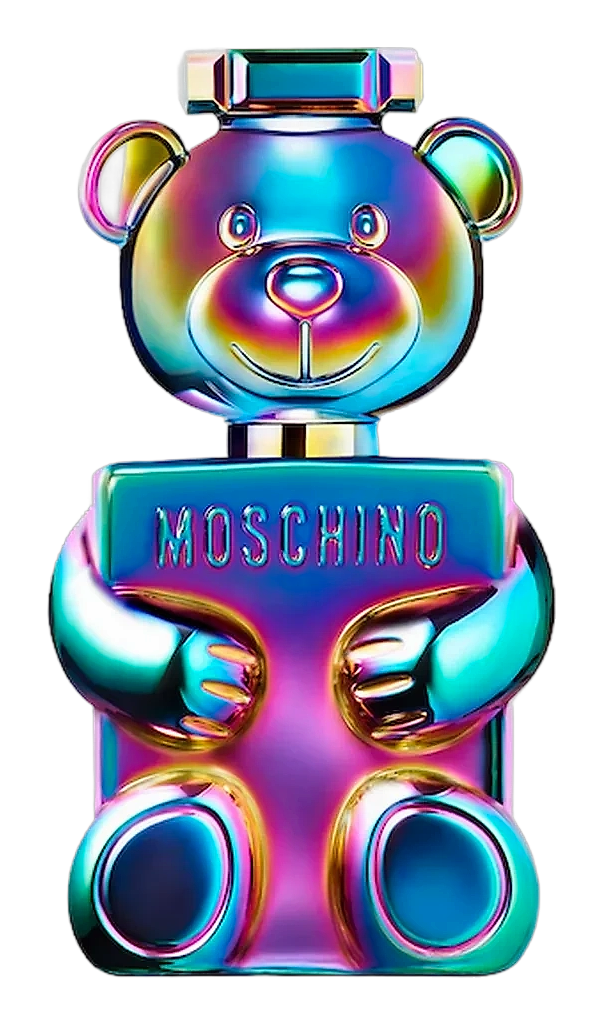
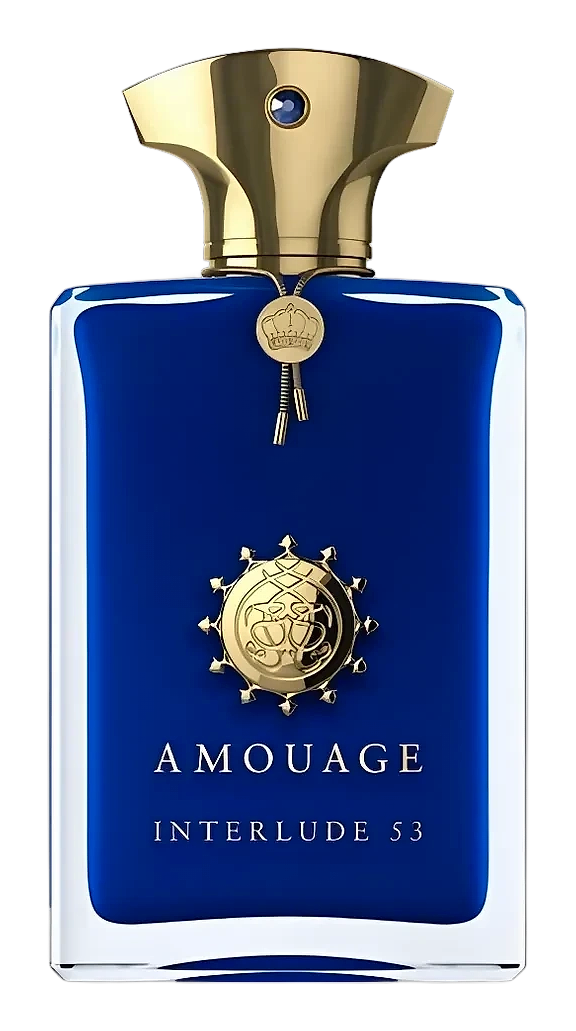
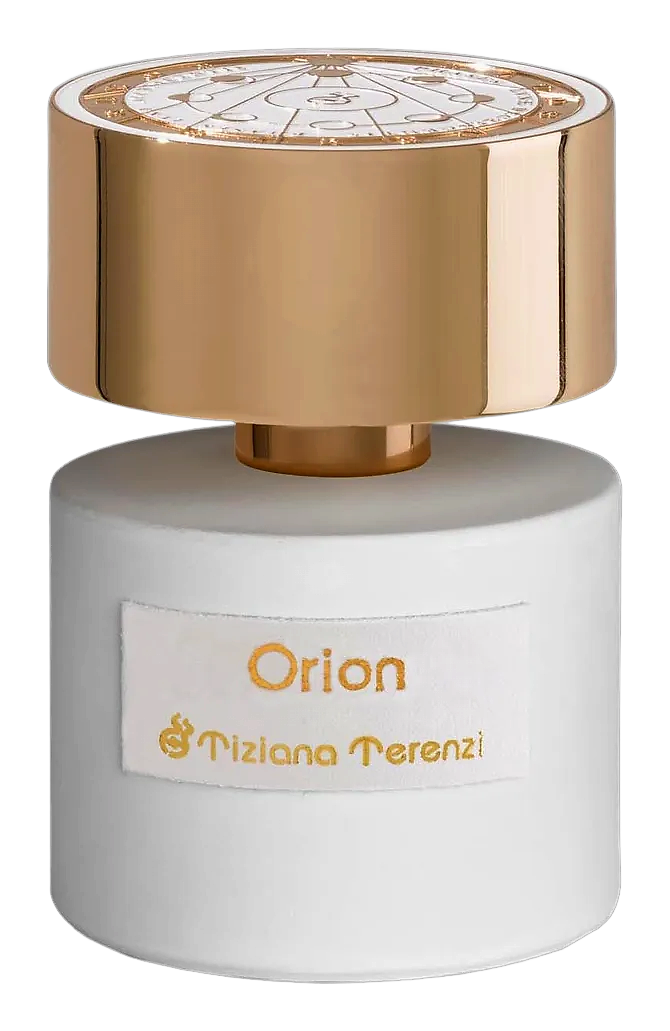
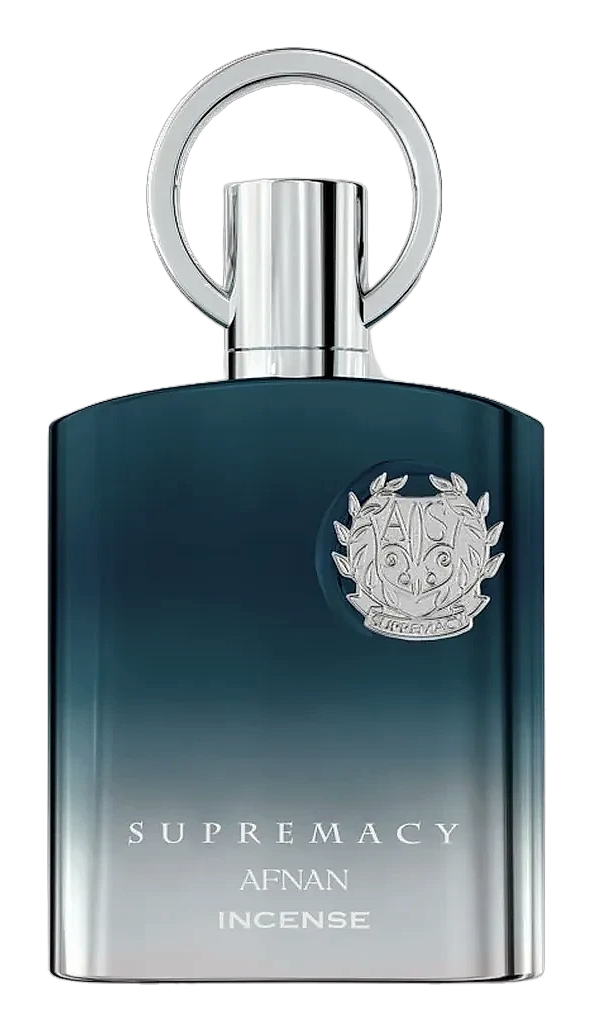
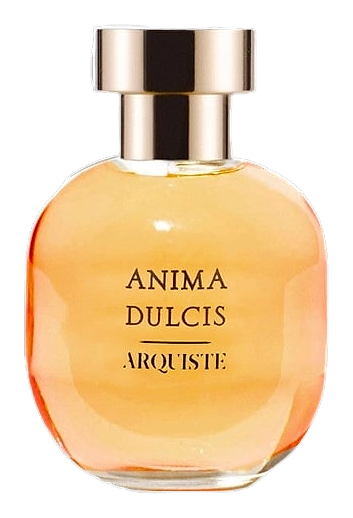
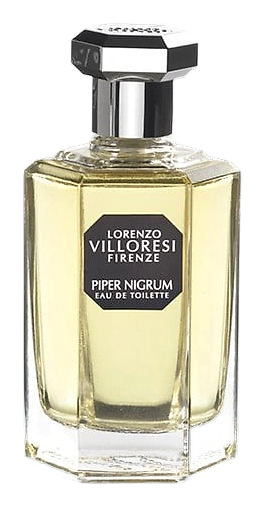
Brands
Brands known for Oregano
Good to know
Questions, answered
The essentials on Oregano in perfumery: how it smells, where it comes from, and how it behaves on skin.
What does oregano smell like in perfume?
Oregano essential oil smells sharp, herbaceous, and slightly medicinal, with warm camphoraceous undertones. In a fragrance composition, it reads as a savory, almost peppery green note rather than a kitchen spice. It adds an unexpected herbal backbone to aromatic and fougère structures.
Is oregano safe for skin in fragrance?
Oregano oil is a known skin sensitizer due to its high carvacrol content. IFRA standards restrict its concentration in leave-on fragrance products to very low levels. Most perfumers use it in trace amounts or rely on diluted preparations to stay within safe limits.
What is the difference between oregano and marjoram in perfumery?
Both belong to the Origanum genus, but oregano (Origanum vulgare) contains significantly more carvacrol, producing a sharper, more pungent aroma. Marjoram (Origanum majorana) has a sweeter, more floral-spicy profile with linalool dominance. Perfumery applications differ accordingly.
Where does the best oregano for perfume come from?
Greek oregano, particularly from wild-harvested Mediterranean hillsides, is considered the premium source. Turkish oregano also produces high-carvacrol oil valued in perfumery. Climate, altitude, and harvest timing all influence the chemotype and aromatic intensity.
How is oregano oil extracted?
Steam distillation is the primary method, passing pressurized steam through dried oregano leaves and flowers. The liberated essential oil condenses and separates from the water. Supercritical CO2 extraction is a modern alternative that captures a fuller spectrum of aromatic compounds.
What fragrances contain oregano as a note?
Oregano appears in select aromatic and herbal masculine fragrances, often alongside lavender, rosemary, and thyme. It shows up in Mediterranean-themed compositions and savory gourmand scents. It remains an uncommon note in mainstream commercial perfumery.
Can oregano essential oil be used as a perfume alone?
Pure oregano oil is too sharp and potentially irritating to wear as a standalone fragrance. Its potency overwhelms most compositions without dilution. Perfumery blends it with other aromatics in small percentages to achieve balance.
Why is oregano not more common in perfumery?
Oregano's aggressive herbal character and skin sensitization risks limit its widespread use. Most consumers associate it with cooking rather than fine fragrance. Perfumery reserves it as a distinctive accent note for compositions seeking unconventional savory depth.