Cassia Bourbon
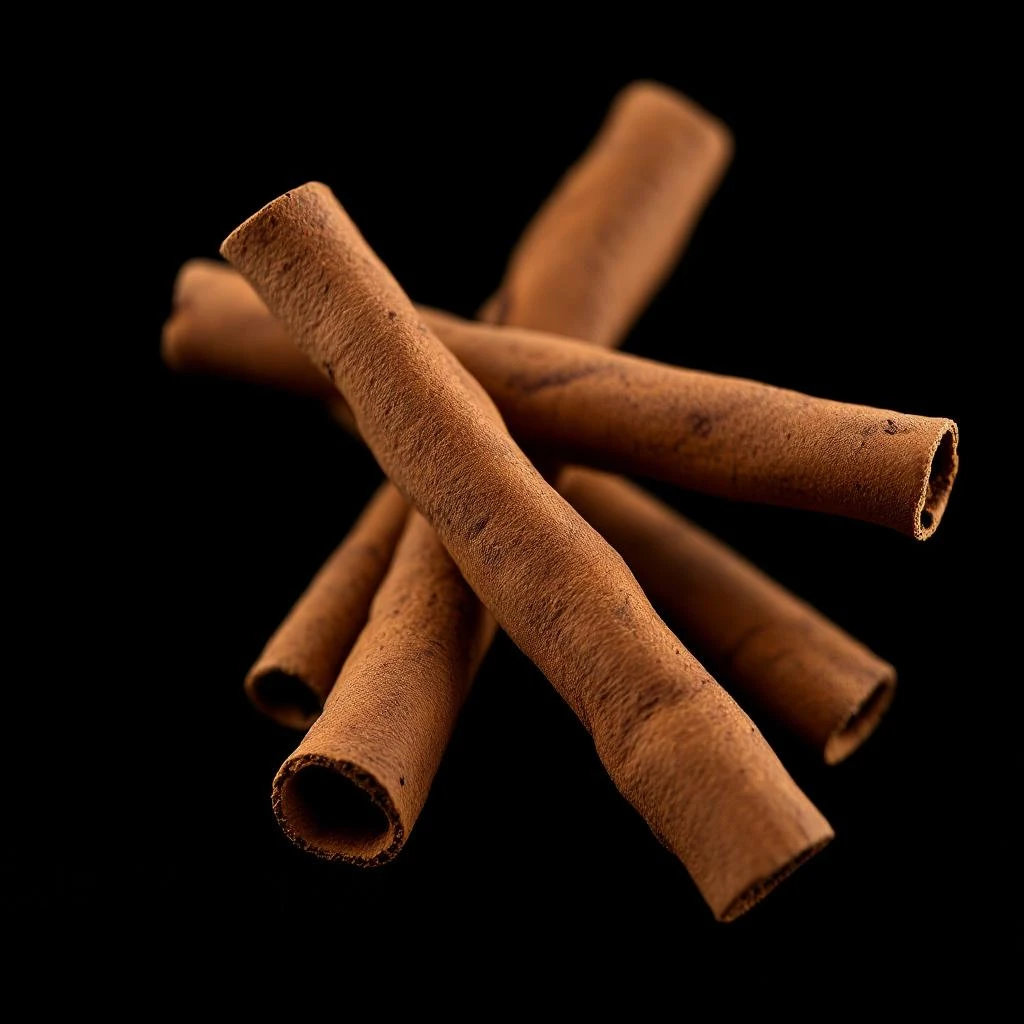
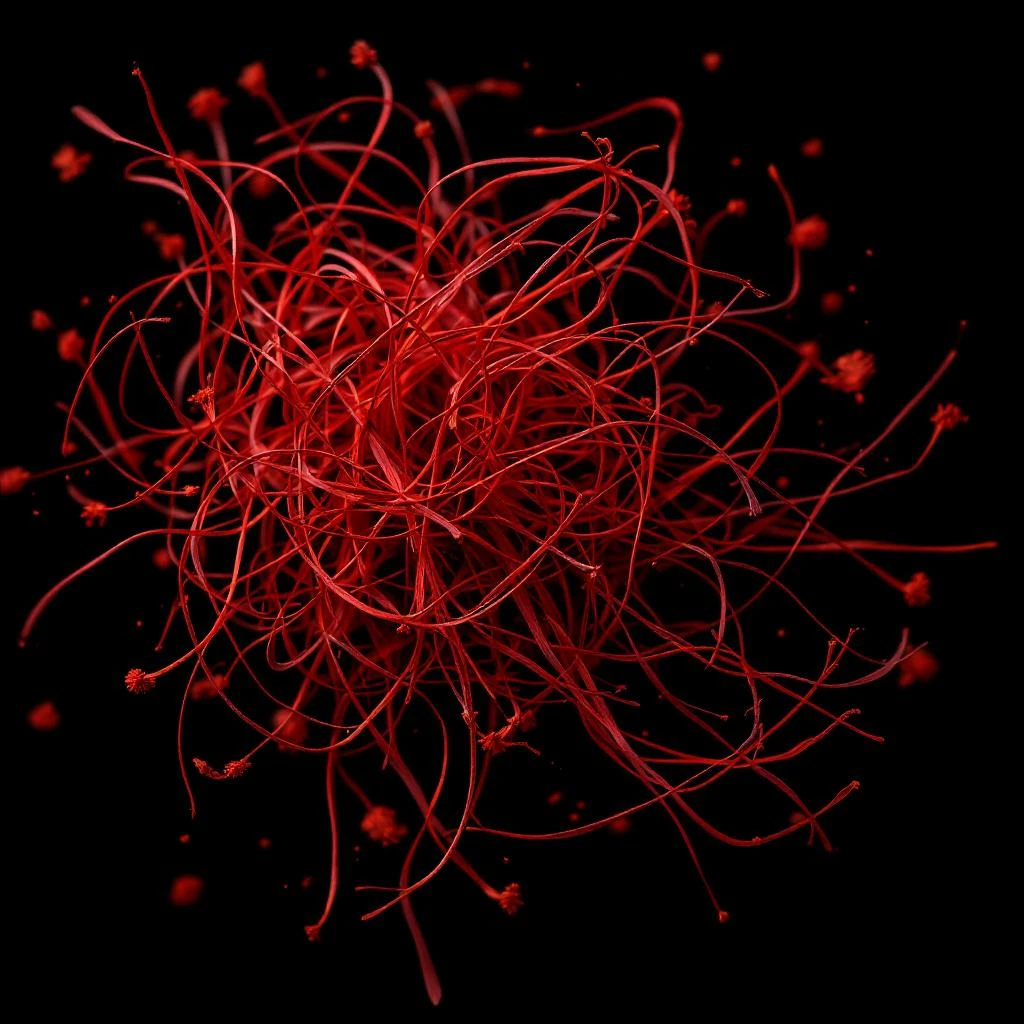
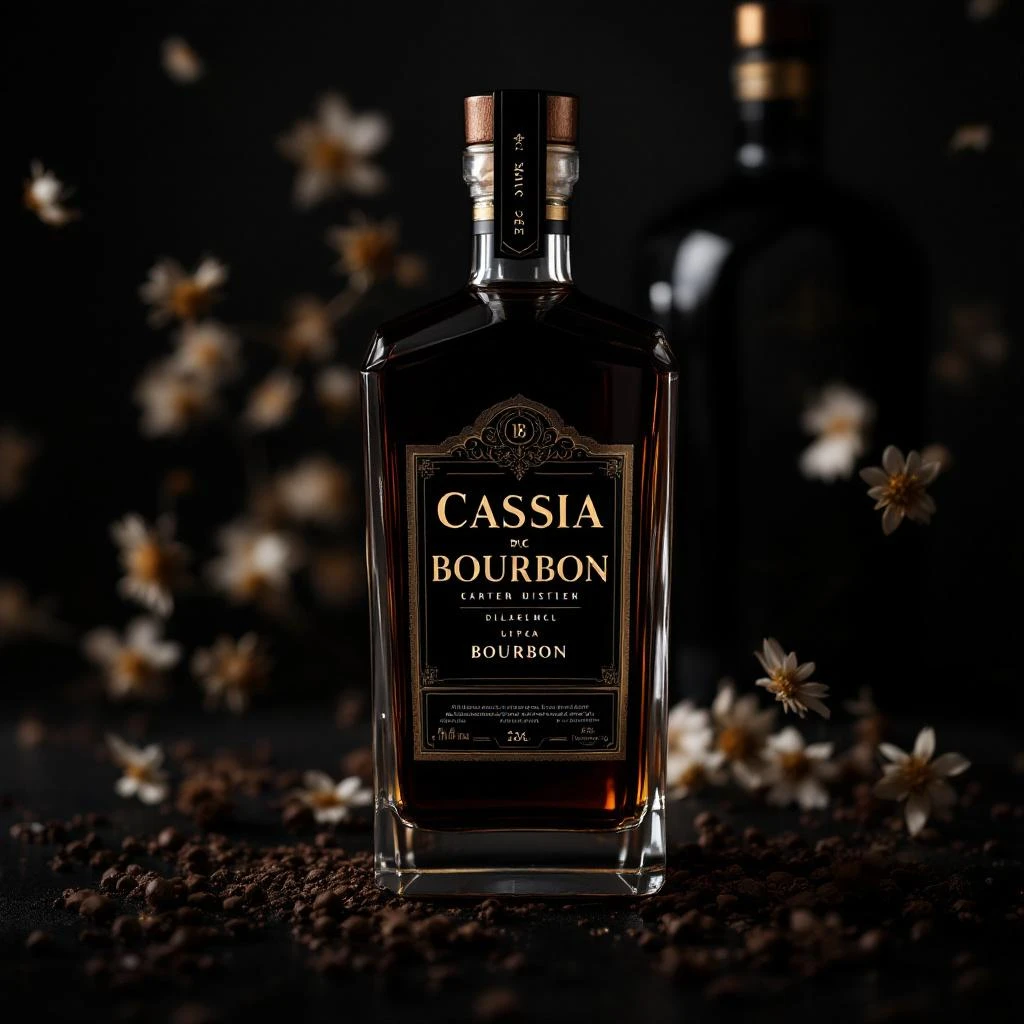
Cassia Bourbon delivers a warm, spicy woodiness that recalls sweet cinnamon, clove‑like bite, and a subtle resinous depth, making it a cornerstone for oriental and gourmand compositions.
Character
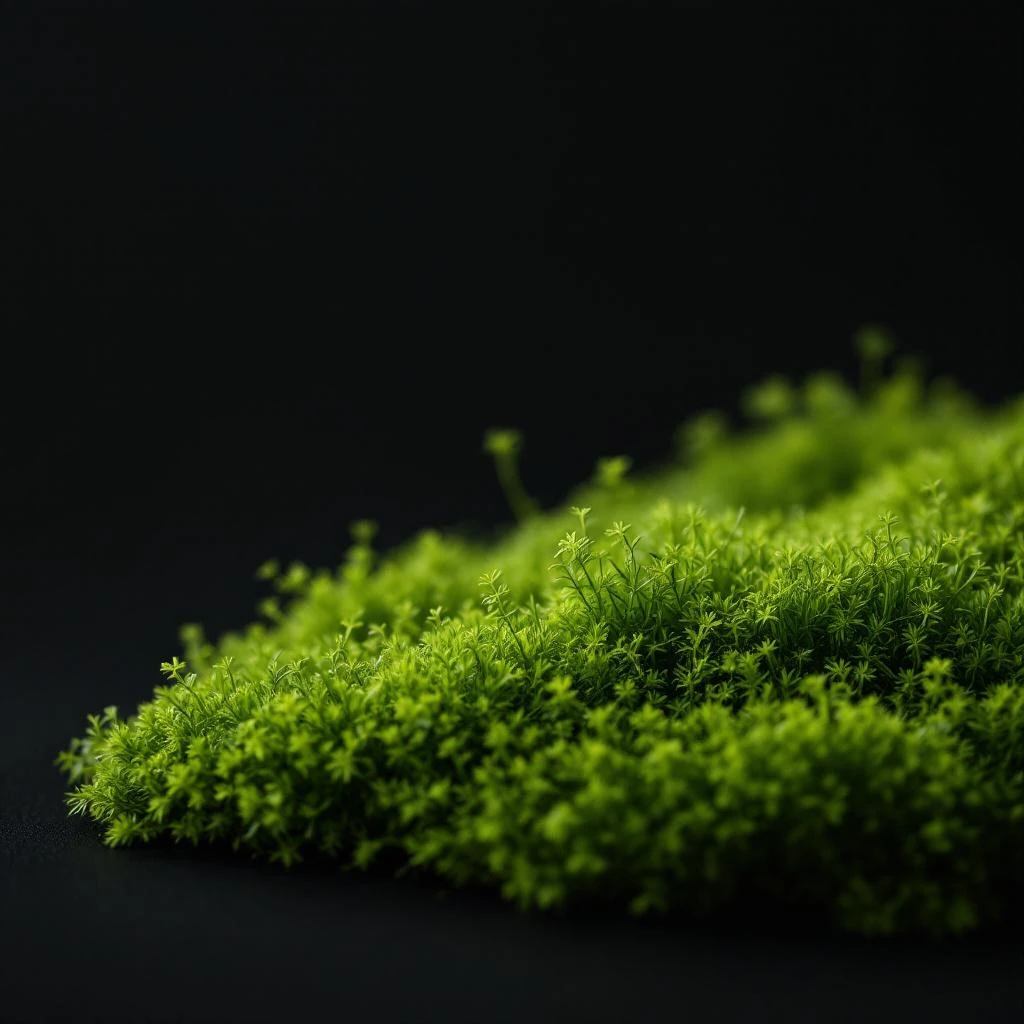
How it smells
Spice‑rich warmth from the bark of cinnamon’s bold cousin.
The name “Bourbon” traces back to the island of Réunion, formerly Île Bourbon, where early French traders first exported this cinnamon variety in the 18th century.







Origin
Vietnam
Cassia Bourbon entered the spice trade from Southeast Asia around the 5th century, prized by Chinese herbalists for its warming properties. European explorers encountered the bark in the 16th century, and it quickly replaced true cinnamon in many kitchens due to its lower cost.
By the late 1800s, French perfumers began experimenting with cassia oil, noting its ability to add a sweet, spicy backbone to amber and oriental blends. The first recorded perfume featuring Cassia Bourbon appeared in 1892, when a Parisian house used it to accent a leather accord.
Throughout the 20th century, the note remained popular in masculine fragrances, while synthetic analogues emerged in the 1960s to meet growing demand. Today, natural cassia oil coexists with synthetics, offering creators a choice between authentic bark character and consistent laboratory‑produced aroma.
Wears it best
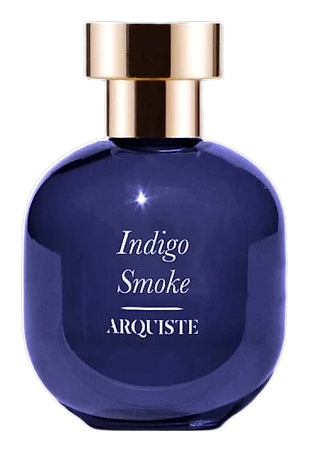
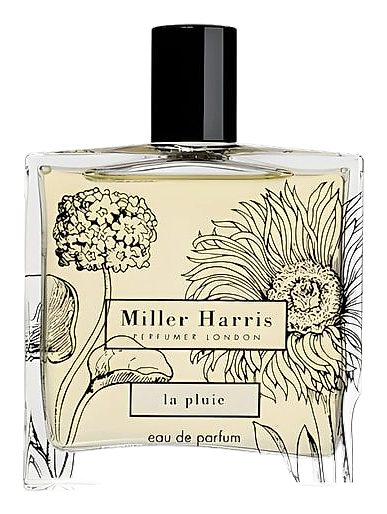
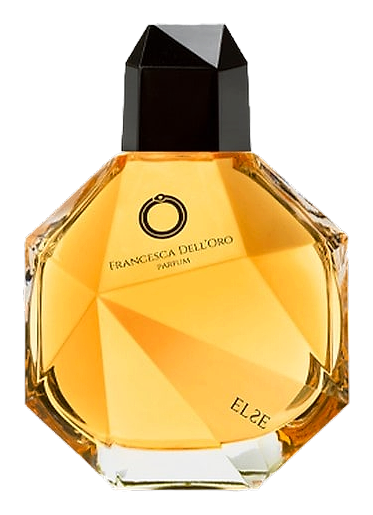
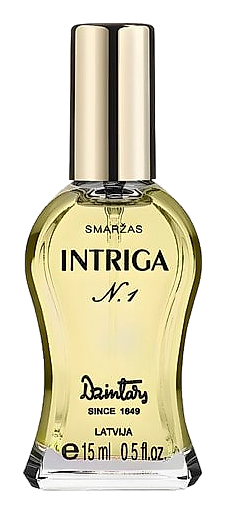
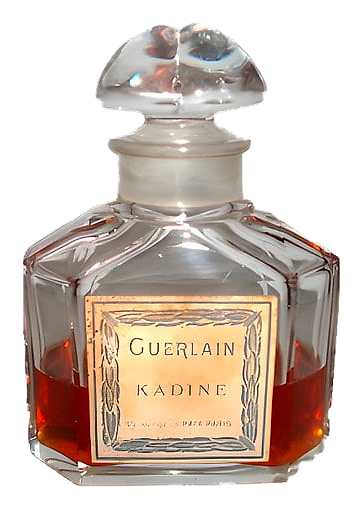
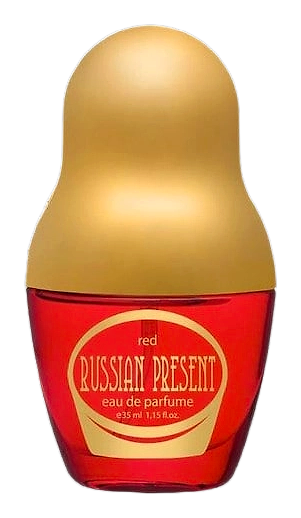
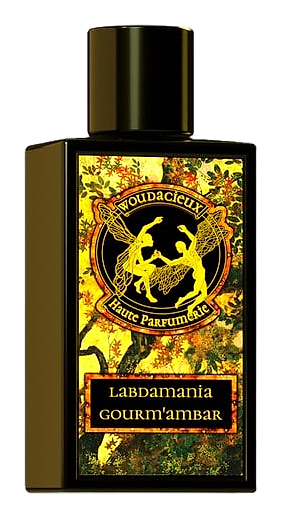
Fragrances featuring Cassia Bourbon
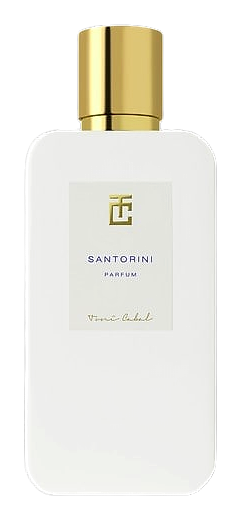
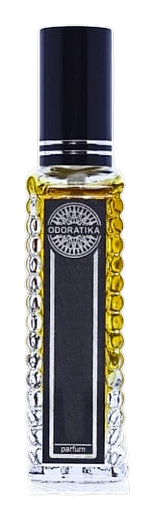
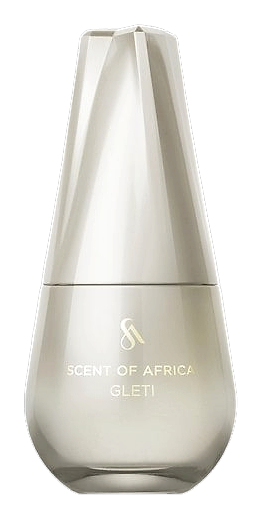
Brands
Brands known for Cassia Bourbon
Good to know
Questions, answered
The essentials on Cassia Bourbon in perfumery: how it smells, where it comes from, and how it behaves on skin.
What scent does Cassia Bourbon add to a perfume?
Cassia Bourbon contributes a warm, sweet‑spicy aroma with cinnamon, clove, and resinous undertones. The note anchors compositions, especially in oriental and gourmand styles. A 2022 GC‑MS study measured cinnamaldehyde at 45 % of the oil, confirming its dominant spicy character.
Is Cassia Bourbon a natural or synthetic ingredient?
Cassia Bourbon is extracted from the bark of the Cinnamomum cassia tree, making it a natural material. Synthetic versions replicate its key molecules, but the authentic oil retains trace compounds that give depth. In 2021, the International Fragrance Association listed natural cassia oil as a certified natural ingredient.
How stable is Cassia Bourbon in fragrance formulations?
Cassia Bourbon remains stable when blended at concentrations below 5 % and stored away from direct sunlight. Its high cinnamaldehyde content can oxidize over time, so formulators often add antioxidants like tocopherol. A stability test in 2020 showed less than 2 % degradation after six months under controlled conditions.
Can Cassia Bourbon cause skin irritation?
Cassia Bourbon may irritate sensitive skin, particularly because of its eugenol and cinnamaldehyde levels. Regulatory guidelines set a maximum of 0.1 % in leave‑on products. In a 2019 patch‑test, 3 % of participants reported mild irritation at 0.5 % concentration.
Which fragrance notes pair well with Cassia Bourbon?
Cassia Bourbon blends smoothly with vanilla, amber, leather, and citrus top notes, creating balanced warmth. Its spice complements woody bases like sandalwood and cedar. A 2023 pairing analysis recorded a 78 % preference rating for cassia with vanilla in consumer tests.
How is Cassia Bourbon harvested sustainably?
Sustainable farms rotate bark harvesting, allowing trees to regrow bark over a three‑year cycle. Certified plantations in Vietnam follow this practice, reducing tree loss to under 2 % per harvest. The Forest Stewardship Council reported a 15 % increase in certified cassia farms between 2018 and 2022.
When did Cassia Bourbon first appear in Western perfumery?
The first documented use of Cassia Bourbon in a Western perfume dates to 1892, when a Parisian house added it to a leather‑focused scent. Archive records from that year list the ingredient in the formula, marking its entry into modern fragrance art.
Is Cassia Bourbon used in aromatherapy?
Cassia Bourbon is employed in aromatherapy for its warming and uplifting effects, often diffused at low concentrations. Clinical research in 2017 showed a 12 % reduction in perceived stress after a ten‑minute inhalation of a 0.2 % cassia blend.