Apricot
Sun-warmed and velvety, apricot brings a lush fruitiness to perfumery that feels both nostalgic and unmistakably contemporary. Its honeyed sweetness and gentle tartness create a signature that is comforting yet sophisticated.
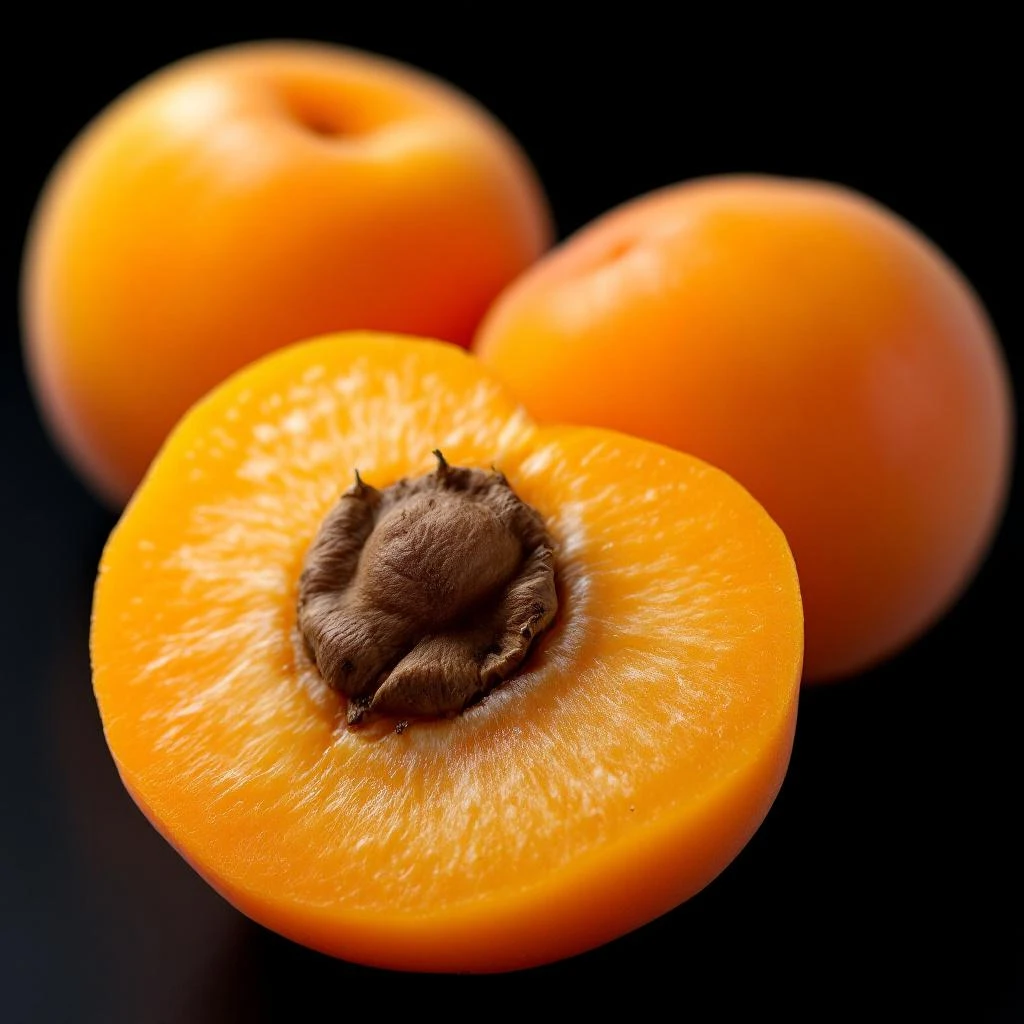
Character
How it smells
Summer's golden fruit captured in scent
No commercial apricot absolute exists—the fruit's delicate aroma is almost always reconstructed in laboratories using aromatic compounds like gamma-decalactone.







Origin
Armenia
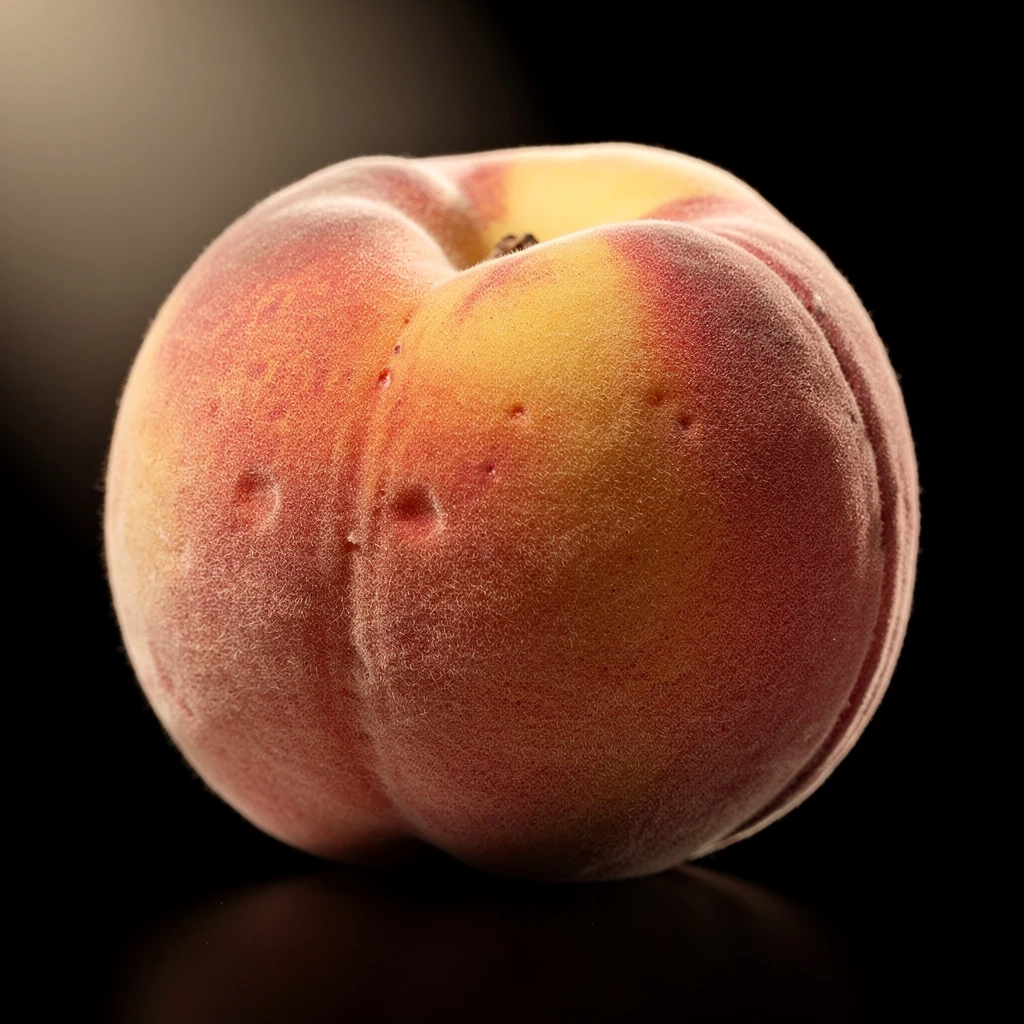
Apricot cultivation began over 4,000 years ago in the mountains of Central Asia, where wild trees still grow today. Arab perfumer Al-Kindi documented apricot in fragrance recipes during the 9th century, demonstrating its early importance in Middle Eastern perfumery. When Arab traders introduced fruit cultivation to medieval Spain, apricot trees followed, eventually spreading through Ottoman trade routes across Europe.
Spanish missionaries later carried the fruit to the Americas. Its presence in perfumery has spanned civilizations, from ancient Damascus to modern-day fragrance laboratories, making it one of the oldest fruit notes in continuous use.
Wears it best
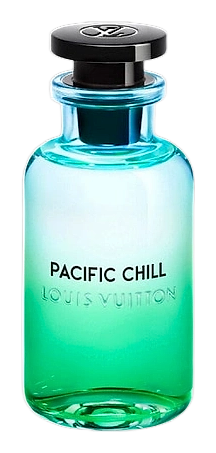
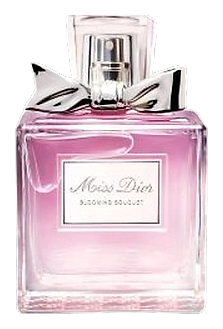
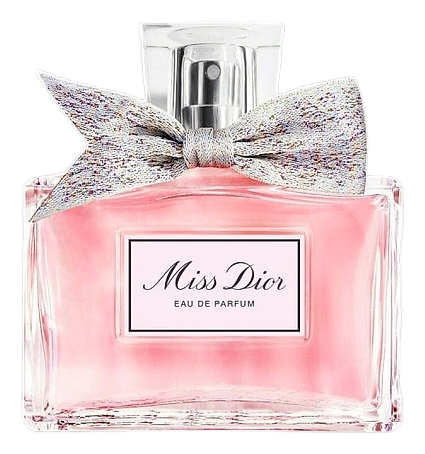
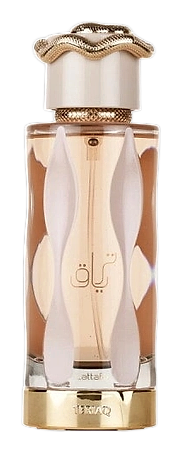
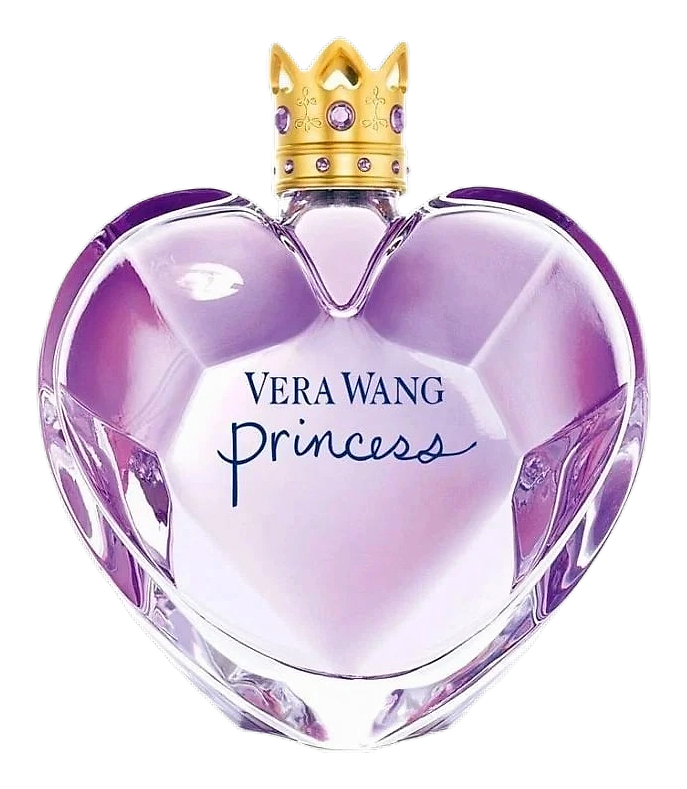
Fragrances featuring Apricot





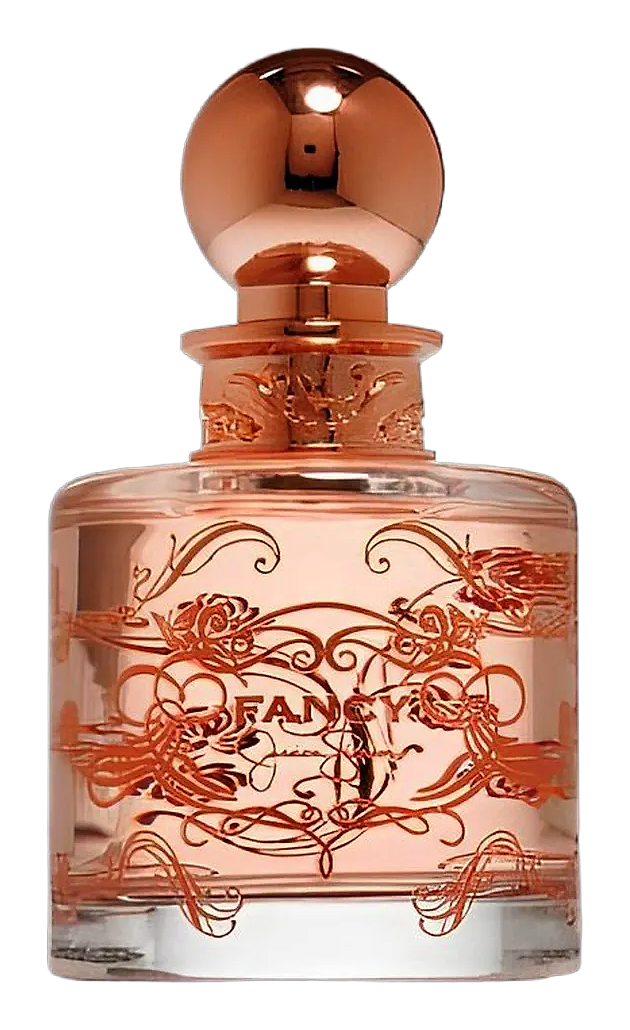
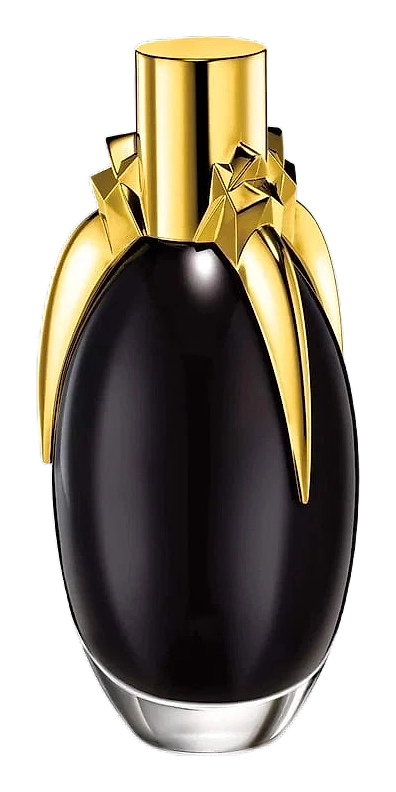
Brands
Brands known for Apricot
Good to know
Questions, answered
The essentials on Apricot in perfumery: how it smells, where it comes from, and how it behaves on skin.
What does apricot smell like in perfume?
Apricot in perfume smells like the fruit at perfect ripeness—honeyed, slightly tart, and velvety with subtle floral undertones. It adds warmth and optimism to fragrance compositions.
Is apricot a natural or synthetic ingredient?
Apricot is almost always synthetic in perfumery. No commercial apricot absolute exists; perfumers reconstruct the scent using aromatic compounds like gamma-decalactone to capture the fruit's character.
When was apricot first used in perfumery?
Arab perfumer Al-Kindi documented apricot in fragrance recipes during the 9th century. Its use spans over 1,100 years of documented perfumery history.
Can apricot be extracted directly from the fruit?
Apricot pit oil can be extracted via cold pressing or solvents, producing a nutty, marzipan-like material. However, this captures only one aspect of the fruit's aroma profile.
What family does apricot belong to in perfumery?
Apricot falls under the fruit note category. It shares associations with peach, nectarine, and plum, though it carries a distinct tartness that sets it apart.
What notes pair well with apricot?
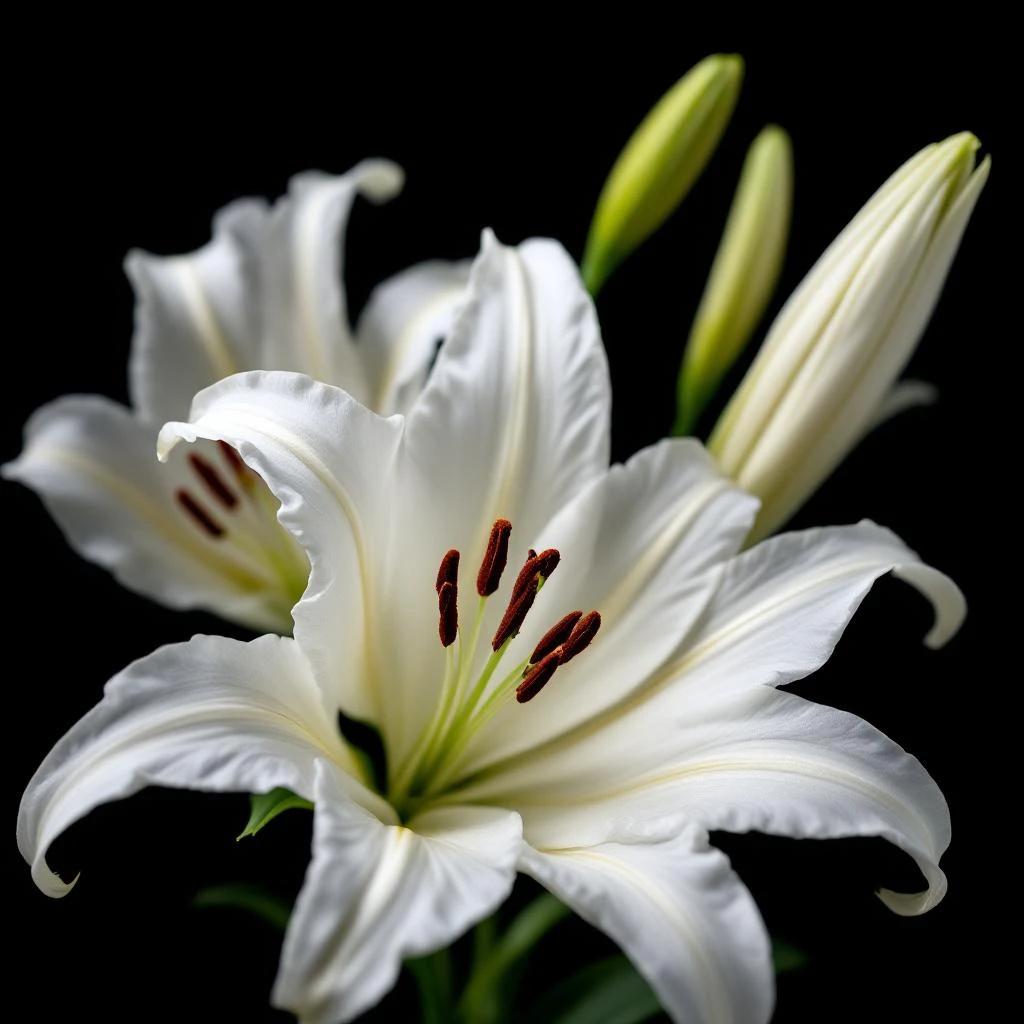
Apricot pairs naturally with floral notes like jasmine and rose, as well as warm woods, ambery materials, and other fruits. It bridges sweet and sophisticated in fragrance compositions.
Where does apricot originate from?
Apricot originated in the mountains of Central Asia, likely in what is now Armenia. Wild apricot trees still grow in this region, which remains the fruit's ancestral home.
Is apricot used more in women's or men's fragrances?
Apricot appears in both women's and men's fragrances, though it dominates in feminine and gender-neutral compositions. Unisex fragrances increasingly feature apricot as a bridge between traditionally gendered scent profiles.