The Story
Why it exists.
The beginning
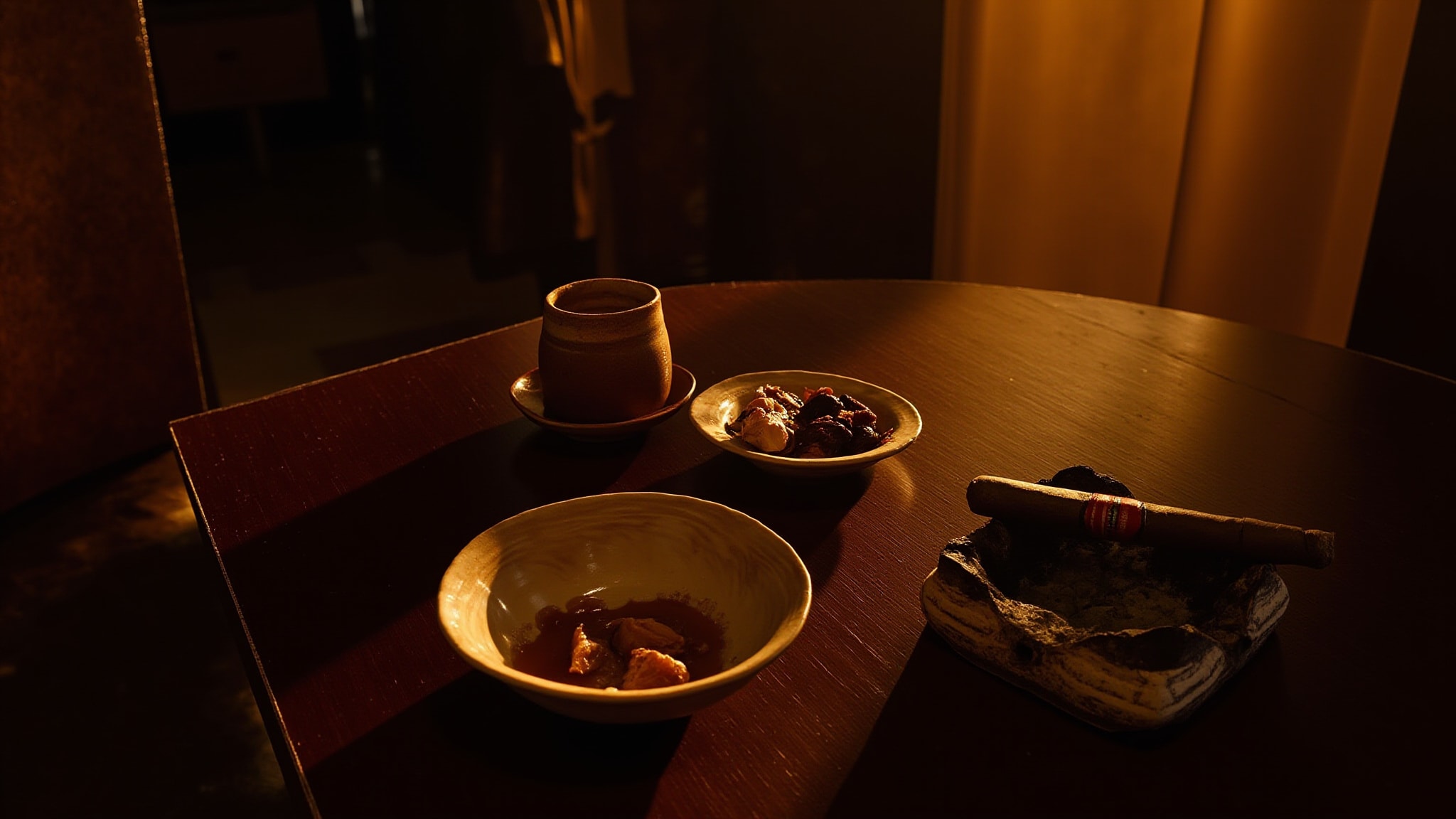
Before Café Tabac was a fragrance, it was a name that meant something in the East Village. Bertrand Duchaufour and the Aedes de Venustas founders took that name, the bar where the truly glamorous were truly off-duty in the pre-cell phone era, and tried to bottle the feeling of it. The idea was to capture the deep mood of a place that created its own legend. Smoky, yes. But also warm, excessive, and a little bit hedonistic. The fragrance attempts to translate that atmosphere into scent, creating something that feels both nostalgic and immediatly present.
What's striking about the structure is how effortlessly Duchaufour stacks sweetness against smoke without letting either win. Apple and mango open bright and fruit-forward, then tobacco absolute takes over the heart alongside caramel, dried dates, and cacao, a concentration of fruit and dessert notes that could easily turn cloying. The birch tar, cade oil, and labdanum in the base prevent that. They're resinous and tarry, giving the drydown a mineral edge that cuts through the vanilla and tonka. The clove and cardamom work in the heart's middle ground, keeping the sweetness honest instead of decorative. It's a composition that earns its longevity by never becoming one note.
The evolution
Café Tabac opens bright and friendly, with apple and bergamot making a first impression that practically apologizes for what is coming. Soon, tobacco and caramel arrive and shift the register entirely. The sweetness does not disappear but deepens, taking on fruit preserves and dried fig, while spices like clove and cardamom settle in for the ride. As the fragrance develops further, it becomes resinous and smoky, with birch tar and labdanum pushing the composition into a distinctly aromatic territory. Oakmoss anchors the base with a cool, green restraint that prevents the vanilla and tonka from going flat. The longevity is above-average, the kind that makes this practical for cold weather wear.
Cultural impact
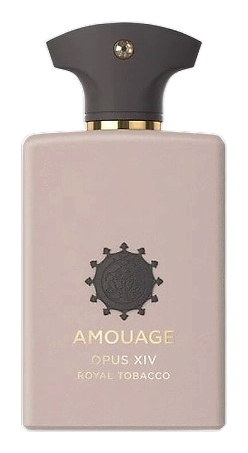
Café Tabac sits in a crowded tobacco field alongside Tobacco Vanille and Opus XIV, Royal Tobacco, but it distinguishes itself through the fruit-and-resin tension that sets it apart from its peers. The East Village bar inspiration gives it a specific cultural reference point rather than a generic heritage positioning. The fragrance captures something distinctive in its balance of sweetness and smoke, appealing to those who appreciate tobacco compositions with character and depth.