    Brand Profile

    Aedes de Venustas occupies a singular position in niche fragrance. The house emerged from a New York perfumery boutique founded in 1995 by R…More

    United States·Est. 1995·Site

    3

    Fragrances

    4.2

    Rating

    Just Landed

    New Arrivals

    The latest additions to the Aedes de Venustas collection.

    15
    Café Tabac by Aedes de Venustas – Eau de Parfum
    Best Seller
    4.4

    Café Tabac

    Eau de Parfum

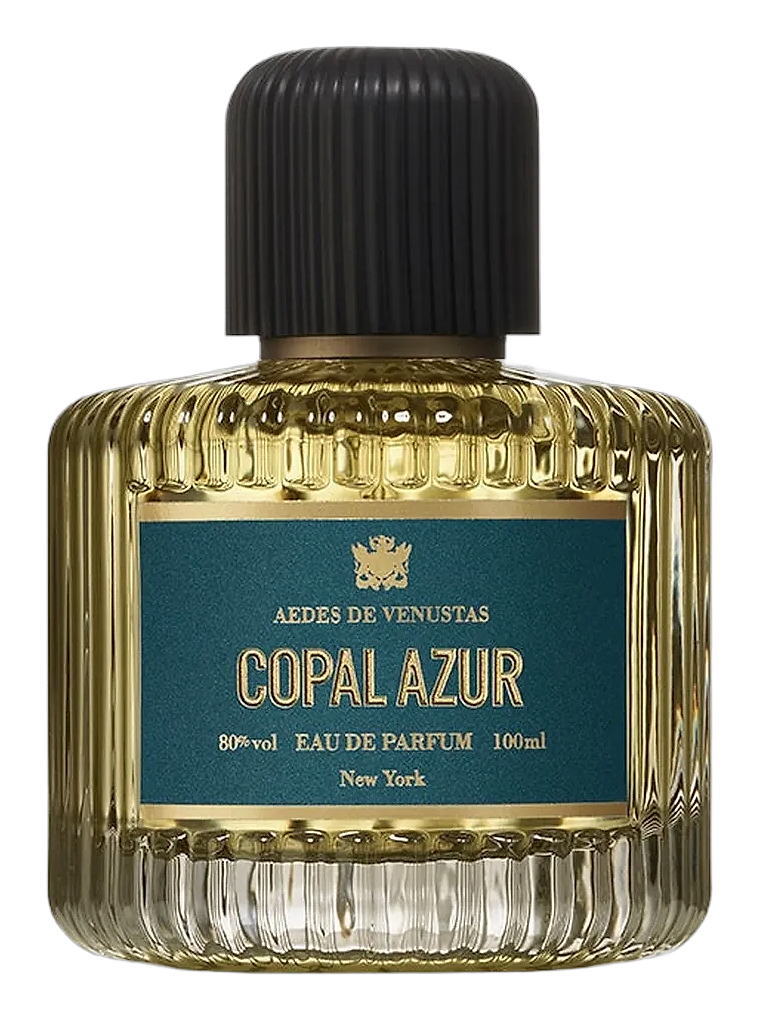
    Copal Azur by Aedes de Venustas – Eau de Parfum
    4.2

    Copal Azur

    Eau de Parfum

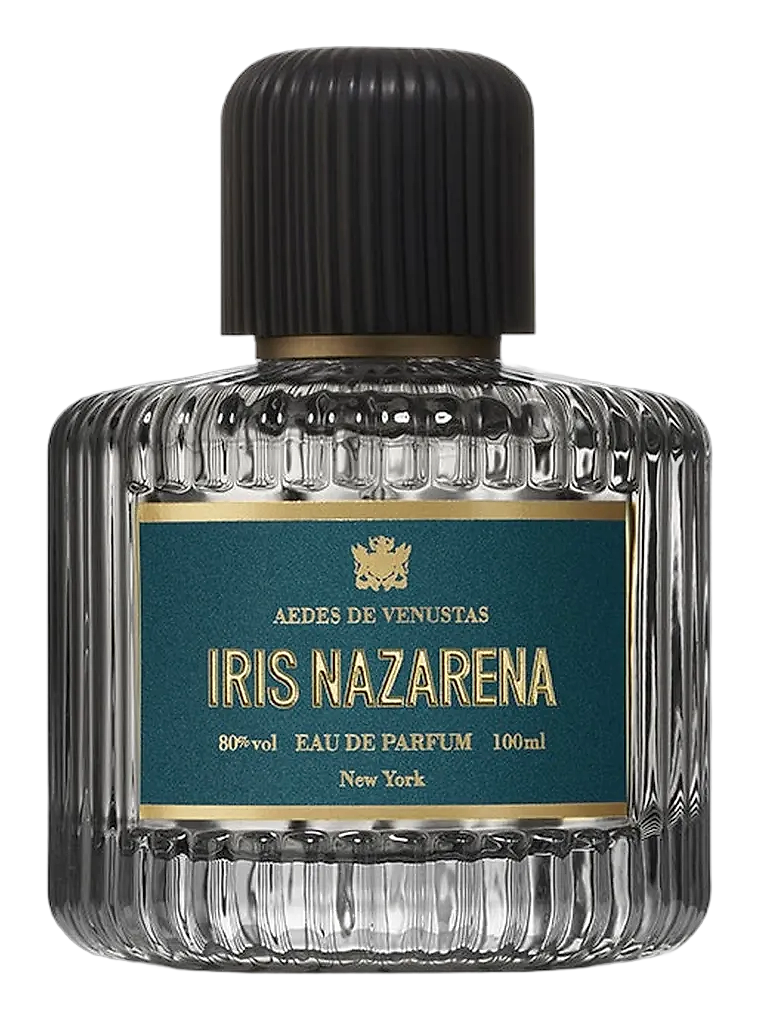
    Iris Nazarena by Aedes de Venustas – Eau de Parfum
    4.1

    Iris Nazarena

    Eau de Parfum

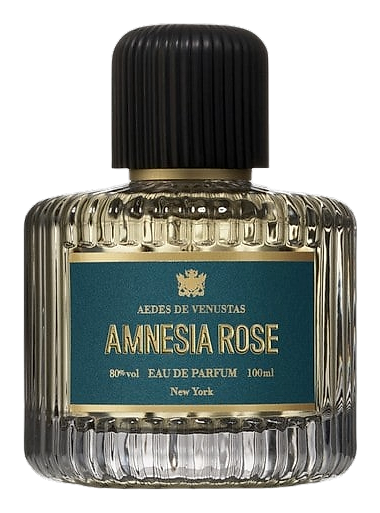
    Amnesia Rose by Aedes de Venustas
    Best Seller
    4.2

    Amnesia Rose

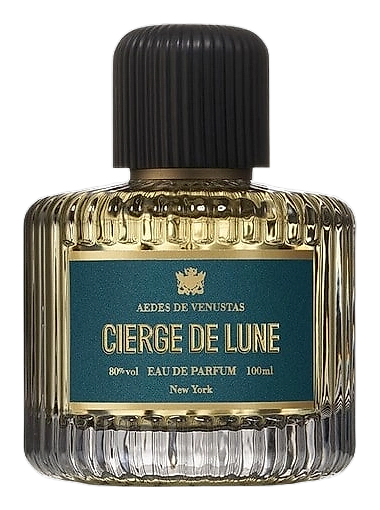
    Cierge De Lune by Aedes de Venustas
    Best Seller
    4.2

    Cierge De Lune

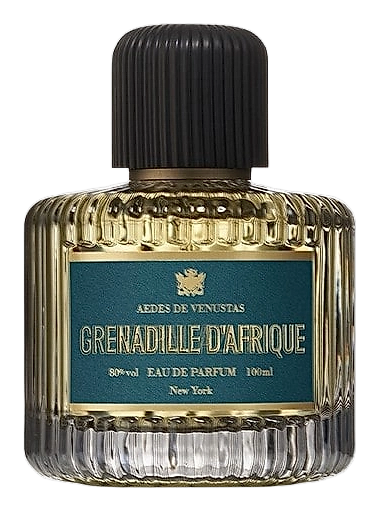
    Grenadille d'Afrique by Aedes de Venustas
    4.1

    Grenadille d'Afrique

    Aedes de Venustas Eau de Parfum by Aedes de Venustas
    4.1

    Aedes de Venustas Eau de Parfum

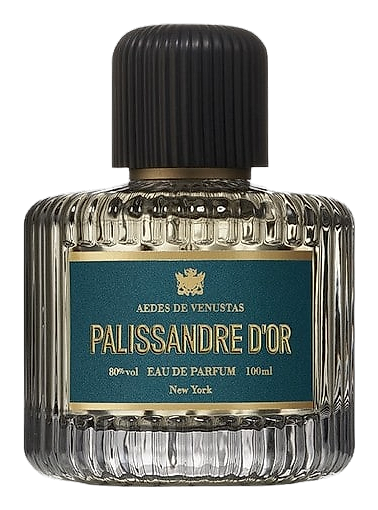
    Palissandre d'Or by Aedes de Venustas
    4.0

    Palissandre d'Or

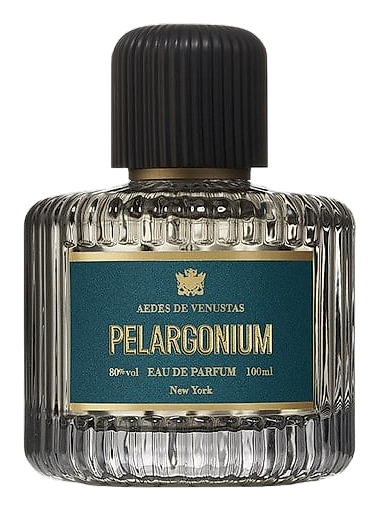
    Pélargonium by Aedes de Venustas
    4.0

    Pélargonium

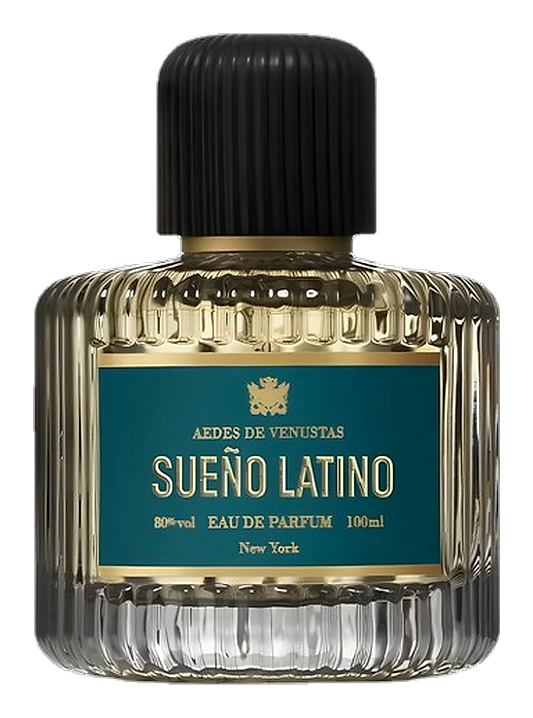
    Sueno Latino by Aedes de Venustas
    New
    4.0

    Sueno Latino

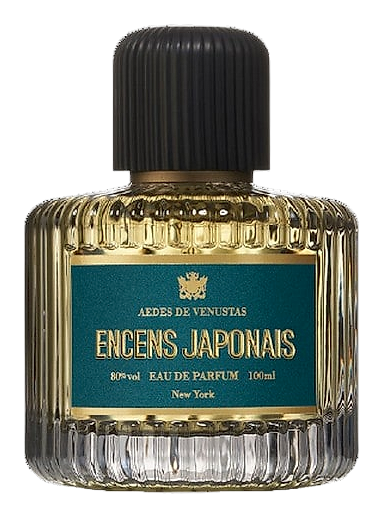
    Encens Japonais by Aedes de Venustas
    4.0

    Encens Japonais

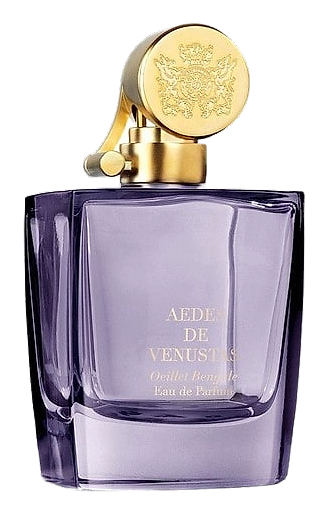
    Oeillet Bengale by Aedes de Venustas
    3.9

    Oeillet Bengale

    1 of 2

    The Heritage

    The Story of Aedes de Venustas

    Aedes de Venustas occupies a singular position in niche fragrance. The house emerged from a New York perfumery boutique founded in 1995 by Robert Gerstner and Karl Bradl, becoming a bridge between the old-world ateliers of Europe and the experimental spirit of downtown Manhattan. The brand carries the aesthetic of its West Village origins into its current Lower East Side home on Orchard Street, where collectors and fragrance enthusiasts continue to discover its compositions. Aedes de Venustas perfumes are known for their narrative depth, often drawing on architectural references, material histories, and aromatic memories that resist easy categorization. The house operates with deliberate restraint, releasing new work sparingly and maintaining an identity rooted in curiosity rather than trend.

    Heritage

    The Aedes de Venustas narrative begins in 1995 when Robert Gerstner and Karl Bradl opened their perfumery on Christopher Street in New York's West Village. Their approach was distinctive from the start: rather than launching a fragrance house, they established a destination for those seeking rare and artisanal compositions in an era when niche perfumery remained largely unfamiliar to American audiences. The boutique drew a devoted following of collectors who appreciated its curated selection and the founders' evident knowledge of fragrance history. In 2012, the brand marked a significant turning point by introducing its own namesake fragrance, Aedes de Venustas Eau de Parfum, which represented the synthesis of their curatorial expertise and personal creative vision. The house continued building its own collection through the following years, with releases that reflected the founders' diverse interests and material sensibilities. Copal Azur appeared in 2014, followed by Palissandre d'Or in 2015, with Cierge De Lune and Grenadille d'Afrique arriving in 2016 and Pélargonium in 2017. Each fragrance demonstrated a willingness to explore unconventional territory while maintaining the editorial intelligence that characterized the boutique itself. In 2018, Aedes Perfumery relocated from its original Christopher Street location to 16A Orchard Street on the Lower East Side, a move that reflected the brand's continued evolution while preserving its essential character. The brand has maintained its independent trajectory into the 2020s and beyond, releasing Café Tabac and Amnesia Rose in 2023 and Sueno Latino in 2025. This sustained output reflects a commitment to the house's original vision: to create fragrances that reward attention and resist the disposability that characterizes much of the contemporary fragrance market. The Aedes de Venustas story remains a story of conviction, built over three decades in New York.

    Craftsmanship

    The craftsmanship at Aedes de Venustas reflects an understanding that compelling fragrance requires both technical mastery and genuine creative vision. The house approaches each new composition as a problem-solving exercise, working through material interactions and structural possibilities until the work achieves the desired coherence. This methodical approach explains the brand's selective release schedule: each fragrance appears when it is ready rather than according to external deadlines. Material selection receives considerable attention within the creative process. The house demonstrates a preference for quality ingredients over economical alternatives, though sourcing decisions also reflect narrative considerations. Materials are chosen not only for their olfactory properties but also for their histories and associations, contributing to fragrances that function as repositories of accumulated knowledge and sensory experience. This material intelligence manifests in compositions that reveal new aspects upon extended wear, rewarding the attention of those who engage seriously with scent. The production process reflects the house's broader commitment to independent operation. Without external investment or corporate ownership, the brand maintains direct oversight of quality and creative direction. The transition from boutique to fragrance house occurred gradually, allowing the founders to develop expertise in original composition while drawing on their extensive experience evaluating the work of other perfumers. This curatorial foundation informs the Aedes de Venustas approach to their own creations, lending them an understanding of how individual materials function within larger structures. The resulting fragrances demonstrate compositional intelligence, with each element serving clear purposes within the overall design.

    Design Language

    The aesthetic of Aedes de Venustas carries the sensibility of its origins in New York's fragrance boutique culture. The brand's visual identity emerged organically rather than through deliberate brand development, reflecting the house's gradual evolution from curated selection to original creation. This history lends the aesthetic a quality of earned authenticity rather than manufactured image. The house's current visual presentation maintains the intellectual rigor and cultural awareness that characterized its boutique days. Packaging and presentation use refined typography and muted color palettes, suggesting confidence without excess. The aesthetic communicates an understanding of fragrance as a serious subject rather than mere consumer product, and this positioning attracts an audience that values discernment over novelty. The Aedes de Venustas aesthetic also reflects the neighborhood transitions that have shaped the brand's physical presence. From the artistic energy of the West Village to the cultural density of the Lower East Side, the house has maintained its essential character through each move. This continuity suggests an aesthetic rooted in principle rather than dependent on specific circumstances, a quality that allows the brand to remain coherent across different contexts and periods. The house occupies a distinctive position in contemporary fragrance culture, neither purely traditional nor deliberately modern, but rather operating according to its own internal logic.

    Philosophy

    The philosophy underlying Aedes de Venustas centers on the conviction that fragrance can function as a form of intellectual and artistic expression. The founders approached perfumery not as a commercial enterprise but as a cultural practice, and this orientation has shaped every aspect of the house's development. Rather than responding to market demands or seasonal trends, Aedes de Venustas creates fragrances that reflect genuine artistic interest, even when this means working against industry conventions. This editorial sensibility manifests in the brand's releases, which tend to function as propositions rather than mere pleasantries. Each fragrance invites the wearer to engage with scent as a medium capable of conveying complex ideas, emotional states, and material histories. The house demonstrates particular interest in architectural concepts, drawing parallels between the structure of buildings and the architecture of fragrance, an approach that manifests in compositions with clear narrative logic and satisfying structural tension. The brand maintains an independent stance in an industry where many niche houses eventually succumb to acquisition or strategic pressure. This independence allows the founders to prioritize long-term creative integrity over short-term commercial considerations. New releases appear when work feels complete rather than when launch calendars dictate, and the house has demonstrated a willingness to take creative risks that larger operations would likely avoid. The Aedes de Venustas philosophy ultimately reflects the sensibility of the West Village neighborhood where it originated: curious, culturally literate, quietly confident, and resistant to easy categorization.

    Key Milestones

    1995

    Robert Gerstner and Karl Bradl open Aedes Perfumery on Christopher Street in New York's West Village, establishing what they describe as the first perfumery dedicated to exclusive, artisanal scents

    2012

    The house releases its first signature fragrance, Aedes de Venustas Eau de Parfum, marking the transition from curation to creation

    2014

    Copal Azur joins the collection, expanding the house's exploration of resins and aromatic materials with a composition centered on copal and associated notes

    2016

    The brand releases two significant compositions: Cierge De Lune and Grenadille d'Afrique, demonstrating range across different material territories

    2018

    Aedes Perfumery relocates from Christopher Street to 16A Orchard Street on the Lower East Side, marking a new chapter in the brand's physical identity

    2023

    The house releases Café Tabac and Amnesia Rose, continuing the expansion of its collection into new olfactory territories

    At a Glance

    Brand profile snapshot

    Origin

    United States

    Founded

    1995

    Heritage

    31

    Years active

    Collection

    3

    Fragrances released

    Avg Rating

    4.2

    Community sentiment

    Release Rhythm

    2025
    1
    2023
    2
    2022
    1
    2021
    2
    2018
    1
    2017
    1
    2016
    2
    2015
    1
    aedes.com

    Did You Know?

    Interesting Facts

    Distinctive details and defining moments that shape the house personality.

    01

    The brand name references the Aedes de Venustas building in New York's Greenwich Village, a Renaissance Revival structure built in 1888 that exemplifies the architectural beauty the founders sought to honor.

    02

    The name translates from Latin to something close to 'temple of beauty,' reflecting the founders' interest in how physical structures can inspire emotional responses similar to those produced by fragrance.

    03

    The original Christopher Street location served as an informal gathering point for New York's fragrance enthusiasts during the early years of the niche fragrance movement in the United States.

    04

    Aedes de Venustas maintains complete independence without external investment or acquisition, a rarity in the contemporary fragrance industry where most niche houses eventually become part of larger luxury groups.

    05

    The brand has never maintained a formal perfumer roster, approaching each composition as a unique creative problem that may call for different expertise and artistic vision.