
The Story
Why it exists.
The beginning
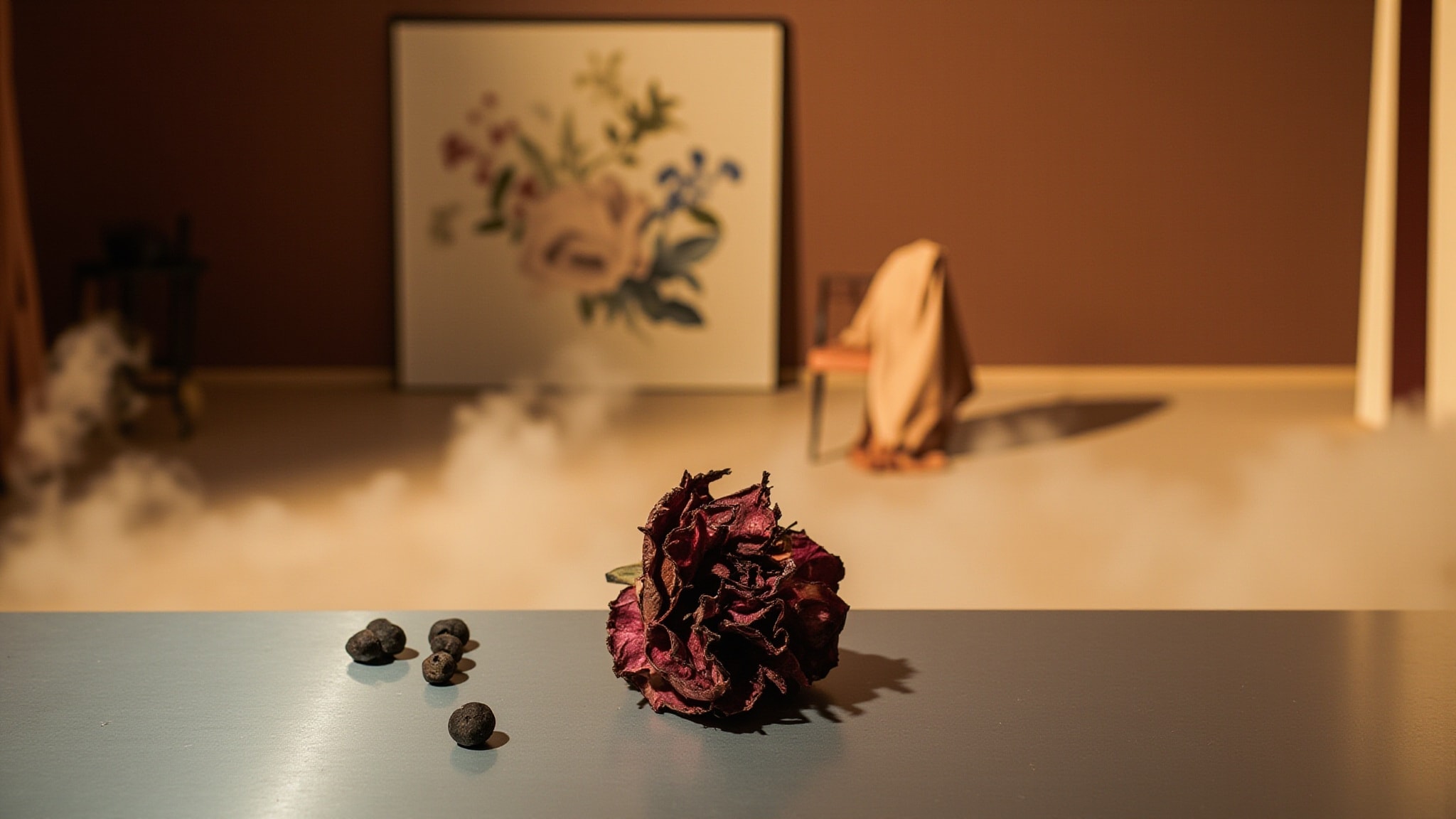
The name is the first clue. "Œillet" means carnation in French, but the Bengale Oeillet is something else entirely, a China rose, Rosa Indica caryophyllea, bred by the botanical illustrator Pierre Joseph Redouté and catalogued in his 1824 book Les Roses. The rose borrowed the carnation's name. Aedes de Venustas found it while leafing through Redouté's prints and recognized something worth exploring: a flower that took on another identity and made it work. Rodrigo Flores-Roux was drawn to the paradox. Not the scent of the flower, its misdirection. The idea that something could appear to be one thing and become another. Œillet Bengale is built on that tension. Bright, then burning. Clean, then complicated. The name promises one flower and delivers something far more volatile.
The spice architecture is what makes this work. Seven spices in the heart, cloves, black pepper, cardamom, cinnamon, saffron, turmeric, would overwhelm most compositions. Flores-Roux uses them differently. They're not a wall to climb; they're a sequence to experience. The bergamot and white pepper in the top notes create a brief moment of clarity before the heat arrives. The rose and ylang-ylang in the base don't soften the spices, they coexist with them, adding floral depth that keeps the composition from becoming one-dimensional. Turmeric is the unusual choice, lending a citrusy, herbaceous quality that distinguishes this from standard spice-forward compositions.
The evolution
The opening hits immediately. Bergamot and white pepper create a bright, peppery spark that reads clean for about fifteen minutes. Then the spices arrive. Cloves and cardamom take over first, with cinnamon and black pepper building beneath them. The rose doesn't announce itself, it emerges slowly through the spice, adding a floral counterpoint that keeps the heat from becoming linear. By the second hour, the structure shifts. The spice intensity softens, and the resinous base begins to dominate. Benzoin and labdanum create a warm, slightly smoky quality. Vanilla and ylang-ylang add sweetness without rounding off the edges. The final phase is intimate, this fragrance doesn't fill a room. It stays close, developing on skin in layers that reward attention. On most skin types, expect six to eight hours before the drydown fully resolves into something skin-close and lingering.
Cultural impact
Œillet Bengale occupies a specific position: those who seek intellectual, narrative-driven fragrances tend to find something here, while others find the intensity and spice complexity challenging. The fragrance doesn't aim for universal appeal, and that refusal is part of what makes it worth examining. It's the work of a perfumer who understood exactly what kind of wearer this was for.