The Story
Why it exists.
The beginning
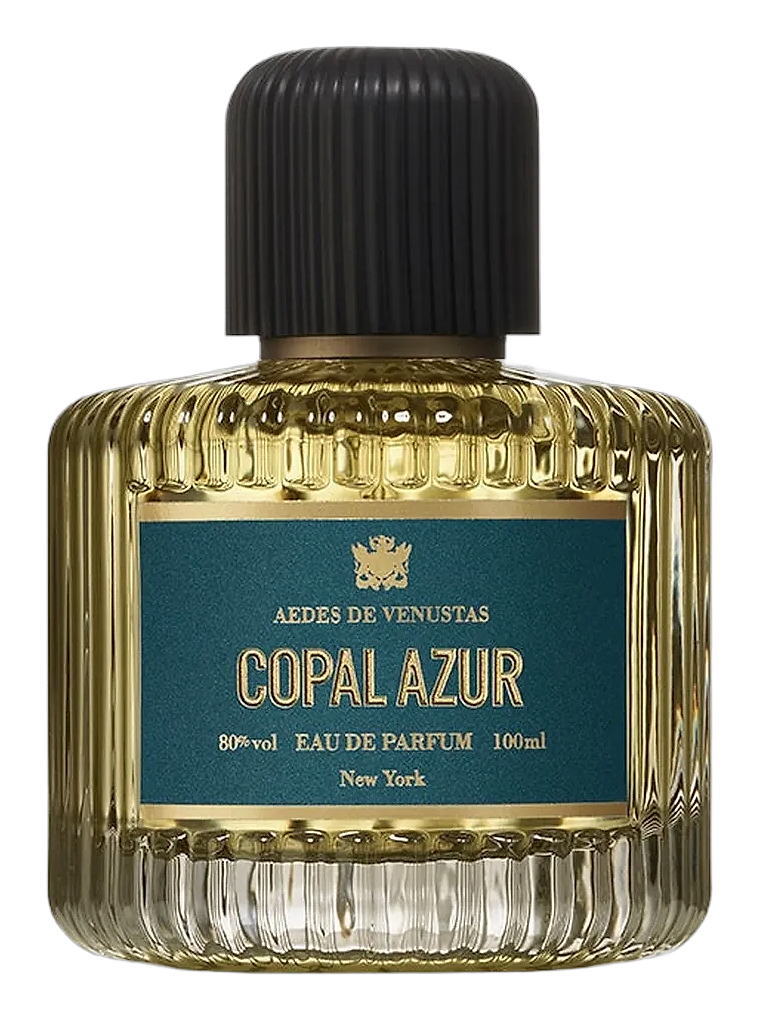
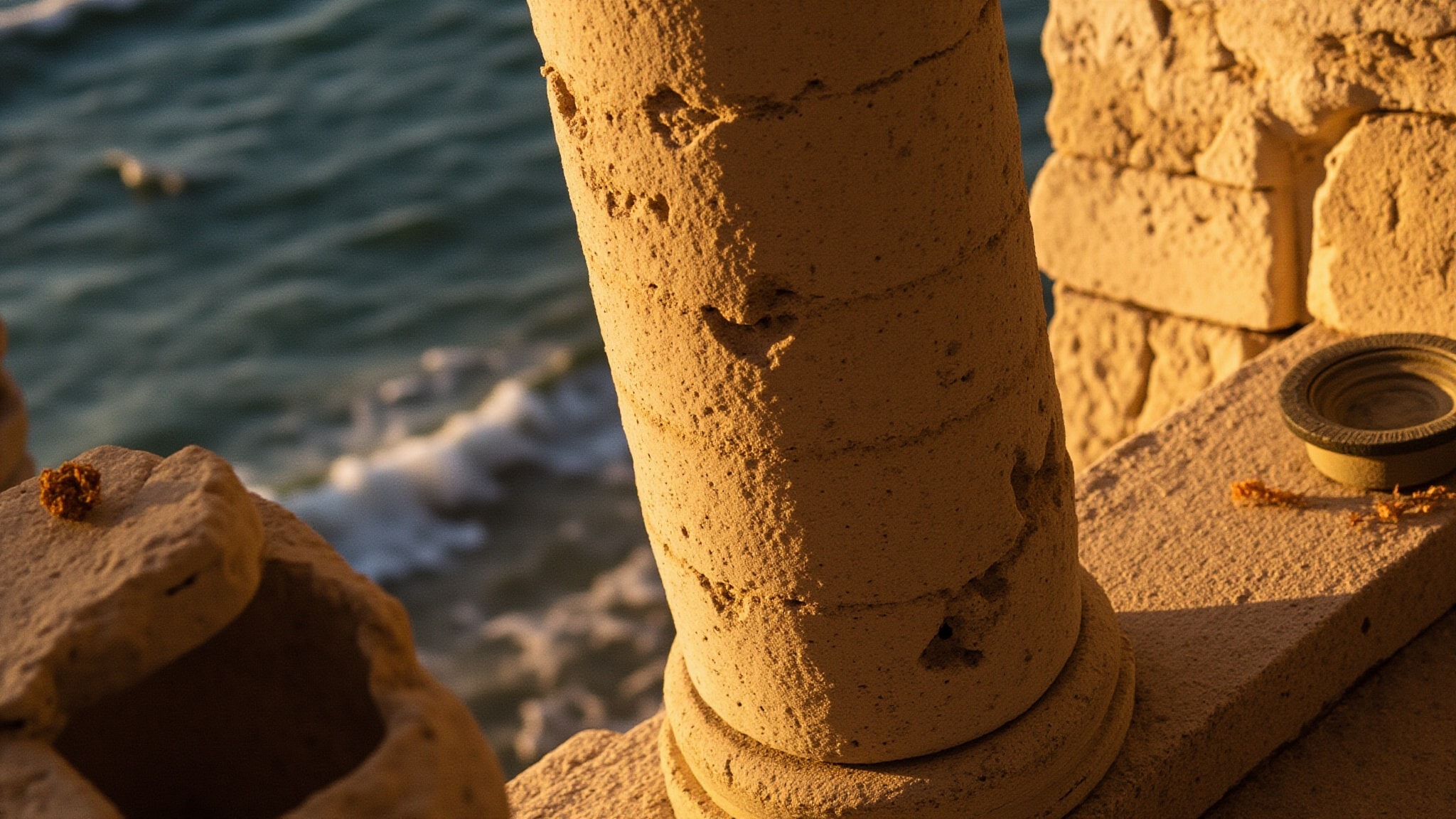
Copal Azur draws its name and soul from copal resin, a sacred material with deep roots in Mediterranean incense traditions. Aedes de Venustas entrusted Bertrand Duchaufour, a perfumer who understands how to build tension between opposing forces, with translating this material into wearable form. The brief was simple: the smoke of burning copal at ancient temples, but also the coastal cliffs and Mediterranean air that surround them. Sea spray. Coastal herbs. The jaguar watching from the trees. Duchaufour achieved this by working with three distinct incense extracts, layering them with salt and ozone to capture the coastal dimension that gives this fragrance its unique character.
What makes Copal Azur work is its refusal to choose between sacred and sensual. Most incense fragrances lean one direction: either the austere contemplation of church incense, or the warm sensuality of resinous woods. Copal Azur holds both. The three incense extracts are positioned across the pyramid, top, heart, base, creating a continuous thread of smoke that runs the entire wear. But the ozonic and salty top notes interrupt that thread regularly, letting in air, light, the smell of water evaporating from warm stone. It's incense that learned to swim.
The evolution
The opening arrives already mixed, incense and salt together, not one following the other. The ozone is there too, adding a clean edge that keeps the smoke from feeling heavy. As the fragrance develops, a peppery sweetness surfaces, bringing a roundness that shifts what began as more vertical into something with more body. The heart reveals wet earthy patchouli, grounding what could otherwise become delicate. As the composition progresses, amber and tonka join the mix. The incense remains constant, always present, and now it smells like smoke on skin that has been warmed by the sun, sweetened by the proximity of green growth. The drydown stays intimate and close, the kind of scent someone notices when they are standing near you, not across the room. On fabric, it lingers into the next day.
Cultural impact
Copal Azur occupies a specific space in the incense category, apart from heavier smoky compositions. Its coastal ozonic character makes it stand out, offering the ritual of incense in a lighter register. The Mediterranean inspiration translates into actual accords: sea spray, coastal air, and green growing things that create a fresh take on the incense theme. The references feel literal without being heavy-handed, grounded in genuine aromatic choices rather than marketing language. This is incense for someone who wants the ceremonial quality but not the weight that typically accompanies it.