The Story
Why it exists.
The beginning
Bertrand Duchaufour designed Avignon for Comme des Garcons Incense Series 3, a line that maps historic spiritual centers around the world. The name references the French city that housed the papal court in the 14th century, a seat of Catholic authority. Duchaufour wanted to capture the weight and ceremony of religious spaces, treating incense not merely as a fragrance note but as a symbol of transcendence and ritual.
Duchaufour selected each note to reflect incense practices across traditions. Frankincense and myrrh represent the most sacred resins in Western and Middle Eastern ceremonies. The addition of labdanum bridges toward older perfumery traditions, while chamomile and aldehydes provide an unexpected counterpoint, subverting expectations of what a ceremonial scent should be.
The evolution
The fragrance opens with chamomile is silvery freshness, extended by aldehydes and softened by elemi is green-citrus note. Within the first half hour the heart emerges with labdanum is warm amber presence, woven with ambrette is musky-nutty character and enriched by subtle spices. The base unfolds as a complex procession of frankincense and myrrh, their sacred resin depth anchoring cedarwood and patchouli is woody structure. Rosewood, vanilla, oakmoss, and musk complete a long-lasting, contemplative finish.
Cultural impact
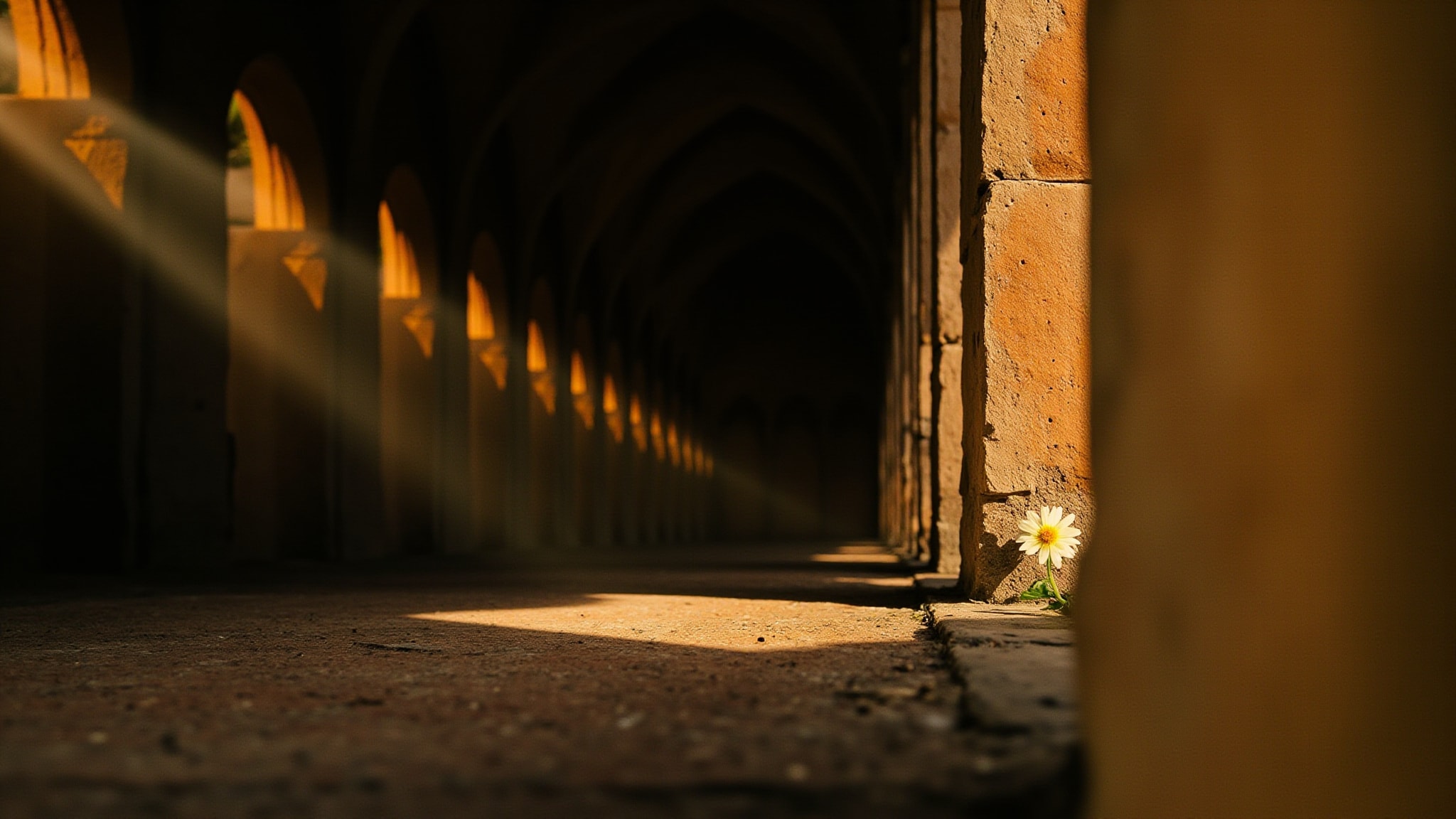
Since its 2002 debut, Avignon has become a cult favourite among niche collectors who prize its austere incense character. Critics praise its ability to evoke gothic cathedrals, while some find the smoke quite dominant. It holds a distinctive place among incense-type fragrances, standing out for its ceremonial depth and reverent presence that draws the wearer into a contemplative space filled with sacred resins and ancient spiritual traditions.