Chamomile
Chamomile brings a soft, apple-skin sweetness to fragrance: calming, herbal, and quietly floral. Long a fixture in apothecary traditions, it adds comfort without overwhelming a composition.

Character
How it smells
Apple blossom quietude in a bottle.
The name chamomile derives from the Greek chamaimelon, meaning ground apple, a nod to its faint fruity aroma that perfumers prize for softening sharper notes.









Origin
Germany
Chamomile's place in perfumery runs alongside its role in herbal medicine. Ancient Egyptians dedicated the plant to the sun god Ra and used it in cosmetics and embalming oils. Romans favored Roman chamomile for incense and beverages, while Greek physicians, including Hippocrates, documented its calming properties.
By the Middle Ages, chamomile had spread across European monastery gardens, where monks cultivated it for digestive remedies, wound salves, and strewing herbs. German settlers carried German chamomile seeds to Pennsylvania in the 18th and 19th centuries, establishing the plant in American soil. It has been commercially grown in countries including Egypt, Hungary, and Slovakia since the early 20th century.
In modern perfumery, chamomile entered mainstream formulations during the late 19th century as synthetic musks and aldehydes opened new blending possibilities. Its chamazulene-rich German oil became a favorite in chypre and fougère structures, where its herbal sweetness could round out woody and citrus elements. Today, both the essential oil and CO2 extract appear in everything from colognes to niche artisan blends, valued for the warmth and stillness they bring to a composition.
Wears it best
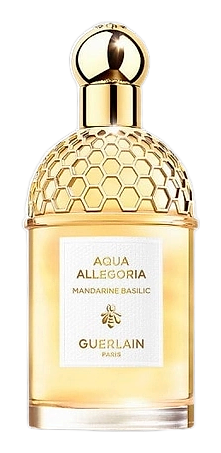
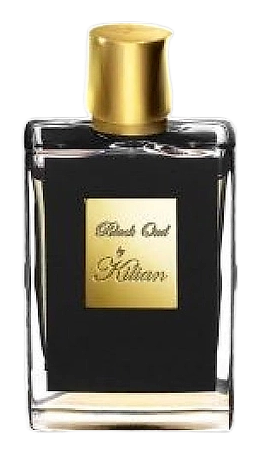
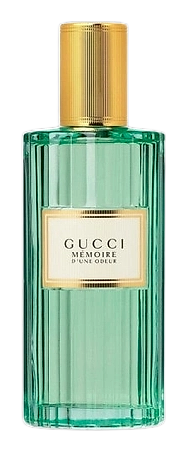
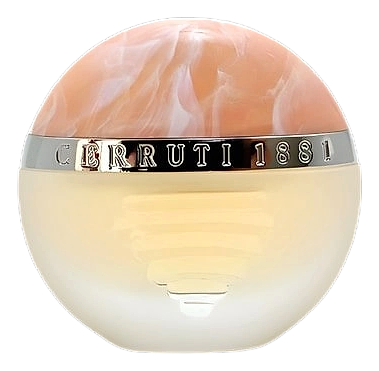
Fragrances featuring Chamomile



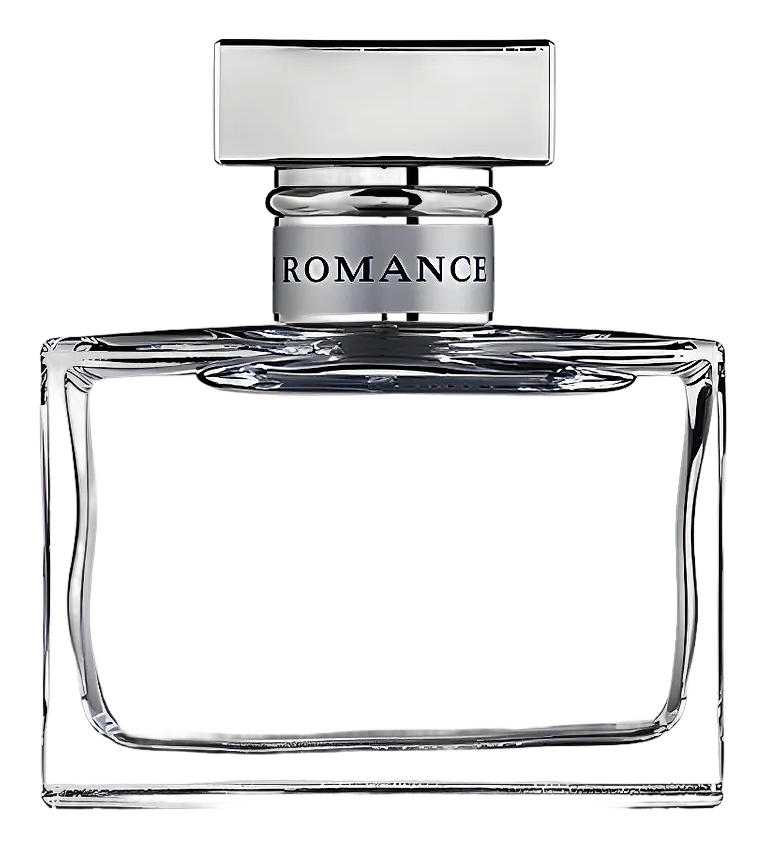



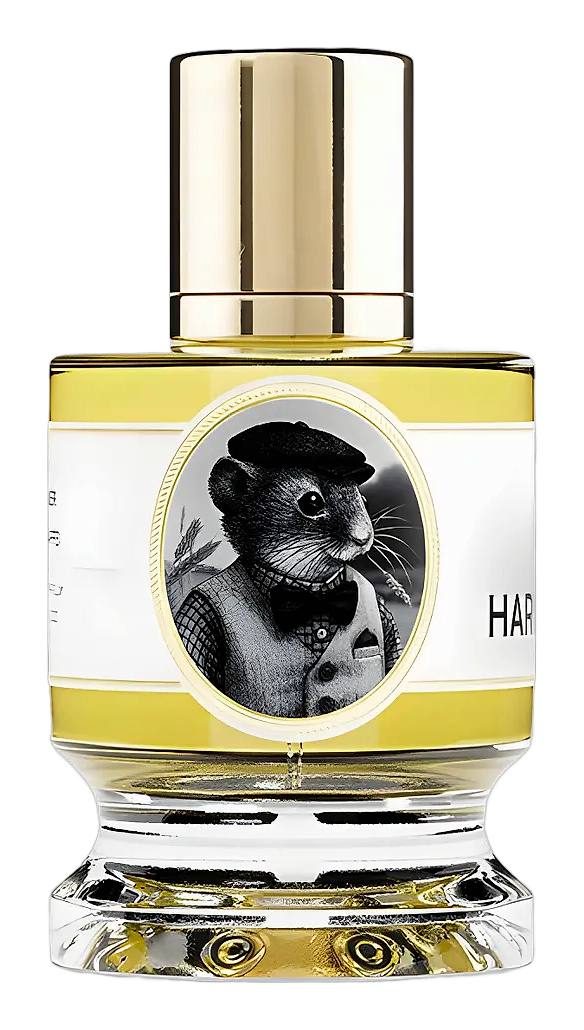
Brands
Brands known for Chamomile
Good to know
Questions, answered
The essentials on Chamomile in perfumery: how it smells, where it comes from, and how it behaves on skin.
What does chamomile smell like in perfume?
Chamomile offers a soft, herbal sweetness with hints of apple and fresh hay. German chamomile adds a slightly sweet, tobacco-like undertone from chamazulene, while Roman chamomile reads brighter and more floral.
Is chamomile a top, heart, or base note?
Chamomile functions as a heart note in most compositions. Its volatility places it in the middle register, though its calming character allows it to bridge bright top notes into deeper bases.
What is the difference between Roman and German chamomile in fragrance?
German chamomile oil is deep blue and richer in chamazulene, giving it a sweet, slightly smoky quality. Roman chamomile is pale yellow with a fresher, more apple-like aroma due to higher ester content.
Is chamomile essential oil safe for skin?
Chamomile oil is generally considered gentle, though it should always be diluted before topical use. Roman chamomile in particular has a low irritation profile and appears in many cosmetic formulations.
Why is German chamomile oil blue?
The distinctive blue color develops during steam distillation when the precursor matricin converts into chamazulene. This transformation occurs only under heat, which is why cold-pressed or CO2-extracted chamomile stays greenish-brown.
How much chamomile is needed to make essential oil?
German chamomile yields roughly one kilogram of essential oil per 100 kilograms of fresh flowers. Roman chamomile is even less efficient, requiring substantially more plant material per unit of oil produced.
Can chamomile be used as a standalone perfume?
Chamomile on its own lacks the tenacity and complexity of a finished fragrance. It works best as a supporting note, where its soft sweetness can harmonize with citrus, floral, or herbal companions.
Where is chamomile commercially grown today?
Major producers include Egypt, Hungary, and Slovakia. Hungary alone supplies a significant share of the global Roman chamomile crop, while Egypt leads in German chamomile oil production.



