







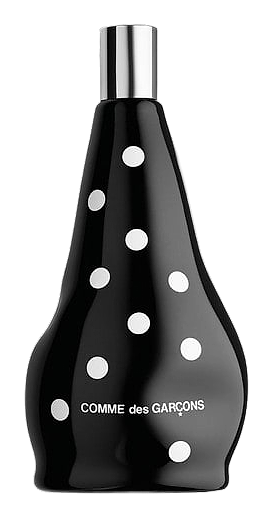
![[ ] Dia x Meg Webster. by Comme des Garçons – Eau de Parfum](https://pkjcevljwhrjwpswgpkp.supabase.co/storage/v1/object/public/fragrance-images/bottles/comme-des-garcons/dia-x-meg-webster.png)




































Heritage
A house, in its own words
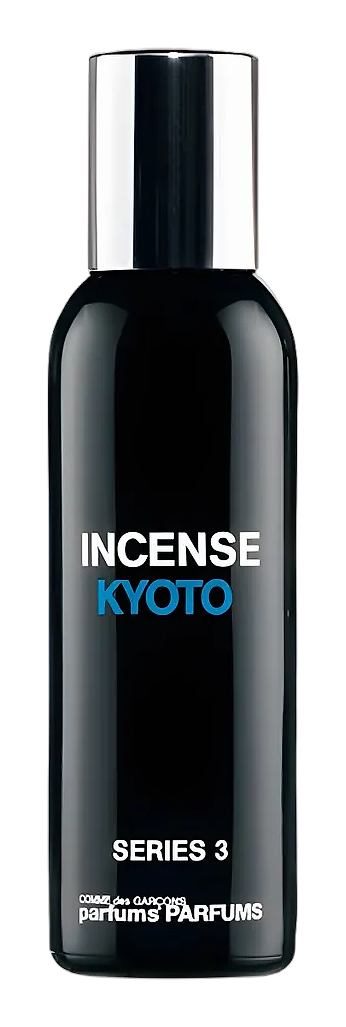
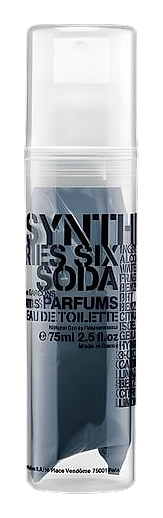
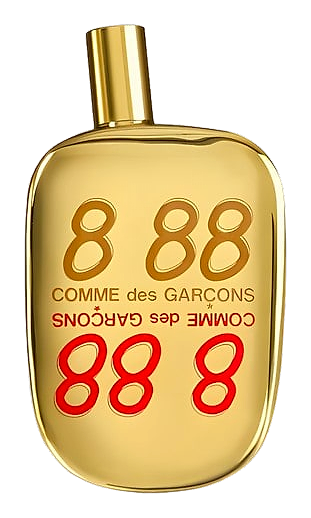
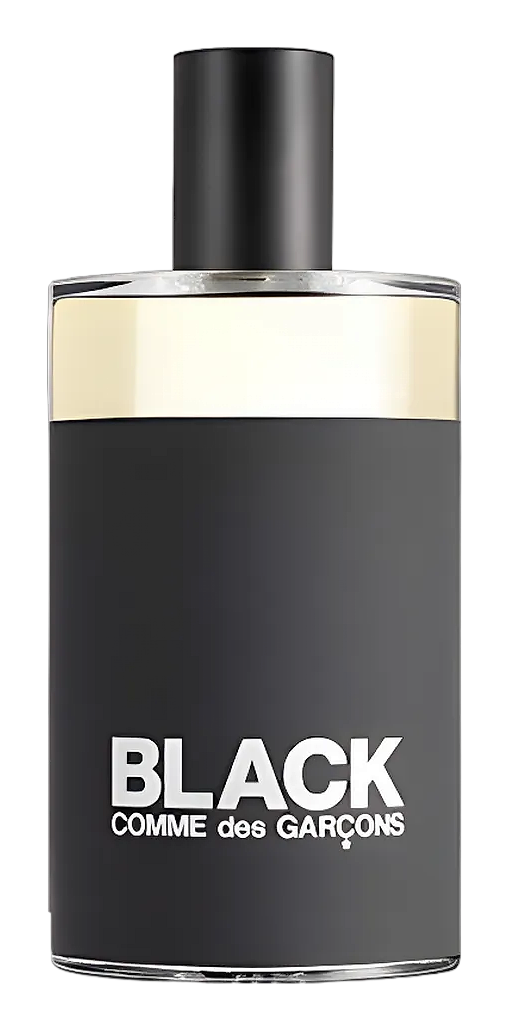
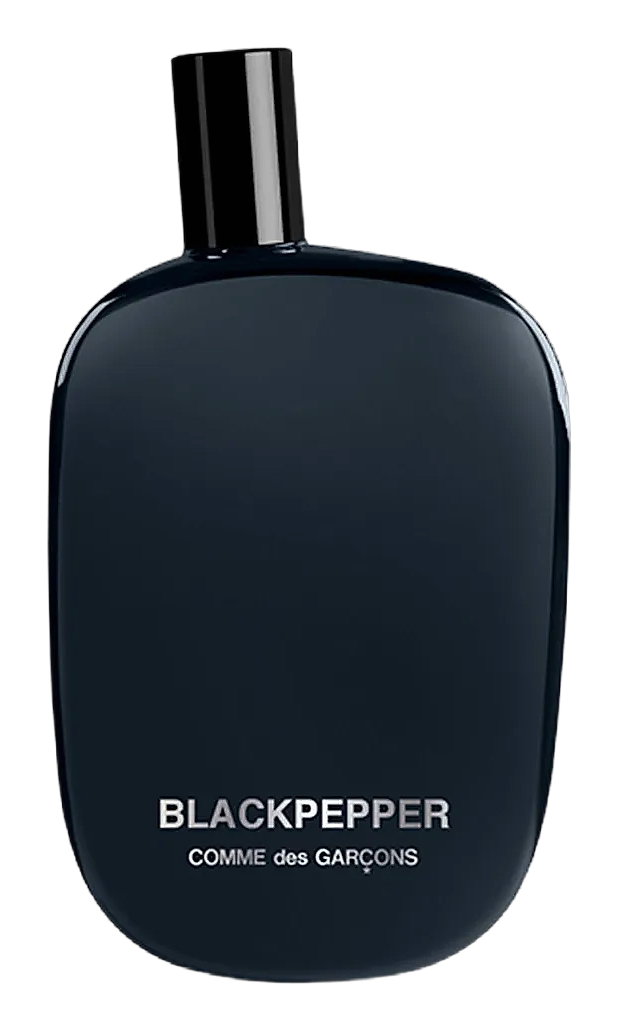
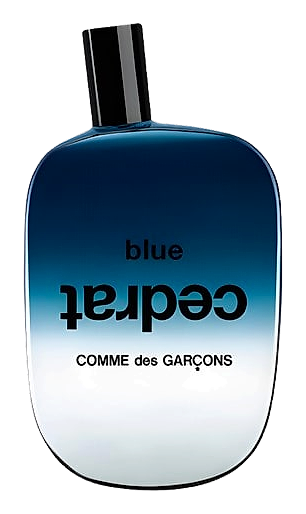
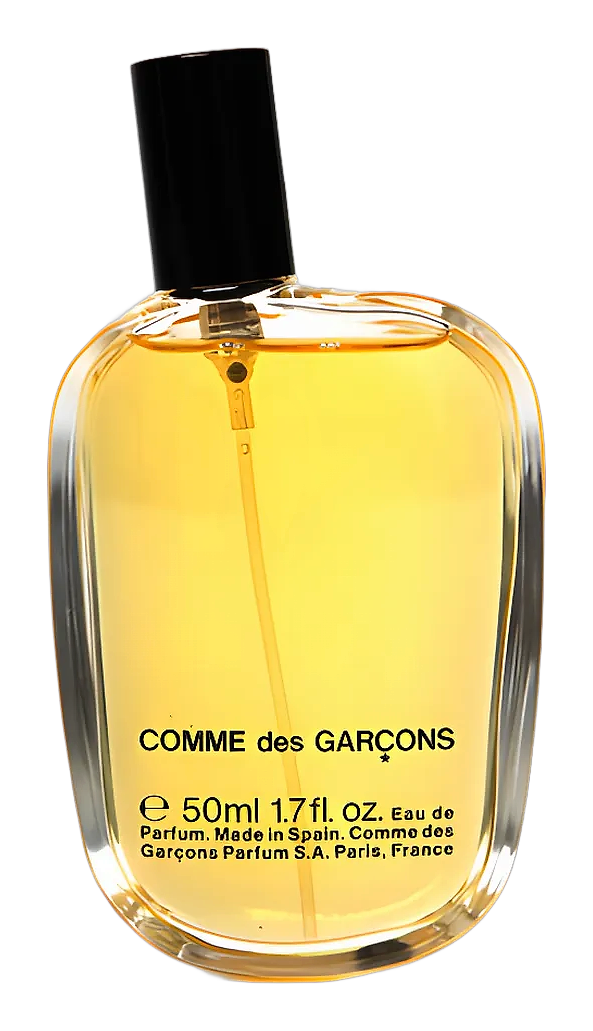
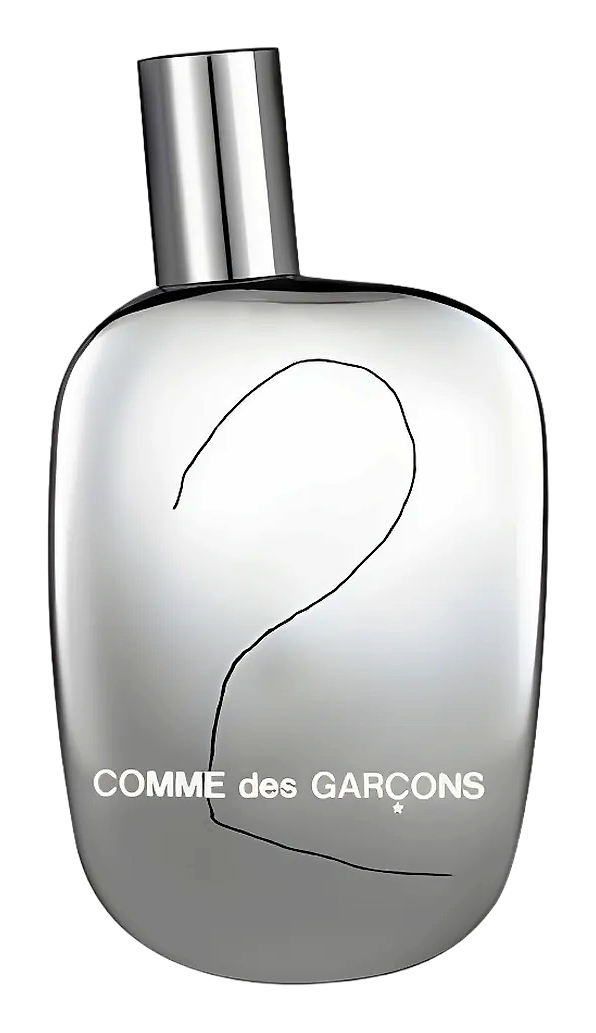
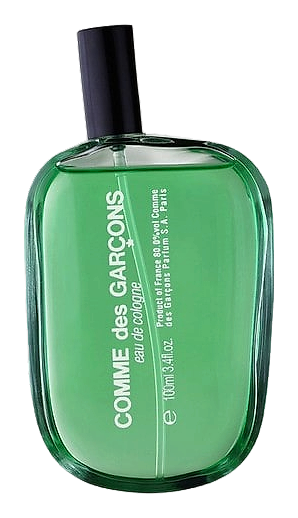
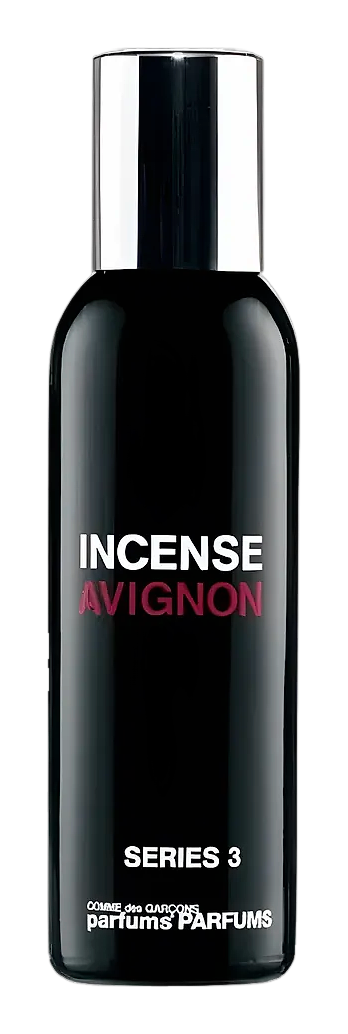
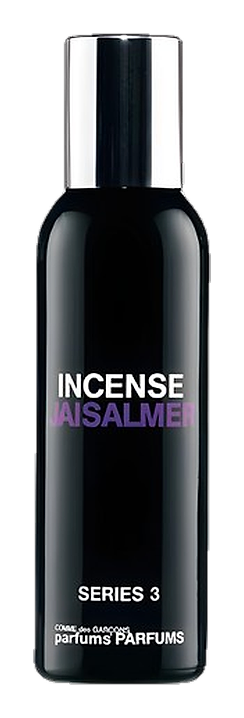
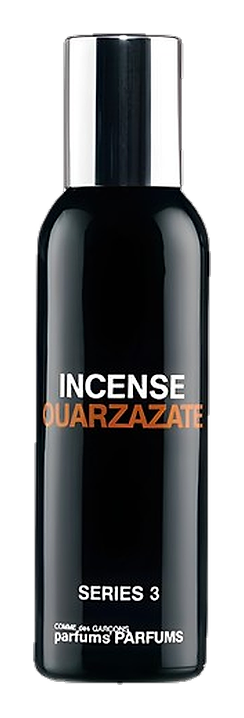
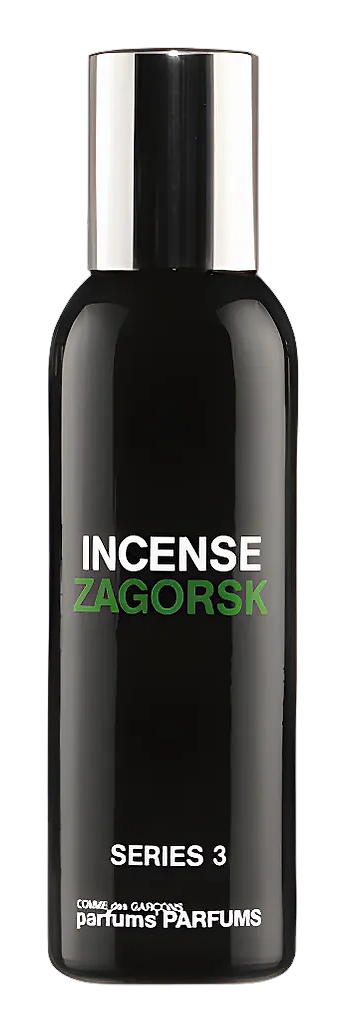
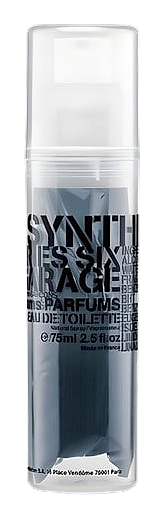
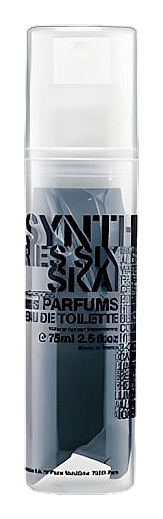
Rei Kawakubo founded Comme des Garçons in Tokyo in 1969, building a fashion house around radical ideas about beauty, body, and silhouette. The brand arrived in Europe in 1981 and quickly became known for collections that unsettled runway conventions. Fragrance arrived later, but with the same disruptive intent. Comme des Garçons Parfums S.A. was established in the early 1990s as a collaboration between Kawakubo and Christian Astuguevieille, a fragrance industry veteran who became the line's creative director. Their debut composition, Comme des Garçons Eau de Parfum, launched in 1994 with a presentation at the Ritz Paris that traded glamour for raw provocation: sacks of yellow liquid surrounded the pool, and models walked on a mirrored floor. It was an opening statement that set the tone for three decades of rule-breaking. The house then introduced themed series that read like olfactory essays. Series 1 Leaves (2000) explored unexpected plant notes, including the Japanese herb shiso. Series 2 Red (2001) drew on natural reds from sequoia wood to rhubarb. Series 3 Incense (2002) became a landmark, with Avignon and Kyoto building entire compositions around smoke, cathedral air, and temple wood. Series 4 Cologne (2002) reinterpreted freshness. Series 6 Synthetic (2004) and Series 7 Sweet (2005) asked what happens when perfume turns its attention to man-made materials and to sugar, respectively. Collaborative projects have expanded the scope. Stephen Jones Millinery (2022) joined forces with the legendary milliner. Dover Street Market (2009) became a signature scent for the retail concept. Max Richter 01 (2025) crossed into the world of contemporary classical music. Thirty years on, Comme des Garçons Parfums remains one of the most consistently conceptual fragrance houses operating today. Kawakubo's creative philosophy in fashion has always asked viewers to reconsider what they accept as beautiful, wearable, or complete. The fragrance division carries that same interrogation into scent. Rather than chasing mass appeal or seasonal trends, the house treats each release as an idea worth investigating. A perfume about burnt sugar, or vinyl, or vetiveru grass, or the inside of a Gothic cathedral, is not a gimmick. It is an invitation to think about what fragrance can represent beyond attraction and luxury. Christian Astuguevieille, the longtime creative director, has described the line as defined without the notion of beauty in conventional terms. That refusal is central. Comme des Garçons fragrances often contain notes, accords, or juxtapositions that mainstream perfumery avoids: industrial materials, harsh smokiness, metallic edges, vegetal greenness without sweetness. Yet they remain wearable. The house trusts the wearer to meet it halfway. This is conceptual perfumery with discipline, never pretension dressed as art. Each themed series builds a coherent argument across multiple bottles, treating scent as a medium for editorial thinking. The result is a catalog that feels like a library of ideas, where every release proposes a new question about identity, material, or memory.