
The Story
Why it exists.
The beginning
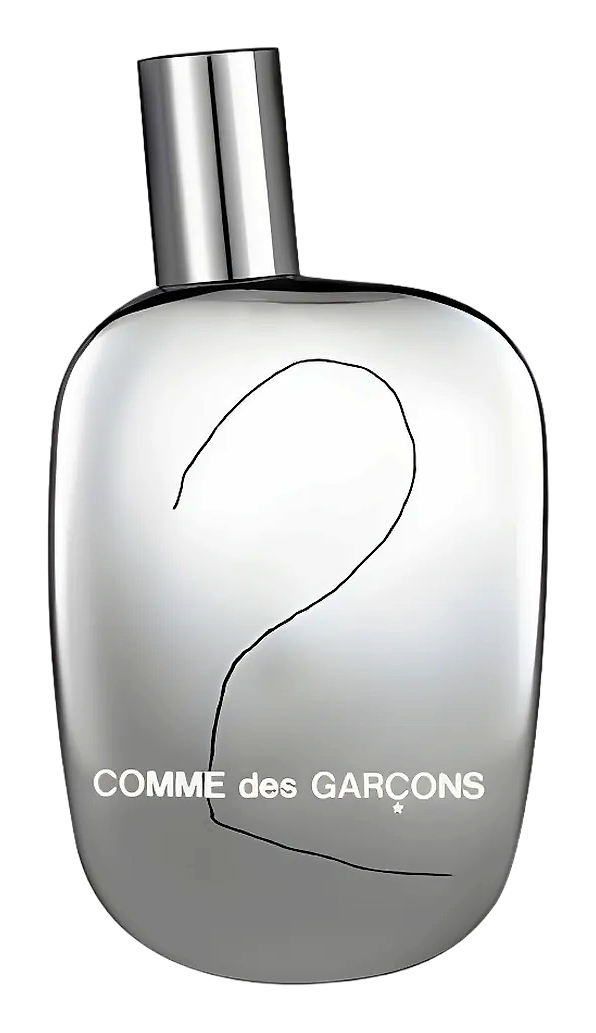
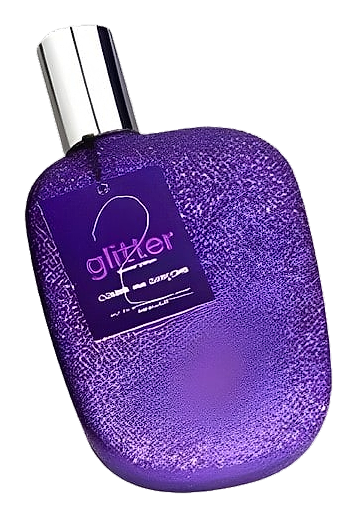
Glitter arrived in 2009 as a limited edition flank of Comme des Garcons 2, the house's most experimental baseline. The original 2 was already strange: aldehydes, incense, the kind of composition that made people argue. Glitter took that foundation and asked a different question. Not how to complicate it, but how to make it shimmer. The answer came in the form of a glittering purple flacon and a scent that leads with brightness before revealing warmth underneath.
Mark Buxton designed this as a study in contrast, the aldehydic opening that CdG made famous, pushed against tea's tannic cool and citrus brightness. The warm spice heart (nutmeg, bay, cinnamon, coriander) isn't hidden or subtle. It's the whole point. The base of patchouli and cedar grounds everything without softening it. What makes Glitter interesting is the same thing that makes all the best CdG fragrances interesting: it trusts the wearer to meet it halfway.
The evolution
The aldehydes hit first, bright, almost metallic, the kind of opening that announces itself without apologizing. Tea underneath keeps it cool, almost austere. Mandarin orange flickers briefly before the heart takes over around the hour mark. Nutmeg and West Indian bay arrive first, green and aromatic, then cinnamon and coriander add warmth without sweetness. Magnolia softens the transition, but barely. The drydown belongs to patchouli and cedar, woody, intimate, close to the skin. This is a fragrance that evolves toward quietness.
Cultural impact
Glitter sits in the CdG tradition of limited editions that ask something of the wearer. The aldehydic-tea opening is polarizing by design, it either hooks you or it doesn't. Those who stay find a warm spice heart that rewards patience. The fragrance's scarcity (limited edition, 2009 release) has made it a collector's piece, though it remains less discussed than the house's incense series.