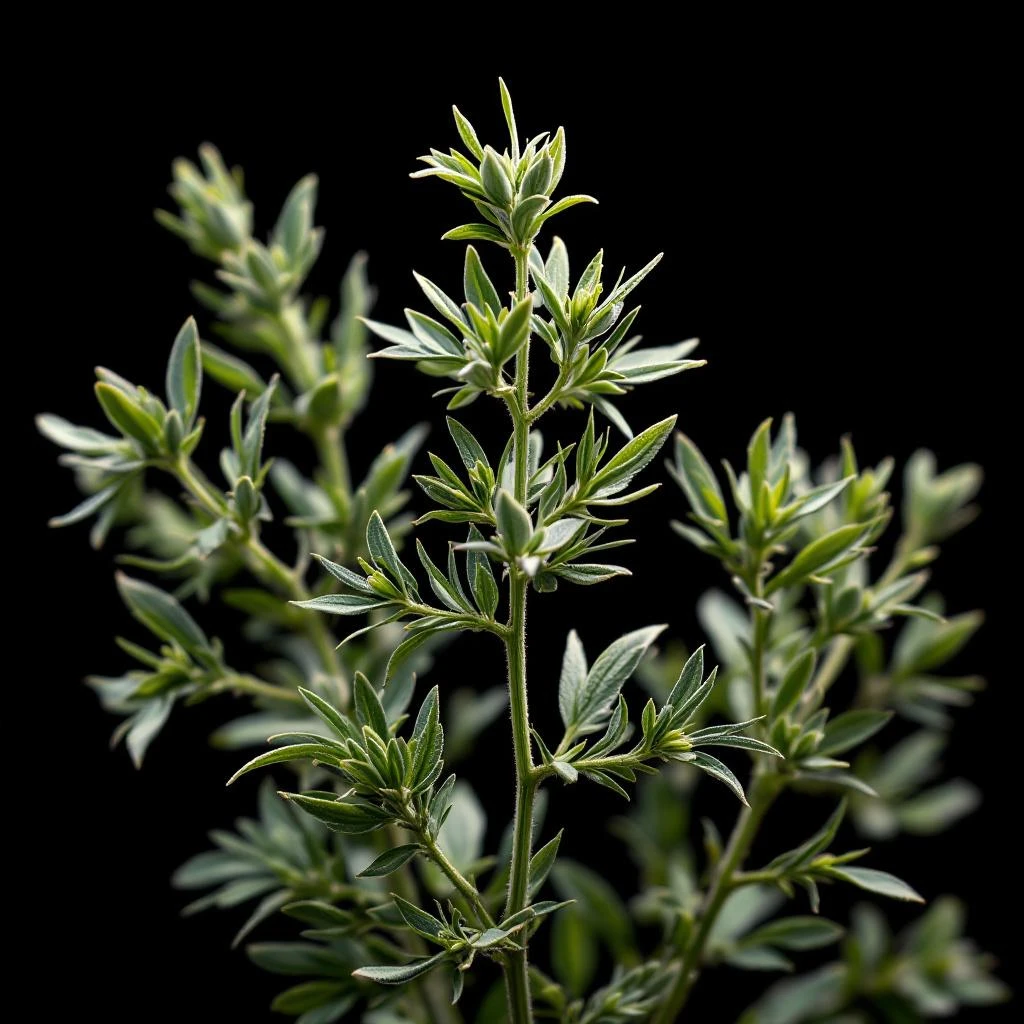
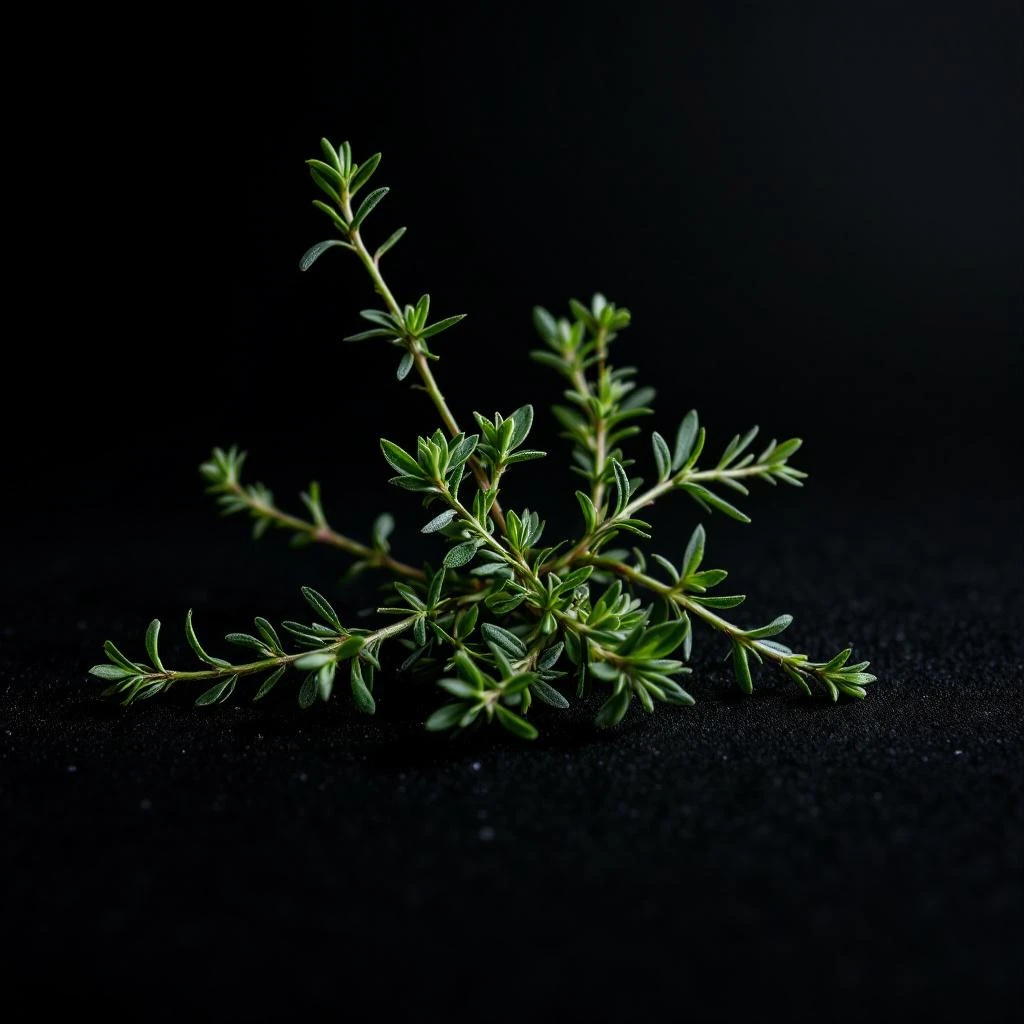
Angelica
Angelica delivers a vibrant herbaceous top note with a uniquely musky, wood-like character. Both root and seed provide distinct facets, with root offering greater pungency. In perfumery, it acts as a synergist and fixative, anchoring brighter citrus accords while adding depth and longevity to blends.
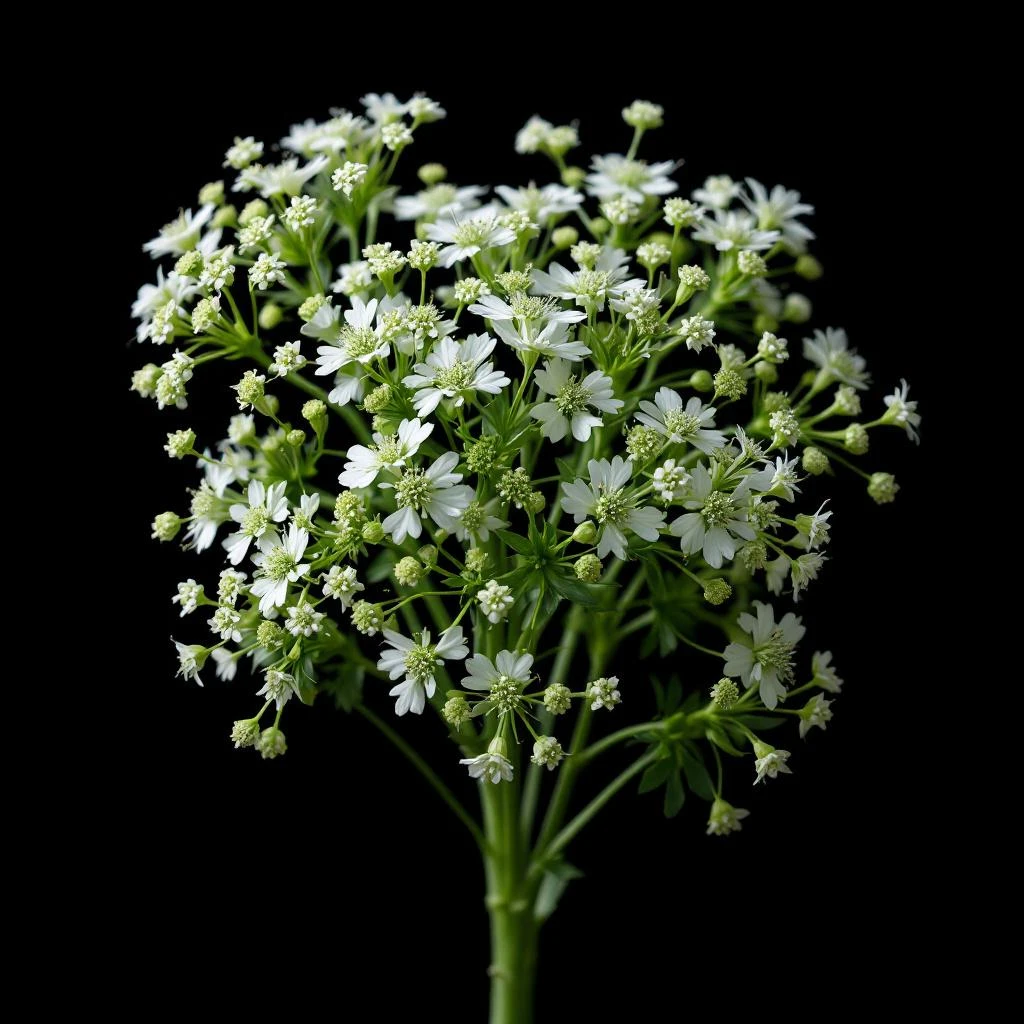
Character
How it smells
The sacred root that bridges heaven and earth.
Angelica takes its name from Archangel Raphael, who reportedly revealed the plant to Charlemagne as a cure for plague.









Origin
France
Angelica archangelica earned its celestial name through medieval legend. The plant was said to have been revealed by the Archangel Raphael to Charlemagne as a remedy against the plague ravaging his armies.
During the Black Death, protective sachets containing angelica were hung around children's necks to ward off both physical illness and spiritual harm. European folk traditions credited the herb with the power to dispel evil spirits and necromantic influences.
Beyond medicine, the aromatic root found its way into culinary use: candied angelica stems became a confectionery staple, while the essential oil found a permanent home in Chartreuse, the vivid green-yellow French liqueur. From protective amulet to perfume ingredient, angelica's journey spans a millennium of human history.
Wears it best
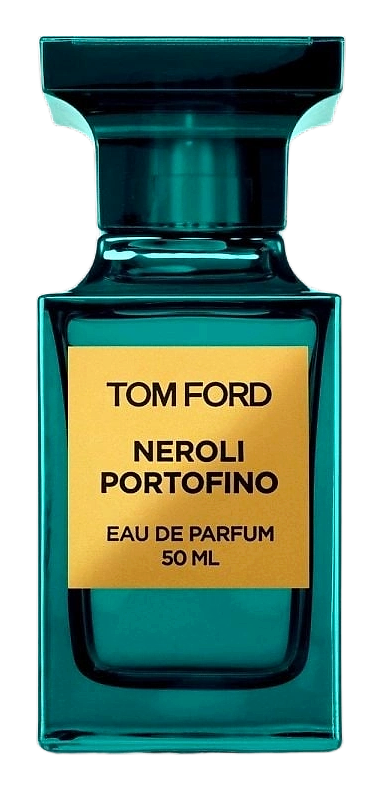
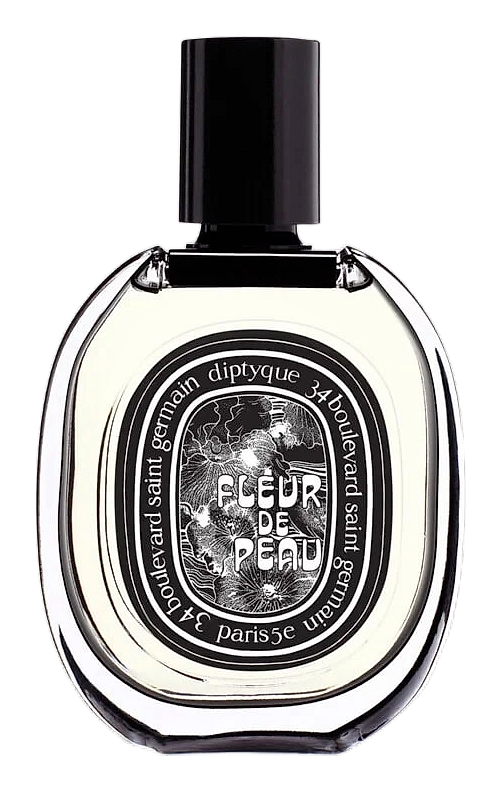
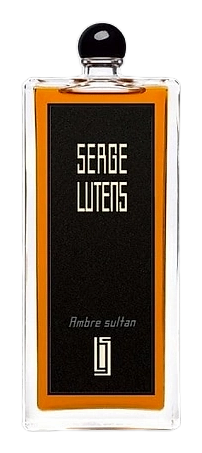
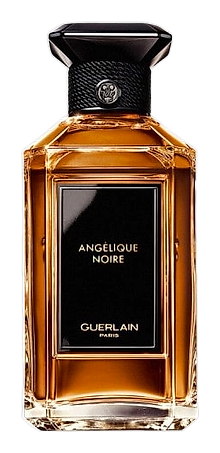
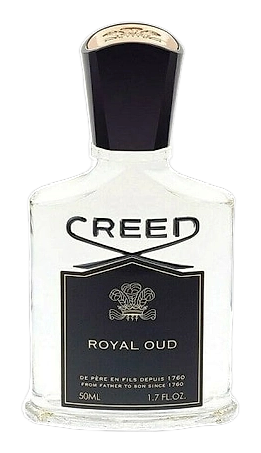
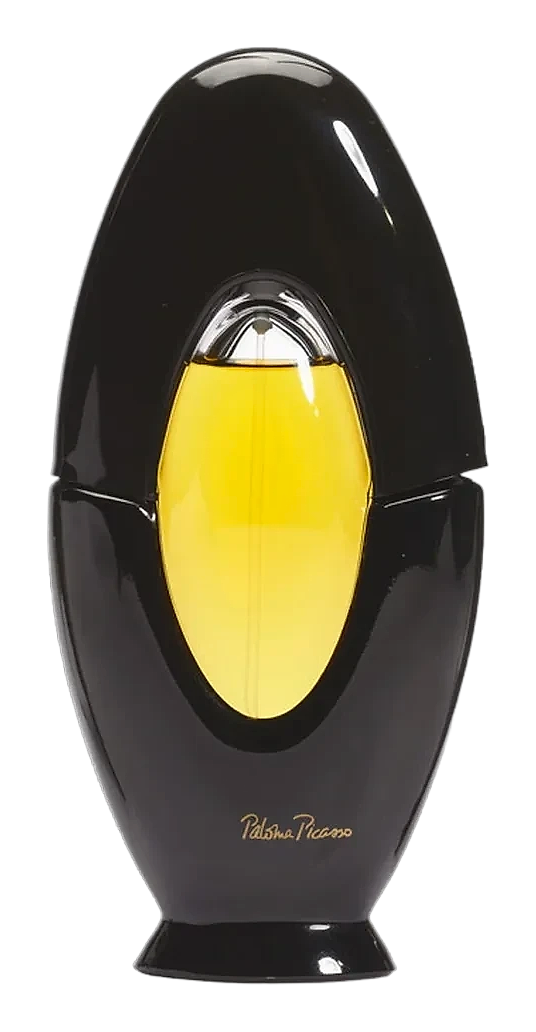
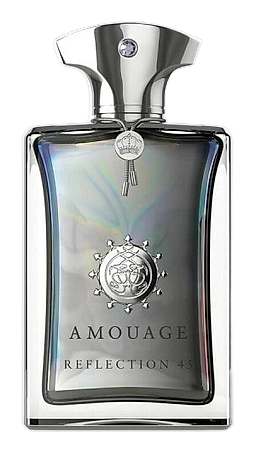
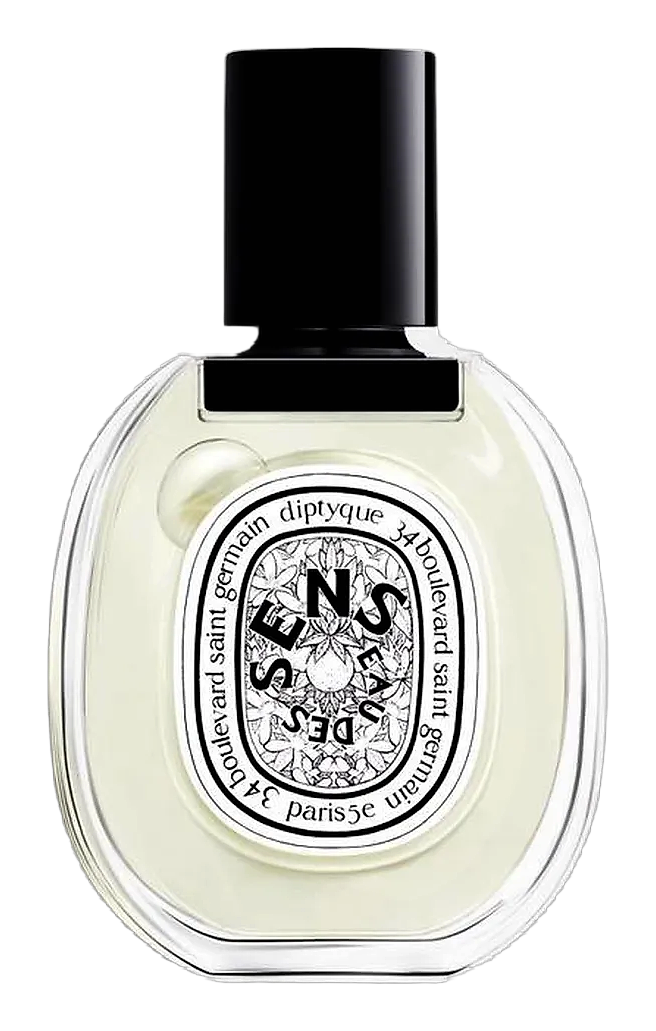
Fragrances featuring Angelica



Brands
Brands known for Angelica
Good to know
Questions, answered
The essentials on Angelica in perfumery: how it smells, where it comes from, and how it behaves on skin.
What does Angelica smell like in perfume?
Angelica smells herbaceous with musky, wood-like undertones and subtle peppery spikes. The root oil is notably more pungent than the seed oil. Its earthy warmth recalls orris root paired with a sweet, musky character resembling ambrette seed.
Why is Angelica used in perfumery?
Angelica functions as both fixative and synergist in fragrance formulations. It anchors brighter citrus top notes while lending its vibrant herbaceous quality. Perfumery databases list angelica among the most effective natural fixatives for citrus-dominated accords.
Is Angelica in perfume natural or synthetic?
Natural angelica is steam-distilled from Angelica archangelica roots or seeds, primarily sourced from France and Germany. Synthetic versions exist for cost and supply reasons, though naturals offer superior olfactory complexity.
What famous perfumes contain Angelica?
Angelica appears in Creed Royal Oud, Diptyque Eau Des Sens, and Shay & Blue London Tonka Angelica. The ingredient features across fougère, chypre, Oriental, incense, and musk fragrance families.
Is Angelica a top note, heart note, or base note?
Angelica functions primarily as a top note, delivering immediate herbaceous impact. Its fixative properties allow it to serve a base-note role by anchoring more volatile companion materials in the composition.
What notes pair well with Angelica in perfume?
Angelica pairs harmoniously with earthy materials including vetiver, patchouli, and cedar. It complements citrus top notes through its synergistic effect and blends seamlessly into aromatic compositions featuring lavender, clary sage, and oakmoss.
How is Angelica extracted?
Steam distillation of dried Angelica archangelica roots or seeds produces the essential oil. Root oil proves more potent and complex than seed oil. Production concentrates in France and Germany where the plant thrives in cool, damp conditions.
Is Angelica used in men's or women's fragrances?
Angelica appears in fragrances across the gender spectrum. It features prominently in masculine woody and aromatic compositions and equally in feminine Oriental and chypre perfumes. Its versatility makes it a unisex perfumery staple.