
The Story
Why it exists.
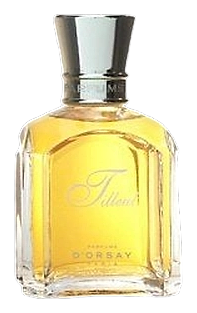
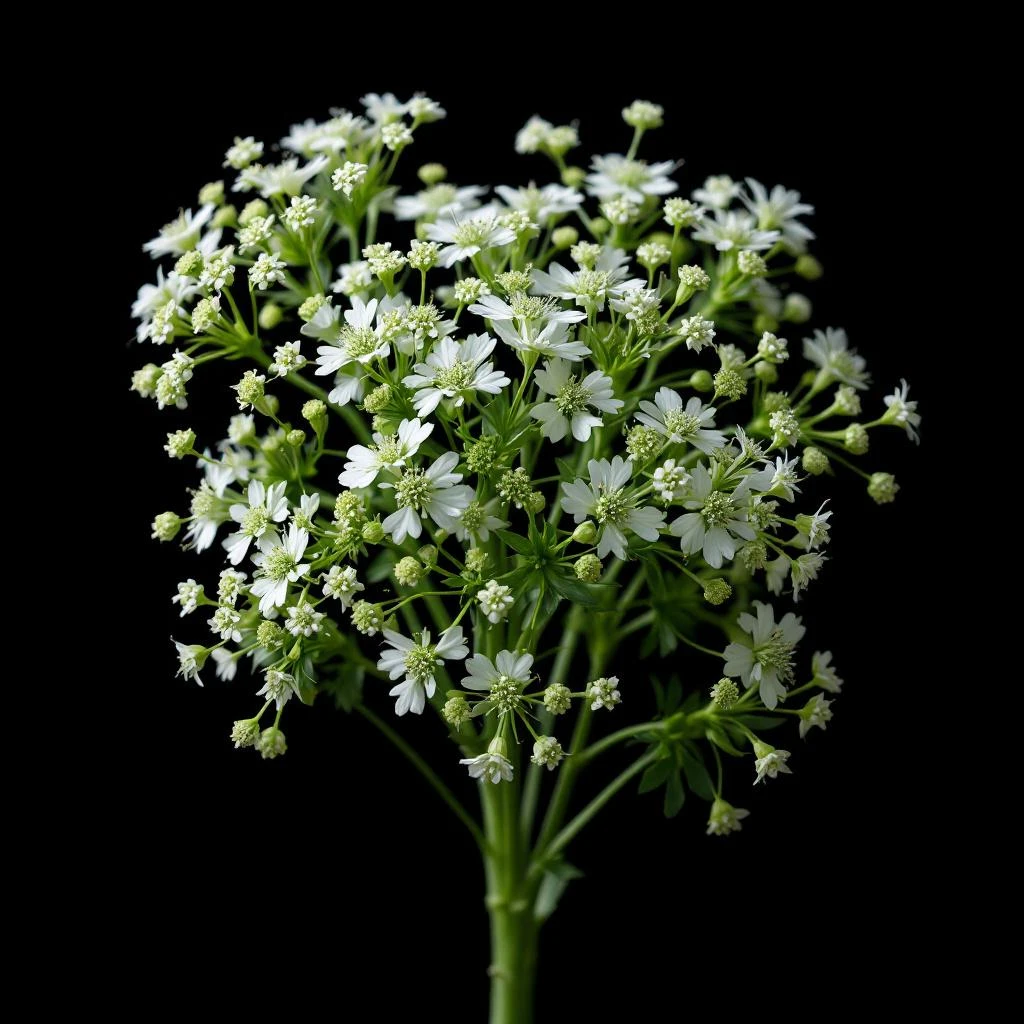
Named after the linden tree (tilleul in French), Tilleul Friction de Nuit was unveiled in 1999 as D’ORSAY’s homage to evening gardens. The house, founded in 1830, had long courted aristocratic patrons who prized private, unisex scents. In the late‑nineteenth century, a commission for Count Alfred d’Orsay’s lover inspired a secret blend of green foliage and fresh herbs, a lineage the 1999 release revives with modern clarity, pairing Angelica’s earthiness with citrus‑water brightness before slipping into a mint‑laden, hay‑tinged dusk.
If this were a song
Community picks
Clair de Lune
Claude Debussy
The Beginning
Named after the linden tree (tilleul in French), Tilleul Friction de Nuit was unveiled in 1999 as D’ORSAY’s homage to evening gardens. The house, founded in 1830, had long courted aristocratic patrons who prized private, unisex scents. In the late‑nineteenth century, a commission for Count Alfred d’Orsay’s lover inspired a secret blend of green foliage and fresh herbs, a lineage the 1999 release revives with modern clarity, pairing Angelica’s earthiness with citrus‑water brightness before slipping into a mint‑laden, hay‑tinged dusk.
Choosing linden blossom as the heart was deliberate; its airy, slightly honeyed aroma bridges the bright citrus top and the rustic base. Angelica grounds the opening with an herbal bite, while the addition of mint and lemon verbena in the drydown adds an unexpected coolness that keeps the composition from becoming saccharine, delivering a balanced green‑sweet tension that feels both nostalgic and fresh.
The Evolution
At first spray, Angelica and Petitgrain flash a crisp, almost medicinal green that feels like a freshly cut leaf brushed by lemon‑water mist. Within ten minutes the lime‑laden linden blossom and cyclamen unfurl, turning the air into a sun‑drenched orchard where citrus meets soft floral powder. As the heart fades, the base emerges: black locust’s woody amber mingles with hay’s dry, field‑like warmth, while mint and lemon verbena inject a cooling breeze that lingers on the skin for the full 6‑8 hour span. By the end of the day, the fragrance settles into a subtle, herbaceous veil that whispers of twilight gardens rather than shouting its presence.
Cultural Impact
Tilleul Friction de Nuit captures a moment of post-war French optimism, echoing the resurgence of artistic expression in the 1990s. Its blend of angelica and petitgrain nods to traditional garden fragrances while embracing modern citrus vibrancy, reflecting a cultural shift toward lighter, more nuanced perfumery. The fragrance has been referenced in contemporary French cinema as a backdrop for intimate, reflective scenes, underscoring its role in shaping a mood of calm sophistication. Collectors often cite it as a bridge between classic French elegance and the emerging trend of transparent, airy compositions, marking its subtle yet lasting imprint on the perfume landscape.
The House
France · Est. 1830
D’ORSAY is a Paris‑based perfume house that balances historic romance with contemporary sensibility. Founded in the early nineteenth century, the brand has built a catalogue that includes vintage icons such as Intoxication d’Amour (1942) and modern releases like Tonka Hysteria (2024). Its fragrances are crafted for anyone who enjoys nuanced scent journeys, whether worn day or night. The house continues to publish candles and diffusers that echo the same olfactory language, offering a curated portal into French perfume heritage.
If this were a song
Community picks
The scent feels like a late‑summer evening in a Parisian garden: delicate piano chords, a soft breeze of strings, and a subtle undercurrent of distant jazz, mirroring the green‑fresh top and the mint‑laden drydown.
Clair de Lune
Claude Debussy