Cyclamen
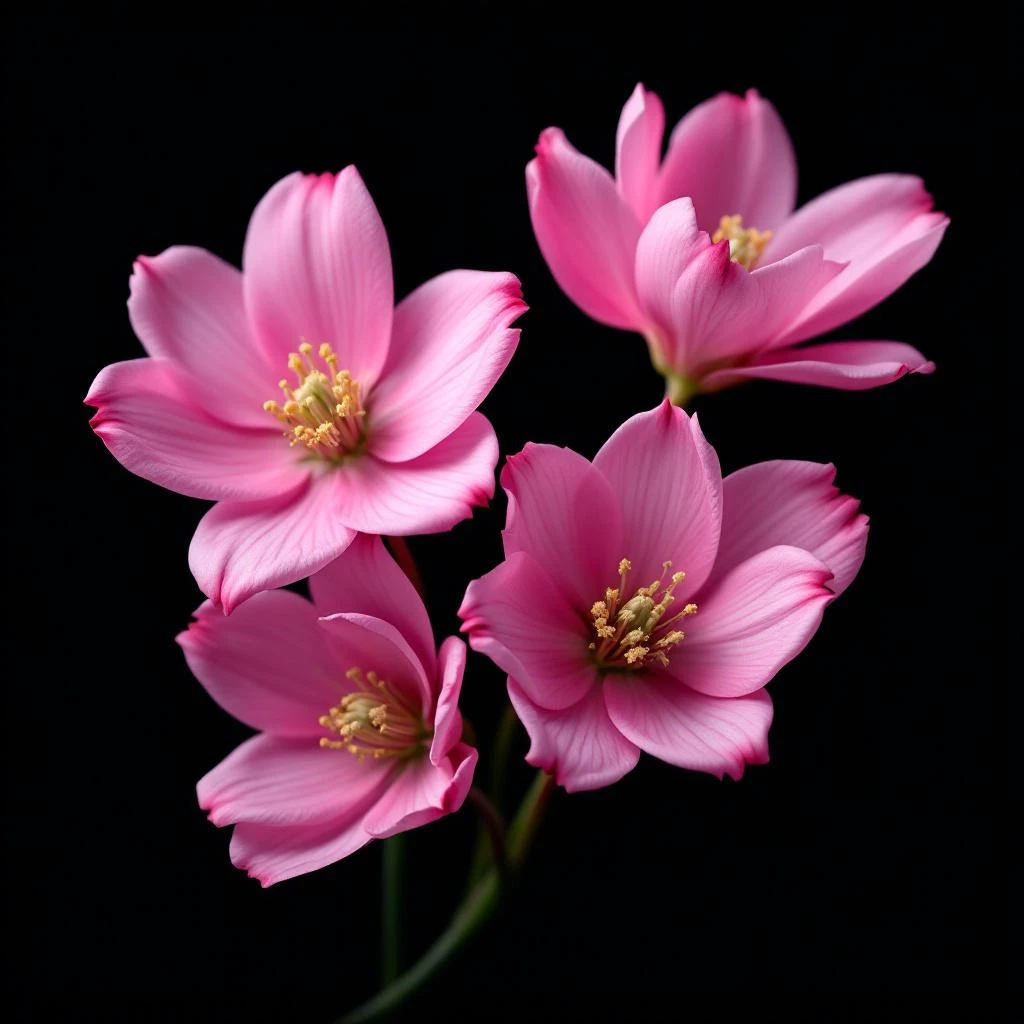
Cyclamen aldehyde is a synthetic aroma chemical born in 19th-century perfumery labs, built to echo the soft floral breath of the cyclamen flower without harvesting it. Today it lends a watery, green-lilac lift to thousands of modern fragrances.
Character
How it smells
A synthetic bloom for an unharvestable flower.
The real cyclamen flower's scent has never been fully captured by any known extraction method, making cyclamen aldehyde one of perfumery's most enduring approximations.









Origin
Iran
The cyclamen plant itself has roots stretching deep into the Mediterranean and Persian regions, where it grew wild across rocky hillsides for millennia. Yet its journey into perfumery required chemistry. In the late 1800s, as the modern perfume industry took shape in Paris between roughly 1880 and 1920, synthetic aroma chemicals began replacing or supplementing scarce naturals.
Cyclamen aldehyde emerged from this wave of innovation, offering perfumers a way to evoke a flower that resisted traditional extraction methods. The timing aligned with a broader movement: chemists were creating molecules like coumarin, vanillin, and the original aldehydes that redefined what fragrance could smell like. Cyclamen aldehyde became especially popular in the early-to-mid 20th century, appearing in soaps, lotions, and lighter floral fragrances where its fresh, lilac-like brightness suited functional and fine perfumery alike.
Its peak prominence has since faded in some niches, overtaken by newer synthetics, but it remains in active use globally. The story of cyclamen in perfumery is really the story of a synthetic standing in for nature, a bridge between botany and laboratory craft.
Wears it best
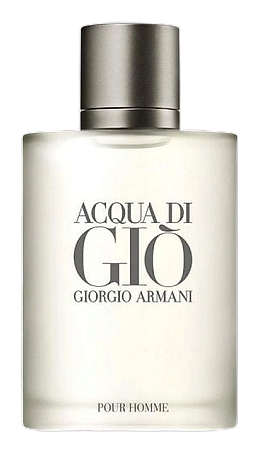
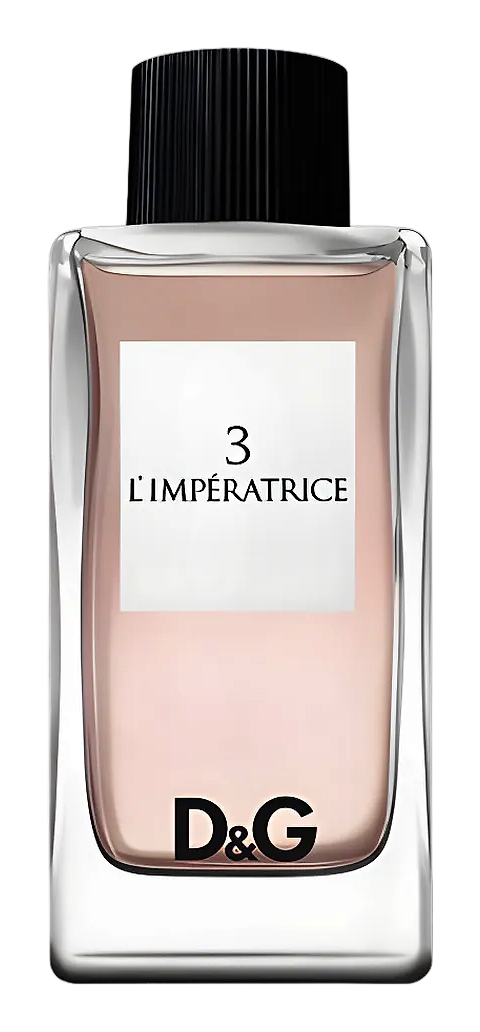
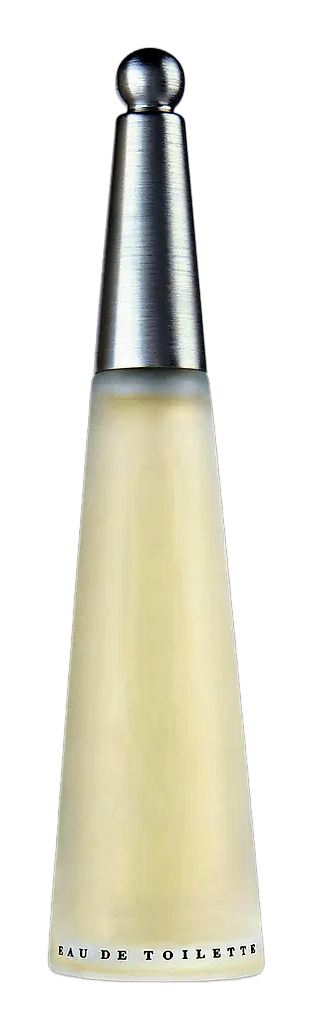
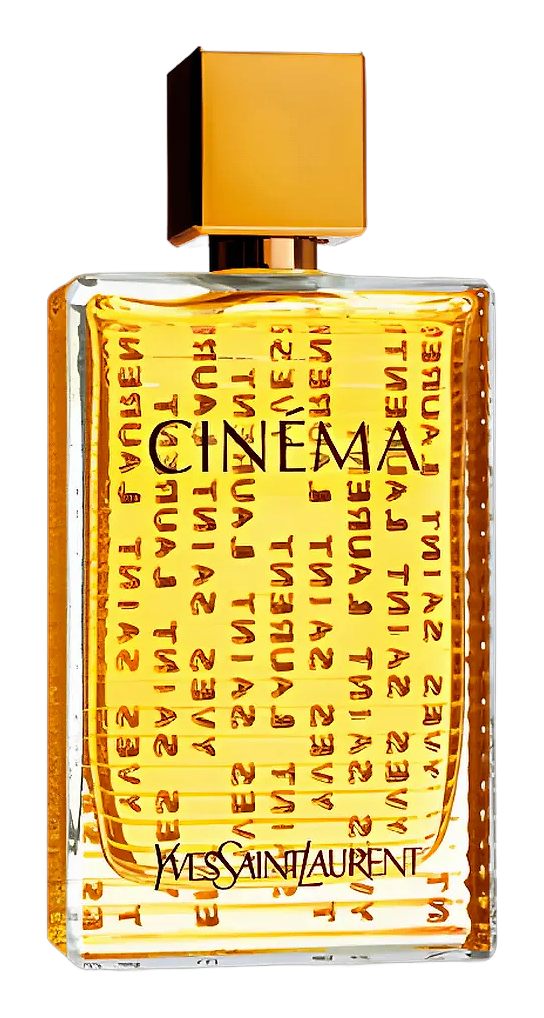
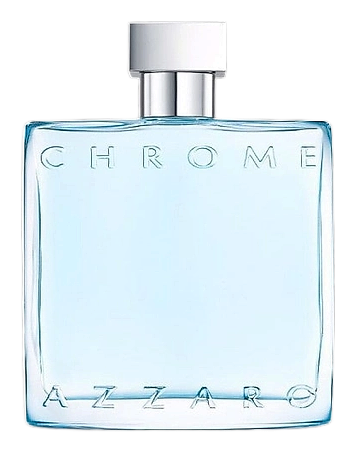
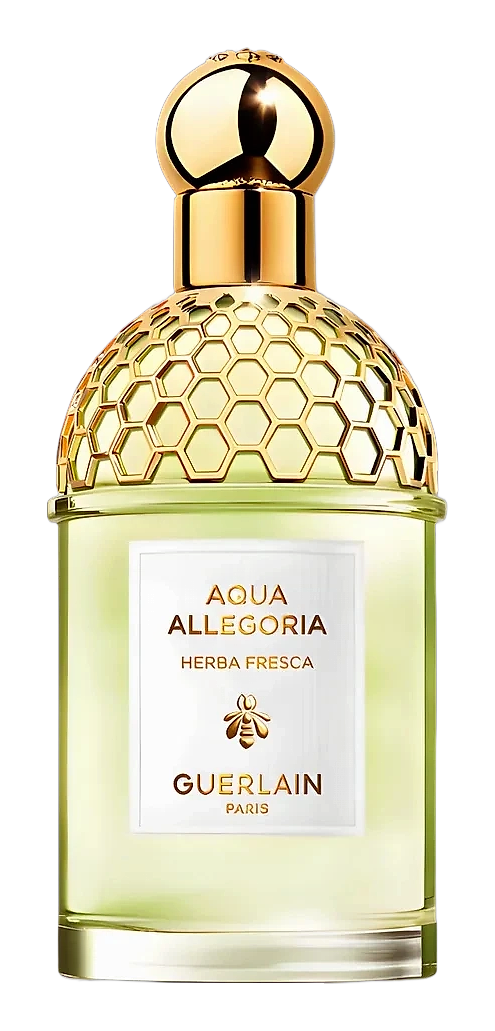
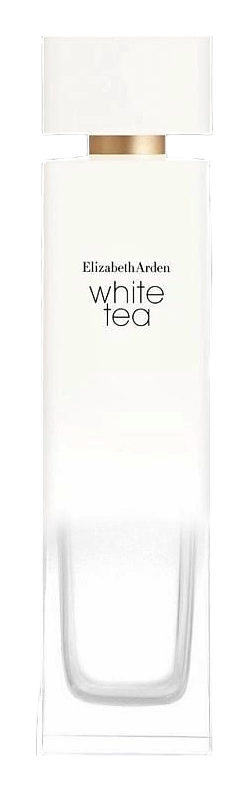
Fragrances featuring Cyclamen



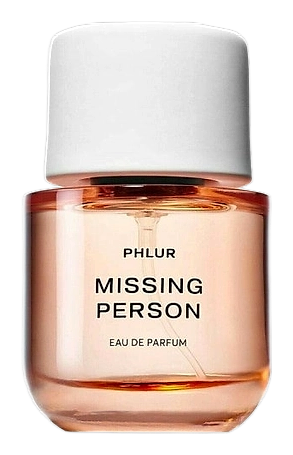

Brands
Brands known for Cyclamen
Good to know
Questions, answered
The essentials on Cyclamen in perfumery: how it smells, where it comes from, and how it behaves on skin.
What does cyclamen smell like in perfume?
Cyclamen aldehyde smells watery, green, and slightly floral with a soft lilac quality. It reads cool and clean rather than sweet, acting as a brightening top-to-middle note. The scent is an approximation of the real cyclamen flower, which yields almost no extractable oil.
Is cyclamen aldehyde natural or synthetic?
Cyclamen aldehyde is entirely synthetic. The natural cyclamen flower's fragrance cannot be captured through steam distillation or solvent extraction in commercially viable amounts, so perfumers rely on a lab-created molecule that mimics its character.
When was cyclamen aldehyde first used in perfumery?
Cyclamen aldehyde entered perfume formulation in the late 19th century during the synthetic aroma chemical revolution centered in Paris. It gained widespread use in the early 1900s as a reliable floralizer for soaps and fine fragrances.
Why is cyclamen aldehyde used instead of real cyclamen extract?
Real cyclamen flowers produce negligible amounts of usable scent oil through conventional extraction. Cyclamen aldehyde solves this supply problem by offering a consistent, scalable, and cost-effective alternative with a similar fresh-floral profile.
What fragrance families does cyclamen belong to?
Cyclamen aldehyde is used across nearly every fragrance family, from florals and green compositions to fresh aquatic and aldehyde-based structures. Its versatility and clean lift make it a common supporting note regardless of category.
Is cyclamen aldehyde safe in fragrance?
Cyclamen aldehyde is approved for use in cosmetic and fragrance products by IFRA, the International Fragrance Association, within regulated concentration limits. It has a long history of safe use in leave-on and rinse-off products worldwide.
How long does cyclamen aldehyde last on skin?
Cyclamen aldehyde is moderately substantive, typically lasting several hours as a middle note before fading. Its diffusive brightness peaks early, then settles into a softer floral trace. Longevity depends on concentration and the fragrance's overall base structure.
Which famous perfumes contain cyclamen aldehyde?
Cyclamen aldehyde appeared in many classic 20th-century aldehyde florals and soapy fragrances, particularly French and American compositions from the 1940s through the 1970s. It remains a standard ingredient in countless commercial fragrances across all price tiers today.


