





Heritage
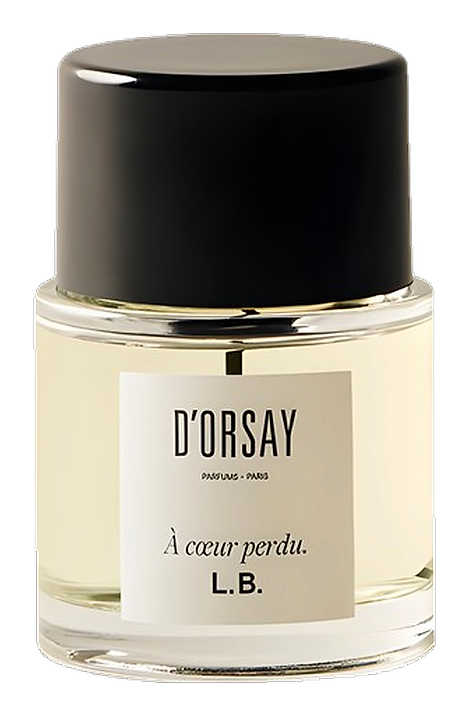
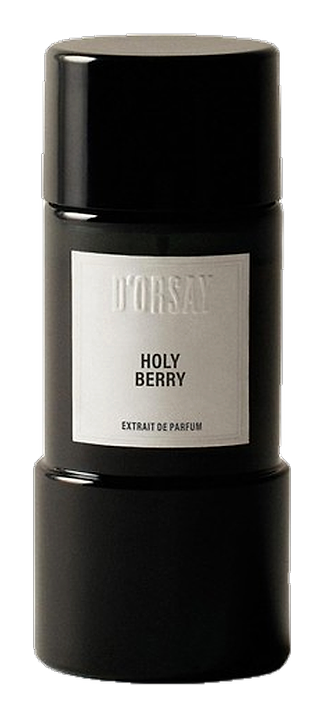
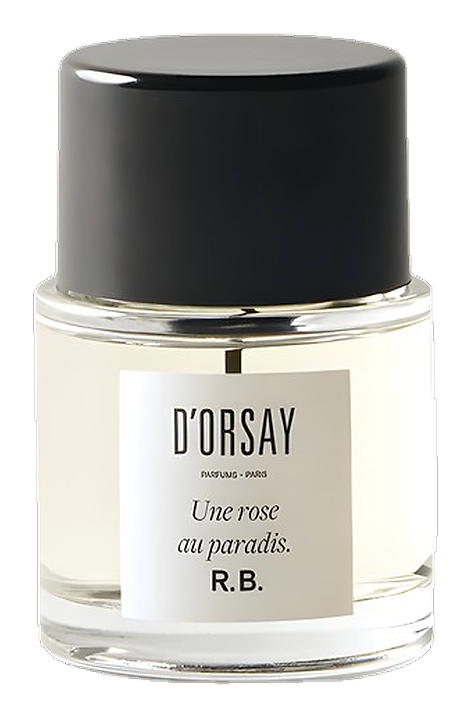
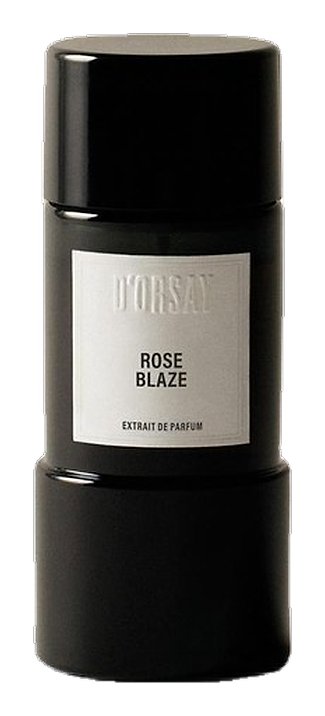
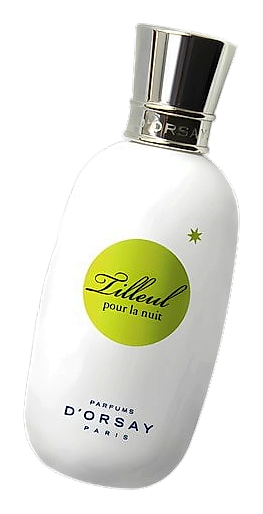
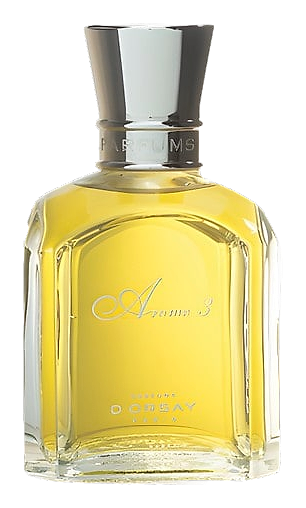
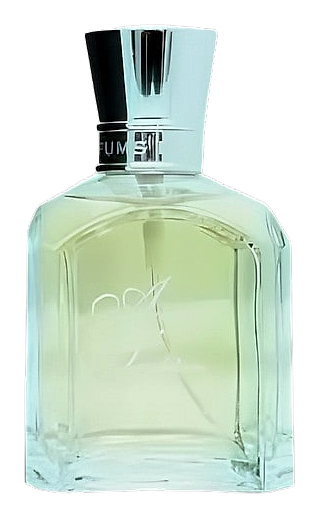
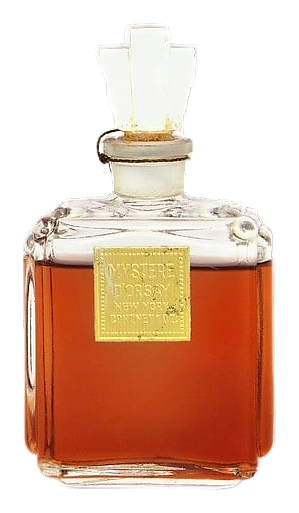
A house, in its own words
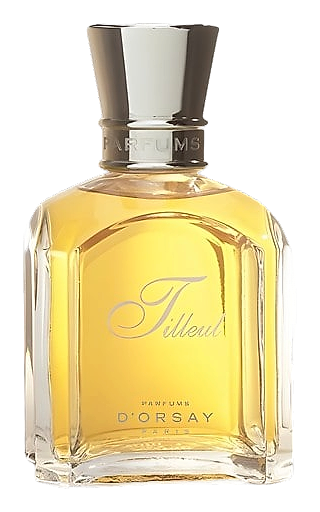
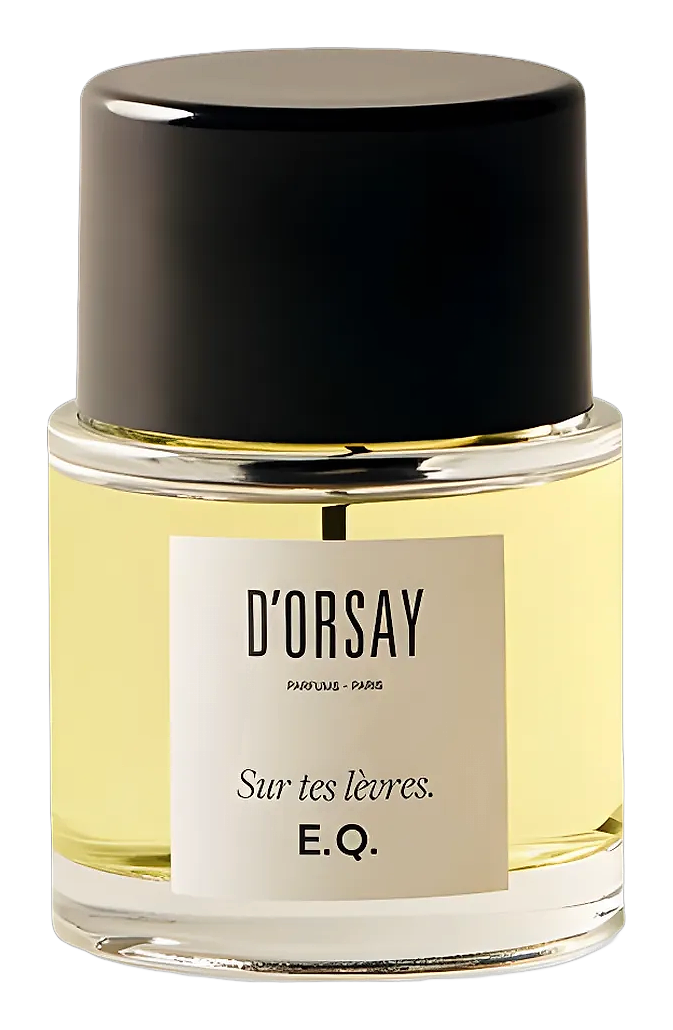
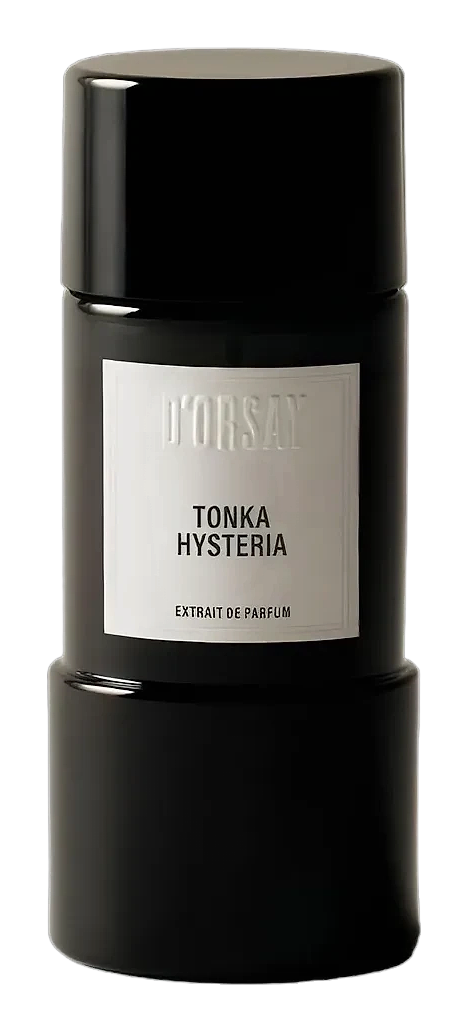
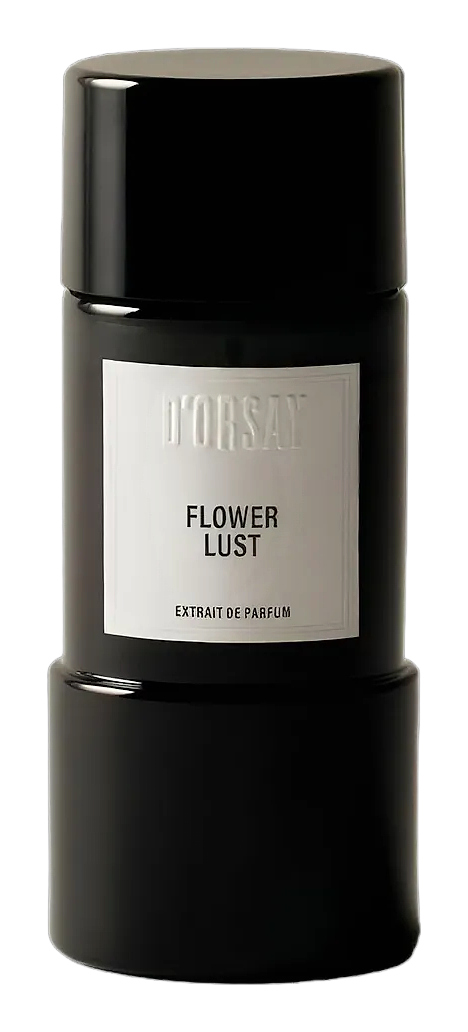
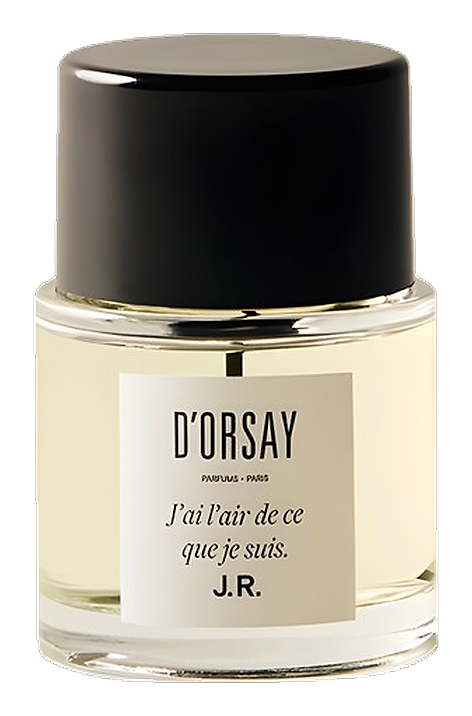
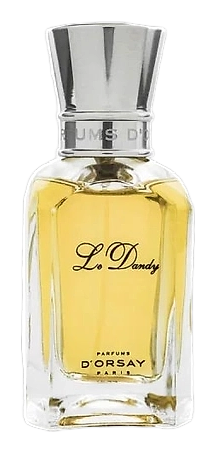
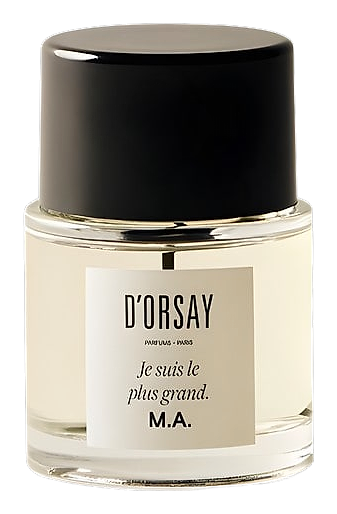
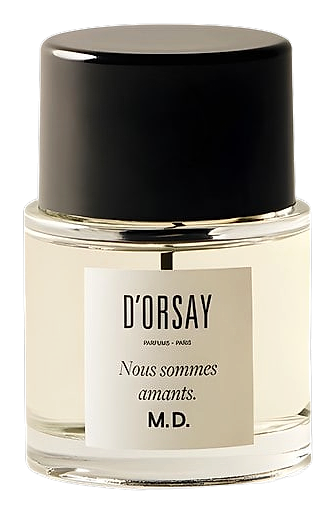
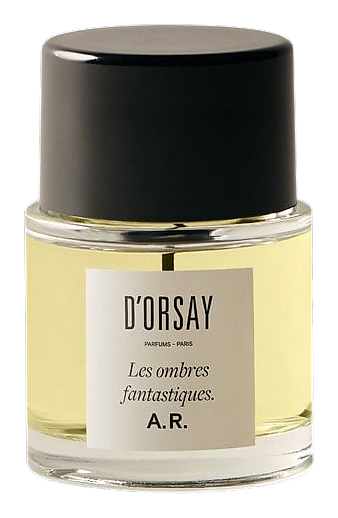
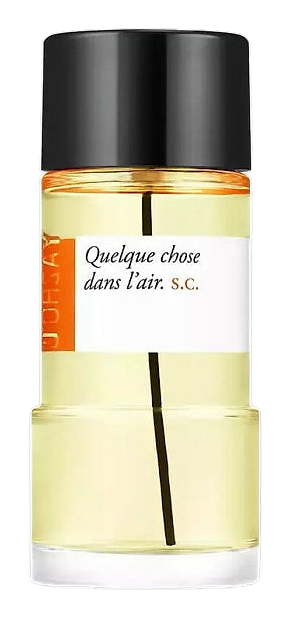
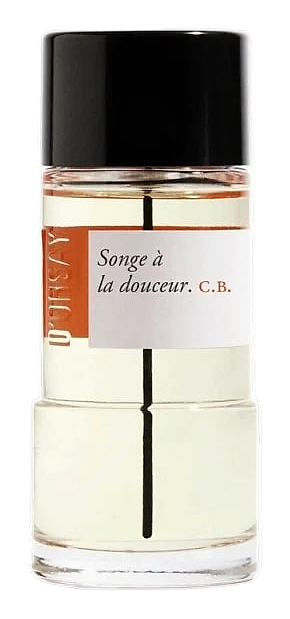
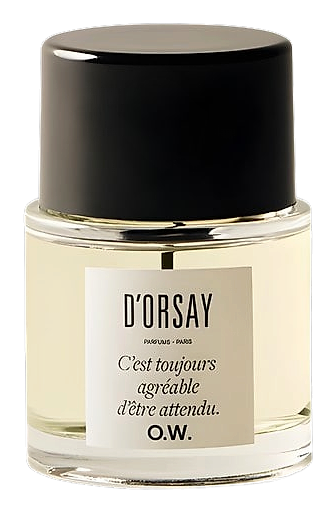
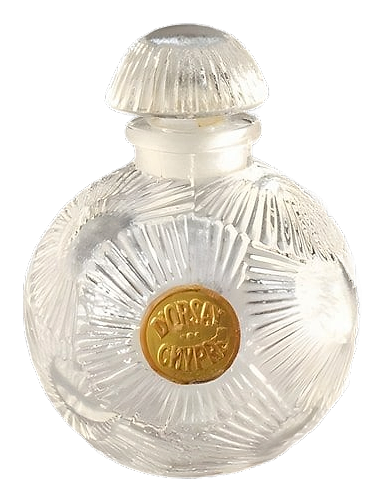
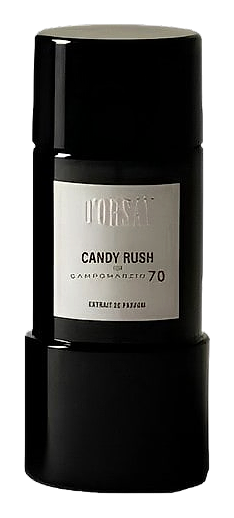
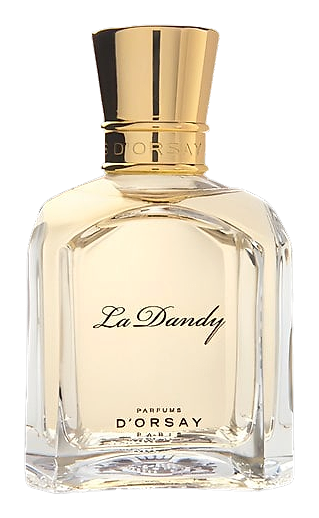
The story of D’ORSAY begins in 1830 when Count Alfred d’Orsay, a French aristocrat with a taste for the avant‑garde, commissioned a unisex fragrance for his lover, the Irish writer Marguerite de Blessington. Contemporary accounts describe the perfume as a private gift, sealed in a modest bottle and kept out of public view. Over the next decades the name d’Orsay became associated with a small circle of Parisian artisans who produced scented waters for salons and private commissions. By 1865 the Compagnie Française des Parfums formalised the operation, registering the D’ORSAY trademark and expanding distribution to select boutiques in the capital. The early twentieth century saw the house enlist artists such as Jean Cocteau and Marie Laurencin to design packaging, reinforcing a reputation for cultural collaboration. In 1923 the house launched Le Dandy, a fragrance that captured the spirit of the roaring twenties and later inspired a masculine reinterpretation in 1999. After World War II the house survived the market upheavals that closed many independent perfumeries, maintaining a modest but loyal clientele. In 2015 Amélie Huynh, a fragrance historian, rediscovered the archive of original formulas while researching Parisian perfume archives. She acquired the rights to the D’ORSAY name, restored the original notebooks, and re‑opened the house with a focus on both preservation and innovation. Since then the brand has released a steady stream of new scents, including the 2020 Vouloir Être Ailleurs C.G. and the 2024 Tonka Hysteria, each anchored in the house’s historic DNA while speaking to today’s sensibilities. D’ORSAY frames perfume as a living narrative rather than a static product. The house believes that scent should echo personal memory and collective history, so each launch references a documented moment from its archives. Creative direction prioritises unisex compositions, allowing the wearer to define the fragrance’s gender expression. The brand values transparency; ingredient lists are published alongside each release, and sourcing decisions are guided by ecological stewardship. D’ORSAY also supports small‑scale French growers, preferring regional ambergris alternatives and sustainably harvested woods. The creative team works closely with perfumers to reinterpret historic accords, ensuring that vintage DNA is not merely replicated but re‑imagined for contemporary palettes. This approach reflects a respect for tradition that coexists with a willingness to experiment, a balance the house describes as “heritage in motion.”