The Story
Why it exists.
The beginning
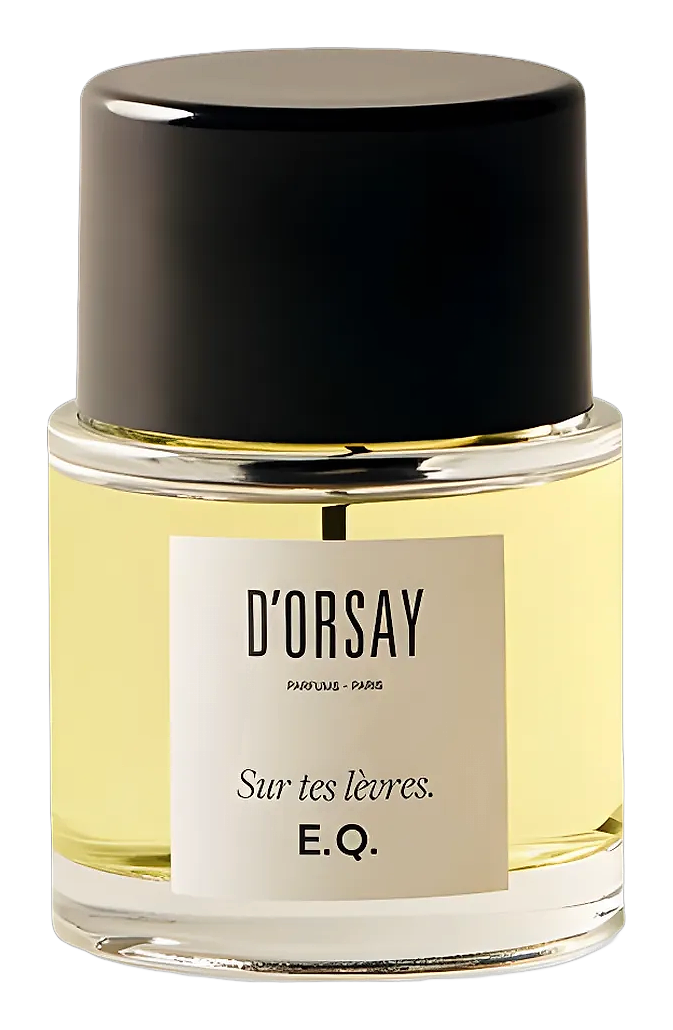
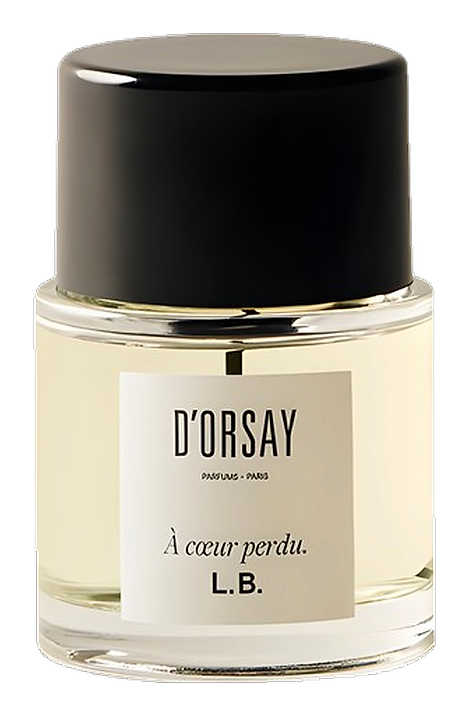
The name says it all. À cœur perdu, with a lost heart, is a contemporary recreation of the original fragrance Count Alfred d'Orsay created in 1830 as a private gift for his lover, the Irish writer Countess Marguerite de Blessington. For D'ORSAY, this was never about building a best-seller. It was about returning to a document in the archives, a sealed bottle from 200 years ago, and asking: what would this smell like today? The 2023 version is Fanny Bal's answer. Not a reissue. A reimagining.
The structure is unusual. Most contemporary florals open with the heart and let the base arrive gradually. Here, the aldehydes and citrus hit first, crisp, bright, almost astringent, before the neroli and orange blossom take over. The iris aldehyde is the pivot point. It doesn't announce itself. It softens everything around it, turning sharp citrus into something powdery and warm. In the base, ambroxan and moss pull in opposite directions: ambroxan adds warmth and a marine-like depth, moss brings earth. The result is a fragrance that smells like a memory of a place rather than the place itself.
The evolution
The opening hits quick, lemon and aldehydes, a burst of clean brightness that lasts perhaps twenty minutes before the florals arrive. Bergamot fades first. Then the aldehydes quiet down, and the iris and orange blossom emerge, softer and more intimate. This is the heart of the fragrance: powdery, floral, unexpectedly warm. The ambroxan in the base doesn't arrive forcefully. It lingers beneath the florals, adding a skin-like warmth that becomes more apparent as the hours pass. By hour four or five, what's left is a close, powdery whisper on skin, moss and cashmeran holding the whole thing together. On fabric, it disappears faster. On skin, it stays. The next morning, there's a faint trace, like the ghost of something beautiful.
Cultural impact
The fragrance traces its lineage to 1830 when Count Alfred d'Orsay created a private scent as a gift for Countess Marguerite de Blessington, his longtime friend and correspondent. That intimate gesture established D'ORSAY's tradition of personal perfumery, later revived in 2023 by perfumer Fanny Bal who translated the historical romance into contemporary aldehydic iris. The original 1830 fragrance existed outside commercial fragrance culture, made for one person rather than a market. This contemporary version honors that private-gift sensibility, prioritizing restraint and emotional resonance over loud projection.