Iris Aldehyde
Iris aldehyde is a synthetic aromatic chemical that imparts fresh, green, and powdery iris-like facets to fragrance compositions. Used primarily as a modifier and blender, it adds naturalness to green, floral, and chypre constructions while extending the perceived freshness of citrus and ozonic top notes.

Character
How it smells
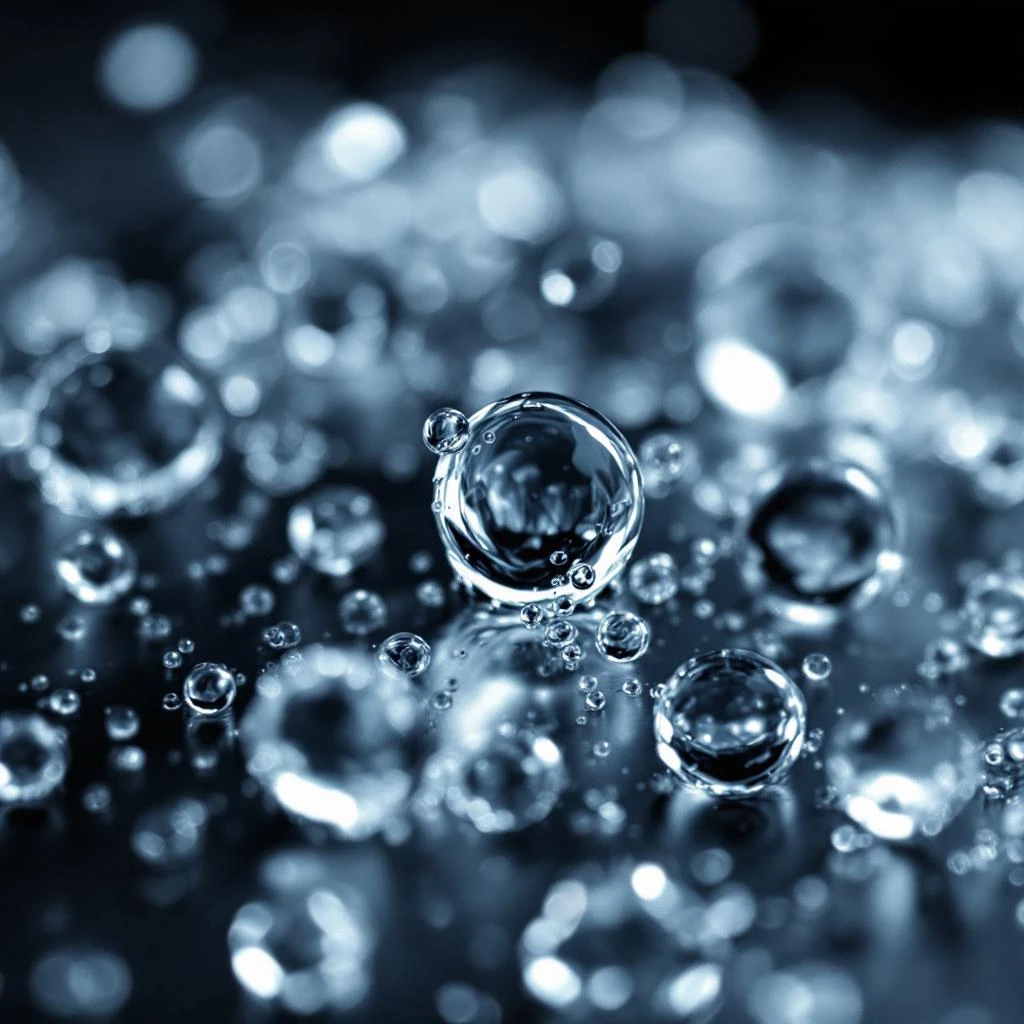
Fresh green iris facets from the perfumer's laboratory
A single drop of this potent aldehyde can scent an entire fragrance batch, detectable at parts-per-billion thresholds.




Origin
Switzerland
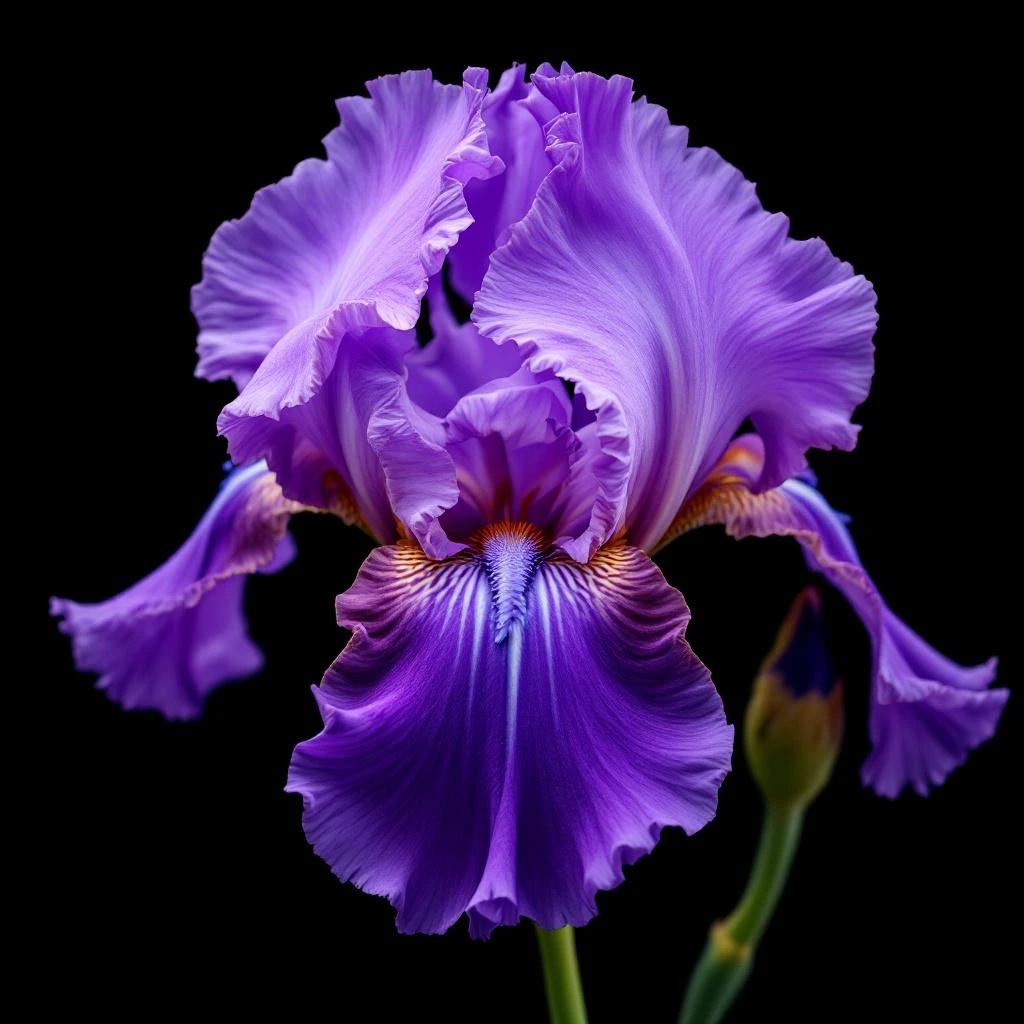
While iris itself has been prized since Ancient Greece, synthetic iris aldehydes emerged only in the twentieth century as fragrance chemistry advanced. Before these materials, perfumers relied on expensive natural orris butter or limited natural extracts to capture iris's signature powdery character.
The development of synthetic alternatives democratized iris facets across all fragrance price points. Today, these synthetics honor the heritage of Renaissance pomanders and aristocratic violet powders while serving the precision demands of modern aquatic and green compositions.
Wears it best
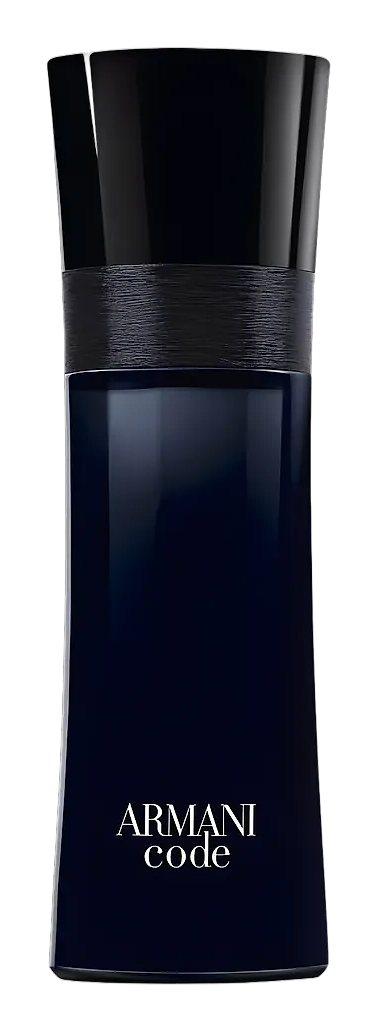
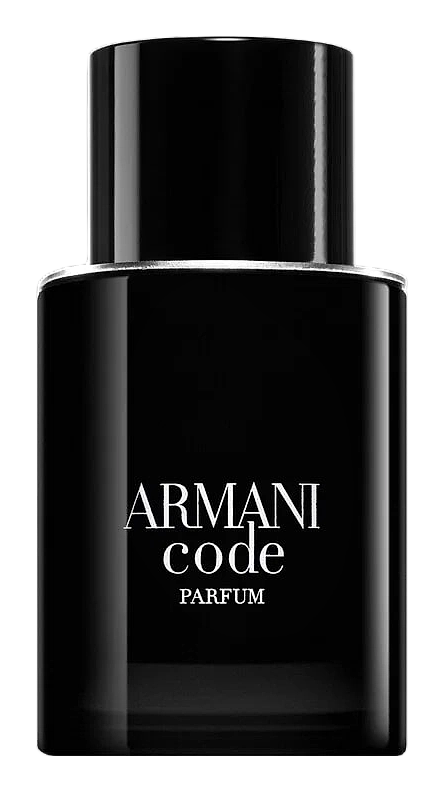
Fragrances featuring Iris Aldehyde
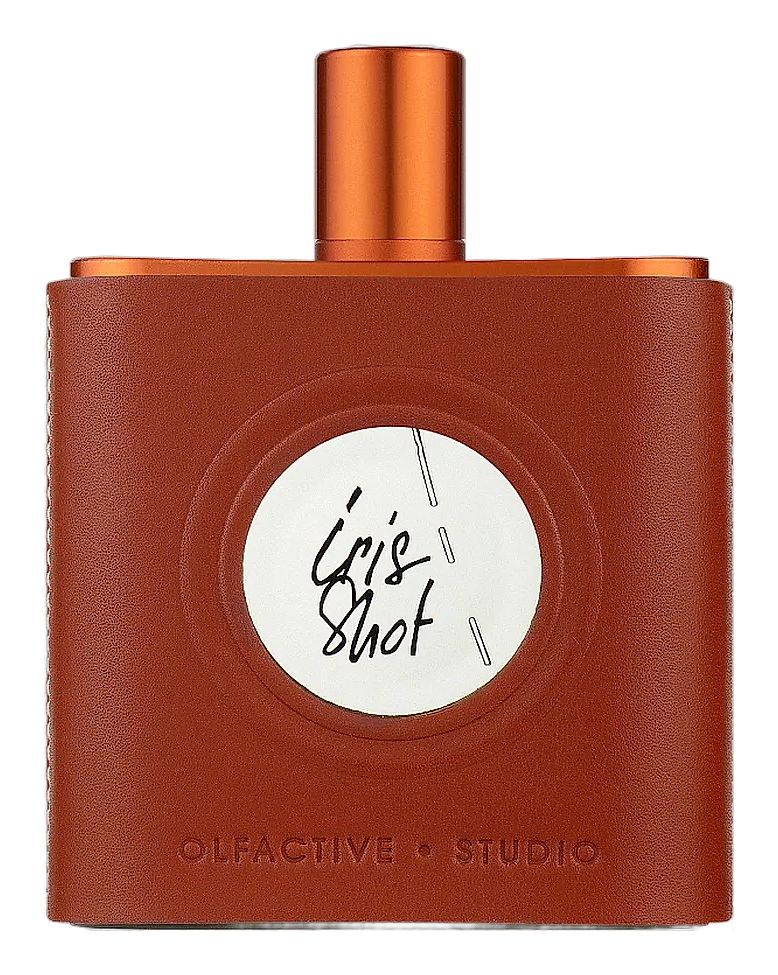
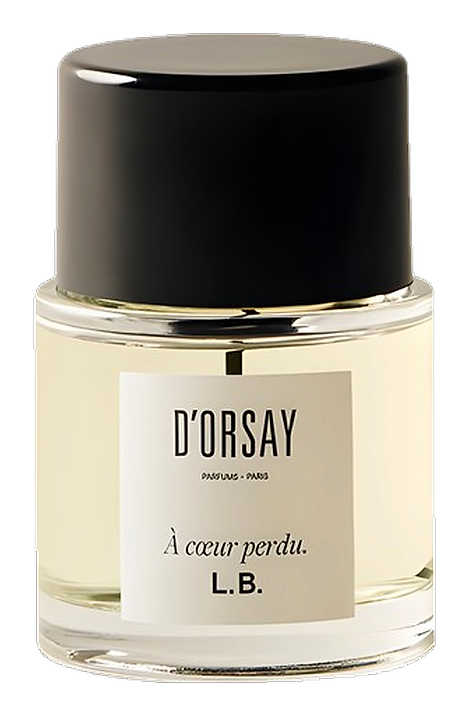
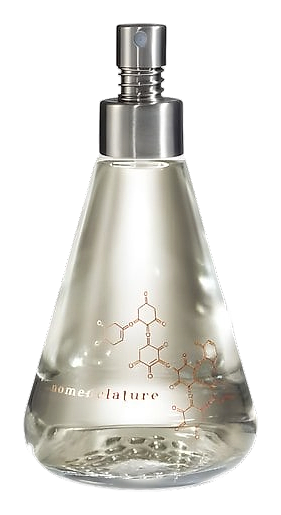
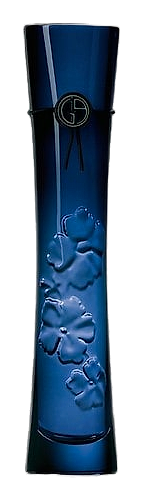
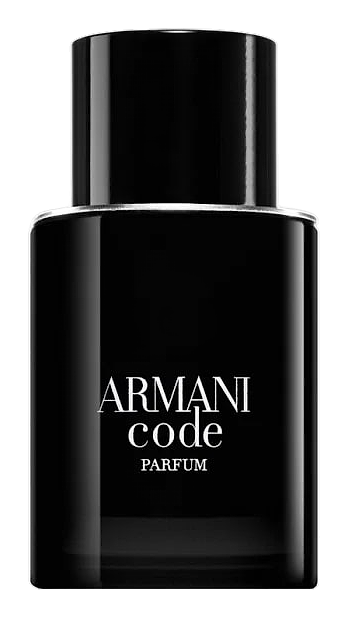
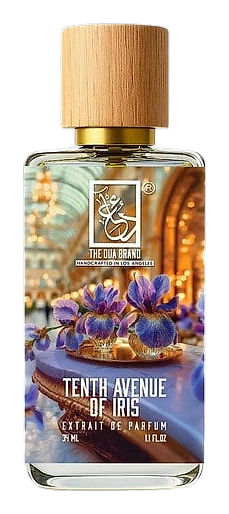

Brands
Brands known for Iris Aldehyde
Good to know
Questions, answered
The essentials on Iris Aldehyde in perfumery: how it smells, where it comes from, and how it behaves on skin.
What does Iris aldehyde smell like in perfume?
Iris aldehyde delivers fresh, green, powdery facets reminiscent of violet leaves and orris root. Its profile combines herbal and woody undertones with a clean, slightly aldehydic character that adds naturalness and transparency to fragrance top notes.
Why is Iris aldehyde used in perfumery?
Perfumers use Iris aldehyde to introduce authentic iris character at economic usage levels. At up to 5% concentration in compositions, it provides an accessible alternative to prohibitively expensive natural orris butter, which commands hundreds of dollars per kilogram.
Is Iris aldehyde in perfume natural or synthetic?
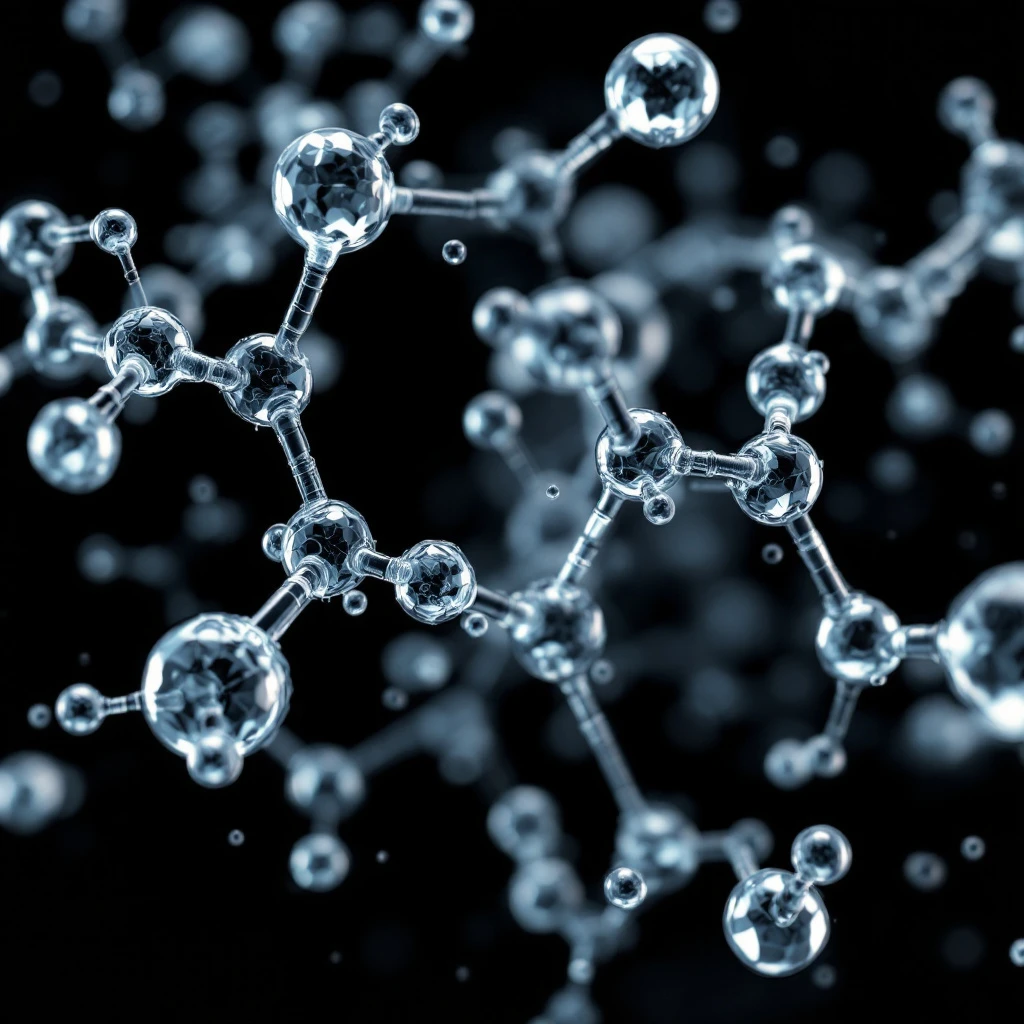
Iris aldehyde is a synthetic aromatic chemical, not a natural extract. It is primarily produced as alpha-campholenic aldehyde through controlled organic synthesis from terpene precursors, offering consistent olfactory profiles unattainable from natural sources.
What famous perfumes contain Iris aldehyde?
Iris aldehyde appears across modern formulations rather than signature roles. It functions as a supporting modifier in countless contemporary fragrances, particularly those with green, fresh, and aquatic orientations where its naturalness-enhancing properties add credibility to citrus and ozonic openings.
Is Iris aldehyde a top note, heart note, or base note?
Iris aldehyde performs primarily as a top-to-heart modifier due to its moderate volatility. While less substantive than natural irones found in orris butter, which provide 48-hour longevity on smelling strips, it contributes fresh character during the opening and heart phases of fragrance development.
What notes pair well with Iris aldehyde in perfume?
Iris aldehyde harmonizes naturally with citrus oils, ozonic materials, violet leaf absolute, and fresh green compounds. It also complements woody materials like iso-bornyl acetate and amyl salicylate, making it versatile across forest-type, chypre, and modern aquatic constructions.
How is Iris aldehyde produced?
Iris aldehyde is produced through chemical synthesis, primarily by oxidizing campholenic alcohol or deriving it from terpene feedstocks. This controlled production process yields alpha-campholenic aldehyde with herbal, green, woody, and amber characteristics that mirror natural iris qualities.
Is Iris aldehyde used in men's or women's fragrances?
Iris aldehyde serves unisex applications across gender-specific fragrances. Its clean, transparent green character adapts readily to masculine fougeres and aquatic compositions as readily as to feminine florals and powdery chypres, reflecting modern perfumery's departure from rigid gender categorization.