
The Story
Why it exists.
The beginning
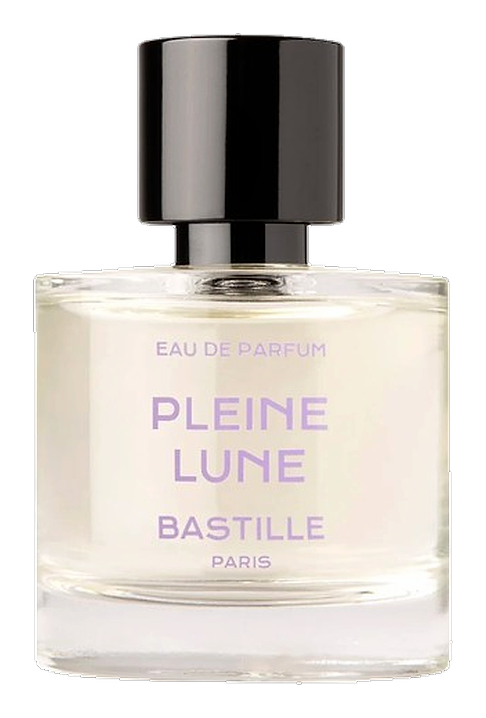
Pleine Lune translates to 'full moon', and the name carries weight. The full moon has always been a symbol of reveal, of things coming into the open that prefer to stay hidden. Anne Flipo and Paul Guerlain built this fragrance around that idea of contrast: the wild sensuality of tuberose, a flower that doesn't whisper, paired with the calm clarity of green tea, an ingredient that grounds. The bergamot adds brightness at the top, a false start that keeps you guessing. What you think this fragrance is and what it becomes are two different things, much like the full moon itself, bright enough to see by, but arriving only when the world is ready for it.
The note structure here is unusually layered for a fragrance this approachable. Green tea and mate occupy the top together, mate being the louder, more bitter cousin of green tea, with a yerba bitterness that reads almost medicinal. The heart doesn't build from the top so much as it replaces it: four white florals arriving in sequence, with tuberose taking the lead and the others filling in around it. The base is where it gets interesting, benzoin and tonka bean create a sticky, sweet warmth that some wearers describe as teetering on the edge of too much. But that edge is intentional. The sweetness doesn't hide. It announces itself, wrapping the florals in something that lingers for hours.
The evolution
The opening is cool. Almost clinical. Green tea and mate arrive with a slight bitterness, a yerba edge that doesn't smell like anything you'd put in a cup. Bergamot and pink pepper hover at the edges, citrus brightness, a whisper of spice, but they don't push. They wait. The white florals arrive next, and the shift is immediate. Tuberose blooms first, unapologetic and heady, then jasmine and neroli thread through, orange blossom softening what could have been overwhelming. The green tea doesn't disappear. It becomes the stage. The drydown is where the story turns. The florals recede and the warmth arrives, benzoin and tonka bean sweetness wrapping around sandalwood and cedar. The combination stays close to skin for hours. Not loud. Not announced. Just there, the way a full moon is there, noticed only when you're already standing in its light.
Cultural impact
Pleine Lune has quietly built a following among people who want fragrance to mean something. The green-tea-and-tuberose pairing isn't new, but the execution is. The cool, almost clinical opening followed by an unapologetically floral heart, and then the warm, sweet drydown, creates an arc that rewards patience. Wearers describe it as the scent of someone who walks into a room and doesn't need to announce themselves. It's the kind of fragrance that earns its reputation through wear, not through novelty.
The House
Bastille ParfumsBastille Parfums is a French niche fragrance house founded in 2020 by Marie-Hortense Varin, a young Parisian drawn to the perfume industry from a family of Champagne winegrowers. The brand takes its name from the Bastille fortress, a symbol of revolution and rupture with the old order. Today, the house is managed by Sophie Maisant and Pascal Hyafil, two industry figures who crossed paths over two decades ago at Chanel. Bastille operates as a collaborative platform, granting perfumers complete creative freedom to develop original compositions without commercial constraints. The perfumes take shape in Paris, take their final character in Grasse, and are bottled in the Paris region. The house positions itself at the intersection of artisanal craft and environmental responsibility, responding to shifting consumer habits toward more conscious consumption.
The Creator
Anne FlipoOrange blossom defines Flipo's olfactive signature more than any other material. She has worked with neroli and orange flower absolute across dozens of compositions, finding infinite variation within this single note.