
The Story
Why it exists.
The beginning
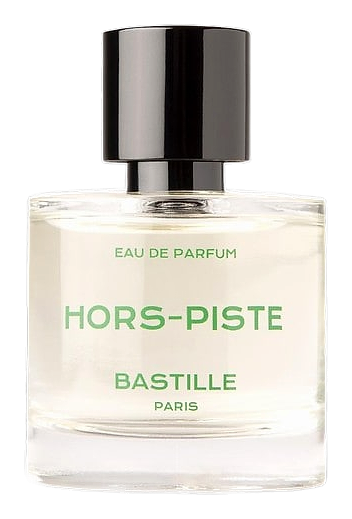
Hors-Piste entered the world in 2020. The name is French for 'off-piste', the unmarked trail skiers take when the groomed runs bore them. Domitille Michalon-Bertier designed this for someone who considers fresh fragrances but finds them too predictable. Too safe. Too willing to please. The brief called for surprise, and she delivered it through mate, an ingredient that brings an unexpected edge to the composition. It became the structural twist that makes the citrus actually interesting. Mate provides a bitter, herbal quality that challenges the brightness of the citrus, creating tension and depth where one might expect simplicity.
What makes Hors-Piste work is the tension between its opening and its heart. The Italian tangerine could have gone the way of all citrus, bright, brief, forgettable. Instead, the mate steps in with its bitter, herbal weight, creating a composition that feels like gin and tonic: the quinine edge without the alcohol. Juniper does the heavy lifting here, contributing the berry's aromatic quality that makes the comparison land. Pink pepper adds a subtle warmth that prevents the whole thing from reading as cold or medicinal. It's an unlikely combination that coheres.
The evolution
The first ten minutes belong to the tangerine. Sweet, almost caramelized citrus that doesn't apologize for being loud. Then the mate arrives, and something shifts, the sweetness recedes like a tide pulling back from shore, leaving behind a bitter, herbal landscape. The juniper emerges here, giving the heart a gin-and-tonic clarity that's genuinely distinctive. Ginger keeps things warm without adding heat. As the scent evolves, the cedar emerges, adding woodsy depth and a clean, skin-like finish. What lingers isn't sweetness but memory: the ghost of something fresh that surprised you. The drydown has a quiet persistence that stays close to the skin, an impression that lingers without projecting.
Cultural impact
Hors-Piste arrived in a market full of safe fresh fragrances, aquatic, ozonic, forgettable. By incorporating mate and emphasizing juniper's gin-like qualities, Bastille created something that reads as fresh without being generic. The fragrance offers citrus that actually says something. It stands apart from the predictable bright and clean options, bringing an herbal bitterness that challenges expectations while remaining accessible. This is fresh fragrance for people who want complexity alongside their brightness.
The House
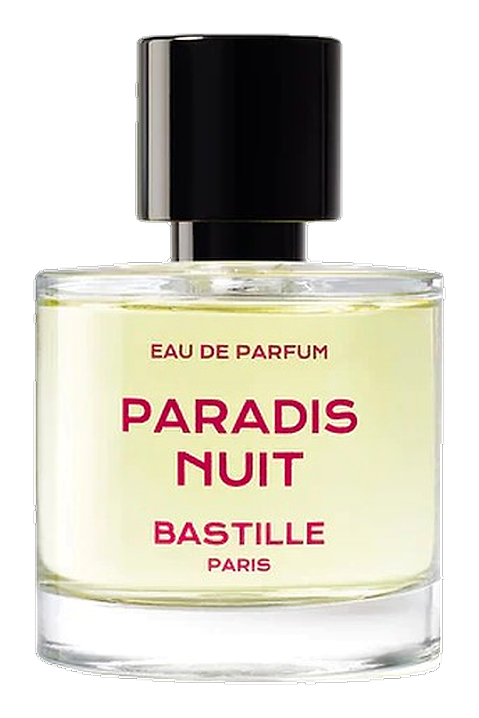
Bastille ParfumsBastille Parfums is a French niche fragrance house founded in 2020 by Marie-Hortense Varin, a young Parisian drawn to the perfume industry from a family of Champagne winegrowers. The brand takes its name from the Bastille fortress, a symbol of revolution and rupture with the old order. Today, the house is managed by Sophie Maisant and Pascal Hyafil, two industry figures who crossed paths over two decades ago at Chanel. Bastille operates as a collaborative platform, granting perfumers complete creative freedom to develop original compositions without commercial constraints. The perfumes take shape in Paris, take their final character in Grasse, and are bottled in the Paris region. The house positions itself at the intersection of artisanal craft and environmental responsibility, responding to shifting consumer habits toward more conscious consumption.
The Creator
Domitille Michalon-BertierDomitille favors natural ingredients and makes a point of exploring new raw materials to expand her palette continuously. Her signature reads as vibrant and dynamic, drawing comparisons to jazz's unexpected harmonies or the layered tension of noir fiction.