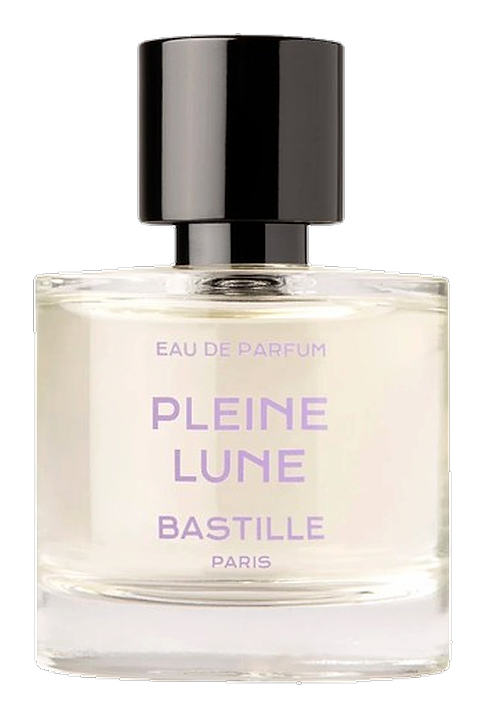
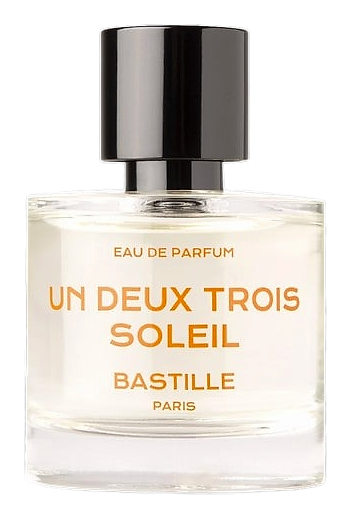
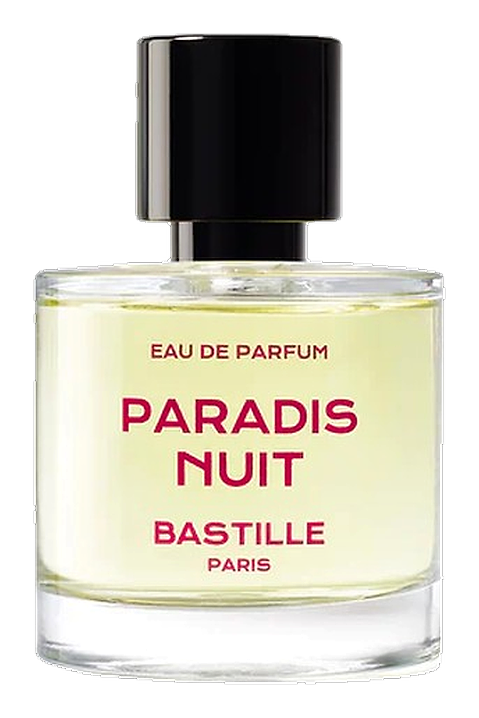
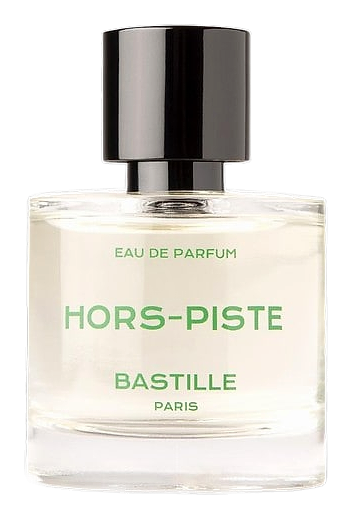
Heritage
A house, in its own words
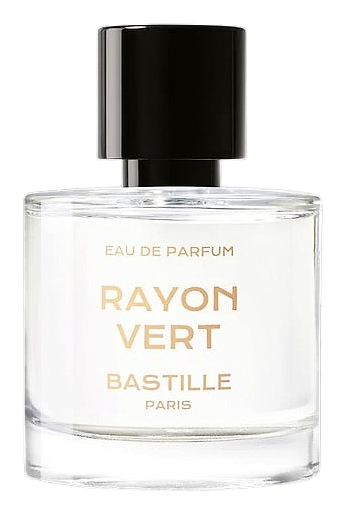
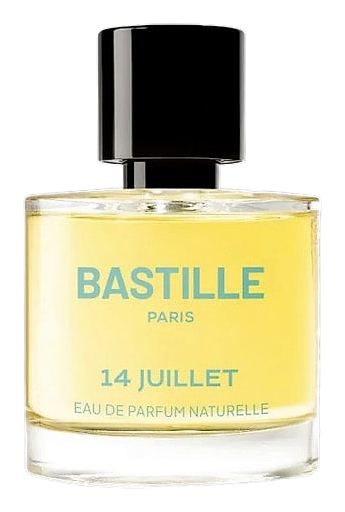
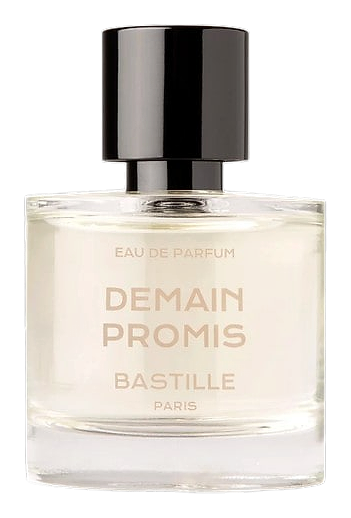
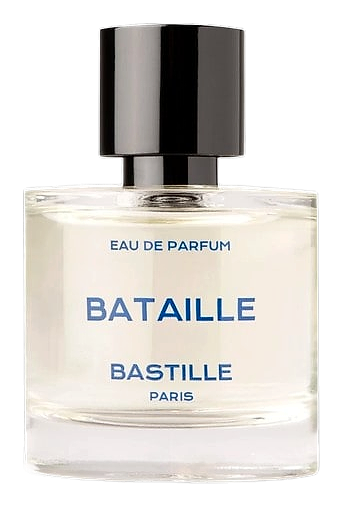
The story of Bastille Parfums begins with Marie-Hortense Varin, who grew up among Champagne winegrowers and absorbed from an early age a reverence for natural raw materials and what the land can yield. In 2020, she founded the house in Paris, naming it after the fortress that embodied popular uprising and the breaking of established order. The choice was deliberate, signaling an ambition to disrupt rather than merely participate in the fragrance market. Varin reportedly set out to build something different from the top-down models dominating the industry, favoring a structure where perfumers could pursue their own creative instincts without commercial oversight. Within its first years, the house assembled a roster of fragrance creators and began releasing original compositions. By 2022, the brand had expanded its collection with titles like Rayon Vert, and by 2023 had added Paradis Nuit. The house currently sits under the management of Sophie Maisant and Pascal Hyafil, whose shared history at Chanel spans more than twenty years. Their partnership brought seasoned industry knowledge to Varin's founding vision, and together they have guided the brand's expansion while maintaining its original ethos. Bastille now occupies a distinct position within the niche fragrance landscape, drawing attention for its creator-friendly model and its French production chain spanning Paris and Grasse. Bastille operates from a conviction that perfumers produce their best work when unshackled from commercial pressure. The house grants its collaborating creators full autonomy over their compositions, from initial concept to final juice. This model inverts the traditional house structure, where perfumers often work to briefs dictated by marketing departments and sales projections. Bastille's approach positions the nose as the author, not the executor. The philosophy extends beyond creative process into environmental consciousness. The brand emerged from observing a broader cultural shift toward more responsible consumption, particularly in how cosmetics and personal care products are made and marketed. Rather than treating sustainability as a marketing afterthought, Bastille has built it into its operational logic. The house also views itself as a vehicle for breaking conventions in perfumery, challenging the industry's习惯了 formulas and predictable launches. Each fragrance in the collection stands as an independent statement rather than a calculated extension of a winning formula. This approach demands more from both perfumers and audiences, but the house believes it produces more honest, more interesting work as a result.