The Story
Why it exists.
The beginning
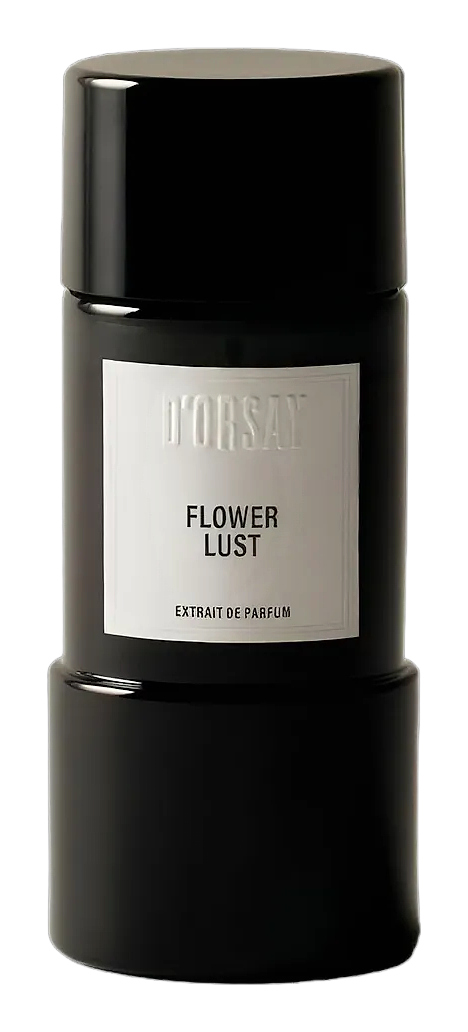
Flower Lust arrived in 2024, signed by Dominique Ropion. The brief was simple on paper: a floral that refused to behave. Ropion built the composition around contrast, spices that bite, florals that sprawl. The name says what it means. This isn't a fragrance for those still figuring out what they want from scent.
The pepper partnership is deliberate. Pink and black together create a heat that reads sharp but not aggressive, a spark rather than a flame. Below, ylang-ylang and orange blossom occupy the same space but take turns. One brings tropical depth; the other brings bitter-floral cool. The base anchors the whole thing in benzoin's warm resin and New Caledonian sandalwood's creamy wood. Patchouli keeps it grounded.
The evolution
The opening hits like a struck match. Pink pepper first, then black, together they create a metallic-floral tension that some find arresting and others find confrontational. Within twenty minutes the ylang-ylang thickens. The orange blossom follows, cooler and sharper, cutting through the sweetness. The benzoin arrives quietly, wrapping everything in warm amber that softens the edges. By hour three, the florals have settled and the sandalwood-patchouli axis takes over, creamy, dry, intimate. Eight to ten hours on most skin. The next morning, patchouli and benzoin linger like a second skin.
Cultural impact
Flower Lust fits into a broader moment in niche perfumery where florals are treated without restraint. The pepper opening is confrontational in a category that often plays safe. Wearers describe it as the scent of someone who knows exactly what they want and won't negotiate. The Extrait de Parfum concentration ensures longevity, 8 to 10 hours is consistent across reports, making it a fragrance for evenings and cooler days rather than casual daytime wear.